Why the 2026 Stopover decision is not DAF or clarifier
Stopover mining and metals plants should not pick one technology for 2026; a dissolved air flotation system is the right primary when the stream carries FOG, cutting oil, or colloidal fines, while a lamella clarifier is the right polish for dense metal-hydroxide floc at 20–40 m/h surface loading. Under 40 CFR 437 (Ore Mining and Dressing), daily-maximum limits for TSS, total recoverable lead, zinc, copper, and iron, plus pH 6.0–9.0, force most lines to run DAF primary plus lamella polish to stay in compliance (per 40 CFR 437.30–437.32).
Many in-service clarifiers in the Stopover basin date to the 1970s, and ESG-driven closed-loop water-reuse targets have pushed replacement to a board-level capital decision in 2026. The stream profile is the opposite of food-processing FOG: dense Fe(OH)3, Al(OH)3, silica fines, and magnetite with intermittent tramp oil. The question to put on the board agenda is "which goes first," not "which one." Stopover winters below 10°C affect DAF sizing far more than lamella sizing, and the regional precedent covered in the Jasper lagoon recommissioning with Tri-Government funding confirms the same cold-basin replacement pattern across the region.
The three physical rules that decide DAF vs clarifier
Three rules govern which unit operation wins, and they apply in a fixed order because the failure modes they prevent are not equal: a FOG breakthrough trips NPDES instantly, while a cold-weather underperformance is a gradual efficiency drift.
Rule 1 — FOG first. Free oil and grease do not settle in a clarifier's residence time; they exit in the overflow and land directly on the NPDES outfall. Any FOG load on a mining stream — cutting fluid, hydraulic oil, lube from crusher houses, or truck-wash runoff — forces DAF upstream or as a polish step. A lamella cannot recover oil that floats.
Rule 2 — Floc density. Conditioned floc with specific gravity above 1.05 settles readily and favors a lamella; the same floc, once polymer-conditioned, also binds tightly to 30–50 µm micro-bubbles and floats cleanly in a DAF. When upstream chemistry is right, either mechanism works on dense metal-hydroxide sludge, so the choice depends on the stream property the FOG rule has not already decided.
Rule 3 — Cold-weather sizing margin. Micro-bubble nucleation kinetics slow 20–30% at 5°C versus 20°C (HydropureWater field data, 2026). Plants running through Stopover winters should add a 10–15% sizing margin on the recycle pump and saturation vessel, plus insulation or heat-trace on the recycle line. The same rule applies more gently to a lamella: low temperature thickens water and slows settling slightly, but the dominant Stopover risk for an unheated lamella vault is sludge-hopper freeze, not kinetics drift.
Head-to-head comparison: DAF, lamella, and conventional clarifier
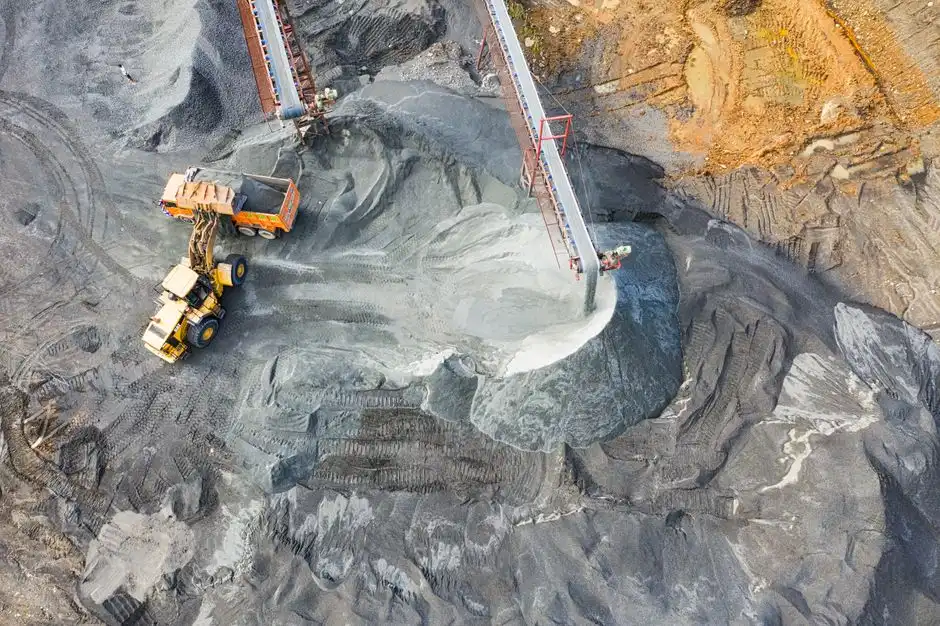
The table below organizes dense metal-hydroxide stream parameters into the rows procurement requires for board evaluation.
| Parameter | DAF | Lamella clarifier | Conventional gravity clarifier |
|---|---|---|---|
| TSS removal on dense Fe(OH)3/Al(OH)3 floc | 90–95% | 85–95% | 50–80% |
| Footprint (m² per m³/h) | 0.2–0.4 | 0.3–0.6 | 5–8 |
| Equipment CAPEX multiplier (lamella = 1.0x) | 1.5–2.5x | 1.0x | 0.7–0.9x (huge civil cost) |
| Energy use | 8–15 kWh/m³ (compressor + recycle) | 0.1–0.3 kWh/m³ (scraper drive) | 0.1–0.3 kWh/m³ (scraper drive) |
| Sludge dryness | 4–8% DS float (easier dewatering) | 2–5% DS underflow | 2–5% DS underflow |
| Cold-weather performance (<10°C) | Moderate (size 10–15% margin) | Low (freeze risk in unheated vault) | Low (same freeze risk, larger vault) |
| Best-fit stream | FOG, emulsified oil, colloidal fines, light floc | Dense settleable hydroxide floc, high flow, no oil | Legacy installations, very large basins |
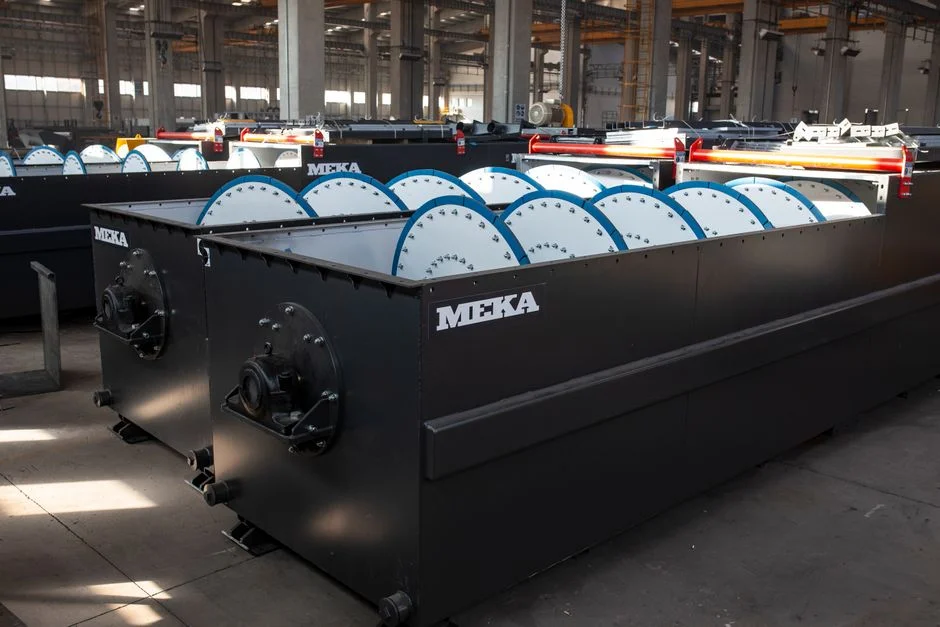
DAF performs best on FOG, colloidal fines, footprint, and float dryness; lamella is more cost-effective for FOG-free streams at high flow; the conventional clarifier is rarely the 2026 choice. A reference high-efficiency lamella clarifier plate pack delivers the 20–40 m/h band that makes the lamella column competitive.
Sizing and chemistry parameters for the Stopover engineer
Use the values below as the starting point for a request for quotation, drawn from HydropureWater field data (2026) and the HydropureWater P10 plate-pack spec.
| Parameter | DAF | Lamella clarifier |
|---|---|---|
| Saturation pressure | ~6 bar (87 psi) | n/a |
| Micro-bubble size | 30–50 µm | n/a |
| Recycle ratio | 20–30% of throughput | n/a |
| Surface loading rate (dense Fe(OH)3/Al(OH)3 floc) | 10–15 m/h hydraulic equivalent | 20–30 m/h (drop to 10–15 m/h for fine silica) |
| Coagulant | PAC, FeCl3, or alum | PAC, FeCl3, or alum |
| Polymer flocculant | Anionic, 1–5 mg/L | Anionic, 1–5 mg/L |
| Cold-weather margin (<10°C) | +10–15% on recycle pump and saturation vessel | Insulate sludge hopper; freeze protection on unheated vault |
| Standard model coverage | 4–300 m³/h across 13 standard DAF models | Plate-pack sized to flow band |
Coagulant and polymer dose control is the most significant variable-cost factor when influent changes hour to hour. An automatic chemical dosing skid holds the dose within the design window so neither a DAF nor a lamella slips out of compliance.
Three Stopover scenarios and the right 2026 train for each
Plant operations generally fall into one of the three following cases.
| Scenario | Flow / stream | Recommended 2026 train |
|---|---|---|
| 1. Iron / taconite concentrator, no oil | 250 m³/h; 1,500–3,000 mg/L TSS as Fe(OH)3 plus magnetite fines | Lamella primary at 30 m/h (~8–9 m² plate area); DAF polish only if truck-wash or maintenance adds FOG. Target: TSS <30 mg/L |
| 2. Mixed-metals refinery with cutting-oil emulsions | 80 m³/h; 100–300 mg/L TSS; Cu/Zn precipitates; 50–200 mg/L emulsified oil | DAF primary (non-negotiable — clarifier overflow would discharge oil); small lamella polish for residual TSS. 80 m³/h fits a standard DAF model |
| 3. Cold-weather, low-flow copper-mine dewatering | <20 m³/h, intermittent through winter | Compact DAF skid — starts/stops in minutes, handles variable influent; lamella in an unheated vault risks sludge-hopper freeze. Higher DAF unit CAPEX pays back in uptime |
Each train ends at a plate-and-frame filter press sized to the upstream sludge: 4–8% DS from the DAF float or 2–5% DS from the lamella underflow. The downstream cake-handling step is consistent, which streamlines spares and operator training. For a parallel framing on metals-bearing streams, the foundry wastewater treatment engineering guide covers comparable chemistry at higher temperatures.
10-year cost reconciliation: defending the choice in dollars
Procurement decisions should be based on lifecycle costs, including civil, energy, and reagent control, rather than just equipment CAPEX.
| Cost line | DAF | Lamella clarifier | Conventional clarifier |
|---|---|---|---|
| Year 0 equipment CAPEX (lamella = 1.0x) | 1.5–2.5x | 1.0x | 0.7–0.9x |
| Year 0 civil / building | Low (0.2–0.4 m² per m³/h) | Moderate (0.3–0.6 m² per m³/h) | High (5–8 m² per m³/h) |
| 10-year energy | 8–15 kWh/m³ | 0.1–0.3 kWh/m³ | 0.1–0.3 kWh/m³ |
| 10-year coagulant | Baseline | Up to 30% less (sludge recycle) | Baseline |
| Sludge dewatering cost driver | Float 4–8% DS — easier cake | Underflow 2–5% DS | Underflow 2–5% DS |
| Stopover winter line item | Insulate/heat-trace saturation vessel and recycle; +10–15% sizing | Sludge-hopper freeze protection if vault unheated | Larger vault, same freeze risk |
| Footprint for 100 m³/h | ~30 m² | ~40 m² | ~600 m² |
The DAF CAPEX premium is most significant in cold, space-rich sites and least significant in dense industrial corridors where building costs are high. Two additions make the 10-year cost defensible: an automatic chemical dosing skid to maintain reagent precision and a downstream plate-and-frame filter press. For additional lifecycle framing, the Calumet mining/metals 2026 buyer's guide and the DAF vs clarifier for mining wastewater in 2026 reference cover the same cost reconciliation in adjacent climates.
Frequently Asked Questions
Is DAF or a clarifier required by 40 CFR 437?
Regulations do not explicitly mandate either technology, but they do set daily-maximum and monthly-average limits for TSS, total recoverable lead, zinc, copper, and iron, along with a pH band of 6.0–9.0. A well-sized DAF or lamella, paired with chemical precipitation, can meet these limits; most US plants run DAF primary plus lamella polish for compliance margin (per
Frequently Asked Questions
Is DAF or a clarifier required to meet 40 CFR 437 effluent limits for a mining plant?
To comply with 40 CFR 437, which regulates centralized waste treatment for metal-bearing waste streams, facilities must utilize Best Available Technology (BAT) to meet specific mass-based or concentration-based effluent limitations for contaminants like mercury, lead, and cadmium. While neither technology is explicitly mandated by name, both DAF and clarifiers are standard unit processes used to achieve the necessary total suspended solids (TSS) and heavy metal precipitation removal required to meet these federal discharge standards.
What surface loading rate should a lamella clarifier be designed at for metal-hydroxide floc?
For metal-hydroxide precipitates typical of mining wastewater, lamella clarifiers are generally designed with a projected surface loading rate between 0.25 and 0.50 meters per hour (0.1 to 0.2 gallons per minute per square foot). Because these flocs are often light and prone to shearing, adhering to the lower end of this range is recommended to prevent carryover and ensure compliance with site-specific NPDES permit requirements.
Can a dissolved air flotation system run through a Stopover winter without freezing?
A DAF system can operate in Stopover, US, during winter months provided the infrastructure is properly winterized. This requires housing the DAF unit within an enclosed, climate-controlled structure or utilizing heat-traced piping and insulated tanks to maintain process temperatures above 4 degrees Celsius. Failure to insulate the recycle pump loop and the flotation tank surface can lead to ice accumulation, which disrupts the air-to-solids ratio and compromises the buoyancy of the sludge blanket.
Can a lamella clarifier handle mining wastewater on its own, or does it need a DAF?
A lamella clarifier can operate as a standalone primary separation unit for mining wastewater if the influent solids have a specific gravity significantly greater than 1.0. However, if the wastewater contains low-density oils, grease, or buoyant metal-hydroxide flocs that do not settle readily, a DAF is required either as a secondary polishing step or as a replacement for the clarifier to achieve the necessary clarification efficiency.
How much smaller is a DAF unit compared to a conventional clarifier at the same flow rate?
A DAF unit typically requires a footprint 70% to 90% smaller than that of a conventional circular gravity clarifier. Because DAF systems utilize micro-bubbles to accelerate the separation of particles via buoyancy rather than relying solely on Stokes' Law settling velocities, they can handle higher hydraulic loading rates, often processing the same volume of wastewater in a tank with one-fifth to one-tenth the surface area of a conventional basin.