
Why Pharmaceutical Sludge Is Harder to Press Than Municipal Biosolids
Pharma wastewater liquid effluent carries up to 1,000 µg/L of active pharmaceutical ingredients, and the sector produces up to 3% of global solid waste by volume (MDPI, 2024-10). A meaningful fraction of those APIs and synthesis intermediates adsorbs onto biosolids during biological treatment, which means the dewatered cake leaving a press is a regulated, often hazardous, solid waste stream. Land-applying sewage sludge containing pharmaceutical residues has been linked to crop uptake and food-chain bioaccumulation, and up to 43 different pharmaceutical compounds were detected in water treatment plant streams between 2010 and 2020 (MDPI, 2024-10).
Three compositional drivers change how a press behaves on pharma sludge compared with municipal biosolids. First, antibiotic, synthesis, and fermentation residues push organic loading high, so mixed liquor and waste activated sludge carry more bound water and fine colloids than typical domestic works. Second, batch-to-batch variability is the norm; formulation washouts, campaign changeovers, and CIP swings shift solids, oil, and solvent fractions on a single shift, which a municipal press rarely must absorb. Third, residual solvents such as methanol, acetone, dichloromethane, and toluene can remain in the feed slurry; they drive VOC release at the cake discharge and dictate whether the press enclosure must be classified to ATEX 2014/34/EU standards. A generic municipal press selection does not transfer cleanly to this duty because the cake is a different waste category from the moment it leaves the plates.
How Upstream ETP Unit Operations Set the Load on the Press
Press selection in a pharmaceutical ETP begins upstream of the press at the biological and primary separation stages, as the unit operation feeding the press sets the solids character, polymer demand, and daily dry-solids load. Conventional activated sludge is the most common biological step for pharmaceutical micropollutant removal (MDPI, 2024-10), and bench-scale data on phenol-bearing pharma effluent shows activated sludge at feed COD of 200–5,000 mg/L achieved COD reductions of 23–94% and phenol removals of 0–98%, with kinetics fitting a competitive inhibition model (Vmax 220 mg/L/hr, KI 200 mg/L) per Siripattanakul-Ratpukdi, JCET 2014-04. That wide efficiency band is a sizing signal: a plant that has not stabilized its biological step will hand the press a feed that swings 4× in organic load between batches.
Each upstream configuration produces a different press feed. A DAF pre-treatment system generates a light, oily float with 3–6% dry solids that dewaters readily but carries oils that blind filter cloth. An MBR biological stage produces fine, gelatinous excess sludge at high MLSS, which is harder to compress and requires more polymer. Conventional activated sludge sits in the middle: the most pumpable mixed liquor and the most predictable press feed. Typical operating windows are 2,000–8,000 mg/L MLSS for conventional activated sludge and 8,000–12,000 mg/L for MBR (per sludge dewatering system design criteria guide, 2026), and the press feed dry solids for each configuration map roughly to 0.8–1.5% DS (conventional AS) and 1.5–2.5% DS (MBR). The filter area or screw press throughput you quote is meaningless until the upstream configuration, the MLSS target, and the waste activated sludge fraction are locked.
Three Press Technologies Compared for Pharma Service
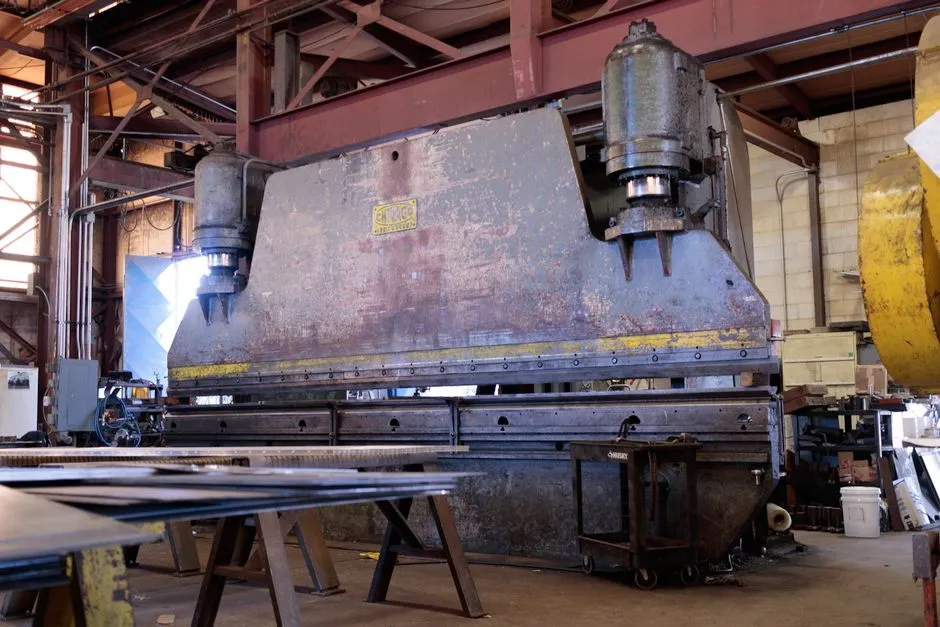
A head-to-head comparison helps defend a press choice in front of management; the table below consolidates cake dry solids, polymer demand, and CAPEX orientation for the four technologies prevalent in pharma ETP specifications. The screw press is the workhorse for variable, high-organic pharma sludge, with a 5–10% higher dewatering rate than plate-frame, belt, and centrifuge in pharma service per TA Filtration; the screw shaft is built from stainless steel with a wear-resistant coating, and the unit runs fully unmanned from feed to cake discharge with no manual cleaning between cycles. The plate-and-frame press is the high-dryness option, with HydropureWater units covering 1–500 m² of filtration area in manual, hydraulic, or PLC-automatic configurations. Belt presses and decanter centrifuges come in at lower CAPEX but deliver only 18–22% DS (belt) and 20–25% DS (centrifuge), and they typically feed a downstream plate-frame polish press when the cake is bound for incineration.
| Parameter | Screw Press | Plate-and-Frame Filter Press | Belt Press | Decanter Centrifuge |
|---|---|---|---|---|
| Cake dry solids (typical) | 22–28% DS | 25–35% DS | 18–22% DS | 20–25% DS |
| Polymer demand (kg/ton DS) | 3–6 kg CPAM | 3–8 kg CPAM | 5–10 kg CPAM | 4–8 kg CPAM |
| Filtration area / bowl size range | Ø 200–600 mm shaft | 1–500 m² (HydropureWater) | 0.5–3 m belt width | Ø 200–700 mm bowl |
| Operator exposure to cake | Low (enclosed) | Low (closed discharge) | Moderate (open belt) | Moderate (open chute) |
| CAPEX orientation (relative) | Medium | Medium–High | Low | Medium |
| Footprint (m² per m² filter area equiv.) | 0.3–0.6 | 1.0–1.4 | 0.4–0.8 | 0.3–0.5 |
| Best fit in pharma ETP | Variable feed, unmanned | Incineration cake, polish stage | Landfill cake, first-stage thickener | Landfill cake, first-stage thickener |
The polymer demand column in the table is the one procurement usually questions. Cationic polyacrylamide (CPAM) at 3–8 kg per ton dry solids is a significant operating cost, and on pharma sludge it is the difference between a press that runs at 28% DS and one that sticks at 22% DS with a glossy, hard-to-release cake. Where a HydropureWater plate and frame filter press is specified, the higher CAPEX is recovered against lower transport tonnage and lower incineration fees when the cake is bound for thermal disposal. OPEX exposure for the screw option is detailed in the screw press OPEX breakdown.
Plate-and-Frame Filter Press: Where It Fits in a Pharma ETP
Operating logic is straightforward: the feed pump—usually a progressing cavity or diaphragm pump—fills the plate pack at low pressure, pressure ramps to 6–15 bar as the cake forms against the filter cloth, the feed pump stops at terminal pressure, the hydraulic ram opens the plate pack one plate at a time, and the cake drops by gravity into a chute or conveyor. Cycle times of 1–4 hours are typical, and cake thickness of 25–50 mm is the lever a buyer specifies to balance cycle time against cake release dryness. The HydropureWater plate and frame filter press range covers 1–500 m² of filtration area, so a 50 m² unit is a sensible starting point for a mid-size formulation plant handling 2–4 tons dry solids per day, while a 200+ m² unit fits a continuous API or antibiotic facility.
Material and finish drive pharma suitability. Wetted parts in stainless steel (typically SS304 for non-corrosive streams, SS316L for chloride or solvent exposure) prevent iron leaching into the cake. A drip-free cake pan and wash-in-place capability on the cloth and plate pack prevent cross-batch API carryover—a frequent audit finding when the same press runs a beta-lactam campaign on Monday and a non-beta-lactam product on Wednesday. Automation tiers map directly to plant labor: manual for small batch plants with operator coverage, hydraulic for mid-size plants running one shift, and fully PLC-automatic for continuous API plants running 24/7 with no dedicated press operator. The PLC tier typically integrates with an automatic polymer dosing skid to keep the polymer-to-solids ratio stable across batch swings.
Polymer Conditioning and Cake Solids Targets
Polymer conditioning is where most pharma press underperformance originates. Typical cationic polyacrylamide dose for biological pharma sludge is 3–8 kg per ton dry solids, with the high end reached when MBR excess sludge is the feed and the low end when a thickened DAF float is the feed. The dose must track MLSS, SVI, and daily biological activity, which is the engineering justification for an automatic polymer dosing skid rather than a manual make-down tank. Cake dryness targets are set by the disposal route, not by what the press can theoretically deliver: 20–25% DS for landfill, 25–35% DS for incineration, and 35%+ DS if a paddle dryer is added downstream for volume reduction (per AS Engineers).
| Disposal route | Target cake DS | Typical CPAM dose (kg/ton DS) | Press preference |
|---|---|---|---|
| Landfill | 20–25% DS | 3–5 | Belt press or centrifuge |
| Incineration | 25–35% DS | 4–8 | Plate-and-frame (single stage) |
| Incineration + paddle dryer | 35%+ DS (after dryer) | 4–6 (press only) | Plate-and-frame polish after thickener |
| Compost / soil blend | 22–28% DS | 3–6 | Screw press |
Overdosing polymer is the most common operating mistake in pharma: the operator adds "just in case" to handle the next batch, the cake turns glossy and rubbery, and the press throughput falls because the filter cloth blinds. The right control is a streaming current detector or a simple jar test tied to the automatic polymer dosing skid, so dose tracks solids load rather than operator judgment.
Selection Decision Framework: Which Press for Your Plant
Four rules cover most pharma press selections. Rule 1: incineration is the final disposal route, so a plate-and-frame press is the right call for the highest cake DS and the lowest transport tonnage; match it to a high-efficiency sedimentation tank upstream for solids consolidation. Rule 2: high batch variability and limited operator coverage push the decision toward a screw press, which absorbs feed swings, runs unmanned, and keeps the operator out of API-laden cake handling. Rule 3: limited CAPEX with cake going to landfill or compost makes a belt press or centrifuge the first stage, with an optional plate-frame polish if the DS target rises. Rule 4: any solvent or VOC-bearing feed, including residual methanol, acetone, or toluene, requires a closed press enclosure, vapor capture to a scrubber or thermal oxidizer, and a verified ATEX zone classification for the press room before purchase. These four rules, applied to the actual batch profile and disposal contract, are usually enough to defend the press choice in a capital review.
Frequently Asked Questions
What is the typical CAPEX range for a plate-and-frame filter press in a pharma ETP?
The HydropureWater plate and frame filter press range spans 1–500 m² of filtration area across manual, hydraulic, and PLC-automatic configurations; a 50 m² mid-size unit for a formulation plant is the typical entry point, with a 200+ m² PLC-automatic unit suited to continuous API or antibiotic facilities.
How do API and solvent residues affect press selection for pharmaceutical sludge?
Frequently Asked Questions
Which type of sludge press is best for pharmaceutical wastewater?
The plate and frame filter press is generally considered the industry standard for pharmaceutical applications due to its ability to handle variable sludge compositions and achieve high solids capture. For facilities requiring continuous processing of high-volume biological sludge, multi-disk screw presses are increasingly preferred for their lower energy consumption and minimal odor emission compared to traditional belt presses.
What cake dry solids can a plate and frame filter press achieve for pharma sludge?
For typical pharmaceutical biological sludge, a recessed plate filter press can achieve cake dry solids concentrations ranging from 30% to 45%. When processing inorganic chemical sludge or primary sludge from pharmaceutical wastewater, solids content can exceed 50% depending on the feed pressure, which typically operates between 7 and 15 bar.
How much polymer is needed to condition pharmaceutical biological sludge before pressing?
Conditioning requirements for pharmaceutical biological sludge typically range from 3 to 8 kilograms of active polymer per dry ton of solids. The exact dosage depends on the sludge volume index (SVI) and the proportion of waste activated sludge (WAS) versus primary sludge, with higher concentrations of filamentous bacteria often necessitating the upper end of this range.
Can a screw press handle solvent-bearing or API-laden pharmaceutical sludge?
A standard screw press is generally unsuitable for sludge containing significant concentrations of solvents due to the risk of VOC emissions and material compatibility issues with seals and gaskets. If the sludge contains API residues, the press must be constructed from 316L stainless steel or higher-grade alloys and equipped with explosion-proof (ATEX-rated) motors and sealed containment systems to prevent cross-contamination and ensure compliance with environmental safety standards.
How do I size a filter press for an MBR-fed pharmaceutical ETP?
Sizing a filter press for an MBR-fed system requires calculating the daily sludge mass load based on the MBR's daily waste activated sludge production and the desired cycle time. A standard design factor is to assume a cake density of 1,100 to 1,200 kg/m3 and size the press volume to accommodate the total dry solids load at 35% cake dryness, typically incorporating a 20% safety margin to account for seasonal variations in MBR biological activity.