
Understanding ETP Due Diligence and Legacy Wastewater Liabilities in Acquisitions
The Indian Supreme Court's landmark ruling on May 1, 1995, ordered the immediate closure of dozens of tanneries lacking functional Effluent Treatment Plants (ETPs), establishing a global precedent for immediate regulatory shutdown of non-compliant industrial assets (source: Supreme Court of India historical records). For major corporations evaluating industrial acquisitions in 2026, understanding the technical and legal status of an on-site ETP—a facility engineered to clean industrial effluent for safe discharge or reuse—is a primary risk management requirement. Legacy wastewater liabilities refer to environmental contamination, unpermitted discharges, or structural non-compliance stemming from historical factory operations. If a multinational technology firm like Google acquires a hardware manufacturing, semiconductor assembly, or data-infrastructure-related industrial factory, the scale of operations introduces complex industrial waste streams. For instance, in manufacturing hubs like Dhaka, over 3,000 garment and industrial factories operate within dense basins, generating over 217 million cubic meters of wastewater annually—a figure projected to exceed 349 million cubic meters (source: MDPI Sustainability database). Failing to identify legacy liabilities prior to transaction closure can result in immediate regulatory shutdowns, severe financial penalties, and significant damage to corporate brand equity.
Phase 1: Initial Risk Screening and Documentation Review
Industrial project proponents are legally prohibited from commencing construction or operation without filing an Environmental Impact Assessment (EIA) and obtaining formal provincial approval under Section 12 of the Punjab Environmental Protection Act of 1997 (per Punjab EPA regulations). When executing the initial screening phase of an acquisition, buyers must utilize a complete ETP due diligence checklist to audit the target facility’s permits, discharge licenses, historical monitoring reports, and previous EIA filings. High-risk industrial sectors like textiles, leather tanning, and chemical processing require intense scrutiny. For example, textile effluents frequently contain a toxic cocktail of 10 heavy metals—including vanadium, molybdenum, zinc, nickel, mercury, lead, copper, chromium, cadmium, and arsenic (source: MDPI research)—which can leach into local groundwater. Historical compliance records must be cross-referenced against regulatory databases to identify outstanding notices of violation or unpaid environmental penalties. In some industrial zones, regulatory agencies issue fines of up to 1,000,000 BDT per violation (source: Bangladesh Department of Environment field data), which may indicate systemic operational failures rather than isolated incidents.
Phase 2: Technical Assessment of Existing ETP Infrastructure and Performance
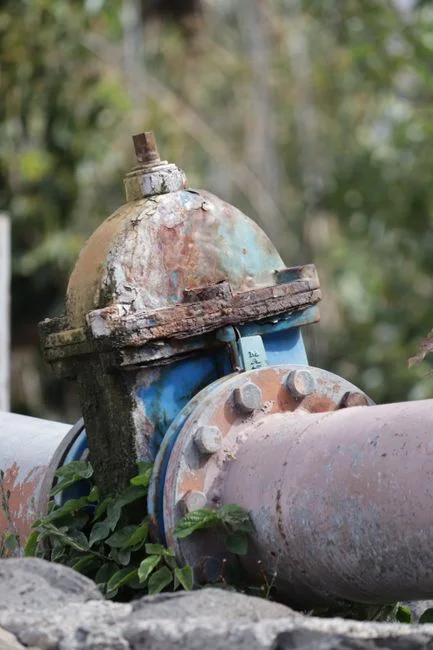
Industrial leather processing mills require ETP designs capable of managing highly variable hydraulic loads and high concentrations of chromium, sulfides, and organic matter, often requiring a baseline treatment capacity of 100 cubic meters per hour (source: Punjab EPD technical data). A physical on-site inspection must assess the structural integrity of biological aeration tanks, primary clarifiers, and piping networks to identify bypass risks or structural degradation. Engineering teams must compare the original design parameters against actual daily flow rates to determine if the system is operating beyond its hydraulic or organic loading capacity. For secondary biological treatment, systems such as the Activated Sludge Process (ASP) or Moving Bed Biofilm Reactor (MBBR) must be analyzed to ensure they can handle organic shock loads. To achieve stricter discharge limits, replacing conventional secondary clarifiers with an Integrated MBR membrane bioreactor system can eliminate suspended solids and pathogens. Acquirers must evaluate the efficiency of primary vs. secondary wastewater treatment stages to identify bypass risks and determine if a Zero Liquid Discharge (ZLD) model is feasible to eliminate downstream discharge liabilities entirely.
| Treatment Parameter | Activated Sludge Process (ASP) | Moving Bed Biofilm Reactor (MBBR) | Membrane Bioreactor (MBR) |
|---|---|---|---|
| Physical Footprint Required | Large (requires secondary clarifiers) | Medium (high biomass density) | Very Small (integrated membrane separation) |
| Organic Shock Load Resistance | Low to Moderate | High (carrier biofilm protection) | Very High (high MLSS concentration) |
| Effluent Total Suspended Solids (TSS) | 15 – 30 mg/L | 10 – 20 mg/L | < 1 mg/L (ultrafiltration barrier) |
| Operational Complexity & Automation | Moderate (sludge recycle control) | Low (self-regulating biofilm) | High (requires automated backwash/CIP) |
Phase 3: Regulatory Compliance and Legal Risk Assessment
The Bangladesh Environmental Conservation Act of 1995 mandates that all industrial facilities operating within designated industrial zones must install and continuously operate a certified ETP to maintain their environmental clearance certificate (source: Bangladesh Department of Environment). Acquirers face severe successor environmental liability when purchasing assets with unresolved historical pollution. Regulatory due diligence must verify if existing discharge permits will transfer seamlessly or if the change of ownership triggers mandatory technology upgrades. In some jurisdictions, regulatory oversight has historically been lax due to administrative backlogs, meaning a factory may have been issued a permit without a fully functioning treatment system. For example, while the Bangladesh Department of Environment issued 1,376 ETP installation permissions (source: DoE database), field audits show many systems are bypassed to save operating costs. If Google acquires such an asset, it must plan for immediate, capital-intensive upgrades to align with international standards, such as upgrading textile wastewater treatment in line with 2026 EU compliance frameworks.
Phase 4: Financial Quantification of Legacy Liabilities and Remediation Costs
Veralto’s $465 million acquisition of Cleanwater1 in late 2024 demonstrated how market valuations of industrial water assets are driven by municipal and industrial compliance technologies (source: H2O Global News). A common trap in M&A is underestimating the ongoing operational expenditure (OPEX) of compliance. In developing manufacturing hubs, operators often bypass treatment because paying a 1,000,000 BDT fine twice a year is significantly cheaper than the 13.3 million BDT annual OPEX required to run a standard 50 m³/h plant (source: MDPI research). This creates a hidden operational deficit for an acquirer like Google, which must maintain absolute legal compliance. To safely budget, the acquisition team must quantify the immediate capital expenditure (CAPEX) for equipment upgrades—such as installing HydropureWater automatic chemical dosing systems to optimize coagulant use—alongside long-term OPEX.
| Risk Category | Technical & Operational Impact | Estimated Cost Range (USD Equivalent) | Mitigation Action |
|---|---|---|---|
| Unresolved Past Fines | Historical non-compliance penalties from local environmental protection departments. | $15,000 – $100,000 per historical year | Incorporate direct indemnity clauses in the purchase agreement. |
| ETP CAPEX Upgrades | Replacing degraded aerators, installing MBR membranes, or adding chemical dosing units. | $150,000 – $850,000 (depending on capacity) | Deduct estimated upgrade costs directly from the final purchase price. |
| Annual Compliance OPEX | Ongoing costs for chemical consumables, electrical power, and certified operations staff. | $110,000 – $180,000 annually (for 50 m³/h capacity) | Optimize chemical consumption and automate system operations. |
| Sludge Handling & Disposal | Drying, testing, and transporting hazardous chemical sludge to certified landfills. | $200 – $500 per metric ton | Install high-pressure filter presses to reduce sludge volume by 60-70%. |
Mitigation Strategies and Post-Acquisition Integration
Survey data of industrial manufacturers indicates that approximately 70% of responding companies reported that ETP installation and initial capital layout were financially manageable when planned during the pre-acquisition phase (source: MDPI industry survey). Identifying liabilities during due diligence allows the acquirer to draft strategic transaction terms. Google can negotiate indemnities, set up escrow accounts, or demand purchase price adjustments based on quantified remediation costs. Post-acquisition, the integration team must execute immediate physical upgrades. Installing a high-efficiency Dissolved Air Flotation (DAF) system can rapidly clear high organic loads and suspended solids, stabilizing the ETP's performance. Implementing automated monitoring, regular internal audits, and certified sludge management protocols ensures the asset remains compliant and protected from future regulatory actions.
Frequently Asked Questions
What ETP due diligence is needed if Google acquires a factory with legacy wastewater liabilities?
The due diligence process must include an exhaustive historical compliance audit, a thorough review of existing environmental permits (such as those under the Punjab Environmental Protection Act 1997 or Bangladesh Environmental Conservation Act 1995), a physical on-site engineering assessment of the existing ETP's capacity, and a complete quantification of both capital expenditure (CAPEX) upgrades and operational expenditure (OPEX) liabilities.
How do you quantify the financial risk of an inadequate ETP?
Financial risk is quantified by calculating the cost of immediate structural remediation, estimating the capital required to upgrade the treatment technologies to meet local standards, projecting the true annual operational costs (which can exceed $110,000 USD for a standard 50 m³/h facility), and accounting for potential regulatory fines, which can reach 1,000,000 BDT per violation in some jurisdictions.
What regulatory frameworks govern industrial wastewater liabilities in acquisitions?
Industrial wastewater liabilities are governed by local and national environmental protection acts, such as the Bangladesh Environmental Conservation Act (1995) and the Punjab Environmental Protection Act (1997). Under these laws, successor liability often applies, meaning the buyer inherits the responsibility for past contamination and current non-compliance upon transfer of ownership.
What ETP technologies are relevant for remediating legacy industrial wastewater?
Key technologies include the Activated Sludge Process (ASP) and Moving Bed Biofilm Reactors (MBBR) for biological treatment, Dissolved Air Flotation (DAF) for oil and solids separation, and Membrane Bioreactors (MBR) for ultrafiltration. Implementing these systems allows factories to achieve strict discharge standards and transition toward Zero Liquid Discharge (ZLD) models.