Why UPM Acquisitions Need a Different ETP Due Diligence Playbook
UPM factory acquisition ETP due diligence requires an evaluation framework that recognizes the shift from legacy wastewater assets to modern 2030 sustainability targets, where COD reduction, water circularity, and zero process water discharge are baseline requirements. Acquired assets operating on 2001 or 2014 BREF standards face significant stranded asset risk under the 2026 regulatory climate. EU Industrial Emissions Directive Article 22(2) stipulates that any substantial change—including a change of ownership that triggers a permit review—requires an immediate reassessment against current BAT-AELs. Failure to align with the pulp/paper BREF BAT-AELs (COD 100–200 mg/L, BOD 10–30 mg/L, TSS 10–30 mg/L, AOX 0.1–0.5 kg/ADt, Total N 0.5–1.5 kg/ADt, and Total P 0.01–0.05 kg/ADt) creates a direct financial liability for the buyer.
Under the Finnish Environmental Protection Act (527/2014) Chapter 10, the current permit holder bears strict liability for historical contamination regardless of the original causation. A buyer inherits the 'polluter pays' obligation for legacy site conditions. Conventional Phase I/II Environmental Site Assessments often fail to detect critical liabilities, such as recalcitrant dissolved organics in groundwater, contaminated sediment accumulation in aeration basins, and the mobilization of heavy metals driven by residual chelating agents like DTPA and EDTA. These substances remain in the environment long after discharge, necessitating a forensics-based approach to quantify remediation costs before the deal closes.
Phase 1: Regulatory Gap Analysis — Permit Transfer vs. Re-permitting
The regulatory status of a target facility is determined by whether the existing permit is classified under the IED 2010/75/EU framework for Annex I activities (pulp/paper production > 20 tonnes/day) or if it remains under outdated national permit structures. Ownership changes typically trigger Article 21(3) reviews, requiring the facility to meet the most recent BAT conclusions. Any active Article 15(4) IED derogations—which allow for temporary deviations based on technical impossibility or disproportionate cost—are non-transferable and expire upon permit reassessment. The due diligence team must quantify the CAPEX required to bridge the gap between current ELVs and 2026 BAT-AELs immediately upon acquisition.
| Regulatory Metric | BAT-AEL Standard (2026) | Risk Factor |
|---|---|---|
| COD (mg/L) | 100–200 | Legacy systems often operate at 300+ |
| AOX (kg/ADt) | 0.1–0.5 | Requires advanced oxidation pre-treatment |
| Total P (kg/ADt) | 0.01–0.05 | Requires tertiary chemical precipitation |
| Permit Status | Active IED | Transfer triggers Article 21(3) review |
Phase 2: Forensic Contaminant Profiling — Beyond Standard Parameters
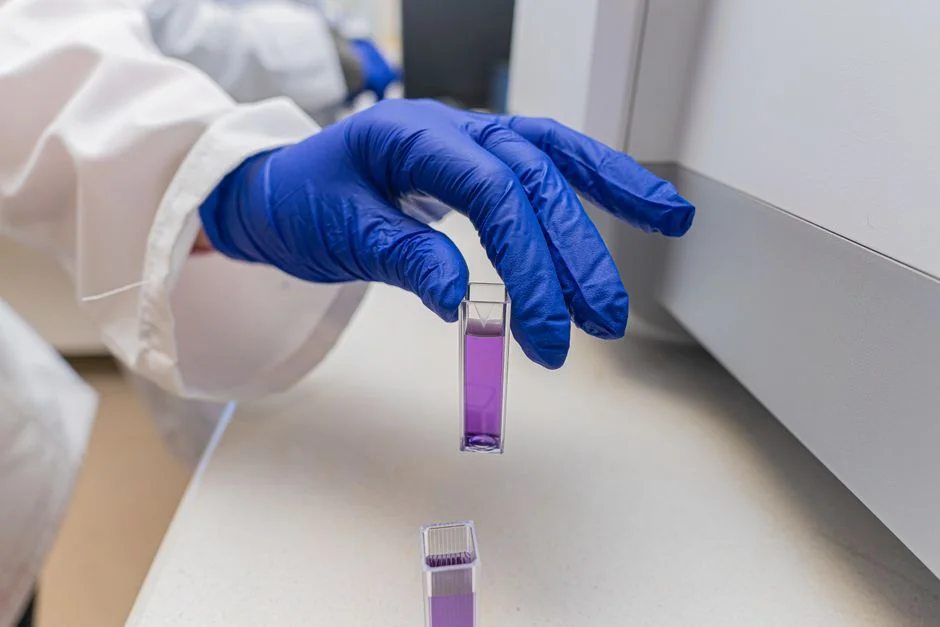
Standard wastewater parameters like BOD, COD, and TSS are insufficient to assess the liability of a pulp and paper facility, as they mask the presence of recalcitrant pulp-specific pollutants that inhibit biological treatment. Forensic profiling must target Adsorbable Organic Halides (AOX) and chlorinated phenolics (such as 2,4,6-TCP and 2,3,4,6-TeCP), which are indicators of legacy elemental chlorine or ECF bleaching processes. Resin and fatty acids (e.g., abietic and dehydroabietic acid) present toxicity to aquatic life at concentrations as low as 0.1 mg/L and can cause severe inhibition of biological treatment stages at concentrations exceeding 50 mg/L.
The forensic sampling strategy must include sediment cores from equalization basins, aeration tanks, and final clarifiers at depths of 0–2 meters to identify accumulated chlorinated organics. Additionally, the presence of chelating agents like DTPA and EDTA must be quantified; these substances mobilize heavy metals in soil and sludge, complicating disposal and remediation. Lignin derivatives, characterized by a COD/BOD ratio > 3, are largely non-biodegradable and drive the need for advanced oxidation processes (AOP) or activated carbon to meet discharge standards.
| Contaminant Class | Threshold of Concern | Primary Impact |
|---|---|---|
| AOX | > 0.5 kg/ADt | Requires AOP/GAC treatment |
| Resin Acids | > 50 mg/L | Biological system inhibition |
| DTPA/EDTA | > 5 mg/L | Heavy metal mobilization in sludge |
| Lignin Derivatives | COD/BOD ratio > 3 | High color, low biodegradability |
Phase 3: Liability Quantification — From Contaminant Data to Euro Figures
Translating technical forensic data into financial risk requires a calculation of remediation costs, permit upgrade CAPEX, and risk-adjusted escrow structuring. Sediment dredging of contaminated fiber sludge typically incurs costs of €150–400/m³, depending on the concentration of AOX and heavy metals. For groundwater remediation, pump-and-treat systems utilizing GAC and AOP require operational expenditure of €50–150/m³ treated. The total CAPEX for a 5,000 m³/day BAT-aligned retrofit—including an MBR system for recalcitrant COD and AOX removal, ozone AOP, and GAC polishing—is estimated between €3.5M and €7M.
Financial models must account for an OPEX uplift of €0.8–1.5/m³ compared to conventional treatment, driven by energy consumption (0.8–1.2 kWh/m³) and ozone generation (15–25 g O₃/m³). When negotiating the sale, the remediation provision should be calculated as (Remediation CAPEX × 1.3 contingency) + (3 years OPEX × 1.2) + Permit Upgrade CAPEX. This figure should be placed in an escrow holdback account to protect the buyer from latent liabilities discovered during the first 36 months of operation.
| Remediation/Upgrade Item | Estimated CAPEX (5k m³/d) | Risk/Contingency Multiplier |
|---|---|---|
| Sediment Dredging/Disposal | €150–400/m³ | 1.5x (due to hazardous classification) |
| MBR Retrofit | €1.8–3.5M | 1.2x (integration complexity) |
| AOP/Ozone System | €0.8–1.5M | 1.1x |
| GAC Polishing | €0.4–0.8M | 1.1x |
Phase 4: BAT-Aligned Treatment Selection Matrix for Legacy Contaminants

The treatment train selection is dictated by the chemical signature of the effluent, specifically the ratio of biodegradable to recalcitrant COD. If AOX exceeds 0.5 kg/ADt, the facility requires ozone-based AOP pre-treatment. If resin acids are present at levels > 50 mg/L, the DAF for resin/fatty acid removal upstream of biological treatment is mandatory to prevent biomass washout. For final sludge management, if AOX exceeds 1% of dry solids, a filter press for AOX-laden sludge dewatering to 25–35% DS is required to meet thermal disposal standards, as belt presses typically fail to achieve the necessary dryness and containment.
Automation is necessary; the integration of an PLC-controlled dosing for pH, coagulation, and AOP chemical management is critical for maintaining compliance with strict BAT-AELs. Without real-time monitoring of COD and AOX proxies (such as UV254), the risk of permit exceedance during production surges remains high.
| Technology Train | Best For | Estimated CAPEX |
|---|---|---|
| Conventional (MBBR) | Low recalcitrant load | €2.5M |
| BAT-Aligned (MBR+AOP+GAC) | High AOX/Recalcitrant load | €5.5M |
| ZLD-Ready (Option B + RO/Evap) | Water scarcity zones | €12–18M |
Integration Roadmap: From Signing to BAT Compliance
The integration timeline requires strict adherence to regulatory gates. Between signing and Month 3, the buyer must notify the local ELY Centre of the permit transfer and install a baseline monitoring program. Months 3–12 are dedicated to the detailed engineering design and procurement of long-lead items like membrane modules and ozone generators. Construction and installation should be scheduled during planned facility shutdowns between Months 12 and 24. The optimization period follows, focusing on biological acclimation to the recalcitrant fraction and tuning the AOP dose, leading to the final permit variation application at Month 30 once 12 months of compliant data are available. This phased approach minimizes exposure to penalties while ensuring the facility is fully aligned with UPM’s internal sustainability KPIs.
Frequently Asked Questions
Does UPM need to upgrade the ETP immediately after acquisition?
The IED Article 22 requires a permit reassessment upon ownership change. While the Finnish ELY Centre typically grants a 24–36 month window for infrastructure upgrades if a compliant plan is submitted within 6 months, the facility must maintain interim compliance. Immediate upgrade is not mandatory, but the legal and enforcement risk begins on the closing date.
What is the difference between AOX and specific chlorophenol analysis?
AOX is a bulk parameter measuring all adsorbable organohalogens, which is the primary metric for BAT-AEL compliance. Chlorophenols are specific toxic congeners that provide forensic insight into the historical bleaching process. Both must be measured; AOX for regulatory reporting and chlorophenols for defining the specific treatment requirements of the legacy sludge and wastewater.
Can we use the existing activated sludge plant with just tertiary add-ons?
Only if the biodegradable COD fraction is > 60% of the total and AOX is < 0.3 kg/ADt. Most legacy pulp mills contain 40–50% recalcitrant COD, which renders standard activated sludge plants incapable of meeting modern BAT standards. An MBR or MBBR system coupled with AOP is the minimum requirement for most pulp and paper applications.
How do we value the liability for purchase price adjustment?
Liability should be quantified by an independent engineer using the formula: (Remediation CAPEX × 1.3) + (3 years OPEX × 1.2) + Permit Upgrade CAPEX. The resulting figure, typically ranging between €5M and €15M for a medium-sized mill, should be structured as an escrow holdback rather than a direct reduction in the purchase price to ensure funds are available for the actual remediation.
What if the target has a valid derogation under IED Article 15(4)?
Derogations granted under Article 15(4) are site-specific and non-transferable. Upon the permit review triggered by the ownership change, these derogations lapse. The buyer must assume full BAT compliance will be required and should budget for the necessary technology upgrades immediately.