
Japan's 2026 Textile Effluent Regulatory Baseline
Japan’s Water Pollution Control Law mandates strict national discharge limits for textile facilities, requiring COD ≤160 mg/L, BOD ≤120 mg/L, SS ≤200 mg/L, and n-hexane extracts ≤5 mg/L, with a pH range of 5.8-8.6. Prefectural ordinances frequently impose tighter constraints, such as the Tokyo Metropolitan Ordinance, which demands COD ≤80 mg/L and color ≤200 ADMI for discharge into river systems feeding Tokyo Bay. Osaka Prefecture further regulates discharge by adding total nitrogen (T-N) limits of ≤120 mg/L and total phosphorus (T-P) limits of ≤10 mg/L. Beyond discharge, the Ministry of Land, Infrastructure, Transport and Tourism (MLIT) guidelines now mandate that new or expanded facilities in designated water-stressed basins, including the Arakawa, Yodo, and Chikugo, achieve a minimum water reuse rate of 50%. The 2023 revision of the METI Textile Industry Wastewater Management Guidelines recommends a target of color ≤100 ADMI for direct discharge into sensitive ecological waters. Non-compliance carries severe institutional risks, with fines reaching up to ¥100M and mandatory public disclosure of violators required under the 2024 amendment to the law.
| Parameter | National Standard | Tokyo Metropolitan (Sensitive) |
|---|---|---|
| COD (mg/L) | 160 | 80 |
| BOD (mg/L) | 120 | 60 |
| SS (mg/L) | 200 | 100 |
| Color (ADMI) | N/A | 200 |
| pH | 5.8-8.6 | 5.8-8.6 |
Textile Wastewater Pollutant Profile: Japan Mill Survey Data
Data from a 2024 Japan Textile Federation survey (n=47 mills) confirms that effluent characteristics vary significantly based on the specific wet-processing stage and fiber type. Synthetic fiber dyeing and finishing operations typically generate high-strength wastewater with COD levels between 800-2500 mg/L and color intensity ranging from 1000-5000 ADMI. Cotton-based towel and denim production facilities report COD of 500-1500 mg/L, often accompanied by high sulfide concentrations due to sulfur dyes and TSS levels peaking at 400 mg/L. Wool and silk scouring processes exhibit the highest organic loading, with COD reaching 5000 mg/L and high concentrations of lanolin and fats (FOG 200-500 mg/L). Heavy metal concentrations, specifically chromium (0.5-5 mg/L), copper (0.2-3 mg/L), and zinc (1-10 mg/L), are common in metal-complex dye effluents and necessitate chemical precipitation before biological treatment. Additionally, dyeing electrolytes contribute to a high TDS load of 2000-8000 mg/L, which requires careful management if downstream RO reuse is implemented to avoid rapid membrane scaling.
| Industry Type | COD (mg/L) | BOD (mg/L) | Color (ADMI) | TSS (mg/L) |
|---|---|---|---|---|
| Synthetic Dyeing | 800-2500 | 400-1200 | 1000-5000 | 100-300 |
| Towel/Denim | 500-1500 | 300-800 | 500-2000 | 150-400 |
| Wool/Silk Scouring | 2000-5000 | 1000-2500 | N/A | 200-600 |
Technology Comparison: MBR vs DAF vs Hybrid for Japanese Constraints
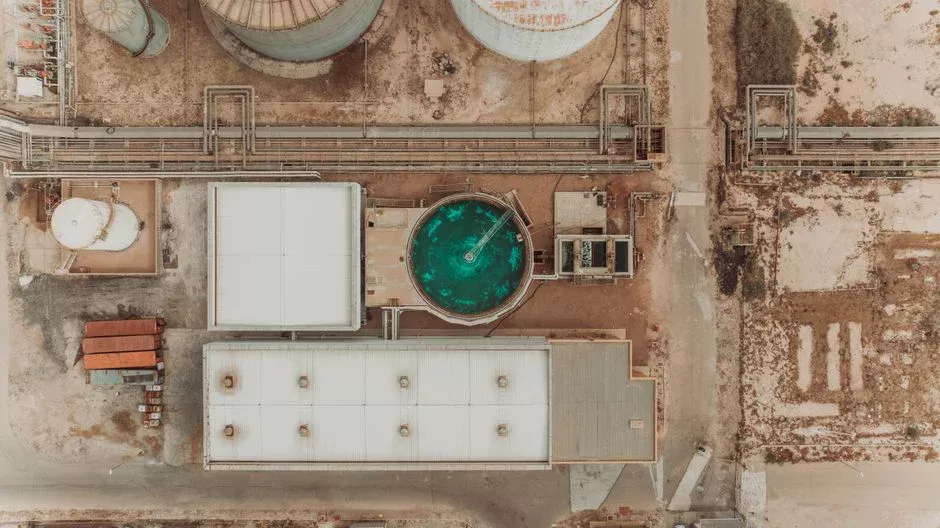
The integration of a submerged PVDF MBR system for textile water reuse provides a 95-98% COD removal rate and 85-95% color reduction within a footprint of 0.5-1.2 m²/m³/day. These systems provide the necessary efficiency to meet stringent regional discharge requirements. For facilities managing high solids or colloidal loads, the DAF for textile dye/fiber removal is essential, achieving 92-97% TSS removal and 70-85% color reduction when paired with 20-50 mg/L PAC and 1-2 mg/L PAM dosing. A hybrid DAF+MBR configuration is the current industry benchmark for Japanese mills, as the DAF protects the MBR from fiber-induced fouling, reducing the overall footprint by 40% compared to conventional activated sludge systems. Seismic resilience is a critical procurement requirement in Japan; MBR frames must be rated per JIS K 7201 to ensure structural integrity during seismic events. While conventional activated sludge requires 2.5-4 times the footprint of MBR and fails to meet color targets without expensive tertiary ozone or activated carbon polishing, the hybrid approach allows for consistent, high-quality effluent suitable for industrial reuse.
| Feature | DAF | MBR | Hybrid DAF+MBR |
|---|---|---|---|
| Footprint | 1.5-3 m²/m³/h | 0.5-1.2 m²/m³/d | 1.0-1.8 m²/m³/d |
| COD Removal | 30-50% | 95-98% | 98%+ |
| TSS Removal | 92-97% | 99%+ | 99%+ |
| Primary Use | Pretreatment | Polishing/Reuse | Complete Reuse |
Equipment Specification Checklist for 2026 Procurement
Procurement specifications for 2026 must align with Japanese building and safety standards to ensure long-term operational viability. MBR modules should utilize PVDF flat-sheet membranes (DF series) with a 0.1 μm pore size, certified under JIS K 7222, and designed to meet seismic Category S requirements as defined by the Building Standard Law. DAF systems must comply with JIS B 8210 for pressure vessel safety, utilizing SUS304/316L construction and saturated pressure ranges of 0.3-0.5 MPa. Chemical management requires a PLC-controlled coagulant dosing for DAF/MBR, featuring SUS316 wetted parts and flow-paced logic to ensure precise reagent application per JIS K 1401. Sludge management should prioritize a plate-frame filter press capable of achieving ≥20% cake solids, with all performance testing conducted per JIS K 0097. Finally, all instrumentation must meet JIS K 0102 standards, with data loggers providing 5-year retention for prefectural reporting and Modbus/TCP connectivity for local SCADA integration.
CAPEX/OPEX Decision Framework: Three Mill Archetypes
Decision-making for 2026 upgrades relies on balancing regulatory compliance with utility savings. For an urban dyeing mill processing 500 m³/day, a DAF+MBR+RO configuration entails a CAPEX of ¥180-250M, with annual OPEX of ¥18-25M—offset by water savings of ¥12-15M/yr, resulting in an 8-12 year payback. Suburban towel mills (1000 m³/day) focusing solely on discharge compliance utilize DAF+extended aeration+sand filtration for a lower CAPEX of ¥120-160M and OPEX of ¥15-20M/yr. Wool scouring facilities (300 m³/day) benefit from anaerobic integration, where DAF+UASB+MBR systems turn high organic loads into biogas, offsetting 30-40% of energy costs and potentially generating ¥2-3M/yr in carbon credits. SMEs should verify eligibility for the METI 'Advanced Water Treatment Equipment Subsidy', which covers 1/3 of the CAPEX for MBR/RO systems during the April-September 2026 application window.
| Mill Archetype | CAPEX (¥) | OPEX (¥/yr) | Primary Driver |
|---|---|---|---|
| Urban Dyeing (500m³/d) | 180-250M | 18-25M | Water Reuse |
| Suburban Towel (1000m³/d) | 120-160M | 15-20M | Compliance |
| Wool Scouring (300m³/d) | 150-200M | 12-18M | Biogas/Energy |
Frequently Asked Questions
What are the 2026 COD/color discharge limits for textile factories in Tokyo?
Textile factories discharging into river systems connected to Tokyo Bay must adhere to the Tokyo Metropolitan Ordinance, which mandates a COD limit of ≤80 mg/L and a color limit of ≤200 ADMI.
Can MBR handle high-temperature dyeing wastewater (45°C)?
Yes, provided the system uses thermotolerant biomass capable of sustained operation at 35-40°C. PVDF membranes are rated for 50°C continuous operation, though cooling pretreatment is recommended to protect downstream biological activity.
Is DAF required before MBR for textile effluent?
DAF is strongly recommended as a pretreatment step. It removes 92-97% of fibers and colloidal matter that cause irreversible membrane fouling, effectively extending the chemical cleaning interval from 30 days to over 90 days.
What sludge disposal route applies to textile MBR waste sludge in Japan?
Dewatered cake with ≥20% total solids must be sent to a licensed industrial waste processor. Quarterly heavy metal leaching tests per JIS K 0058 are required to categorize the waste for disposal.
Are there Japanese subsidies for textile ZLD systems in 2026?
Yes, the METI subsidy covers up to 1/3 of CAPEX for MBR+RO zero liquid discharge (ZLD) systems for qualifying SMEs. Applications are processed through local prefectural commerce bureaus during the April-September window.