What Plastics & Rubber Wastewater Actually Looks Like in Statesboro
Plastics extrusion and rubber compounding operations in Bulloch County generate complex, high-strength wastewater streams that frequently challenge standard gravity treatment. Based on 2026 industry field data, typical effluent from these facilities exhibits a distinct fingerprint: FOG levels range from 200 to 800 mg/L, driven by mineral oil and silicone-based mold release agents, while TSS concentrations fluctuate between 300 and 1,200 mg/L due to polymer fines, carbon black, and mineral fillers. Because these wastewater streams often include cooling water blowdown at temperatures of 35-55°C, gas solubility is reduced by 15-20%, requiring DAF recycle ratios to be increased by 10-15% compared to ambient-temperature designs.
Rubber compounding adds specific chemical hurdles, including zinc stearate (50-200 mg/L), sulfur (20-80 mg/L), and vulcanization accelerators like MBT or TBBS (5-30 mg/L). These compounds act as surfactants or chelating agents that inhibit particle agglomeration and resist gravity settling. Facilities must navigate the City of Statesboro Sewer Use Ordinance (Sec. 78-42), which sets strict daily maximums: FOG at 100 mg/L, TSS at 250 mg/L, COD at 600 mg/L, and zinc at 2.0 mg/L. pH fluctuations from cleaning cycles (6.0-9.0 range) necessitate robust equalization and automated neutralization before primary separation.
| Contaminant | Typical Extrusion/Rubber Range | Statesboro Sewer Limit |
|---|---|---|
| FOG | 200–800 mg/L | 100 mg/L |
| TSS | 300–1,200 mg/L | 250 mg/L |
| COD | 1,500–4,000 mg/L | 600 mg/L |
| Zinc | 50–200 mg/L (rubber) | 2.0 mg/L |
| pH | 6.0–10.0 | 6.0–9.0 |
DAF vs Lamella Clarifier: Head-to-Head for This Waste Stream
Selection between a DAF system and a clarifier for plastics and rubber wastewater hinges on the physical state of the contaminants. DAF units, such as the DAF system (4-300 m³/h, 304SS, microbubble generator), utilize 30-50 µm microbubbles to achieve 92-98% FOG removal, whereas standard gravity clarifiers typically struggle with emulsified oils, achieving only 60-75% efficiency. For polymer colloids, DAF systems require significantly lower chemical dosing; using cationic polymer at 2-5 ppm achieves 85-95% TSS removal, while a lamella clarifier often demands 8-15 ppm of polymer plus coagulant to reach 70-85% removal efficiency.
Gravity-based systems excel when heavy inorganic filler loads dominate. A lamella clarifier (20-40 m/h surface loading, 30% chemical reduction) handles high-density solids like silica or heavy carbon black more effectively, with surface loading rates designed for 500-2,000 mg/L of settleable solids. While DAF systems offer a smaller footprint—a 150 GPM unit typically requires a 12-foot diameter tank—they carry higher operational costs due to the air compressor and recycle pump, consuming 1.8-2.5 kWh/1,000 gal. Lamella clarifiers are gravity-fed and consume only 0.3-0.5 kWh/1,000 gal, though their higher chemical demand and larger footprint (often 8x12 ft rectangular) must be factored into total cost of ownership.
| Metric | DAF System | Lamella Clarifier |
|---|---|---|
| FOG Removal | 92–98% | 60–75% |
| TSS Removal | 85–95% | 70–85% |
| Power (kWh/1k gal) | 1.8–2.5 | 0.3–0.5 |
| Polymer Dose | 2–5 ppm | 8–15 ppm |
| Primary Application | FOG, light polymers, colloids | Heavy fillers, inorganic solids |
Why Most Statesboro Facilities Need a Hybrid Train (DAF → Lamella)
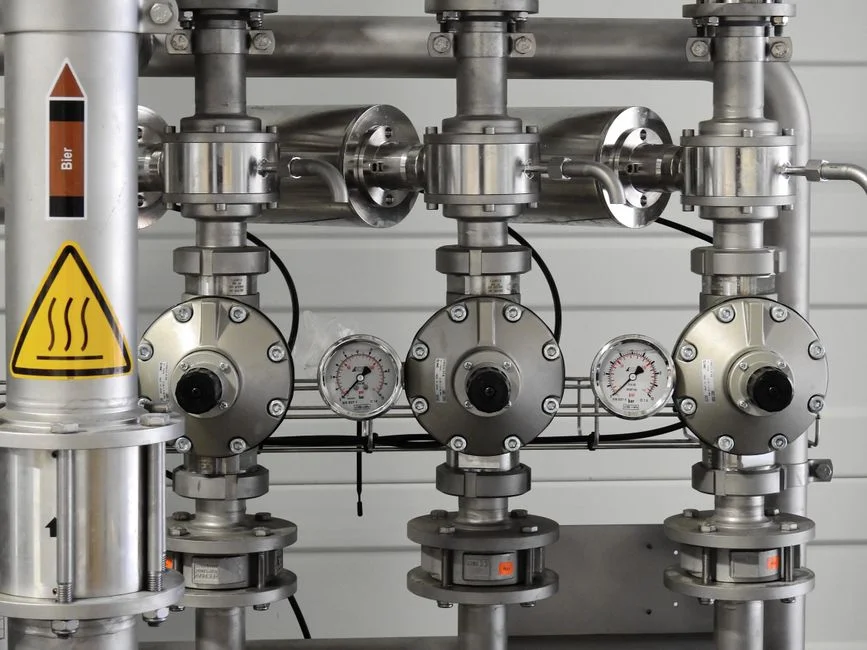
Integrated treatment trains are the most reliable strategy for Statesboro facilities to maintain consistent compliance with local sewer ordinances. The optimal configuration places a DAF as the primary stage to strip 95% of oils, 85% of polymer colloids, and 60% of the COD load. By removing the bulk of the FOG and light colloids first, the downstream lamella clarifier (20-40 m/h surface loading, 30% chemical reduction) can operate as a polishing step for bio-floc or remaining heavy settleable solids, reducing the final effluent TSS to below 50 mg/L.
This hybrid approach lowers chemical expenditures. Because the DAF removes the primary interfering surfactants, the PLC-controlled chemical dosing for coagulant/polymer optimization requires 60-70% less polymer to achieve effective secondary settling in the clarifier. For a 150 GPM extrusion plant, a DAF-150 paired with a 12-plate lamella clarifier typically fits within a 40x60 ft pad, with a total installed CAPEX of approximately $280,000 for 304SS construction. For smaller facilities with flows ≤66 GPM, a pre-assembled COMPACT DAF unit provides a turnkey, PLC-controlled solution that avoids the need for extensive field integration.
2026 CAPEX/OPEX Bands for US Southeast Installations
Capital investment for wastewater infrastructure in the Southeast is driven by material costs for 304SS and the complexity of integration. A skid-mounted DAF, including the microbubble generator, recycle pump, and control panel, ranges from $85,000 for 50 GPM to $360,000 for 300 GPM. Field-erected systems generally increase these figures by 35-45% due to labor and site-specific fabrication requirements. Lamella clarifiers offer a lower entry point, costing 40-50% less per GPM than DAF systems, though their higher long-term chemical consumption impacts the total OPEX.
Annual operational costs for a 150 GPM hybrid train are estimated at $45,000-$60,000, accounting for energy, labor, and chemical pricing of $3.20-$4.50/lb for cationic emulsions. The ROI for a hybrid system versus a clarifier-only setup is typically realized in 1.8-2.5 years, driven by the reduction in polymer consumption and the avoidance of municipal surcharges for exceeding FOG or TSS limits.
| Capacity | Skid DAF (CAPEX) | Lamella Clarifier (CAPEX) |
|---|---|---|
| 50 GPM | $85k–$110k | $45k–$60k |
| 150 GPM | $160k–$210k | $90k–$130k |
| 300 GPM | $280k–$360k | $160k–$220k |
3-Question Decision Checklist for Your Facility
- Is your FOG consistently >100 mg/L or do you use silicone/mineral oil mold release? If yes, a DAF is a mandatory primary treatment stage to prevent downstream fouling and meet local sewer limits.
- Does your discharge go to City of Statesboro sewer or direct NPDES? Sewer discharge allows for higher thresholds, but the 100 mg/L FOG limit is strict; NPDES permits often mandate <30 mg/L FOG and TSS, requiring a hybrid train plus potential tertiary filtration.
- Is your facility footprint constrained to <2,000 sq ft? If yes, a skid-mounted DAF combined with a vertical lamella clarifier provides the highest treatment density, fitting within a 40x30 ft footprint that field-erected systems cannot match.
Frequently Asked Questions
Can a DAF handle the high temperature (50°C) from plastics cooling water blowdown?
Yes, DAF systems are rated for operation up to 60°C. However, because air solubility decreases at higher temperatures, you must increase the recycle ratio by 15% and consider installing a 316SS heat exchanger on the recycle loop to ensure stable microbubble formation.
What polymer works best for rubber wastewater with zinc stearate?
High-charge-density cationic emulsion polymers (40-50% charge density) at 3-5 ppm are typically required post-DAF. Zinc stearate frequently chelates with anionic polymers, making standard wastewater polymers ineffective; on-site jar testing is essential to confirm the specific polymer chain length required for your facility's blend.
Does GA EPD require pilot testing before permit approval?
For new major sources discharging over 50,000 GPD, GA EPD typically requires process validation. A 30-day on-site pilot study using a 48 GPM pilot skid is the industry standard to establish the removal kinetics for your specific waste stream and ensure the system design meets permit conditions.