Plate Frame Filter Press Cost Price: 2025 B2B Pricing & ROI Guide
The cost price of a plate frame filter press ranges from $19,058 for a used 470mm model to over $100,000 for new 150 Cu. Ft. units. New industrial models (1–500 m²) average $500–$700 per m², with automatic systems costing 25–40% more than manual ones. Material (304 vs 316 stainless steel) and hydraulic pressure (1.0–2.0 MPa) significantly impact final pricing.
What Determines Plate Frame Filter Press Cost?
Filter area, measured in square meters (m²), is the primary factor influencing plate frame filter press cost. Larger filter areas require more plates and frames, increasing material and manufacturing expenses. New units range from approximately $500/m² for smaller capacities (1–10 m²) to $650/m² for larger industrial models (100–500 m²), providing a standardized way to compare core capacity.
Automation level significantly affects final cost, with a 25–40% premium for automated systems. A manual 100 m² filter press may cost around $50,000, while a hydraulic version of the same size could cost $68,000 and a fully automatic PLC-controlled system up to $85,000. The added complexity and control systems reduce labor requirements.
Material grade is another key cost driver. Standard 304 stainless steel frames cost about 12% less than 316 stainless steel, which is often required for handling corrosive sludge due to its higher nickel and molybdenum content and superior corrosion resistance.
Hydraulic pressure rating influences both performance and cost. Systems operating at 1.0–2.0 MPa achieve drier cake solids and require more robust plate and frame designs, increasing overall cost by 8–15%. Plate thickness (typically 45–60mm) and frame design also affect cycle times, cake washing efficiency, and maintenance frequency.
For detailed specifications and available models, explore our fully automatic plate frame filter press with 1–500 m² options.
New vs Used vs Rental: Total Cost of Ownership Compared
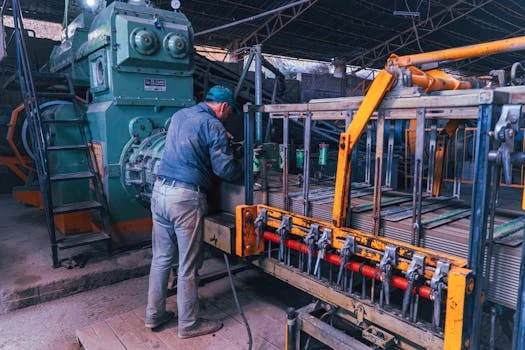
New, used, and rental options each present distinct trade-offs between upfront investment, maintenance, and operational efficiency. Used filter presses typically sell for 40–60% of the price of new units. A 150 Cu. Ft. used press may cost $82,650, while a new equivalent can exceed $140,000. This initial saving must be weighed against potential long-term costs.
Industry data indicates used equipment may incur 30% higher maintenance costs and have a 15% shorter operational lifespan than new machinery, often due to wear on seals, plates, and hydraulic systems that may not be visible at purchase.
Rental provides flexibility for short-term needs, emergencies, or pilot projects. Monthly rates for 100–200 m² units range from $2,500–$5,000. While avoiding large capital outlays, rentals represent an ongoing expense that accumulates over time.
New equipment delivers a stronger return on investment through reduced labor, higher cake dryness (25–35% dry solids vs. 18–22% on older units), and lower sludge disposal costs. Payback periods for new presses typically fall between 14–22 months.
New filter presses retain 60–70% of their original value after five years, compared to used units that may retain only 30–40% of their purchase price.
| Scenario | Initial Cost (Est.) | Monthly Operating Cost (Est.) | Estimated Lifespan | Total Cost (3 Years) | Key Advantages | Key Disadvantages |
|---|---|---|---|---|---|---|
| New Filter Press (100 m²) | $80,000 | $1,500 (Maintenance & Consumables) | 15+ Years | $122,000 | Highest efficiency, lowest downtime, full warranty, latest technology | Highest initial CAPEX |
| Used Filter Press (100 m²) | $45,000 | $2,500 (Higher Maintenance & Consumables) | 10-12 Years | $135,000 | Significant upfront savings | Higher maintenance risk, shorter lifespan, potential for hidden issues |
| Rental Filter Press (100 m²) | $0 (Deposit may apply) | $3,500 (Rental Fee) | N/A (Flexible) | $126,000 | No CAPEX, flexible for short-term needs, immediate deployment | No asset ownership, ongoing cost, availability can be an issue |
For a comprehensive comparison of sludge dewatering technologies and their ROI, explore our article on Sludge Dewatering System Manufacturer: Top 5 Technologies & ROI Data 2025.
2025 Market Pricing by Size and Capacity
Current market pricing for plate frame filter presses varies by size, capacity, and origin, providing key benchmarks for procurement decisions. These figures help identify pricing outliers and support more effective negotiations.
Small-scale and laboratory units, typically ranging from 1–10 m², are priced between $5,000–$7,000. These are ideal for pilot testing or niche applications with low throughput.
For small industrial operations requiring moderate dewatering, hydraulic models with capacities of 20–50 m² generally fall within the $28,000–$42,000 range.
Mid-size plants often opt for 100 m² automatic presses, which are priced between $70,000–$90,000. These units offer a good balance of capacity, automation, and cost-effectiveness.
At the larger end of the spectrum, fully automated systems with capacities of 200–500 m², suitable for municipal or large industrial applications, can range from $120,000 to $350,000, depending on specific features and customization.
Geographical origin affects pricing. Chinese-manufactured filter presses with equivalent specifications typically cost 18–25% less than US or European models, a key factor in CAPEX planning.
| Capacity (m²) | Type | Price Range (USD) | Typical Application | Origin Impact (vs. US/EU) |
|---|---|---|---|---|
| 1–10 | Manual/Small Hydraulic | $5,000 – $7,000 | Lab, Pilot, Small Batch | N/A (Smaller scale) |
| 20–50 | Hydraulic | $28,000 – $42,000 | Small Industrial | -18% to -25% for Chinese |
| 100 | Automatic PLC | $70,000 – $90,000 | Mid-size Plants | -18% to -25% for Chinese |
| 200–500 | Fully Automated | $120,000 – $350,000 | Municipal, Large Industrial | -18% to -25% for Chinese |
How Automation and Materials Impact Final Price
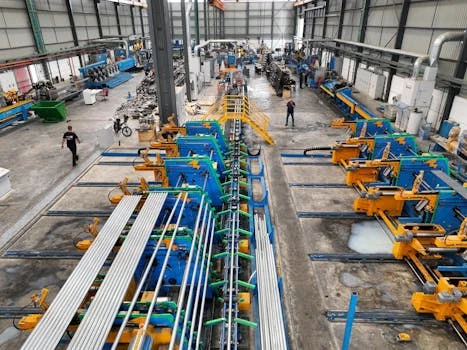
Automation and material selection directly influence both initial price and long-term operating costs. Fully automatic, PLC-controlled models can reduce labor needs by up to 70%. In a three-shift facility, this can result in annual labor savings of $28,000, improving ROI despite higher upfront costs.
Material grade affects cost and durability. 316 stainless steel increases initial cost by about 12% compared to 304 stainless steel but can extend equipment life by 40% in corrosive sludge environments, reducing replacement and downtime costs.
Filter media and plate durability also impact total cost. Polypropylene filter membranes last 3–5 years under normal conditions, while stainless steel plates can last 8–12 years with proper maintenance.
High-pressure systems (2.0 MPa) achieve 30–35% dry solids, compared to 20–25% at 1.0 MPa. Higher dryness reduces sludge volume by up to 30%, cutting transportation and disposal expenses.
Premium features like automated plate shakers and membrane squeezing can add $8,000–$15,000 to system cost but improve cycle times and dewatering efficiency.
For optimal equipment longevity and performance, consult our industrial maintenance protocol to reduce downtime and extend filter press life.
Frequently Asked Questions
What is the average cost of a 100 m² plate frame filter press?
A new 100 m² plate frame filter press typically costs between $70,000 and $90,000. A used unit of similar capacity can range from $45,000 to $55,000.
How much cheaper are Chinese-made filter presses?
Chinese-manufactured filter presses with comparable specifications are generally 18–25% less expensive than those produced in the US or Europe.
Do used filter presses come with warranties?
Used filter presses usually have limited warranties of 3–6 months, while new units typically include 1–2 year warranties.
What maintenance costs should I expect annually?
Annual maintenance costs generally range from 8–12% of the initial purchase price, covering spare parts and labor.
Can I finance a plate frame filter press?
Yes, many suppliers offer financing options, including leasing agreements for 24–60 months with interest rates around 5–7% APR.