Why Filter Press Maintenance Prevents Costly Downtime
Unplanned downtime in industrial facilities can be financially devastating, with average costs reaching approximately $260,000 per hour. For operations relying on efficient sludge dewatering, a malfunctioning plate frame filter press isn't just an inconvenience; it's a direct threat to productivity and profitability. Neglecting regular maintenance leads to a cascade of operational inefficiencies. Sludge buildup between filtration cycles, if not meticulously scraped, can reduce filtration efficiency by up to 40%, meaning your press works harder for less output. This inefficiency directly impacts your process, potentially leading to bottlenecks further down the line. Filter cloth blinding—where solids clog the fabric—is a common culprit that increases cycle times by 25–50%. This not only extends the overall dewatering process but also results in wetter filter cakes, requiring more intensive post-processing and increasing disposal costs. Proactive, structured maintenance is a strategic investment in sustained operational uptime and optimal dewatering performance.
Daily Maintenance: Keep the Press Running Smoothly
Operators must begin each shift by inspecting hydraulic fluid levels to ensure the plate frame filter press operates at peak performance. Low oil levels are a primary cause of cylinder failures, accounting for approximately 68% of such issues. Look for any visible leaks around the cylinder, hoses, and pump seals. Simultaneously, verify the slurry feed pump pressure; a normal operating range typically falls between 5–8 bar, ensuring consistent slurry delivery. Deviations from this range can indicate pump wear or blockages. A critical, often overlooked, daily task is scraping residual sludge from the filter plates between cycles. This prevents hardened sludge from damaging the gasket seals and compromising the integrity of the filtration chamber, directly contributing to the longevity of both plates and cloths.
Weekly Tasks: Hydraulic System and Filter Cloth Care
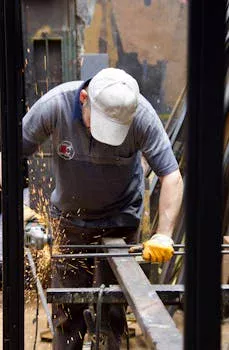
Moving beyond daily checks, weekly maintenance focuses on high-wear components and critical systems. Filter cloths require thorough cleaning. Utilize a pressure washer at 2,500–3,000 psi, as recommended by industry experts like Micronics, to effectively remove embedded solids without damaging the fabric. During this process, meticulously check for any signs of cloth tearing, excessive blinding, or misalignment. A significant indicator of cloth deterioration is a drop in flow rate exceeding 20%, which will inevitably lead to longer cycle times and reduced cake dryness. The hydraulic system also warrants a detailed weekly inspection. Test for pressure drops across the system; these can signal internal leaks or a weakening pump. Inspect all hydraulic hoses and valves for signs of wear, such as cracking, bulging, or corrosion, which can lead to catastrophic failures. Ensuring the reliable operation of your fully automated plate and frame filter press with PLC control is paramount for consistent dewatering results.
Monthly Structural Inspections: Plates, Bars, and Alignment
Monthly structural inspections are vital for preventing mechanical failures and ensuring the longevity of your filter press. The side bars, which support and guide the filter plates, must be inspected for any signs of bending, warping, or corrosion. Misalignment of these bars is a significant contributor to plate cracking, accounting for approximately 45% of such failures. Check the follower plate's movement along the guide rails; it should operate smoothly without binding or excessive play. Any resistance or noticeable wobble indicates potential wear on the rails or the follower plate itself, as noted by P2 InfoHouse. Verify the alignment of the entire plate stack. A deviation exceeding 2mm from perfect verticality can lead to uneven pressure distribution, gasket damage, and reduced filtration efficiency. This requires careful measurement, often using a straight edge and feeler gauges, or a laser alignment system for greater precision.
| Component | Inspection Criteria | Action Threshold | Potential Failure Mode |
|---|---|---|---|
| Side Bars | Straightness, corrosion, visible damage | Visible bending or significant corrosion | Plate cracking, uneven closing pressure |
| Follower Plate & Guide Rails | Smooth movement, no binding, minimal play | Sticking, excessive wobble, or audible grinding | Plate misalignment, frame damage |
| Plate Stack Alignment | Verticality and parallelism of plates | Deviation > 2mm from true vertical | Gasket damage, uneven cake formation, reduced throughput |
Quarterly and Annual Overhauls: Deep System Checks
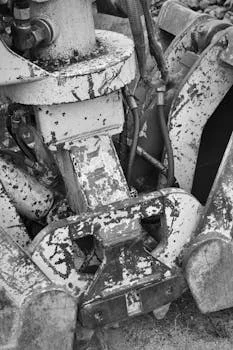
Regular deep maintenance is indispensable to maximize equipment lifespan and maintain optimal performance. Every 6–12 months, it's advisable to replace hydraulic seals. Signs of seal degradation include persistent minor leaks, increased fluid temperature, or a noticeable drop in system pressure. When replacing seals, thoroughly flush the hydraulic system to remove any accumulated contaminants. Filter plate surfaces should be inspected quarterly for warping or cracks. Warping can be measured by checking for deflection exceeding 1.5mm across the plate surface using a calibrated ruler or dial indicator. Damaged or warped plates compromise sealing and can lead to significant leaks. Annually, calibrate all pressure sensors and control systems. Accurate pressure readings are critical for ensuring the filter press operates within its designed parameters and terminates cycles effectively, preventing over-pressurization or under-pressurization, which can impact cake dryness and equipment stress. An automatic chemical dosing system can further optimize slurry preparation, contributing to overall press efficiency.
Troubleshooting Common Filter Press Problems
Operational issues can arise even with diligent maintenance. Understanding common problems and their solutions can minimize downtime. A frequent issue is wet cake, often caused by filter cloth blinding or insufficient feed pressure. The diagnostic flow is straightforward: first, perform a thorough filter cloth cleaning procedure. If the issue persists, verify and adjust the slurry feed pump pressure to ensure it's within the optimal 5–8 bar range. If your hydraulic cylinder fails to close, the first checks should be the hydraulic oil level and the pump's functionality. Inspect the solenoid valves for proper operation and ensure they are receiving power. Leaks at plate joints are typically attributable to compromised gaskets, plate misalignment, or insufficient closing pressure. Inspect gaskets for wear or damage and consider replacing them if they appear degraded. Re-verify plate stack alignment and ensure the hydraulic system is achieving the required closing pressure to properly seal the chambers. For detailed pricing and ROI considerations for various filter press models, consult the 2025 B2B pricing and ROI guide.
| Problem | Potential Causes | Troubleshooting Steps |
|---|---|---|
| Wet Cake | Filter cloth blinding, low feed pressure, insufficient cycle time | Clean filter cloths; Verify/adjust slurry feed pump pressure (5-8 bar); Review cycle parameters |
| Hydraulic Cylinder Won't Close | Low hydraulic oil level, pump malfunction, faulty solenoid valves, air in system | Check and top up hydraulic fluid; Inspect pump for noise/vibration; Test solenoid valve operation; Bleed air from system |
| Leakage at Plate Joints | Worn/damaged gaskets, plate misalignment, insufficient closing pressure, cracked plates | Inspect and replace gaskets; Re-align plate stack; Ensure adequate hydraulic closing pressure; Inspect plates for cracks |
| Slow Filtration Rate | Cloth blinding, incorrect cloth type, solids buildup in feed lines, air in slurry | Thoroughly clean filter cloths; Confirm correct cloth porosity; Inspect and clean feed lines; Ensure proper slurry deaeration |
| Plate Binding/Sticking | Sludge buildup on plates/gaskets, bent side bars, damaged guide rails | Thoroughly clean plates and gaskets; Inspect and straighten side bars; Inspect and repair guide rails |
Frequently Asked Questions
How often should I clean filter cloths? Filter cloths should ideally be cleaned weekly or after every 3–5 cycles, depending on the type of sludge being dewatered and the rate of blinding. For particularly challenging sludges, more frequent cleaning may be necessary.
What pressure should I use to clean filter plates? A pressure wash at 2,500–3,000 psi is recommended for effective cleaning of filter plates without causing damage, as per Micronics' guidelines.
Why is my filter press leaking between plates? Common causes include plate misalignment, worn or damaged gaskets, insufficient closing pressure from the hydraulic system, or cracked filter plates. Each of these needs to be systematically checked and addressed.
How long do filter cloths typically last? With proper maintenance, including regular cleaning and inspection, filter cloths typically last between 6 to 12 months. However, this can vary significantly based on the sludge characteristics and operational intensity.
Can I automate filter press maintenance? While full automation of all maintenance tasks isn't typical, modern filter presses, particularly those with advanced PLC controls like the fully automated plate and frame filter press with PLC control, offer self-diagnostic alerts for critical parameters, flagging potential issues before they cause downtime. You can also explore alternative sludge dewatering methods and efficiency benchmarks to complement your press operations.