Why Pharmaceutical Wastewater in Turkmenistan Demands a Dedicated Treatment Train
Pharmaceutical wastewater in Turkmenistan is a category of its own, and the state production programs driving the Ashgabat and Ahal Velayat facilities are making that harder to ignore. The Türkmen derman manufacturing program and the parallel expansion of API capacity around Ahal and Ashgabat are pushing effluent loads onto treatment infrastructure that was largely specified for municipal or light industrial use. The numbers from Veolia's 50-plant survey still anchor the design envelope: daily flows of 30–600 m³/d, COD of 400–62,000 mg/L with one outlier at 300,000 mg/L, and COD/BOD₅ ratios from 1 to 15 (Veolia, 2020-06). Batch synthesis of APIs is the main reason for that spread — Veolia's data confirms that over 30 solvents (methanol, ethanol, acetone, isopropanol, acetic acid, glycols) cycle through the same reactors across different campaigns, so no two weeks of effluent look the same.
Generic municipal trains fail for three reasons. First, the COD/BOD₅ ratio above 3 means a large fraction of the load is refractory — Veolia's biodegradability limit — and conventional activated sludge will not close the mass balance to a 150 mg/L COD discharge target. Second, high-salinity biological API streams corrode standard carbon-steel pipework and stress biomass, a failure mode Veolia flags explicitly for fermentation wastewater. Third, the Karakum water-scarcity context creates an implicit reuse target of ≥80% on most new builds, which shifts the design objective from "discharge compliance" to "RO-quality effluent for cooling and CIP make-up." Combined, those constraints force a dedicated train: equalization, primary separation, biological treatment tuned to a high COD/BOD₅ ratio, MBR polishing, and an advanced oxidation or activated carbon stage before any reuse membrane. Generic municipal designs cannot meet any of those three requirements simultaneously.
Influent Characterization: What Arrives at the ETP Inlet
A correct audit starts with source mapping, not with a grab sample. Veolia's source table breaks pharmaceutical effluent into eight streams, and each one carries a different load signature that must be balanced before the biological stage (Veolia, 2020-06). Reactor discharges carry acids, bases, metals, halides, nitrates, cyanides, sulfates, and API traces, and they arrive in pulses tied to batch turnover. Fermentation broths add starches, sugars, polyols, amino acids, vitamins, and inorganic salts — biologically friendly on paper, but often paired with high conductivity that the biomass cannot tolerate. Scrubber blowdowns contribute soluble and insoluble organics plus absorbed acid/base. CIP, equipment cleaning, and granulation rinse add detergents and surface-active agents, which are the single largest cause of aeration-tank foaming. Cooling tower and RO blowdown add dissolved salts, and sanitary waste, if not segregated, adds FOG.
Refractory COD is the parameter that usually decides whether a plant passes or fails commissioning. Veolia defines it as the non-biodegradable or hard COD fraction, generated by synthesis by-products and by compounds that inhibit microbial metabolism, and notes that it "limits the ability to reach low COD discharge limits through biological treatment only" (Veolia, 2020-06). For a Turkmenistan API plant, expect refractory COD to sit in the 100–800 mg/L range after biological treatment, which dictates whether you need an AOP or a GAC polisher downstream. The table below summarizes the typical concentration ranges a process engineer should validate during a site audit.
| Parameter | Typical range (API influent) | Source / driver |
|---|---|---|
| Flow | 30–600 m³/d | Veolia 50-plant data, batch production |
| COD | 400–62,000 mg/L (outlier 300,000) | Veolia 50-plant data |
| COD/BOD₅ ratio | 1–15 | Veolia 50-plant data; >3 = limited biodegradability |
| TSS | 200–1,500 mg/L | Fermentation solids, excipients, CIP carryover |
| Conductivity | 5–25 mS/cm | Salts from fermentation and utility blowdown |
| Solvents | Methanol, ethanol, acetone, IPA, acetic acid (≥30 total) | Veolia source table |
| Refractory COD (post-bio) | 100–800 mg/L | Synthesis by-products; inhibition by biocides |
| Foaming risk | High | Detergents, surface-active agents from CIP |
Recommended 2026 Process Flow for a Turkmenistan API Plant
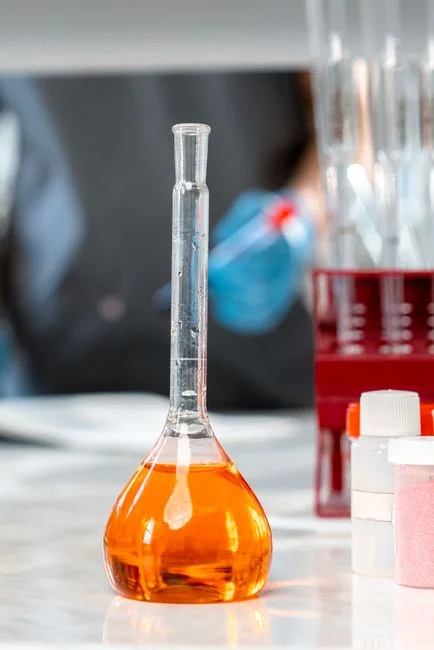
Six unit operations cover the full envelope. Sizing assumes a representative 200 m³/d API plant, which is the median of Veolia's 30–600 m³/d range and a common EPC bid size for Ashgabat-area facilities.
- Equalization. 24–48 h hydraulic retention with mechanical mixing and pH correction. This is non-negotiable for batch-fed API plants — the COD swing between campaigns is too wide for any downstream unit to absorb without buffer. Pinch valves and knife-gate valves are common on sludge and chemical lines at this stage and are a known wear point; sleeve material selection (EPDM or FKM depending on solvent exposure) drives maintenance intervals (pinchlinedvalves.com).
- Primary separation. A DAF system for pharmaceutical FOG and TSS removal rated for the expected flow — standard DAF units cover 4–300 m³/h — removes emulsified oils, suspended solids, and a fraction of the COD before the biological step. For plants with biological API fermentation, expect DAF surface loading in the 5–20 m/h range.
- Biological treatment. Selection depends on COD/BOD₅ ratio. For high-COD streams above 2,000 mg/L, an anaerobic reactor (UASB or IC) cuts load cheaply and generates biogas; Veolia documents this configuration in its "Equalization > Anaerobic reactor > MBR" reference train (Veolia, 2020-06). For moderate loads or where footprint is constrained, a high-rate MBBR with biofilm carriers handles COD/BOD₅ ratios above 3 more robustly than suspended growth.
- MBR polishing. A submerged MBR membrane bioreactor for pharma polishing with PVDF flat-sheet or hollow-fiber modules at 0.1 µm pore size, operated at 10–20 LMH flux. The MBR is what makes the reuse target feasible — typical effluent is <50 mg/L COD and <5 mg/L TSS, which is the envelope RO can take without rapid fouling.
- Advanced treatment. Either an ozone- or Fenton-based AOP, or a granular activated carbon (GAC) contactor with 10–30 min EBCT, targets refractory COD and API trace residues that pass through the MBR. If the design includes reuse, an RO polishing for water reuse stage follows the AOP/GAC step, sized for 65–75% recovery.
- Sludge handling. A plate-and-frame filter press for pharma sludge dewatering dewaters the combined biological and chemical sludge to a 22–28% dry solids cake suitable for off-site disposal or incineration, depending on API residue classification.
For readers working on similar flowsheets in other emerging markets, the same train architecture is documented in our guides to pharma wastewater treatment in similar emerging-market contexts and pharma wastewater design with limited municipal sewerage.
Sizing and Parameter Reference Table for a 200 m³/d Turkmenistan API Effluent
Use the table below as a sanity check against any vendor's proposal. Numbers are sized for a 200 m³/d mixed API plant with influent COD around 10,000 mg/L and a ≥80% reuse target. Inlet→outlet values reflect the cumulative removal across the train, not per-stage targets, which makes the table usable for a PFD review rather than a step-by-step mass balance.
| Stage | Design parameter | Typical value | Inlet → Outlet (cumulative) |
|---|---|---|---|
| Equalization | HRT | 24–48 h | COD 10,000 → 10,000 mg/L (buffering only) |
| Neutralization | pH setpoint | 6.5–8.0 | pH 2–12 → 7.0 |
| DAF | Surface loading | 5–20 m/h | TSS 500 → 100 mg/L |
| Biological (MBBR or UASB+MBBR) | HRT / OLR | 8–24 h / 0.5–3 kg COD/m³·d | COD 10,000 → 200 mg/L |
| MBR | Flux / Pore size | 10–20 LMH / 0.1 µm | COD 200 → <50 mg/L; TSS → <5 mg/L |
| GAC or AOP | EBCT / Ozone dose | 10–30 min / 5–15 mg O₃ per mg COD | Refractory COD <50 → <20 mg/L |
| RO (if reuse) | Recovery | 65–75% | Conductivity <50 µS/cm in permeate |
| Sludge dewatering | Cake dryness | 22–28% DS | Sludge volume reduced ~80% |
RO concentrate management is the most under-specified item in most regional bids. If a zero-liquid-discharge scope is later demanded, the concentrate must be routed to an evaporator or crystallizer, and the API-trace surrogate (typically TOC <10 mg/L in concentrate) becomes a design parameter rather than an afterthought.
Compliance: Velayat Limits vs. International Pharmaceutical Benchmarks
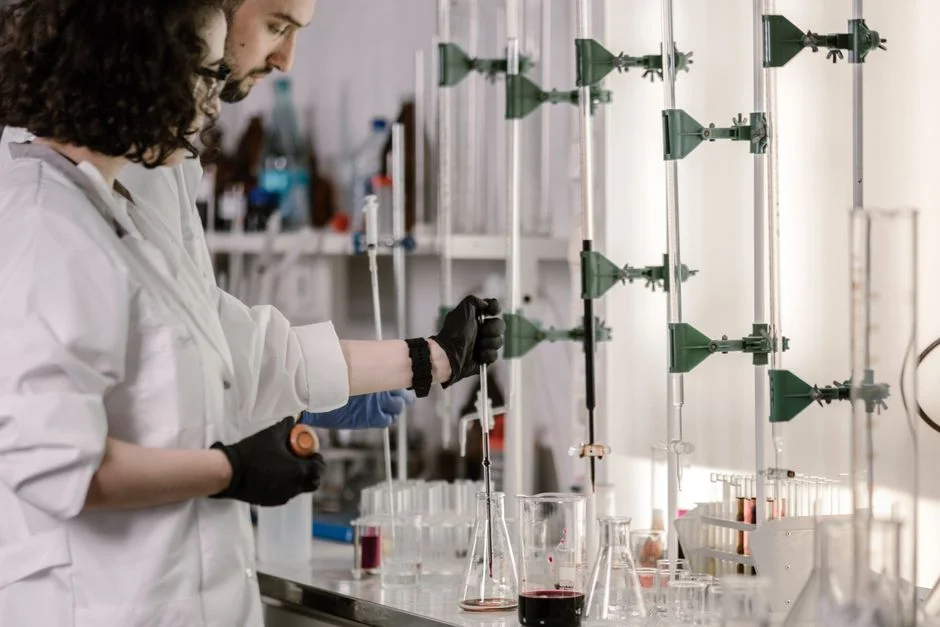
Turkmenistan's national industrial discharge framework follows a SanPiN-style structure enforced by the Ministry of Health and the Türkmenstandartlary agency, with Velayat-level environmental departments (Ahal, Ashgabat, Mary, Lebap, Balkan, Dashoguz) applying site-specific limits depending on the receiving water body or irrigation canal. Typical values applied to industrial wastewater are listed below, alongside the EU Urban Wastewater Treatment Directive (91/271/EEC) benchmarks that are increasingly referenced by lenders and EPC firms operating in the country. Note that the Velayat column reflects commonly cited national defaults; specific permit values can be tighter where the discharge enters a Karakum Canal irrigation network.
| Parameter | Turkmenistan (typical national limit) | EU UWWTD 91/271/EEC benchmark | WHO/EU API residue note |
|---|---|---|---|
| COD | ~150 mg/L | 125 mg/L | — |
| BOD₅ | ~25 mg/L | 25 mg/L | — |
| TSS | ~50 mg/L | 35 mg/L (secondary treatment) | — |
| pH | 6.5–8.5 | — | — |
| FOG | ~10 mg/L | — | — |
| API residues (watch list) | Not separately regulated nationally | — | EU Watch List: diclofenac, carbamazepine, macrolides (e.g. azithromycin, clarithromycin) |
Three practical points follow from this crosswalk. First, the EU API Watch List compounds are not yet in Turkmenistan's national framework, but EPC firms financed by European or multilateral lenders are increasingly asked to design to them, which pushes the train toward an AOP or GAC step. Second, irrigation reuse drives tighter effluent quality than discharge to surface water, so a plant that targets reuse should design to the irrigation standard, not the discharge standard. Third, the Velayat-specific permit values must be confirmed in writing during the front-end engineering phase; a plant that passes the national default can still fail at the Ahal or Mary Velayat level if the receiving water body has a stricter local limit.
2026 Equipment Selection Checklist for Turkmenistan Pharma ETPs
Before signing a PO, walk through this checklist with the vendor. It is built from the failure modes that Veolia documents and from HydropureWater field data on regional EPC deliveries (2026).
- MBR module type. Flat-sheet PVDF handles the high-foam, high-TSS conditions of API effluent with cleaner backwash cycles than hollow-fiber; hollow-fiber gives higher packing density but fouls faster when detergents and excipient residues carry over. Match the module to the local maintenance team's skill level — flat-sheet is easier to hand-clean in place.
- PLC-controlled chemical dosing for pH and nutrient balancing. Specify a skid with at least three dosing channels (acid/alkali for pH, urea/phosphoric acid for N/P balance, antifoam or carbon source as needed). With COD/BOD₅ ratios from 1 to 15, the N/P demand swings widely between campaigns, and manual dosing is the single most common commissioning failure mode.
- Corrosion-resistant materials. Specify FRP or duplex stainless for all wetted parts on the high-salinity biological API stream. Veolia explicitly flags corrosion as a treatment impact for fermentation wastewater (Veolia, 2020-06).
- Pre-treatment screening. A rotary mechanical bar screen on the inlet protects the equalization pumps and DAF from rags, filter bags, and CIP solids — cheap insurance that is often left out of budget bids.
- Logistics. Containerized or skid-mounted delivery reduces Ashgabat-area civil works and compresses commissioning from a typical 8–12 months to 4–6 months. Confirm that the skids are sized for the available road and bridge loading on the route from the port.
Frequently Asked Questions
What is the typical COD range for API effluent in Turkmenistan?
Pharma effluent in the region typically shows COD of 400–62,000 mg/L, with a documented outlier of 300,000 mg/L, based on Veolia's 50-plant survey (Veolia, 2020-06). A 200 m³/d mixed API plant should be designed for 10,000 mg/L as a realistic average.
Why is a COD/BOD₅ ratio above 3 a problem for biological treatment?
Veolia defines a COD/BOD₅ ratio above 3 as "may not be biodegradable," meaning a large fraction of the load is refractory or inhibitory to biomass. API plants regularly see ratios from 1 to 15, which is why a polishing stage (MBR plus AOP or GAC) is mandatory, not optional.
What reuse rate can a properly designed API treatment train achieve?
With MBR effluent (<50 mg/L COD, <5 mg/L TSS) followed by RO at 65–75% recovery and an AOP or GAC polisher upstream of the membrane, an overall water reuse rate of ≥80% is achievable for cooling tower make-up and CIP rinsing, in line with Karakum water-scarcity design targets.
Does Turkmenistan regulate API residues separately from bulk COD?
No. National SanPiN-style limits address bulk parameters (COD, BOD₅, TSS, pH, FOG). API residues are not separately regulated, but EU Watch List compounds (diclofenac, carbamazepine, macrolides) are increasingly cited by lenders and EPC firms, which is why an AOP or GAC polishing step is recommended on most 2026 builds.