Why fab acquisitions expose acquirers to legacy wastewater risk in 2026
Semiconductor factory ETP due diligence in 2026 requires a six-cluster pre-LOI audit covering permit transferability (a current permit is not assignable), fab-specific hidden liabilities — PFAS from SCRO/ion-exchange resin, HF-bearing etch waste, TMAH developer waste, and copper CMP slurry — and asset-condition capex on MBR cassettes and PLCs that may be unsupported within 24 months. PE-style reserves run 2–8% of enterprise value; fab retrofits typically anchor at the upper end with $5M–$15M ZLD exposure.
A 2024 mid-market chemicals platform deal closed with a 22-month consent decree and a $9M ETP retrofit after undisclosed effluent BOD exceedances surfaced in the first post-closing self-monitoring cycle; the original reserve had been sized at $1.5M, and the fund wrote down 18% of equity at month 14. Undisclosed ETP non-compliance routinely inflates deal reserves by $2M–$18M in 2026 and triggers 18–36 month remediation timelines under EPA, EU IED, India CPCB, and China GB 8978-2025 frameworks (per S3, 2026). For a strategic corporate acquirer like Micron, the exposure does not flow through a fund write-down — it flows through goodwill impairment, multi-quarter earnings risk, and SEC disclosure optics. The deal team needs a fab-specific audit, not a generic industrial checklist.
Generic PE DD frameworks structurally under-resource environmental work. The fab-specific liability profile includes HF-bearing spent etch streams requiring fluoride destruct and calcium precipitation, TMAH developer waste with high BOD and nitrogen loading, copper CMP slurries with abrasive solids and metal recovery value, isopropyl alcohol-laden rinse streams, and PFAS-bearing SCRO regeneration brine plus spent ion-exchange resin. A generalist EHS firm will not surface these. Ultrapure water and wastewater management is a recognized microelectronics specialty — Veolia's Microelectronics team trains on it specifically at its Tomball R&D facility (Veolia Water Tech, 2024-08) — and the acquirer should engage a fab-experienced EHS firm for the workstream. The companion Samsung ETP due diligence 2026 checklist provides a parallel fab template.
Six-cluster pre-LOI workplan for fab ETP due diligence
Run the audit as six time-boxed clusters totaling 13 working days before LOI. Each cluster ends in a deal-team action that legal, EHS, and corporate development can staff against without re-scoping mid-process. The sequence below extends the 47-question PE checklist from S3 (2026) into a fab-specific deliverable, with a fab-specific reserve band anchored at the upper end of the 2–8% EV range.
| Cluster | Workstream | Days | Key deliverable | Deal-team action |
|---|---|---|---|---|
| 1 | Permit transferability | 3 | Consent-to-Operate transferability memo with 8-item verification | Legal: extend long-stop date if India CPCB transfer applies |
| 2 | Asset condition | 3 | Capex exposure schedule with MBR/PLC/DAF replacement dates | EHS: normalize maintenance budget against capex line |
| 3 | Hidden liabilities | 2 | Phase II ESA scope with fab-specific parameters (PFAS, HF, TMAH, Cu, IPA) | EHS: commission PFAS testing under EPA Method 1633 |
| 4 | Third-party contracts | 2 | O&M, hauler, and chemical contract assignment matrix | Legal: flag change-of-control and assignment clauses |
| 5 | Cost benchmarking | 2 | Reserve range at 80th percentile × probability × non-compliance years | Finance: size escrow at 10–15% of purchase price |
| 6 | SPA mechanics | 1 | Specific indemnity draft, 5+ year R&W survival, no MAE carve-out | Counsel: insert Phase II bring-down as closing condition |
Cluster 1 verifies the consent number, expiry, permitted vs actual flow for the last 12 months, parameter list vs current effluent characterization, renewal history, transferability trigger language, name-change provisions, and any open NOV or pending consent order. Cluster 2 builds design vs actual hydraulic loading in m³/day, design vs actual organic loading as kg BOD/day, MBR cassette age and supplier model, last membrane replacement date, blower and pump operating hours vs nameplate life, concrete tank structural condition, PLC vintage, and SCADA data retention period (90 days is unusable; 3+ years is standard). Cluster 3 forces Phase I ESA review, sludge lagoon volume and characterization, hazardous-waste manifests for the last 5 years, PFAS and hexavalent chromium testing history, buried tank and underground piping registry, off-site disposal contractor audit trail, and historic operator non-compliance records. Cluster 4 audits O&M scope and liability cap, sludge hauler EPA generator number, chemical supplier REACH/TSCA compliance and off-spec indemnity, lab and self-monitoring contract assignability, EPC warranty status (almost always expired), and any in-force consent decrees. Cluster 5 builds a reserve range from $280–$620/m³/day for basic upgrade, $5M–$15M for full ZLD, $80–$450/tonne for hazardous sludge disposal, and $15K–$60K per DAF unit for nozzle and skimmer replacement. Cluster 6 drafts the SPA language: 5+ year R&W survival, specific pre-closing non-compliance indemnity, 10–15% escrow held 24–36 months, permit-transfer cooperation covenant, regulatory change cost-sharing, Phase II ESA bring-down as a closing condition, and no MAE carve-out for pre-signing environmental findings. The reserve formula is 80th percentile of cost range × probability of exceedance × years of historical non-compliance. For fab-specific design references, see the MBR configuration for HF etch waste engineering guide and the semiconductor wastewater recycling cost data 2026 decision framework.
Permit transferability: why a current permit is not an assignable permit
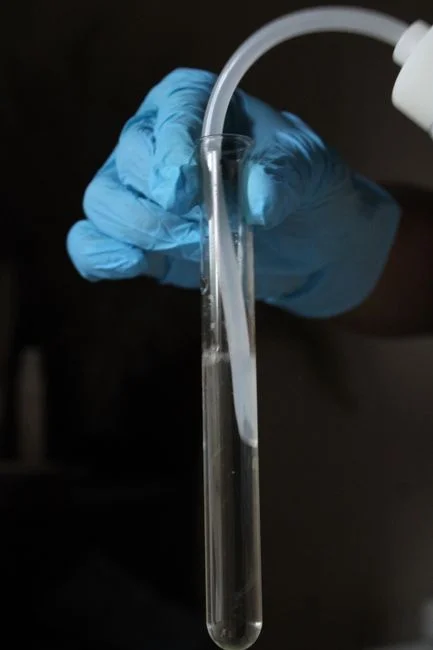
A clean consent-to-operate is not portable. The deal team's most common closing-blocker assumption is that a current permit transfers with the asset — it does not, in any major semiconductor jurisdiction. Before LOI, verify eight specific items: (1) consent number and issuing authority, (2) expiry and renewal status, (3) permitted daily flow versus actual operating flow for the last 12 months, (4) parameter list versus current effluent characterization, (5) renewal history and any refused or contested renewals, (6) transferability trigger language, (7) name-change provisions for the new operating entity, and (8) any open NOV or pending administrative consent order.
India CPCB Consent-to-Operate transfer typically requires a 90–180 day pre-signing application and a successful State Pollution Control Board site inspection — flag this against the exclusivity period or extend the long-stop date (S3, 2026). EU IED recast tightens BAT-AELs for waste-treatment and chemical sectors with compliance milestones running through 2027, meaning fab discharge permits may require renegotiation within 12 months of closing. China GB 8978-2025 revision tightened COD, ammonia-N, and total-P limits for integrated electroplating wastewater, and fab permits grandfathered under GB 8978-1996 will require renegotiation within 12 months of closing. Define two terms for the deal file: a permit non-conformity event is any effluent parameter exceedance recorded in a self-monitoring report that has not been formally resolved with the regulator; an administrative consent order is a written, enforceable agreement specifying corrective actions and a compliance schedule, typically with stipulated penalties for missed milestones. Both should appear in the Phase I deliverable, the permit-transfer memo, and the SPA disclosure schedule.
Fab-specific hidden liabilities: PFAS, buried sumps, and undocumented sludge lagoons
PFAS is the single largest 2026 hidden-liability vector for semiconductor acquisitions. SCRO regeneration brine, spent ion-exchange resin from ultrapure water polishing, and certain photoresist ancillary chemistries contain PFAS. ASTM E1527-21 explicitly excludes PFAS from the definition of a hazardous substance, so a Phase I ESA will not surface it and PFAS testing must be commissioned separately under EPA Method 1633 (S3, 2026). The deal team should treat this as a fab-specific red flag, not a generic environmental question.
Buried acid neutralization sumps and underground HF drainage piping are common in fabs commissioned before 2010. Request the buried tank and underground piping registry and verify integrity before closing — a single undocumented HF line failure can trigger soil excavation and groundwater remediation costing $2M–$8M in 2026. Undocumented sludge lagoons can hold 200–2,000 tonnes of working-capital exposure; characterization is mandatory because disposal runs $80–$450/tonne in 2026 (HydropureWater field data, 2026) and a Phase II ESA is mandatory when a Phase I REC is identified. A fab-specific Phase II scope should include PFAS (EPA Method 1633), hexavalent chromium, total copper, fluoride, TMAH, and isopropyl alcohol — the parameter list is not generic. The 2026 PCB hybrid ZLD precedent shows 99.8% copper recovery with a documented retrofit cost breakdown, demonstrating that well-designed retrofits can produce byproduct credits that offset capex (S3, 2026) — a real number to challenge seller overestimation. For sludge handling reference during DD scoping, see the filter press retrofit and upgrade guide 2026.
Asset condition red flags that never appear in the CIM
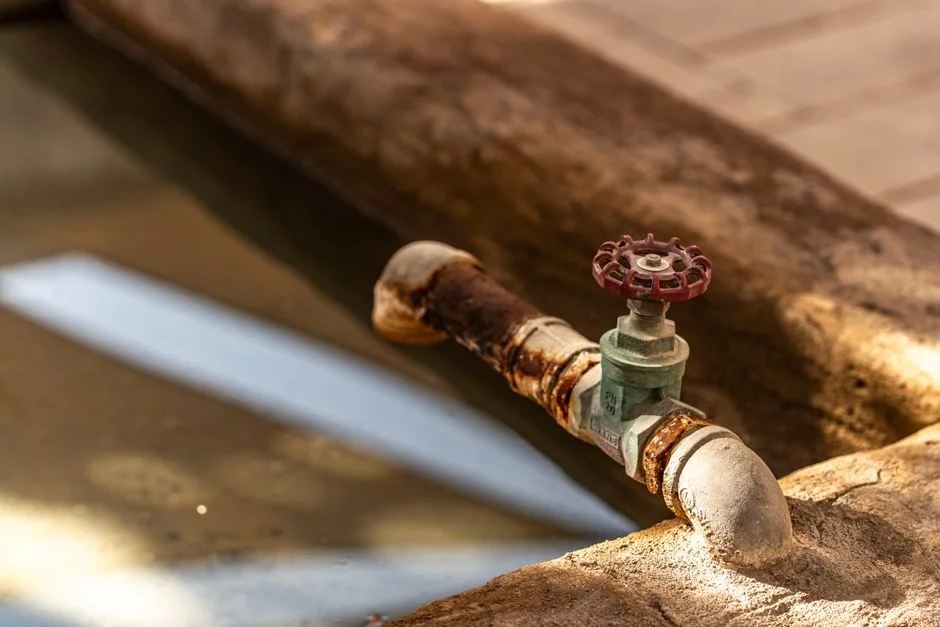
Engineering obsolescence translates directly into deal-reserve dollars. MBR cassette service life runs 5–8 years under normal operating conditions; a target with cassettes older than 7 years is carrying a near-term replacement liability that does not appear in the seller's normalized maintenance budget (S3, 2025). PLC obsolescence windows for major OEMs typically run 7–10 years, meaning any ETP commissioned pre-2018 may already be on unsupported hardware — pre-2010 PLCs are functionally obsolete and spare parts are no longer manufactured. DAF micro-bubble nozzles and skimmer wear are a common hidden replacement line, typically $15K–$60K per DAF unit, recurring every 3–5 years depending on influent oil and grease loading, and rarely itemized separately in O&M contracts. The EPC contractor warranty period (typically 12–24 months from mechanical completion) is almost always expired at closing — every dollar of capex identified in the asset review is the buyer's problem, not the seller's.
| Component | Typical service life | Obsolescence threshold | 2026 replacement cost | Reserve action |
|---|---|---|---|---|
| MBR cassette | 5–8 years | > 7 years | $80K–$300K per train | Add to 24-month capex line |
| PLC hardware | 7–10 years | Pre-2010 = unsupported | $120K–$500K per ETP | Schedule migration pre-close |
| DAF nozzles/skimmer | 3–5 years | > 4 years | $15K–$60K per unit | Recurring OpEx line |
| EPC warranty | 12–24 months | Expired at closing | — | All capex is buyer's |
| SCADA retention | 3+ years | < 90 days = unusable | $40K–$150K upgrade | Force upgrade pre-close |
Most O&M contracts carry 30–90 day termination clauses, and the institutional knowledge embedded in the incumbent operations team is itself a deal risk. A 6–12 month transition period should be priced into the operating model and supported by a knowledge-transfer deliverable in the SPA. For pre-treatment sizing during the upgrade review, the lamella clarifier retrofit and upgrade 2026 engineering guide provides the capex benchmark for the DAF-versus-lamella comparison.
SPA mechanics for a strategic acquirer: from basket-and-cap to specific indemnity
Convert environmental findings into contract language that actually protects a strategic corporate acquirer post-closing. The deal team should push counsel on seven SPA items: (1) 5+ year R&W survival, (2) specific indemnity for pre-closing non-compliance outside the general basket, (3) 10–15% escrow held 24–36 months, (4) permit-transfer cooperation covenant, (5) regulatory change cost-sharing, (6) Phase II ESA bring-down as a closing condition, and (7) no MAE carve-out for pre-signing environmental findings.
The 2026 trend is specific environmental indemnities displacing basket-and-cap general indemnities for industrial targets, because the basket-and-cap exposes the buyer to eroded insurance limits and deductible erosion from non-environmental claims (S3, 2026). A 90-day post-signing environmental insurance (EIL) feasibility study is worth commissioning — EIL is materially cheaper than escrow for ETP-heavy targets and covers the long-tail remediation risk that 5-year R&W survival may not reach. For a strategic acquirer, specific environmental indemnities also flow more cleanly through SEC reporting than a basket-and-cap write-down and avoid the optics of a multi-quarter earnings revision. For a deal-pattern illustration anchored in a real fab transaction, see the Samsung Texas plant acquisition 2026 wastewater compliance treatment guide. For a fab-specific MBR retrofit reference that often anchors the capex line, see the MBR configuration for HF etch waste engineering guide.
Frequently Asked Questions
How long does ETP permit transfer typically take in India under CPCB?
Consent-to-Operate transfer under CPCB typically requires a 90–180 day pre-signing application and a successful site inspection by the State Pollution Control Board (per 2026 CPCB guidance, S3). The deal team should extend the long-stop date by at least 180 days from signing when the target holds an India CPCB consent, and the SPA should include a permit-transfer cooperation covenant with seller obligations through the transfer date.
What percentage of enterprise value should corporate acquirers provision for ETP reserves on fab targets?
Reserve 2–8% of enterprise value, with the upper end (5–8%) applying to fab exposures carrying documented PFAS, HF, or TMAH permit history issues (S3, 2026). For fab targets with a 200–2,000 tonne undocumented sludge lagoon or a Phase II ESA identifying PFAS above EPA Method 1633 reporting limits, the reserve should anchor at 6–8% with a 10–15% escrow held 24–36 months.
When is a Phase II ESA mandatory rather than just a Phase I?
A Phase II ESA is mandatory whenever the Phase I identifies a recognized environmental condition and the acquirer requires quantified exposure for purchase price adjustment or escrow sizing (S3, 2026). Fab targets also need a PFAS-specific Phase II scope because ASTM E1527-21 explicitly excludes PFAS from the hazardous-substance definition — the Phase I will not surface it.
What is the 2026 cost range for a fab ZLD retrofit?
Full ZLD retrofits run $5M–$15M in 2026, depending on influent characterization, discharge destination, and the value of recoverable byproducts (S3, 2026). Fab-specific hybrid systems (RO + crystallization) typically anchor at the upper end when PFAS and copper recovery are co-targeted; the 2026 PCB hybrid ZLD precedent achieved 99.8% copper recovery and demonstrated the offsetting credit mechanism. For ZLD and RO reference, see the semiconductor wastewater recycling cost data 2026 framework.
Why are specific environmental indemnities displacing basket-and-cap structures in 2026 SPA practice?
Specific environmental indemnities sit outside the general basket and cap, preserving the buyer's recovery against the full indemnity limit rather than the eroded balance after non-environmental claims (S3, 2026). For a strategic corporate acquirer, specific indemnities also flow more cleanly through SEC reporting and avoid the optics of a multi-quarter earnings revision tied to a basket-and-cap write-down.
Related Equipment
- MBR membrane bioreactor for fab wastewater retrofits — specifications, capacity range, and technical data
- plate and frame filter press for fab sludge dewatering — specifications, capacity range, and technical data
- DAF pre-treatment for fab CMP and HF-bearing streams — specifications, capacity range, and technical data
- industrial RO for fab ZLD and water reuse — specifications, capacity range, and technical data