Why ETP Due Diligence Is a Deal-Killer for Samsung-Style Acquirers
Under CERCLA §107(a) and the common-law "buyer beware" rule applied to asset deals, an acquirer inherits all pre-closing contamination at a target factory — including legacy solvent plumes, PFAS-impacted groundwater, and unpermitted sludge piles — even where the acquirer had no knowledge of the release at signing. For a Korean acquirer structured as a share purchase of a U.S. or Vietnamese fab, this means the ETP and everything under it is on Samsung's balance sheet the moment the SPA closes. Semiconductor fabrication sites carry a uniquely toxic legacy footprint: hydrofluoric acid (HF), tetramethylammonium hydroxide (TMAH), isopropyl alcohol (IPA), N-methyl-2-pyrrolidone (NMP), and PFAS-bearing process chemistries that persist in groundwater for decades and resist conventional biological treatment.
The 2-page Scribd ETP audit checklist circulating in compliance teams is a useful inventory template but treats gaps as clerical issues. Items routinely marked "not available" — future production plans, instrument calibration certificates, the ETP flow process chart submitted to the regulator, sludge contractor authorization, and the lab's ISO accreditation — are deal red flags when seen through a successor-liability lens. Each "not available" line converts directly into a missing representation in the SPA and a potential indemnity trigger.
Compounding the U.S. exposure, the 2024 amendment to Korea's Management of Environmental Accidents and Indemnity Act (MeAS-Act, amended 2024-12) extended disclosure obligations to overseas subsidiaries of Korean parent companies for the first time, with the first reporting window opening in 2025. A Samsung-affiliated entity that closes on a target with undisclosed legacy wastewater contamination now faces parallel Korean and U.S. disclosure exposure — a fact the standard Scribd-style checklist does not address.
The 4-Stage ETP Due Diligence Protocol for 2026
A defensible ETP due diligence process for a Samsung-style acquisition runs in four sequential stages, with each stage's findings feeding the next stage's scope and the SPA drafting in parallel. Skipping stages or running them concurrently is the single most common cause of post-closing environmental surprises, because the data room alone rarely surfaces the gaps that drive indemnity claims.
- Stage 1 — Desktop review (5–7 calendar days): Pull the NPDES individual permit, RCRA generator status and any Part B permit, the last 3 years of Discharge Monitoring Reports (DMRs), sludge manifests, the 7-section Scribd ETP audit checklist with all "not available" and "need to check" items flagged, and any Title V air permit stack test records. Cost: $3K–$8K. Deliverable: a one-page red-flag memo to deal counsel.
- Stage 2 — ASTM E1527-21 Phase I ESA (15–25 days): Engage an environmental consultant to identify Recognized Environmental Conditions (RECs), Controlled RECs (CRECs), and Historical RECs (HRECs). Per ASTM E1527-21, the Phase I must include a vapor encroachment screen and a 50-year historical use review. Cost: $8K–$25K. Deliverable: Phase I report with RECs ranked A/B/C by likely indemnity value.
- Stage 3 — Targeted Phase II ESA (30–60 days, conditional on Stage 2): Install groundwater monitoring wells downgradient of the ETP and sludge drying beds, advance soil borings through the unsaturated zone, and run PFAS isotope-dilution sampling per EPA Method 533. Cost: $60K–$250K. Deliverable: a quantitative remediation cost estimate (QRA) used to size the indemnity escrow.
- Stage 4 — Indemnity negotiation (parallel to Stages 2–3): Convert engineering findings into SPA rep & warranty language, environmental indemnity caps (typically 10–25% of enterprise value), escrow holdback percentage, survival period, and a Rep & Warranty (R&W) insurance binder with the environmental carve-out schedule.
| Stage | Trigger / Output | Typical Duration | Cost Range (USD) | Owner |
|---|---|---|---|---|
| 1. Desktop | LOI signed; data room opened | 5–7 days | $3,000–$8,000 | Buyer's EHS counsel |
| 2. Phase I ESA | ASTM E1527-21 scope letter | 15–25 days | $8,000–$25,000 | Environmental consultant (EP signoff required) |
| 3. Phase II ESA | REC ranking from Phase I; HF/TMAH/PFAS triggers | 30–60 days | $60,000–$250,000 | Licensed driller + analytical lab |
| 4. Indemnity drafting | QRA from Phase II; MeAS-Act disclosure window | 15–30 days | $15,000–$40,000 (legal) | Buyer's M&A counsel + Korean HQ legal |
Phase II Sampling Triggers: What to Test in a Legacy Semiconductor ETP
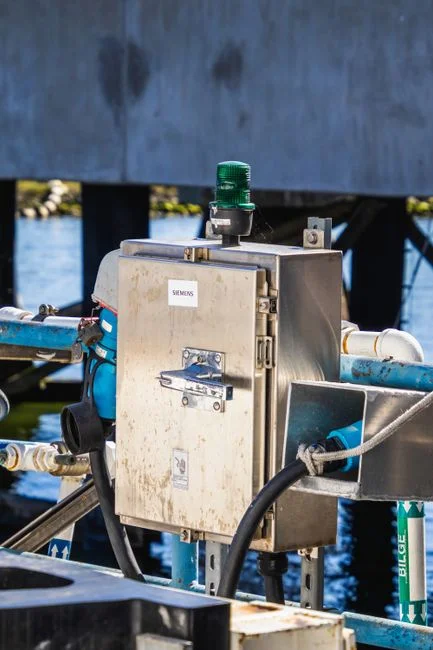
A generic 8260 VOC scan will miss the analytes that actually drive semiconductor ETP liability. Sampling must be tailored to the fab's process history, and the budget should be spent on analytes that map to enforceable standards — not on a kitchen-sink Target Analyte List. The four media below are the priority sampling zones for any legacy fab acquisition.
- Groundwater (downgradient of ETP and sludge drying beds): 24-analyte PFAS panel per EPA Method 533 (reporting limit 2 ppt), TMAH and other quaternary ammonium compounds, fluoride (HF residue indicator), 1,4-dioxane, and VOCs from historical solvent operations including PCE, TCE, and their degradation products.
- Soil (0–15 ft bgs under ETP footprint and former solvent storage): PCBs from legacy capacitor manufacturing (Method 8082), total petroleum hydrocarbons near fueling and ETP sludge drying areas, and antimony/tellurium if the site previously housed optoelectronics lines.
- Sludge inventory (in drying beds, lagoons, or filter cake storage): TCLP leaching for heavy metals — copper, lead, nickel, arsenic, cadmium, and chromium — because any exceedance reclassifies the sludge as hazardous waste and triggers RCRA Part B permitting on transfer of ownership under 40 CFR 270.
- Air (if an incinerator or thermal oxidizer is associated with the ETP): Stack test records for the last 5 years; missing records are a Clean Air Act §114 information request risk and can halt a deal pending retrospective emissions quantification.
| Medium | Target Analytes | Method | Action Threshold |
|---|---|---|---|
| Groundwater | PFAS (24-analyte), TMAH, fluoride, VOCs, 1,4-dioxane | EPA 533, EPA 8321B, SM 4500-F | PFOA/PFOS > 4 ppt (EPA HAL, 2024 update); fluoride > 4 mg/L (MCL) |
| Soil | PCBs, TPH, antimony, tellurium, heavy metals | EPA 8082, 8015, 6010, 6020 | Industrial SCO / TCLP for waste classification |
| Sludge | TCLP metals, VOC/TCLP, ignitability, corrosivity | EPA 1311 series | Any metal > TCLP limit → RCRA hazardous; triggers Part B |
| Air (stack) | HCl, HF, VOC, PM, dioxins if applicable | EPA Method 26, 18, 5, 23 | NESHAP / Title V permit limits |
The EPA Health Advisory Level (HAL) for PFOA and PFOS of 4 parts per trillion, finalized in the 2024 update, is the most common Phase II trigger that turns a Phase I "no REC" opinion into a multi-year remediation liability overnight.
Translating ETP Audit Findings into SPA Reps, Indemnities, and Price Adjustments
The engineering-to-legal handoff is where most acquirers lose leverage. A Phase II report sitting in the data room is not deal protection — its findings must be converted into specific SPA representations, an indemnity with a defined cap and survival period, and a price adjustment or escrow holdback. The mapping below pairs the most common Scribd-checklist gaps with the SPA language they should generate.
- Missing instrument calibration certificates → Representation: "Seller has maintained all instrument calibrations required by the ETP permit for the past 5 years and all such records are in Seller's possession at the Data Room." Missing cal certs are evidence of an unmonitored discharge — actionable as a CWA §301 violation regardless of whether an exceedance is provable.
- Missing sludge contractor authorization → Representation + indemnity: Rep on lawful sludge handling under RCRA cradle-to-grave, plus specific indemnity for any generator liability that transfers on closing under 40 CFR 261.4 (the "secondarily generated waste" rule does not protect the new owner).
- DMR exceedances in the last 3 years → Specific indemnity: Civil penalties under CWA §309 (up to $64,618 per day per violation as of the 2025 civil monetary penalty adjustment), with the seller's "knowledge qualifier" reversed so the breach is deemed material regardless of actual knowledge.
- PFAS detections above 4 ppt PFOA/PFOS → Escrow + price adjustment: Environmental escrow equal to a Phase II-derived remediation cost estimate plus 30% contingency, held for 7+ years (the statutory tail under CERCLA §113(g)(2) for removal actions is 3 years; for natural resource damages under §107 it is effectively open). A unilateral price reduction is preferred where the seller's balance sheet cannot support a long escrow.
| Engineering Finding | SPA Mechanism | Typical Cap / Term | Survival |
|---|---|---|---|
| PFAS groundwater plume > 4 ppt | Escrow + specific indemnity + R&W carve-out | 100% of QRA + 30% contingency; 10–25% of EV | 7–10 years |
| Unauthorized sludge disposal (pre-closing) | RCRA cradle-to-grave indemnity | 25% of EV; floor $5M | Indefinite (statute of repose) |
| NPDES DMR exceedances (last 3 yrs) | Specific CWA §309 indemnity; deemed material | 15% of EV | 5 years |
| Missing calibration / O&M records | Representation; bring-down at closing | De minimis cap or basket | 3 years |
| HF line retrofit required for reuse KPI | Capex adjustment to closing balance sheet | Quoted retrofit cost + 15% | One-time adjustment at closing |
For acquirers concerned about the seller's ability to fund a long-tail indemnity, R&W insurance is a partial mitigant but will exclude any matter "known to the insured" at binding and any environmental condition that pre-dates the policy's retroactive date. Korean acquirers should pre-clear the indemnity structure with Samsung's group legal and any Korean-speaking MeAS-Act advisor, because the 2024 amendment's reporting window can be triggered by a Phase II finding even before closing.
Repurposing Legacy ETP Equipment: Retrofit vs. Replace Decision Framework
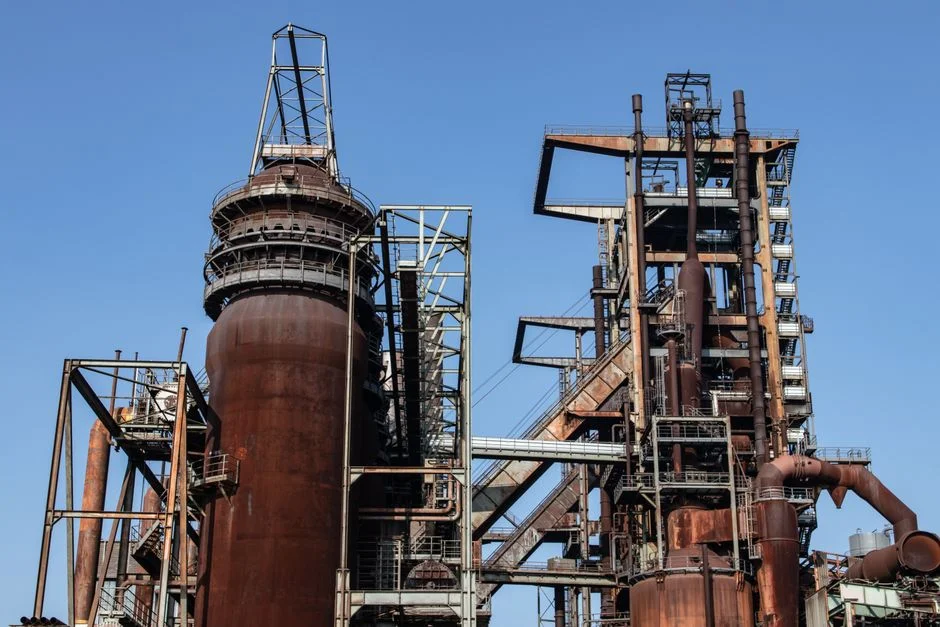
The retrofit-versus-replace decision is the largest capex swing item in any semiconductor fab acquisition, and it is driven by the gap between the legacy ETP's effluent quality and Samsung's internal water-reuse KPIs (typically >70% reclaim rate for fab process water). The decision should be framed as the net present value of retrofit capex plus 5 years of compliance risk versus greenfield replacement using a modern MBR or DAF train.
Two influent parameters usually settle the question. If influent COD exceeds 2,000 mg/L or total salinity exceeds 5,000 mg/L, the legacy biological train is unlikely to meet Samsung's water-reuse KPIs, and full replacement is typically justified on a 7-year NPV. Below those thresholds, a staged retrofit using an integrated MBR membrane bioreactor system with DF series flat sheet MBR modules (0.1 μm PVDF, ~10 LMH operating flux) and a dissolved air flotation system ahead of the biological stage can usually reclaim the asset at 30–45% of greenfield capex. For HF-bearing streams specifically, a dedicated calcium precipitation pre-treatment (pH 9–10, Ca:HF molar ratio ≥ 2:1) must precede any biological stage — failure to specify this is the most common retrofit mistake and leads to fluoride toxicity crashes in the aeration basin within weeks of startup. The retrofit-vs-replace call should also weigh the cost of permit reissuance: in most U.S. jurisdictions, a "minor modification" of an existing NPDES permit clears in 60–90 days, while a new source permit can take 12–18 months.
Post-Closing: Integrating the Acquired ETP into Samsung's Group ESG Reporting
Day-1 readiness planning is where most acquired ETPs fall out of the acquirer's group reporting cadence. Three actions should be locked into the transition services agreement so they land in the first 12 months, not as a year-1 surprise. First, map all acquired ETP data — flow, effluent quality, sludge generation, energy use — into Samsung's group sustainability disclosure (KSSB-aligned) within 12 months of closing, with data lineage traced back to the seller's DMRs. Second, translate local-language permit files (Vietnam MOIT, Korea KECO, U.S. EPA, Texas TCEQ) into a unified compliance register with a single accountable owner per permit parameter, and backfill missing pH and conductivity instrumentation with a PLC-controlled automatic chemical dosing system where it is not already installed. Third, confirm the MeAS-Act 2024 amendment submission window with Korean HQ legal and pre-clear the disclosure language before any Phase II result is communicated to the regulator, because the Korean disclosure trigger can fire before U.S. remediation negotiations conclude.
Frequently Asked Questions
Who pays for cleanup if pollution is found after a Samsung acquisition closes?
Under CERCLA §107(a) and the buyer-beware rule for asset deals, the acquiring entity inherits pre-closing contamination and bears cleanup cost unless the SPA contains a specific environmental indemnity with a defined cap. A share purchase does not insulate Samsung from successor liability for the target's pre-acquisition acts.
What is the PFAS level that triggers an indemnity for a semiconductor fab acquisition?
Groundwater detections of PFOA or PFOS at or above 4 parts per trillion — the EPA Health Advisory Level finalized in the 2024 update — are the standard Phase II trigger that converts a Phase I "no REC" opinion into a remediation escrow. Some U.S. states now enforce MCLs of 4–10 ppt, which strengthens the indemnity claim.
Does Korea's MeAS-Act apply to a U.S. factory acquired by a Samsung affiliate?
Yes, after the December 2024 amendment extended disclosure obligations to overseas subsidiaries of Korean parent companies. A Phase II finding at a U.S. fab can trigger a parallel Korean disclosure within the 2025+ reporting windows, so deal counsel should pre-clear disclosure language with Korean HQ legal before any Phase II result is finalized.
How long should an environmental indemnity survive for legacy ETP liabilities?
Indemnity survival of 7–10 years is standard for PFAS and RCRA hazardous-waste findings; CERCLA natural resource damage claims carry an effectively open statute of repose. Escrow holdback should be sized at the Phase II-derived remediation cost estimate plus 30% contingency.