Why Electroplating Wastewater Maintenance Is a Compliance Job, Not Just an Operations Job
Electroplating wastewater plant maintenance is, first and foremost, the practical expression of EPA 40 CFR Part 413 (1974, last amended 1983) and the categorical pretreatment standards that flow from it (per EPA, 2025). For any plant discharging more than 38,000 L/day (10,000 gal/day) to a POTW, the regulation limits lead, cadmium, copper, nickel, chromium, zinc, silver, total cyanide, and the sum Cu+Ni+Cr+Zn. Plants that came online on or after July 15, 1983 fall under the Metal Finishing category at 40 CFR Part 433, which tightens tracking on total metals and cyanide. The practical maintenance difference shows up in your logbook: legacy lines must be tested on the older Part 413 analyte list with the original subcategory groupings, while newer lines must also demonstrate compliance with Part 433's daily-maximum structure.
That list dictates which online analyzers get calibrated weekly and which get calibrated every shift. The categorical limits are not aspirational — a single confirmed exceedance triggers a POTW permit review, a formal corrective-action letter, and in some jurisdictions a public Notice of Violation.
On top of that, the EPA announced in the Preliminary Effluent Guidelines Program Plan 15 (September 2021) that PFAS discharges from chrome finishing facilities would be studied. The resulting rulemaking — docket EPA-HQ-OW-2022-0869 — has now moved into proposed-rule territory, and any facility performing chromium plating, chromium anodizing, chromic acid etching, or chromate conversion coating should already be maintaining its fume-suppressant and mist-elimination systems with PFAS effluent limits in mind, even before the numerical limit is finalized (per EPA, 2025).
Influent Chemistry That Drives the Maintenance Schedule
Electroplating influent is not a stable feed — it is a 24-hour swinging load. Typical raw-wastewater ranges seen in automotive and job-shop lines (Filtox application data, 2025):
| Parameter | Typical raw range | Treatment target |
|---|---|---|
| Total chromium | 1–40 mg/L | <0.1 mg/L (categorical) |
| Copper | 5–100 mg/L | <categorical daily max |
| Nickel | 5–100 mg/L | <categorical daily max |
| Zinc | 10–150 mg/L | <categorical daily max |
| pH | 2–12 | 8.5–9.5 (precipitation) |
| Cyanide | 0.5–50 mg/L (cyanide streams) | <categorical daily max |
| TSS (post-clarifier) | 50–500 mg/L | <30 mg/L |
That 40× swing in chromium concentration forces daily ORP calibration on the reduction stage, not weekly. The 10-unit pH swing across the raw wastewater is the root cause of probe fouling and the reason most plants install redundant pH loops on the precipitation tank. Cyanide-bearing streams (Cu/Zn/Ag cyanide complexes, bright nickel rinses) must be plumbed to segregated treatment zones — they cannot be co-mingled with Cr(VI) lines, because acid chrome discharge will drop the cyanide reactor pH and release HCN gas.
An exceedance of any categorical limit is a maintenance log entry, not a process anecdote. The log timestamp, the lab value, the ORP reading, and the corrective action together form the audit trail your POTW will request.
pH and ORP Probe Calibration: The Highest-Frequency Maintenance Task
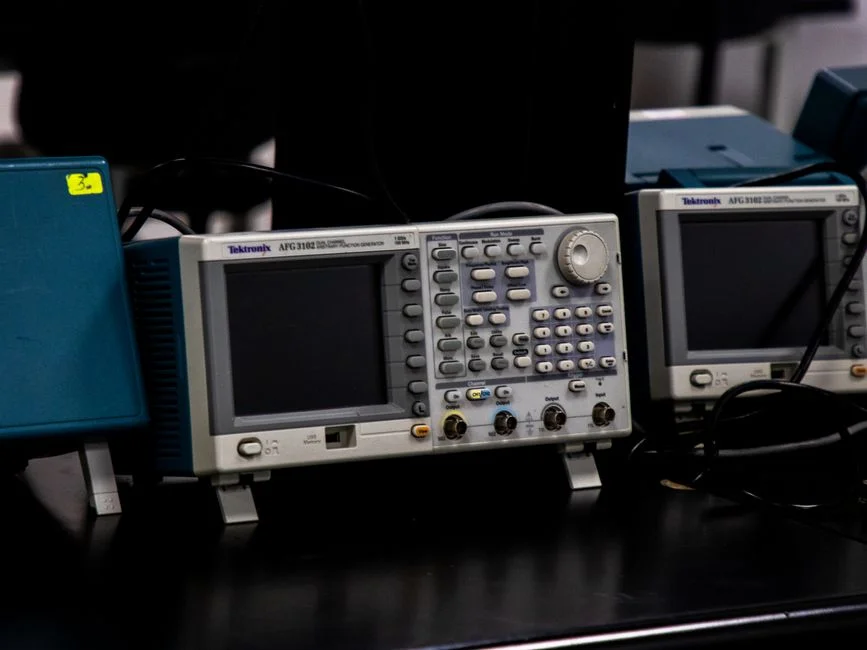
Sensor drift is the single most common root cause of POTW excursions on electroplating lines. The probes look fine, the chemistry tanks look fine, and the effluent metals quietly climb because a coated ORP junction is reading 200 mV lower than reality. A disciplined calibration routine closes that gap.
| Location | Parameter | Setpoint / target | Calibration frequency | Excursion consequence |
|---|---|---|---|---|
| Precipitation tank | pH | 8.5–9.5 | Every shift (2-point, pH 4 & 7 buffers) | Metal hydroxide redissolution; sludge volume index collapse |
| Cr(VI) reduction reactor | ORP | ≈ +250 mV | Daily | Cr(VI) breakthrough to precipitation |
| Cr(VI) reduction reactor | pH | 2.5–3.0 | Daily | Reductant over-consumption; incomplete reduction |
| Cyanide alkaline chlorination | pH | 10–11 | Daily | Cyanide breakthrough; HCN release risk |
| Cyanide alkaline chlorination | ORP | > +650 mV | Daily | Cyanide breakthrough to clarifier |
Mechanically, every probe should be mounted in an accessible bypass loop with isolation valves, fitted with a sensor guard against rag and splash impact, and paired with a redundant probe in any location whose failure would create an immediate compliance event. A technician troubleshooting a stuck reading should first refill the reference-junction filling solution; if the reading drifts downward over several days, the junction is coated with sulfide or organic brightener and needs a chemical clean; if the response time has slowed to more than 60 seconds, plan probe replacement within seven days.
Buffer contamination from rinse-water splash is the most common cause of slope drift. Keep buffer bottles capped, discard after one week of use, and never return used buffer to the stock bottle.
Chemical Dosing System Maintenance: Pumps, Tanks and Reagents
Every chemistry target above is delivered by a dosing system, and dosing errors silently push the system out of compliance long before the ORP probe catches up. Four reagent classes carry the load:
- Caustic (NaOH, typically 25–50%) for pH raise in the precipitation tank and to hold pH 10–11 in cyanide destruction. Shelf life is effectively unlimited, but concentration drift in dilute day-tanks is common — titrate monthly.
- Sulfuric acid (H₂SO₄, 30–98%) for pH lower on the Cr(VI) reduction stage. Concentrated acid is hygroscopic; store sealed.
- Sodium metabisulfite (Na₂S₂O₅) or ferrous sulfate (FeSO₄) for hexavalent chromium reduction. Sodium metabisulfite degrades on contact with air and humidity; rotate stock on a 90-day FIFO basis.
- Sodium hypochlorite (NaOCl, 12–15%) or chlorine gas for cyanide oxidation. Hypochlorite loses roughly 1–2% of available chlorine per week at room temperature; titrate before each batch draw.
Pump maintenance is the next layer. Calibrate diaphragm pumps against a graduated cylinder monthly — a 10% deviation is a flag to rebuild the diaphragm. Inspect check valves quarterly; rebuild on a runtime-hour basis (typically 2,000–4,000 hours for PTFE diaphragms). Replace peristaltic tubing every 1,500 hours or at the first sign of roller-track wear.
Under-dosing shows up as a slow rise in treated-water metal concentration over days, not as a single bad grab sample. That is why weekly tank-level and weight-based reagent inventory checks with reorder points set at 30 days of consumption are non-negotiable — running out of caustic overnight is a frequent cause of morning pH excursions and a category-1 cyanide event if it happens on the chlorination reactor. Engineers evaluating hardware for this work should look closely at a properly specified automatic chemical dosing system with built-in calibration logs and interlocks.
Clarifier, Lamella and Sludge-Handling Maintenance
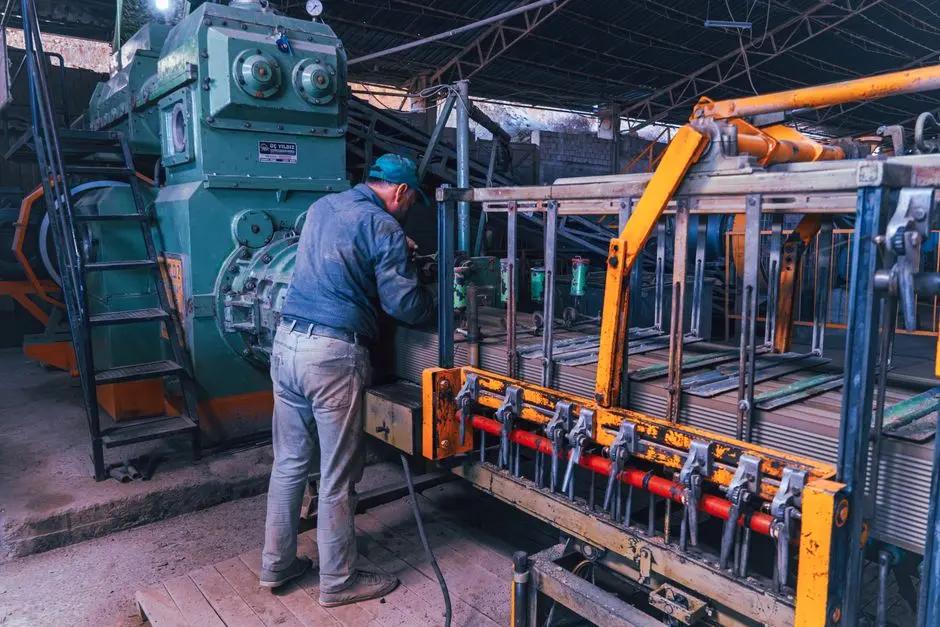
The post-precipitation stage either confirms the chemistry worked or hides a problem until the next lab sample. The target TSS < 30 mg/L after clarification is the single most useful daily compliance check on the back end of the plant. A rising effluent TSS is almost always a mechanical problem in the clarifier — a stalled rake, a plugged underflow line, or a sludge blanket that has crept up to the launder — not a chemistry problem in the reactor upstream.
Weekly inspection routine: measure sludge blanket level with a core sampler or ultrasonic probe, check rake-torque ammeter against the nameplate baseline, skim scum from the surface, and verify polymer dosing rate on the sludge thickener. Lamella plates need an acid wash on a six-month interval to dissolve settled metal-hydroxide scale; if plate spacing has visibly closed, expect a 20–40% drop in effective settling area and rising effluent TSS in the days before the wash.
Poor clarifier operation sends thin, low-density sludge to the filter press. The press then fails to form cake, the cycle time stretches, and the maintenance cascade moves downstream. A well-instrumented lamella clarifier paired with a properly cycled plate and frame filter press keeps the solids mass balance honest and the effluent compliant.
Cyanide and Hexavalent-Chromium Destruction: The High-Risk Maintenance Modules
These two reactor stages are where a missed maintenance step creates an immediate health hazard and a permit-level compliance event. The chemistry must be tested, not assumed.
| Stage | Chemistry | Operating target | Verification frequency | Maintenance trigger |
|---|---|---|---|---|
| Cyanide alkaline chlorination | NaOCl or Cl₂ at pH 10–11; complete oxidation to cyanate, then to CO₂/NH₃ | ORP > +650 mV; Cl₂:CN⁻ ≈ 2.73:1 (stoichiometric) | ORP continuous; residual Cl₂ titrated every 4 h on a cyanide-dominant line | ORP excursion or Cl₂ residual < 2 mg/L |
| Hexavalent chromium reduction | Na₂S₂O₅ or SO₂ at pH 2.5–3.0, then precipitation at 8.5–9.5 | ORP ≈ +250 mV; effluent Cr(VI) < 0.1 mg/L | Diphenylcarbazide test every 4 h on a chrome-dominant line | ORP > +350 mV indicates reductant depletion |
| Interlock | Function | Test cadence | ||
| pH low-low on Cl₂ feed | Shuts off chlorine if pH drops below 9.5 (prevents HCN release) | Monthly proof test | ||
| ORP high on acid feed (Cr stage) | Shuts off acid feed if ORP climbs above +400 mV (prevents overdosing) | Monthly proof test | ||
Maintenance implication: titrate residual chlorine, do not rely on ORP alone. A high ORP reading with depleted total chlorine means the probe is reading a different redox couple — usually iron — and cyanide is breaking through underneath. The chromium stage needs a fresh batch of diphenylcarbazide reagent on the shelf at all times, and the test-kit shelf life is roughly 90 days once opened.
Under the PFAS rulemaking (docket EPA-HQ-OW-2022-0869), chrome finishing facilities must also maintain mist eliminators and fume-suppressant systems with the same discipline as the reactor itself, because PFAS discharges are now under active EPA review. Inspect mist-eliminator demister pads quarterly; replace when pressure drop rises more than 25% above clean baseline (per EPA, 2025).
2026 Maintenance Schedule, Spares and Records
This schedule consolidates 40 CFR Part 413 maintenance obligations with the chemistry, mechanical, and interlocks above. Print it, laminate it, and pin it inside the motor control center door.
| Frequency | Task | Reference |
|---|---|---|
| Daily | Verify pH and ORP at every reactor; record in logbook | 40 CFR Part 413 categorical limits |
| Weekly | Two-point pH calibration; ORP single-point check against reference solution; reagent inventory check | Probe manufacturer SOP |
| Monthly | Pump calibration against graduated cylinder; diphenylcarbazide test-kit replacement; interlock proof test (pH low-low, ORP high); clarifier sludge-blanket profile | Reactor SOP |
| Quarterly | Check-valve rebuild; mist-eliminator pressure-drop inspection; effluent composite sampler verification | EPA PFAS study guidance, 2025 |
| Semi-annual | Lamella plate acid wash; pH/ORP probe reference-junction refill or replacement | Manufacturer service interval |
| Annual | Flow-meter verification against Part 413 reporting volume; full probe replacement of critical-loop sensors; PFAS baseline sampling on chrome lines | 40 CFR Part 413; EPA-HQ-OW-2022-0869 |
Critical spares to keep on the shelf: two pH probes, one ORP probe per reactor, reference electrolyte filling solution, one full diaphragm kit per dosing pump, one set of check-valve cartridges, 30 days of reagent at current dosing rates (NaOH, H₂SO₄, Na₂S₂O₅, NaOCl), and a fresh 90-day supply of diphenylcarbazide reagent. Engineers who need to understand the upstream biological stage that often sits ahead of a metal-finishing train can cross-reference the denitrification troubleshooting field guide for analogous sensor-discipline practices.
The logbook is a compliance instrument, not a journal. It must record pH/ORP trends, reagent consumption, every maintenance action, every deviation, and the corrective action taken. A clean, time-stamped log converts into the strongest possible defense if a POTW excursion triggers a permit review. Close out 2026 with a PFAS baseline sample set on every chrome line, so the eventual numeric limit under docket EPA-HQ-OW-2022-0869 catches you with data in hand rather than a blank page.
Frequently Asked Questions
What flow threshold triggers 40 CFR Part 413 maintenance obligations?
Any indirect discharger (a facility discharging to a POTW) processing 38,000 L/day (10,000 gal/day) or more must comply with the full Part 413 categorical limits for lead, cadmium, copper, nickel, chromium, zinc, silver, total cyanide, and the total-metal sum (Cu+Ni+Cr+Zn). Below that threshold, only lead, cadmium, and cyanide are regulated, which means a smaller plant can run a lighter weekly calibration list — but the pH 8.5–9.5 precipitation and the ORP setpoints still apply because the local POTW typically enforces them in the discharge permit anyway (per EPA, 2025).
What ORP setpoints must a technician verify on a cyanide and chromium line?
Two setpoints carry the load. On the alkaline-chlorination cyanide reactor, hold ORP above +650 mV at pH 10–11; a reading below that is a cyanide breakthrough in progress and the chlorine feed must be investigated. On the hexavalent-chromium reduction reactor, hold ORP around +250 mV at pH 2.5–3.0; a reading climbing above +350 mV indicates reductant depletion and Cr(VI) will slip past the reactor into the precipitation tank.
What is the current status of the EPA PFAS rulemaking for chrome finishing?
The rulemaking is active under docket EPA-HQ-OW-2022-0869, and the EPA has determined that chrome finishing facilities — chromium plating, chromium anodizing, chromic acid etching, and chromate conversion coating — are the predominant PFAS-discharge sources in the metal-finishing and electroplating point-source categories. A numeric limit is in proposed-rule development. Chrome lines should already be inspecting fume suppressants and mist eliminators, and pulling baseline PFAS samples annually so they are not starting from zero when the final rule lands (per EPA, 2025).
What is the chlorine-to-cyanide stoichiometry for alkaline chlorination?
Complete oxidation of free cyanide to cyanate requires roughly 2.73 mg Cl₂ per mg CN⁻ at pH 10–11 and ORP above +650 mV. Further oxidation of cyanate to CO₂ and NH₃ requires additional chlorine. Pump sizing should be based on the higher of the two stoichiometric demands, with a 10–20% safety margin, and pump capacity must be interlocked to ORP and pH setpoints so a probe failure cannot drive a massive over-dose.
How often should pH and ORP probes be calibrated, and what happens if it is skipped?
Calibrate pH probes two-point (pH 4 and pH 7) every shift on the precipitation tank and at least daily on the Cr(VI) and cyanide reactors; ORP probes get a daily single-point check against a reference solution such as Light's solution or a ZoBell's standard. Skipping calibration allows junction coating and reference drift to silently push the process out of target, which is the direct root cause of most POTW excursions in metal-finishing plants. The cost of the buffer and 10 minutes of technician time is trivial compared with a single Notice of Violation and the corrective-action hours that follow.