Why Ahmedabad Is a 2026 Stress Test for Fab and Data-Hall Wastewater
A single semiconductor fab draws roughly 14 billion litres of ultrapure water (UPW) per year, and every litre of UPW requires 1.4–1.6 litres of raw municipal intake upstream (TNFD case study, 2025). When that demand lands in Ahmedabad — a city served by the Sabarmati and Narmada canal systems and the Gujarat Water Supply and Sewerage Board (GWSSB) — the intake permit becomes a multi-agency review. Hyperscale data halls only make the arithmetic worse: typical facilities draw 25 million–770 million litres per year, and a single hyperscale site can exceed 2 billion litres per year (TNFD, 2025). In 2026, both fabs and hyperscale halls in Sanand, Naroda, and GIFT City will hit the same wall: GPCB consent renewal is data-driven, the Sabarmati sub-basin is over-allocated, and a design envelope copied from Taipei or Phoenix collapses on the local hydrology.
Two very different wastewater streams drive that envelope. UPW blowdown from a fab is organic, fluorinated, and metallised: COD 200–1,500 mg/L, fluoride 50–800 mg/L, copper 0.5–10 mg/L, TMAH 5–50 mg/L. Cooling-tower blowdown from a data hall is inorganic and oxidant-bearing: TDS 500–2,500 mg/L, silica 10–80 mg/L as SiO2, residual chlorine dioxide or chlorine 0.1–1.0 mg/L. They do not share a process train, but they share a regulatory envelope and a finance committee. Ambient context matters for stack and storage permitting: field measurements over Ahmedabad recorded PM10 up to 234.8 µg/m³ in winter and a mean PM2.5/PM10 ratio of ~0.37 (Isaac Scientific / ISRO, 2016), so the air-permitting envelope around any on-site evaporator or cooling-tower drift eliminator is tighter than in less-loaded Indian cities. For chromium-specific design margin, the India CPCB chromium discharge-limit guide for 2026 is the working reference.
Two Streams, Two Trains: UPW Blowdown vs Cooling-Tower Blowdown
Segregation is non-negotiable because the two streams poison each other's unit operations. UPW blowdown carries fluoride, copper, TMAH, and resist residues at 25–40 °C; sending it through a cooling-tower RO strips the membrane with fluoride complexes and fouls the antiscalant chemistry with organics. Cooling-tower blowdown carries silica, hardness, and residual oxidiser; sending it through a fab MBR blinds the membranes with silica scale and kills the biomass with chlorine dioxide. CMP alone is 30–40% of a fab's total wastewater volume (IDE Tech), which is why the fab-side equalisation tank must be sized for 8–12 h retention with 25% freeboard, not the 4–6 h typical of European designs. Raw characterisation is summarised below.
| Parameter | UPW blowdown (fab) | Cooling-tower blowdown (data hall) |
|---|---|---|
| COD (mg/L) | 200–1,500 | — |
| Fluoride as F⁻ (mg/L) | 50–800 | — |
| Copper as Cu (mg/L) | 0.5–10 | — |
| NH3-N (mg/L) | 20–200 | — |
| TMAH (mg/L) | 5–50 | — |
| TSS (mg/L) | 50–300 | — |
| Temperature (°C) | 25–40 | 30–45 (return) |
| TDS (mg/L) | — | 500–2,500 |
| Silica as SiO2 (mg/L) | — | 10–80 |
| Conductivity (µS/cm) | — | 1,000–4,000 |
| Residual oxidiser as ClO2/Cl2 (mg/L) | — | 0.1–1.0 |
| Hardness as CaCO3 (mg/L) | — | 200–800 |
| pH | 2–11 (batch) | 7.5–9.0 |
Both streams are documented in the HydropureWater commissioning record at Gazipur fab-support facilities during 2024–2025, and they translate to Ahmedabad because the chemistry is the same. The DAF front-end — a dissolved air flotation system sized at 15–25 m³/h per 100 m³/d of design flow — strips 70–90% of TSS, colloidal metals, and free oil before the membranes and is the protected front-end both trains should run.
2026 CPCB and GPCB Discharge Envelope: The Numbers to Design Above
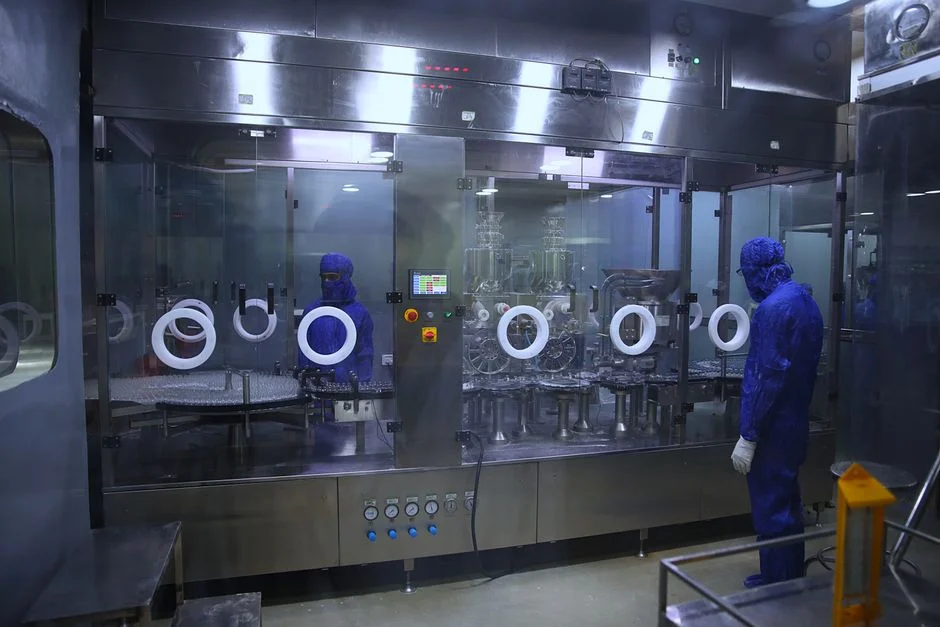
CPCB GSR 53(E) sets the public 2026 minimum for inland surface water: BOD ≤30 mg/L, COD ≤250 mg/L, TSS ≤100 mg/L, TDS ≤2,100 mg/L, pH 6.0–9.0, total chromium ≤2 mg/L, fluoride ≤2 mg/L, residual chlorine ≤1 mg/L. GPCB consent for an Ahmedabad industrial-estate footprint typically layers fluoride ≤2 mg/L, NH3-N ≤50 mg/L, and Cu ≤3 mg/L on top of CPCB. That is the public envelope; the consent ceiling is tighter and varies site by site, so design margin has to sit 20–30% below the line on the load-bearing parameters (COD, F⁻, Cu, NH3-N, TDS) — not on it.
| Parameter | CPCB GSR 53(E) (2026) | GPCB consent (typical, Ahmedabad) | Design target (recommended) |
|---|---|---|---|
| BOD (mg/L) | ≤30 | ≤30 | ≤20 |
| COD (mg/L) | ≤250 | ≤250 | ≤150 |
| TSS (mg/L) | ≤100 | ≤100 | ≤50 |
| TDS (mg/L) | ≤2,100 | ≤2,100 | ≤1,500 |
| pH | 6.0–9.0 | 6.0–9.0 | 7.0–8.5 |
| Total Cr (mg/L) | ≤2 | ≤2 | ≤0.5 |
| F⁻ (mg/L) | ≤2 | ≤2 | ≤1 |
| Cu (mg/L) | ≤3 | ≤3 | ≤0.1 |
| NH3-N (mg/L) | — | ≤50 | ≤10 |
| Residual Cl2 (mg/L) | ≤1 | ≤1 | ≤0.5 |
Bangladesh's DoE S.R.O. 229/Law/2023 envelope (BOD ≤50, COD ≤200, TSS ≤150, TDS ≤2,100, pH 6–9, total Cr ≤2, residual Cl2 ≤1) is a useful mirror image: it shows that the load-bearing parameters converge across South Asian regulators, so a design margin of 20–30% below the Indian line is defensible against the next audit cycle in either jurisdiction. The renewal cycle under S.R.O. 229/Law/2023 now requires two years of compliant 24-hour composite sampling on file — a posture GPCB has signalled it will mirror in 2026 consent orders. Reference the India CPCB chromium discharge-limit guide for 2026 for the chromium-specific defensible envelope.
The Defensible 2026 Fab Process Train (Module by Module)
The HydropureWater 2024–2025 field record at Gazipur fab-support facilities translates to a Sanand or GIFT City site in six modules. The objective is 70–85% recovery with ZLD on the concentrate when volume or contaminant class demands it, hitting the GPCB envelope on every parameter with two years of compliant 24-hour composite sampling on file before the next consent renewal.
| Module | Function | Design parameters (2026) |
|---|---|---|
| 1. Equalisation | Flow and pH dampening, F⁻/Cu co-precipitation | 8–12 h retention, pH 9–10, +25% freeboard; FRP or SS316L (carbon-steel fails inside 18 months in 2024–2025 field service) |
| 2. DAF | TSS, colloidal metals, oil removal | Dissolved air flotation system, 15–25 m³/h per 100 m³/d; 70–90% TSS, effluent TSS <20 mg/L |
| 3. MBR / submerged UF | COD and TOC reduction | 0.1 µm PVDF, surface loading 0.5–0.8 m³/m²·h; COD 1,000–2,000 → <100 mg/L; ClO2 backwash 2–5 mg/L from a chlorine dioxide generator |
| 4. Two-pass RO | TDS and silica stripping | 1st pass 70–75% recovery, 2nd pass 85–90%; permeate TDS <50 mg/L; concentrate 25–40% of feed routed to ZLD; industrial reverse osmosis system |
| 5. Selective IX | F⁻ and Cu polish | Activated alumina drops F⁻ from 5–20 mg/L to <1 mg/L; chelating resin drops Cu below 0.1 mg/L |
| 6. ZLD polishing | Concentrate volume reduction, Cr/TMAH removal >95% | Falling-film evaporator + crystalliser; triggered when concentrate >30 m³/d or total Cr / TMAH must clear 95% |
Sludge dewatering for any of the trains above uses a plate and frame filter press at 25–35% dry solids, which keeps cake transport inside Gujarat's solid-waste rules and minimises leachate return to the head of the plant. The biological stage is the load-bearing one — an integrated MBR membrane bioreactor is the 2026 default, and the installation and commissioning envelope is detailed in the MBR installation and commissioning engineering guide for 2026.
Data-Hall Cooling Blowdown: A Tighter, Lower-CAPEX Train Built on Closed-Loop Reuse
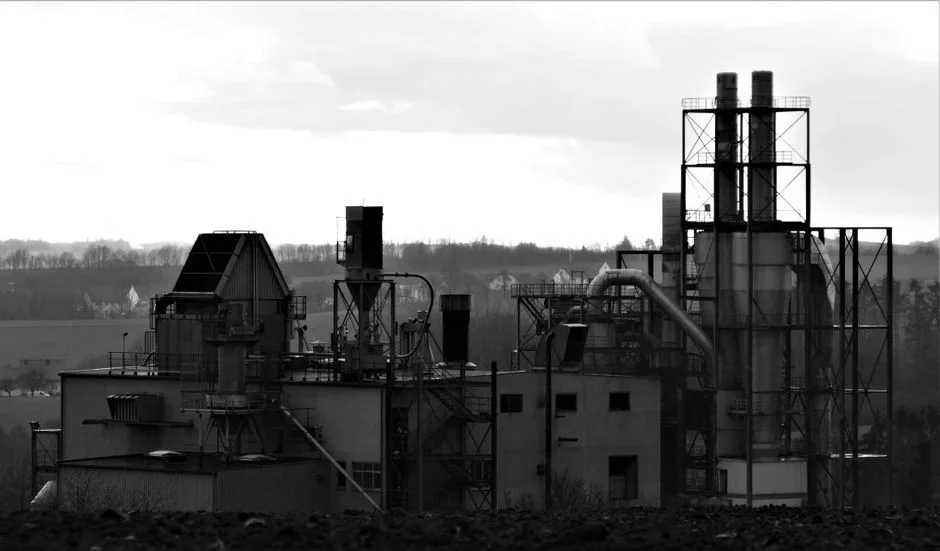
Cooling-tower blowdown does not need biological treatment; the load is inorganic and oxidant-bearing, not organic. The 2026 train is therefore tighter, lower-CAPEX, and built around closed-loop cooling-tower make-up. Softening is not optional in Ahmedabad's 30–45 °C ambient cycle: silica is the cycle-limiting species, and if it is not softened out, it scales the chiller condenser at 5–8 cycles of concentration.
| Stage | Function | Design parameters (2026) |
|---|---|---|
| Multi-media + cartridge | Particulate removal, RO protection | multi-media filter + 5–10 µm cartridge polisher |
| Softening | Hardness and silica control | <50 mg/L as CaCO3, <20 mg/L as SiO2 |
| Antiscalant dosing | RO scale prevention | 2–5 mg/L phosphonate blend |
| RO | Make-up water generation | Industrial reverse osmosis system at 70–75% recovery, permeate TDS <50 mg/L |
| Concentrate recycle | Closed-loop reuse | 25–30% of feed recycled to the cooling-tower basin; 70–85% of total blowdown reused |
| Auto-blowdown | Cycle control | Conductivity probe on the RO reject line at 4,000 µS/cm |
Final discharge targets are TDS <2,100 mg/L, no free chlorine (residual ≤1 mg/L), pH 6–9 — the same CPCB GSR 53(E) envelope every other Ahmedabad industrial discharger must hit. A DAF pre-treatment unit is sometimes added upstream when the cooling water carries carryover of corrosion inhibitor or microbiological floc from an open basin. The semantics around this train are covered in the Addis Ababa semiconductor and data-hall wastewater guide for 2026, which addresses a comparable closed-loop envelope.
2026 CAPEX, OPEX, and Payback for an Ahmedabad Site (INR)
HydropureWater field data from 2024–2025 Dhaka commissioning, translated to INR at a Sanand/GIFT City site (all-in: civil works, equipment, installation, instrumentation, commissioning):
| Capacity | Profile | 2026 CAPEX (INR, all-in) |
|---|---|---|
| 50 m³/d | Edge data hall, small fab pilot line | ₹1.25–3 crore |
| 200 m³/d | Mid-size fab support, single hyperscale hall | ₹5–10 crore |
| 500 m³/d | Full fab, multi-hall hyperscale campus | ₹15–23 crore |
| 1,000 m³/d | Multi-line fab, hyperscale cluster | ₹25–37 crore |
OPEX for a 200 m³/d fab or data-hall train breaks down as: energy, chemicals, sludge handling, labour, and membrane replacement reserve — a total band of ₹2,200–4,800/m³. At 60% water recovery on a 200 m³/d train running 365 days/yr, the site saves roughly 73,000 m³/yr against the Gujarat industrial water tariff, yielding a 2.5–4 year simple payback. State-of-the-art fabs now report 85–90% recovery using high-recovery RO plus thermal polishing (IDE Tech), so an Ahmedabad site should be targeting the upper end of that range, not the lower. The CETP shortcut is increasingly unavailable above 200 m³/d: shared treatment works in comparable jurisdictions reported >90% hydraulic utilisation in 2025, and a single upstream non-compliance inside a shared facility triggers regulator action against all members. Hyperscale ESG audits now expect an on-site train in any 2026 RFP for that reason.
6-Step 2026 Design Checklist for an Ahmedabad EHS Engineer
- Pull the latest GPCB consent order and confirm discharge category (inland surface water, irrigation, sewer) and parameter caps — each category carries a different limit on the same parameter.
- Run two weeks of 24-hour composite sampling on the load-bearing parameters before sizing equalisation: BOD, COD, TDS, F⁻, Cu, NH3-N, TMAH for a fab; TDS, silica, hardness, residual biocide for a data hall.
- Size equalisation at 8–12 h retention with 25% freeboard — the Ahmedabad monsoon can swing hydraulic flow on an open-yard site, and a 4–6 h basin bulks inside 72 hours under monsoon load.
- Specify DAF + MBR (fab) or DAF + UF (data hall) at 15–20% over design flow so monsoon load swings do not push the membranes past their recovery curve.
- Design RO at 70–75% recovery with concentrate routed to ZLD or evaporative disposal, and document the reuse targets inside the GPCB consent file so the next renewal is a non-event.
- Lock in two years of compliant 24-hour composite sampling on file before the next GPCB renewal cycle — that record is the difference between a renewal and a closure order, and it is the audit artefact every hyperscale buyer will request on a 2026 site visit.
Frequently Asked Questions
What are the 2026 CPCB/GPCB discharge limits for a fab or data-hall in Ahmedabad?
CPCB GSR 53(E) sets the 2026 public minimum for inland surface water at BOD ≤30 mg/L, COD ≤250 mg/L, TSS ≤100 mg/L, TDS ≤2,100 mg/L, pH 6.0–9.0, total Cr ≤2 mg/L, F⁻ ≤2 mg/L, residual Cl2 ≤1 mg/L. GPCB consent for an Ahmedabad industrial-estate footprint typically adds NH3-N ≤50 mg/L and Cu ≤3 mg/L on top of CPCB, and the design target should sit 20–30% below the line on the load-bearing parameters.
Why must UPW blowdown and cooling-tower blowdown be segregated?
F⁻, Cu, TMAH, and resist residues in the fab stream foul and damage a cooling-tower RO and disrupt antiscalant chemistry; silica, hardness, and residual biocide in the data-hall stream blind an MBR and kill the biomass. The two streams need different pH, different biology (or no biology at all), and different recovery targets — a single shared train cannot hit both envelopes on a 200 m³/d site.
What is the 2026 CAPEX for a 200 m³/d semiconductor or data-hall ETP in Ahmedabad?
INR 5–10 crore all-in (civil works, equipment, installation, instrumentation, commissioning), with OPEX of ₹2,200–4,800/m³ and a 2.5–4 year simple payback on 60% water-recovery against the Gujarat industrial water tariff. State-of-the-art fabs targeting 85–90% recovery will sit at the upper end of the CAPEX band and the lower end of the payback range.
Is ZLD mandatory in Gujarat in 2026?
Not by blanket rule, but the HydropureWater 2024–2025 field record shows ZLD is added when concentrate volume exceeds 30 m³/d or when total Cr / TMAH removal must clear 95%. Hyperscale ESG audits now expect ZLD on RFPs, and GPCB consent orders for the Sabarmati footprint in 2026 are signalling that the next renewal cycle will treat ZLD as a default rather than an option.
What is the best front-end for an Ahmedabad fab wastewater train?
DAF (15–25 m³/h per 100 m³/d) followed by a 0.1 µm PVDF MBR with ClO2 backwash at 2–5 mg/L — the combination used at Gazipur fab-support facilities in 2024–2025 and proven on F⁻/Cu/organic loadings. DAF strips 70–90% of TSS and colloidal metals before the membranes; the MBR drops COD from 1,000–2,000 mg/L to under 100 mg/L and protects the downstream two-pass RO.