The Growing Need for Advanced Wastewater Treatment in Mexico
Mexico faces significant water challenges, characterized by increasing scarcity in many regions and growing demand from industrial and urban centers. This pressure intensifies the need for sustainable water management practices, particularly for industries and municipalities striving to meet evolving environmental standards and secure reliable water sources. Modern wastewater treatment is no longer solely about compliance; it is a critical component of water security and operational resilience. The potential for water reuse is paramount, offering a sustainable alternative to over-extracted freshwater sources. Among the advanced technologies emerging to address these needs, Membrane Bioreactor (MBR) systems stand out for their ability to consistently produce high-quality effluent suitable for a wide range of reuse applications. This capability is increasingly vital as regulatory frameworks, such as the national standards, drive stricter discharge limits and promote circular water economies. The adoption of MBR technology is a strategic imperative for entities seeking to optimize water usage, minimize environmental impact, and ensure long-term operational continuity in Mexico.
What is an MBR Wastewater Treatment System and How It Works
An MBR wastewater treatment system represents a significant advancement by integrating biological treatment with membrane separation technology. This synergy allows for the production of exceptionally high-quality effluent, often surpassing the standards of conventional activated sludge processes. The core principle involves combining a biological reactor, where microorganisms break down organic pollutants, with a membrane filtration unit that physically separates the treated water from the biomass and suspended solids. Two primary configurations exist: submerged MBRs, where membrane modules are immersed directly within the bioreactor, and external MBRs, where membranes are housed in a separate tank downstream of the biological stage. Key components include the bioreactor tank, aeration systems to support microbial activity, sophisticated membrane modules – typically employing PVDF (Polyvinidene Fluoride) flat sheet membranes with a pore size of 0.1 μm for microfiltration or ultrafiltration, and permeate pumps to draw treated water through the membranes. The process flow generally begins with screening and equalization, followed by biological treatment in the bioreactor, then membrane separation, and finally disinfection if required. The principal advantages of MBR systems are their superior effluent quality, significantly reduced footprint – up to 70% smaller than conventional systems, enabling installation in space-constrained areas – and their inherent modularity, allowing for scalable treatment capacities. HydropureWater offers advanced solutions, including integrated MBR membrane bioreactor systems and high-performance DF series PVDF flat sheet membrane modules.
MBR Applications in Mexico: Industrial, Municipal & Commercial

The versatility and superior performance of MBR systems make them an ideal solution for a broad spectrum of applications across Mexico. In the industrial sector, MBR technology is particularly valuable for industries with high water consumption and stringent discharge requirements. This includes the food and beverage sector, where MBRs can upgrade existing wastewater treatment plants for water recycling, and textile, pharmaceutical, petrochemical, and automotive industries seeking to meet environmental regulations and reduce their reliance on freshwater. For municipal applications, MBRs are increasingly deployed in small to medium-sized cities and remote communities where space is limited or where decentralized treatment is preferred. Their compact design and high-quality effluent make them suitable for achieving compliance and enabling local water reuse for non-potable purposes. In the commercial and residential spheres, MBR systems are an excellent choice for hotels, resorts, large housing developments, and hospitals, ensuring reliable wastewater management and offering opportunities for water reuse in irrigation or utility services. MBR systems effectively remove a wide range of contaminants, including Biochemical Oxygen Demand (BOD), Chemical Oxygen Demand (COD), Total Suspended Solids (TSS), nutrients like nitrogen and phosphorus, and pathogens, making them a comprehensive solution for diverse wastewater challenges in Mexico.
Navigating Mexican Wastewater Treatment Regulations: NOM-003 Compliance
Compliance with Mexican wastewater treatment regulations is paramount for any industrial or municipal project, and the national standard NOM-003-SEMARNAT-1997 plays a significant role in defining the quality of treated wastewater for discharge and reuse. This norm establishes specific parameters and limits for various reuse scenarios, such as agricultural irrigation, public services, and industrial processes. MBR systems are inherently capable of meeting and often exceeding these stringent standards. The membrane filtration stage effectively removes virtually all suspended solids and a significant portion of pathogens, while the biological treatment component reduces BOD and COD to very low levels. For instance, MBR effluent typically exhibits TSS levels well below 5 mg/L and BOD levels below 10 mg/L, often meeting even the most restrictive reuse criteria. Beyond NOM-003, it is essential to be aware of other federal and state-level regulations that may influence system design, operation, and discharge permits. Working with equipment manufacturers and engineering partners who possess a deep understanding of Mexico's regulatory landscape is critical for ensuring a compliant and successful wastewater treatment project. This includes understanding specific discharge limits for different regions and intended reuse applications, which can vary based on local water scarcity and environmental protection priorities.
MBR vs. MBBR vs. RO: Choosing the Best System for Your Mexican Project

Selecting the appropriate wastewater treatment technology is a critical decision for any project in Mexico, with Membrane Bioreactor (MBR), Moving Bed Biofilm Reactor (MBBR), and Reverse Osmosis (RO) being prominent options. Each offers distinct advantages and is suited for different applications and effluent quality targets. MBR systems excel in producing a consistently high-quality effluent with minimal suspended solids and pathogens, making them ideal for water reuse and stringent discharge compliance. They achieve this within a significantly smaller footprint compared to conventional methods. MBBR is a simpler biological process that utilizes plastic carriers to support biofilm growth. While it offers good biological treatment and a relatively compact design compared to traditional activated sludge, its effluent quality is generally not as high as MBR, and it typically requires further polishing for reuse. RO systems are physical separation processes that remove dissolved salts, minerals, and other contaminants to produce very high-purity water. MBR systems are often used as a pretreatment step for RO to protect the delicate RO membranes from fouling, extending their lifespan and reducing operational costs. The choice depends heavily on the project's specific needs:
| Feature | MBR (Membrane Bioreactor) | MBBR (Moving Bed Biofilm Reactor) | RO (Reverse Osmosis) |
|---|---|---|---|
| Effluent Quality | Very High (low TSS, BOD, pathogens) | Good (biological treatment) | Very High (low dissolved salts, high purity) |
| Footprint | Smallest (up to 70% reduction vs conventional) | Compact (smaller than conventional) | Variable, depends on pre-treatment and post-treatment |
| Complexity | Moderate to High (membrane maintenance) | Low to Moderate (biofilm management) | High (membrane cleaning, high pressure) |
| Energy Consumption | Moderate (aeration, pumping) | Moderate (aeration, pumping) | High (high-pressure pumps) |
| Capital Cost (CAPEX) | Moderate to High | Lower to Moderate | High (especially for large scale) |
| Operational Cost (OPEX) | Moderate (membrane replacement, chemicals) | Lower (less chemical use) | High (energy, membrane replacement) |
| Primary Application | High-quality reuse, strict discharge, limited space | General wastewater treatment, BOD/COD reduction | Desalination, ultra-pure water production, polishing |
For projects requiring high-quality effluent for reuse, meeting stringent discharge regulations, or operating in space-constrained environments in Mexico, MBR technology is often the optimal choice. HydropureWater offers MBR systems with capacities ranging from 10 to 2,000 m³/day and Industrial Reverse Osmosis (RO) systems for water purification that can be integrated for advanced treatment needs.
MBR Wastewater Treatment System Cost in Mexico & ROI Considerations
The cost of an MBR wastewater treatment system in Mexico is influenced by several factors, encompassing both capital expenditure (CAPEX) and operational expenditure (OPEX). CAPEX includes the purchase of equipment, installation, civil works, and engineering design. OPEX involves ongoing costs such as energy consumption for aeration and pumping, chemicals for membrane cleaning and sanitization, routine maintenance, spare parts, and labor. For HydropureWater's MBR systems, capacities range from 10 to 2,000 m³/day, with larger systems generally having a lower cost per cubic meter treated but a higher overall initial investment. The influent wastewater characteristics (e.g., high organic load, salinity, or specific contaminants) can also impact system design and, consequently, cost. Membrane type, such as PVDF flat sheet membranes, and the degree of automation, such as fully automated systems requiring minimal operator intervention, are also significant cost drivers. Evaluating the total cost of ownership (TCO) over the system's lifespan is crucial for B2B buyers. The return on investment (ROI) for an MBR system in Mexico is often realized through reduced water purchase costs due to successful water reuse, lower wastewater discharge fees, potential eligibility for environmental incentives or subsidies, and the long-term benefit of guaranteed regulatory compliance, avoiding costly fines or operational disruptions. For a deeper analysis of pricing and ROI, consult a detailed MBR system for sewage cost price guide and general MBR system costs and ROI analysis.
Selecting an MBR System Manufacturer for Your Mexico Project
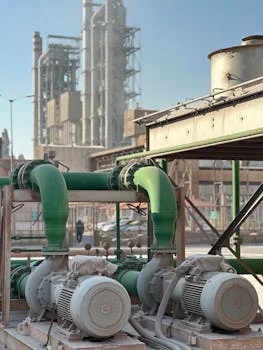
Choosing the right MBR system manufacturer is a critical step for ensuring the long-term success and reliability of your wastewater treatment project in Mexico. Key criteria for selection include extensive experience with MBR technology, a proven track record of successful installations, and the quality of components, particularly the membranes. Manufacturers should ideally offer robust after-sales support and possess local presence or strong service capabilities within Mexico to address any operational issues promptly. Customized solutions that meticulously account for specific Mexican wastewater characteristics and local regulatory requirements are also essential. Buyers should evaluate system efficiency, the level of automation offered (e.g., fully automated systems like HydropureWater's WSZ series that can operate with minimal supervision), and the overall long-term reliability of the proposed MBR technology. Adherence to international standards and certifications further validates a manufacturer's commitment to quality and performance. HydropureWater, as a global manufacturer with specialized expertise in industrial wastewater solutions, provides comprehensive support and reliable MBR systems tailored to the demanding needs of the Mexican market.
Frequently Asked Questions About MBR Wastewater Treatment in Mexico
- Does Mexico have wastewater treatment? Yes, wastewater treatment is increasingly prevalent and essential in Mexico. Driven by growing water scarcity and stricter environmental regulations, the adoption of advanced treatment technologies like MBR is expanding across industrial and municipal sectors to ensure compliance and promote water reuse.
- Which is better MBBR or MBR? MBR generally offers superior effluent quality and a significantly smaller footprint, making it ideal for water reuse and space-constrained applications. MBBR is a simpler biological process with lower capital costs, suitable for general wastewater treatment where extremely high effluent quality is not the primary requirement.
- What is the difference between MBR and RO? MBR is a biological treatment process combined with membrane filtration, producing high-quality effluent for reuse. RO is a physical separation process using semi-permeable membranes to remove dissolved salts and impurities, yielding very high-purity water. MBR is often used as a pretreatment for RO.
- What is the typical lifespan of MBR membranes? The typical lifespan of MBR membranes, such as PVDF flat sheet membranes, is generally between 5 to 10 years. This lifespan is heavily dependent on the quality of operation, the effectiveness of maintenance protocols, and the frequency and type of cleaning procedures employed. A well-managed MBR membrane bioreactor maintenance guide is crucial for maximizing membrane longevity.
- What are the main operational challenges of MBR systems? Key operational challenges for MBR systems include membrane fouling, which can reduce flux and increase