Why Fermentation Broth Waste Is a Different DAF Problem
Fermentation broth waste is not generic food-industry effluent. It carries residual sugars (glucose, sucrose, or molasses at 0.5–5 g/L after downstream recovery), amino acids, intact microbial biomass — Saccharomyces, E. coli, Streptomyces, Corynebacterium, Aspergillus mycelia depending on the product — plus antifoam (silicone emulsions or polyol-based agents at 50–500 mg/L), CIP rinse water, and process salts. The combined COD lands in the 10,000–80,000 mg/L band, with TSS typically 1,000–10,000 mg/L. That profile is one to two orders of magnitude higher in organic load than municipal wastewater, and the antifoam fraction is what makes it a flotation problem rather than a settling problem.
Sedimentation fails because buoyant mycelia, emulsified antifoam droplets, and colloidal proteins resist gravity. Dissolved air flotation works on the same biological slurries identified in the 2016 BioResources pulp-and-paper review, where DAF is documented as standard flotation technology for fibrous and protein-rich streams. In fermentation, a dissolved air flotation system configured for broth captures what gravity clarifiers let escape.
Set the expectation early: DAF alone will not meet reuse or stringent discharge limits for high-COD broth. It is a pre-treatment step — it knocks out floatables, mycelia, and antifoam so the downstream train (activated sludge, MBR, RO) can do its job without fouling. A vendor who promises compliance from DAF alone on antibiotic or amino-acid broth is overselling the unit.
How a DAF Unit Treats Fermentation Broth: The Mechanism
Four steps run in sequence inside a DAF cell, and each one has a configuration knob attached to it.
Step 1 — Coagulation and flocculation. Raw broth is dosed with ferric chloride at 50–150 mg/L (or PAC at 80–200 mg/L) in a flash-mix chamber, then anionic polyacrylamide at 1–3 mg/L in a slow-mix chamber. The coagulant neutralizes colloidal charge and destabilizes emulsified antifoam; the flocculant bridges destabilized particles into 0.5–3 mm flocs.
Step 2 — Bubble generation. A portion of clarified effluent (the recycle stream, typically 20–50% of throughput) is pressurized to 4–6 bar in a saturator vessel and held for 30–60 seconds to dissolve air. When the saturated recycle passes through a needle valve or nozzle back into the flotation cell, the pressure drop nucleates a cloud of 10–80 μm micro-bubbles — the size band confirmed in both the 2016 BioResources review and protein-recovery literature as the optimum for bubble-floc attachment.
Step 3 — Bubble-particle attachment and rise. Micro-bubbles collide with flocs in the contact zone and attach via hydrophobic and electrostatic forces. The bubble-floc aggregate rises in 20–40 minutes hydraulic residence time, forming a float layer at the surface that a skimmer blade scrapes into a launder.
Step 4 — Underflow removal. Clarified effluent exits from the bottom of the cell. What DAF removes: floatable TSS, intact mycelia, oils, and attached colloids — typically 60–85% TSS and 30–60% BOD. What DAF does not remove: dissolved COD, soluble sugars, small organic acids, and salts — these require a biological or membrane step downstream. The 2021 Resources trade-waste review is explicit on this point: flotation is one tool in a train, not a full treatment train by itself.
DAF Configuration Parameters for Fermentation Broth
This is the matrix you hand to the vendor. Every number is a starting point, not a guarantee — jar-testing on the actual broth is non-negotiable because antifoam and mycelia fraction vary batch to batch.
| Parameter | Typical range | Default | Notes |
|---|---|---|---|
| Saturator pressure | 4–6 bar (60–90 psi) | 5 bar | Use 6 bar when feed is <15 °C — cold water holds less dissolved air |
| Recycle ratio | 20–50% of throughput | 30–40% | Push to 40–50% when antifoam load is heavy |
| Micro-bubble diameter | 10–80 μm | 30–50 μm | <20 μm rises too slowly; >60 μm attaches poorly |
| Hydraulic loading rate | 5–15 m/h | 8–10 m/h | Measured on flotation cell surface area |
| HRT (contact + separation) | 20–40 min | 25–30 min | Includes floc blanket zone |
| FeCl3 dose | 50–150 mg/L | 80–100 mg/L | Increase for high TSS or high antifoam; pair with automatic chemical dosing for consistency |
| Anionic PAM dose | 1–3 mg/L | 1.5–2 mg/L | Jar-test per batch; overdosing raises float viscosity |
| Alternative coagulant | PAC 80–200 mg/L | PAC 120 mg/L | Use when pH <5.5 or >7.5 (FeCl3 window is 5.5–7.5) |
| Operating pH | 5.5–7.5 (FeCl3) | 6.5–7.0 | Outside this range switch to PAC or alum |
| Skimmer blade speed | 0.5–1.0 m/min | 0.7 m/min | Too fast resuspends flocs; too slow thickens float unevenly |
| Float solids | 3–6% dry solids | 4–5% | Higher with heavy antifoam load |
The dissolved air flotation system accepts the saturator, recycle pump, and cell geometry as modular selections. Vendors will often quote a 4 bar / 30% recycle default for cost — push back with the 5–6 bar / 30–40% specification unless the broth is unusually easy (low antifoam, low TSS, warm).
Pre-Coagulation vs Post-Coagulation: Where to Dose
The choice most vendor brochures skip.
Pre-coagulation — coagulant and flocculant dosed into the feed line ahead of the DAF cell via static mixer or dedicated flash-mix/slow-mix tank. Flocs form fully before they meet micro-bubbles. Capture runs 80–90% on TSS, and this is the right call for high-TSS, antifoam-laden broth from antibiotic or yeast fermenters. The cost is shear sensitivity: long pipe runs or aggressive pumping can break flocs before they reach the cell.
Post-coagulation — coagulant dosed into the saturated recycle line so flocs form in the contact zone of the cell. Gentler, lower shear, and useful for shear-sensitive streams like recombinant protein broth where floc breakage releases product back into the water. The trade-off is capture: 50–70% TSS removal, because not all particles fully flocculate before bubble contact.
Hybrid dosing — a small dose (30–50% of total) in-line ahead of the cell, with the balance dosed into the recycle. This is the most common 2026 setup for variable broth waste because it tolerates batch-to-batch swings in antifoam and TSS. Jar-test on three or four representative batches confirms the split ratio. Default to pre-coagulation unless you have a documented reason (validated product loss, shear damage to flocs) to do otherwise.
DAF-Only vs DAF+MBR: Choosing the Right Train for Reuse or Discharge
DAF is a pre-treatment, not a destination. The downstream train is determined by the end-point.
| Train configuration | End-point | Typical effluent quality | When to specify |
|---|---|---|---|
| DAF only → polishing DAF or sand filter | Partial discharge / sewer with consent | BOD 200–800 mg/L; COD 2,000–15,000 mg/L; TSS <50 mg/L | Influent COD <10,000 mg/L and discharge limits are relaxed; missing BOD <30 mg/L is acceptable |
| DAF + activated sludge / SBR | Municipal sewer discharge | BOD <30 mg/L; COD <150 mg/L; TSS <30 mg/L | Sewer consent limits apply; DAF protects biology from antifoam shock loading |
| DAF + MBR membrane bioreactor | On-site process water reuse | BOD <5 mg/L; TSS <1 mg/L; turbidity <1 NTU | Reuse is the target; MBR delivers near-reuse effluent after DAF strips mycelia and antifoam that would foul membranes |
| DAF + MBR + RO | High-purity reuse / water recovery >90% | Conductivity <50 µS/cm | Boiler feed, CIP rinse reuse, or zero-liquid-discharge sites; RO follows MBR, never DAF directly |
The logic behind DAF ahead of MBR: mycelia and antifoam are the two foulants that destroy MBR membranes fastest. A well-configured DAF removes 80–90% of both before the mixed-liquor suspended solids ever see the membrane surface. Skipping DAF and sending raw broth to MBR typically cuts membrane life by 40–60% based on field reports from antibiotic and amino-acid plants — that's the strongest economic argument for keeping DAF in the train even when reuse compliance could theoretically be reached by biology alone. For related biotech wastewater work, the DAF configuration for brewery spent yeast water guide follows the same logic for a different biomass.
Float Handling: What Happens to the Removed Solids
The float is itself a waste stream. Expect 2–5% of feed volume coming off as float at 3–6% dry solids — so a 100 m³/h DAF produces roughly 4–8 m³/d of float sludge at 4% solids, or about 4–8 tonnes wet weight per day. Plan for it.
Dewatering choices: a plate and frame filter press is the cost-effective option for plants generating under 2 t/d of dry float solids — it delivers a 25–35% dry cake that's stackable and cheap to haul. Above 2 t/d, a decanter centrifuge typically wins on OPEX despite higher capex, especially if the float is high in antifoam (filter cloths blind faster on oily float).
Disposal route depends on what was fermented. Yeast and enzyme float solids are high in protein (40–60% of dry weight) and can be co-digested in an on-site anaerobic digester for biogas recovery, or rendered into animal feed pending regulatory approval. Antibiotic broth float is usually classified as hazardous waste under most national frameworks because of residual active pharmaceutical ingredients — confirm with your environmental compliance team before routing. For comparison, the DAF configuration for edible oil soapstock water article covers a float stream with very different disposal economics.
Cost & ROI: What a 2026 DAF Installation Actually Costs
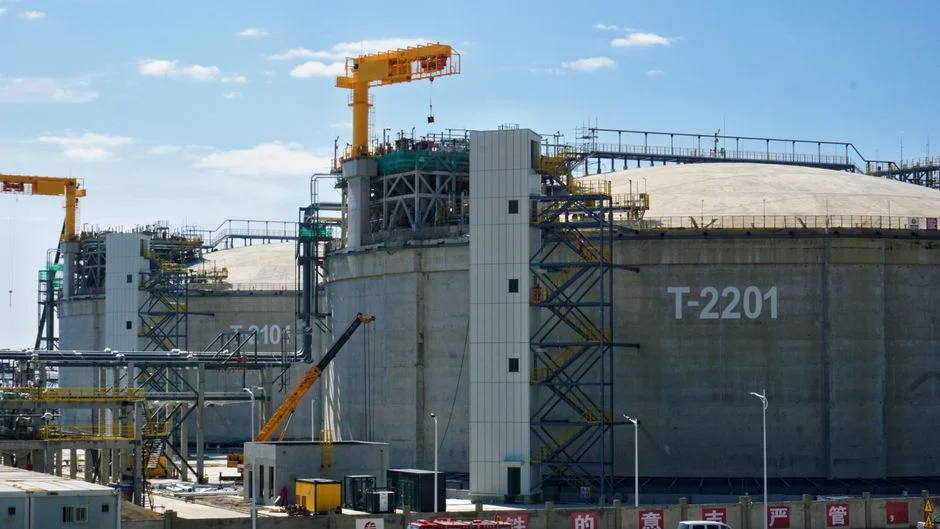
Directional figures only — final pricing depends on cell volume, material of construction (SS304 vs SS316 for high-Cl broth), and whether the saturator skid is packaged with the cell.
Capital cost. Industrial DAF units for 10–100 m³/h capacity typically fall in the $80,000–$400,000 USD band as of 2026. Saturator vessel and skimmer mechanism are the largest line items, followed by the recycle pump and control panel. Add 20–30% for installation, instrumentation, and civil works.
Operating cost. Coagulant (FeCl3 + anionic PAM) is the dominant chemical OPEX at roughly $0.10–$0.40 per m³ treated depending on dose and local chemical pricing. Compressed air for the saturator runs 0.5–2 kWh/m³, and float disposal (hauling, dewatering energy) adds another $0.10–$0.50/m³. Total OPEX typically lands at $0.30–$1.20 per m³ treated for a well-run installation.
Payback levers. Two numbers matter. Municipal discharge surcharges in 2026 commonly run $0.50–$3.00 per m³ for high-COD trade waste — eliminating that line item is the first payback driver. Process water reuse at $0.50–$2.00 per m³ vs. fresh-water purchase is the second. Most fermentation plants that need to hit reuse-grade effluent see 18–36 month payback on a DAF+MBR train when both levers apply. DAF-only trains on a sewer-discharge end-point typically pay back inside 12–24 months because the capex is lower and the discharge surcharge avoidance alone covers it.
Sizing rule of thumb. Design for peak instantaneous flow × 1.2 safety factor, not the daily average. Fermenter batch dumps and CIP discharge spikes kill DAF cells that were sized on average flow — the float layer over-runs the launder, and the operator finds out at 2 a.m. on a Sunday.
Frequently Asked Questions
What DAF configuration treats fermentation broth waste for reuse or discharge?
A 4–6 bar saturator with 20–50% recycle generating 10–80 μm micro-bubbles, paired with 50–150 mg/L FeCl3 and 1–3 mg/L anionic PAM, is the standard 2026 configuration. It delivers 60–85% TSS and 30–60% BOD removal as a pre-treatment step ahead of MBR for reuse or activated sludge for discharge compliance — the dissolved air flotation system accepts this parameter set as a standard build.
Can DAF alone meet discharge limits for antibiotic or amino-acid broth?
No. DAF alone leaves 2,000–15,000 mg/L COD in the effluent — well above any direct discharge standard. It is a pre-treatment that protects downstream biology or membranes; pairing with activated sludge, SBR, or MBR is required for compliance.
What coagulant works best for fermentation broth with high antifoam?
Ferric chloride at 80–120 mg/L is the default because it destabilizes both colloidal protein and silicone-based antifoam emulsions. PAC at 120–180 mg/L is the substitute when pH drifts outside the 5.5–7.5 FeCl3 window — common when fermenter broth carries residual alkali from CIP.
How much float sludge will a fermentation DAF produce?
Typically 2–5% of feed volume at 3–6% dry solids, so a 50 m³/h DAF generates 2–5 m³/d of wet float. Dewater with a plate and frame filter press for plants under 2 t/d dry solids; switch to a decanter centrifuge above that threshold.
Why is DAF placed before MBR instead of sending raw broth straight to membranes?
Mycelia and antifoam are the two foulants that destroy MBR membranes fastest. DAF removes 80–90% of both ahead of the membrane tank, which typically extends membrane life by 40–60% and avoids CIP cycles that would otherwise dominate MBR OPEX.