A package wastewater treatment plant in Wales, UK, is a prefabricated, EN12566-3-certified system designed for on-site sewage treatment, requiring a free, one-time registration with Natural Resources Wales (NRW). These robust systems typically handle flow rates from 1 to 80 m³/day, achieving over 95% removal of Biochemical Oxygen Demand (BOD) and Total Suspended Solids (TSS), with installed costs ranging from £5,000 to £25,000, depending on capacity and chosen technology.
What Is a Package Wastewater Treatment Plant?
Package wastewater treatment plants are factory-built, skid-mounted wastewater treatment systems designed for small-scale, decentralised sewage treatment, typically handling flow rates from 1 to 80 m³/day. Unlike traditional municipal wastewater treatment facilities that serve large populations, package plants are self-contained units ideal for locations not connected to the main sewer network. These systems utilise advanced biological processes, such as Anoxic/Aerobic (A/O) contact oxidation or Membrane Bioreactors (MBR), to treat raw sewage to stringent EN12566-3 standards, ensuring a high-quality effluent discharge.
A package plant differs significantly from a conventional septic tank. While a septic tank primarily separates solids from liquids through anaerobic digestion, discharging a partially treated effluent, a package plant actively treats wastewater through aerobic biological processes, achieving much higher purification levels. These systems are fully automated, requiring minimal operator intervention, and can be installed either buried underground or above-ground, depending on site specifics and aesthetic preferences. Common applications include rural homes, hotels, holiday parks, hospitals, schools, and various industrial sites that generate domestic-strength wastewater or require specific pre-treatment before discharge.
Legal Requirements for Installation in Wales
All small sewage discharges in Wales, including those from package wastewater treatment plants, are subject to regulatory oversight by Natural Resources Wales (NRW) and must be registered to ensure environmental compliance. This registration is a mandatory, one-time, and free process for systems discharging less than 5 cubic meters per day (m³/day) of treated effluent to ground or surface water. Such systems typically fall under the General Binding Rules (GBRs), provided they are EN12566-3 certified and meet other specific conditions, negating the need for a full environmental permit.
An environmental permit may be required for discharges exceeding 5 m³/day, or for discharges into environmentally sensitive areas, such as designated conservation zones or where groundwater is a drinking water source. Property developers and facility managers must verify the specific discharge volume and location with NRW. Beyond environmental regulations, the installation of any package wastewater treatment plant must also comply with local Building Control standards. This typically involves ensuring proper siting, excavation, pipework, and electrical connections meet safety and structural requirements. A reputable installer should provide all necessary compliance certifications and assist with the NRW registration process, offering peace of mind that the system operates legally and responsibly.
How Do Package Plants Work? (A/O, MBR & DAF Compared)
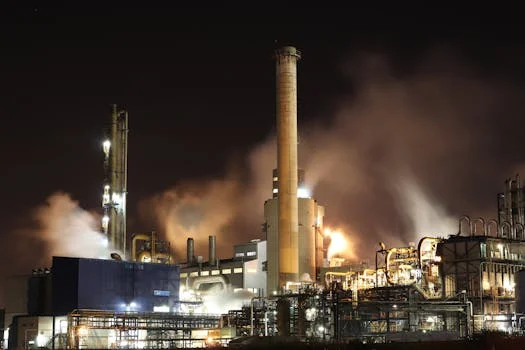
Package wastewater treatment plants employ various biological and physical processes to purify sewage, with common technologies including Anoxic/Aerobic (A/O) systems, Membrane Bioreactors (MBR), and Dissolved Air Flotation (DAF). Each technology is suited to different effluent quality targets, flow rates, and site constraints.
- A/O (Anoxic/Aerobic) Systems: These systems, often found in EN12566-3-compliant underground package wastewater treatment plant models like the WSZ Series, utilise a contact oxidation process followed by sedimentation. Raw sewage enters an anoxic zone for denitrification, then moves to an aerobic zone where microorganisms break down organic matter. Solids settle in a clarifier, and treated effluent is discharged. A/O systems typically achieve 92–95% removal of BOD and TSS, making them ideal for domestic and light commercial use with flow rates up to 80 m³/h. They are known for their robustness and cost-effectiveness.
- MBR (Membrane Bioreactor) Systems: MBR systems integrate activated sludge treatment with advanced membrane filtration. The membranes, submerged directly in the activated sludge tank, act as a physical barrier, removing all suspended solids and many pathogens. This results in an exceptionally high-quality effluent, often with a turbidity of less than 1 μm, suitable for direct reuse or discharge to sensitive environments. MBR systems offer a significantly smaller footprint (up to 60% less than conventional A/O plants) for the same capacity, making them ideal for sites with limited space or applications requiring superior effluent quality, such as a compact MBR system for high-effluent-quality applications in hospitals or food processing facilities.
- DAF (Dissolved Air Flotation) Systems: DAF systems are primarily physical-chemical treatment processes that use micro-bubbles to separate fats, oils, grease (FOG), and suspended solids from wastewater. Pressurised water saturated with air is introduced into the wastewater, forming tiny bubbles that attach to solid particles, floating them to the surface for skimming. DAF systems achieve 90–97% TSS and FOG removal, making them highly effective as a pre-treatment step for industrial wastewater, such as in food processing, meatpacking, or rendering plants, before further biological treatment, or for direct discharge where FOG is the primary concern, like with a Dissolved Air Flotation (DAF) machine.
All these package plant technologies are designed for full automation, incorporating Programmable Logic Controllers (PLCs) for process control and often offering remote monitoring options for enhanced operational efficiency and preventative maintenance.
| Technology | Primary Process | Typical Effluent Quality (BOD/TSS Removal) | Footprint (Relative) | Ideal Applications |
|---|---|---|---|---|
| A/O (Anoxic/Aerobic) | Biological Oxidation, Sedimentation | 92–95% | Standard | Rural homes, small hotels, campsites, domestic-strength wastewater |
| MBR (Membrane Bioreactor) | Biological Oxidation, Membrane Filtration | >98% (Turbidity <1 μm) | Compact (60% smaller) | Hospitals, commercial buildings, water reuse, sensitive discharge locations |
| DAF (Dissolved Air Flotation) | Physical-Chemical Separation (Micro-bubbles) | 90–97% (TSS/FOG) | Moderate | Industrial pre-treatment (food processing, oil & gas), high FOG content wastewater |
Cost of a Package Wastewater Treatment Plant in Wales
The installed cost of a package wastewater treatment plant in Wales typically ranges from £5,000 for small domestic units to over £50,000 for larger industrial systems, primarily influenced by flow capacity, treatment technology, and site-specific installation complexities. These figures encompass the supply of the unit, excavation, pipework, electrical connections, and commissioning, but exclude costs for land acquisition or extensive site preparation for very challenging ground conditions (HydropureWater field data, 2025).
- Domestic Systems (1–5 m³/day): For single homes or small lodges, an EN12566-3-certified A/O package plant typically costs between £5,000 and £12,000 fully installed. This includes the unit, standard excavation, pipework to and from the unit, and electrical hook-up.
- Commercial Systems (10–50 m³/day): Larger commercial applications like small hotels, schools, or offices requiring flow rates from 10 to 50 m³/day can expect installed costs between £15,000 and £25,000. MBR systems within this capacity range will generally be at the higher end due to their advanced technology and superior effluent quality.
- Industrial DAF or MBR Systems (50+ m³/day): For industrial applications with higher flow rates or specific pre-treatment needs, such as DAF units for FOG removal or large-scale MBR plants, costs can range from £25,000 to over £50,000. These systems often require customisation based on the specific industrial effluent characteristics.
Beyond the initial capital expenditure, ongoing operational costs include electricity consumption, annual servicing, and periodic sludge removal. Electricity costs for an average domestic plant are typically £200–£600 per year. Annual servicing, including mechanical checks and minor adjustments, ranges from £300 to £800. For A/O and MBR systems, chemical costs are generally negligible. Sludge removal is typically required every 6–12 months, with costs varying by haulier and volume.
| System Type & Capacity | Installed Cost Range (Wales, UK) | Annual Electricity Cost (Approx.) | Annual Servicing Cost (Approx.) |
|---|---|---|---|
| Domestic (1–5 m³/day, A/O) | £5,000–£12,000 | £200–£400 | £300–£500 |
| Commercial (10–50 m³/day, A/O) | £15,000–£20,000 | £400–£600 | £500–£800 |
| Commercial (10–50 m³/day, MBR) | £20,000–£25,000 | £500–£700 | £600–£900 |
| Industrial (50+ m³/day, DAF/MBR) | £25,000–£50,000+ | £700+ (variable) | £800+ (variable) |
Choosing the Right System: Decision Framework
Selecting the optimal package wastewater treatment plant for a site in Wales requires evaluating specific factors such as effluent discharge requirements, available footprint, anticipated flow rate, and future expansion potential. A structured decision-making process ensures compliance, cost-effectiveness, and long-term operational efficiency.
- For Homes and Small Lodges: An EN12566-3-certified A/O plant, such as the WSZ Series, typically offers the lowest initial cost and maintenance requirements while meeting regulatory discharge standards for domestic applications. This is a robust and proven solution for single properties or small clusters of dwellings.
- For Hospitals, Food Processing, or Sensitive Discharges: MBR or DAF systems add significant reliability and produce a higher effluent quality. MBR technology is particularly beneficial where discharge is to a sensitive watercourse, or where treated water reuse is a goal, offering superior filtration. DAF systems excel as pre-treatment for industrial effluent with high levels of fats, oils, grease, or suspended solids. For a detailed MBR vs traditional treatment comparison, further research can be found on this topic.
- For Tight Spaces or Urban Sites: MBR systems are a compelling choice as they can reduce the required footprint by up to 60% compared to conventional biological treatment plants. This makes them ideal for urban developments, existing facilities with limited land, or sites where aesthetic impact needs to be minimised.
- For Future Expansion: If a property developer anticipates future growth or increased occupancy, investing in a modular package plant system is advisable. Modular designs allow for capacity upgrades by adding additional units or modules without requiring a complete system replacement, providing flexibility and protecting the initial investment. For insights into international package plant regulations and pricing, consider reviewing resources like the Package Wastewater Treatment Plant in Uzbekistan: Costs, Specs & Suppliers 2025 article.
Frequently Asked Questions
Here are answers to common questions regarding package wastewater treatment plants in Wales:
What is the difference between a septic tank and a package treatment plant?
Septic tanks only settle solids and provide minimal anaerobic treatment, discharging partially treated effluent. Package plants bi