Why New York Clinics Need a Dedicated Hospital Sewage Treatment Plant
A hospital sewage treatment plant for New York clinics treats non-domestic clinic effluent on-site before sewer or ditch discharge. Pharmaceutical residues, reagents, pathogens, and radionuclides often run 2–10× municipal levels. Conventional primary clarification typically cuts BOD by only 40–60%. Clinic flows of 1–50 m³/day must close that gap before the trunk sewer.
A 15-bed Manhattan clinic that sent gray and black water straight to the city sewer drew a NYSDEC notice in late 2025. Pretreatment failed BOD5 and fecal coliform ceilings on a downstream sample. The fix was a packaged biological stage plus on-site disinfection, not a domestic septic tank. Clinic effluent is not domestic sewage.
Per the PMC hospital wastewater review, concentrations run 2–10× higher than municipal sewage (Subedi and Kannan, 2015, Science of the Total Environment 514:273–280). EPA-style surface-discharge targets used for hospital sizing are BOD5 below 30 mg/L, TSS below 30 mg/L, and fecal coliform below 200 CFU/100 mL. NYSDEC Part 703.6 codifies numerical limits for sanitary discharges to state waters.
New York's 6 NYCRR Part 360 also governs solids handling, residuals, and sludge removal for any on-site system. Equipment must clear both the discharge side and the solids side. A purpose-built Medical & Hospital Wastewater Treatment System addresses the pathogen and trace-organic load a domestic STP will not.
New York Regulatory Map: NYSDEC, SPDES, and NYCDEP Sewer Use Rules
Three regulators and one pretreatment rule book typically govern a clinic discharge in New York. NYSDEC requires SPDES coverage once design flow of sewage to groundwater reaches 1,000 gallons per day (≈3.8 m³/day) when industrial wastes are absent. Most clinics cross that threshold after an imaging suite or procedure room is added.
According to NYSDEC's SPDES program page, groundwater discharges below 1,000 gpd of sewage without industrial waste do not need a SPDES permit. County or city health approval may still apply. For groundwater discharges of 1,000–10,000 gpd of treated sanitary sewage only, PCI General Permit GP-0-25-002 (effective May 11, 2025) can cover eligible on-site systems. Individual SPDES coverage still applies when eligibility fails or the discharge is to surface water.
If the discharge goes to the city sewer in one of the five boroughs, NYCDEP Rules Title 15 Chapter 19 applies. Earlier summaries often cited pH 5–11.
15 RCNY § 19-03 excludes corrosive wastewater below pH 5.0 or above pH 12.0, and bans steam or wastewater above 150 °F (NYCDEP Title 15 Chapter 19).
Flammable solvents are prohibited. BOD/TSS ceilings are enforced at the building's sampling manhole. Radioactive isotopes from nuclear medicine — technetium-99m (6-hour half-life) and iodine-131 (8-day half-life) — must be held for decay per NYSDEC Part 380 before release. The field rule of thumb is 10 half-lives of holding-tank volume before discharge to the clinical waste stream.
Dental practices face a separate mandate: 6 NYCRR Subpart 380-9 requires an ISO 11143-compliant amalgam separator upstream of any drain that receives chair-side wastewater. Pharmaceutical waste, particularly cytotoxic drugs and controlled substances, is generally a RCRA hazardous waste in New York. It must be segregated at source so it never reaches the STP. NYCDEP § 19-03 also bars hazardous waste pharmaceuticals from the public sewer.
| Rule | Trigger / Scope | Key Numeric Limit | Applies To |
|---|---|---|---|
| SPDES permit (NYSDEC) | Discharge over 1,000 gal/day (≈3.8 m³/day) | BOD5 <30 mg/L, TSS <30 mg/L, fecal coliform <200 CFU/100 mL | Surface or groundwater discharge |
| NYCDEP Title 15 Ch. 19 | Any discharge to NYC sanitary sewer | Earlier summaries used pH 5–11; §19-03 sets pH 5.0–12.0; temp <150 °F; BOD/TSS limits at manhole | Manhattan, Brooklyn, Queens, Bronx, Staten Island clinics |
| NYSDEC Part 380 | Nuclear medicine isotopes | Decay-in-storage, ~10 half-lives | Radiology, thyroid clinics, oncology |
| 6 NYCRR Subpart 380-9 | Dental chair-side drains | ISO 11143 amalgam separator (≥95% removal) | All NY dental clinics |
| 6 NYCRR Part 360 | On-site solids/residuals handling | Sludge removal, transport, disposal records | Any package STP with sludge storage |
| RCRA (federal + NYS) | Pharmaceutical hazardous waste | Source segregation, manifests | Oncology, infusion, surgical centers |
What Comes Out of a Clinic: Wastewater Characteristics and Sizing Math
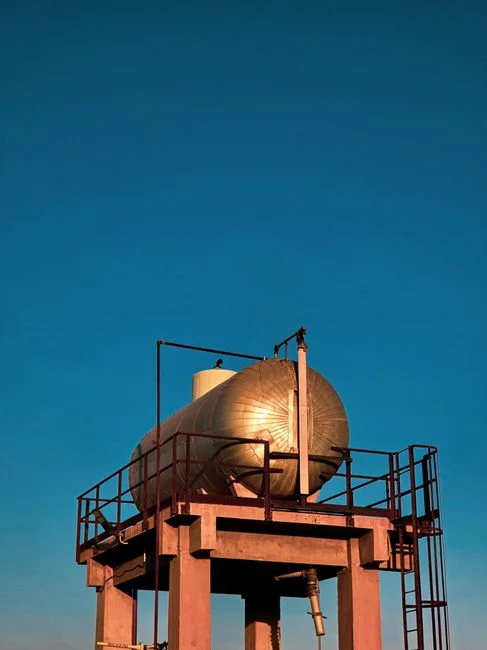
Hospital wastewater flow runs 400–600 L/bed/day for inpatient care. Outpatient clinics generate 50–80 L/patient visit (per the PMC HWW review). A worked example helps. A 20-bed clinic with 40 outpatients per day produces roughly 8,000 L from beds plus 1,600–3,200 L from outpatients.
That averages 9.6–11.2 m³/day. Apply a 1.5× peaking factor for morning shift surge and you get a 14.4–16.8 m³/day design flow.
That band fits the 5–30 m³/day equipment class cleanly. Most plants we size for specialty clinics in the Northeast run at the lower end of that band until procedure rooms fill the afternoon schedule.
Typical clinic effluent carries BOD5 of 150–400 mg/L, COD of 300–800 mg/L, and TSS of 100–300 mg/L. That is roughly two to three times a residential profile because of procedure-room waste, instrument rinse water, and lab drainage. Raw fecal coliform in clinic sewage routinely hits 10⁵–10⁷ CFU/100 mL.
A 3-log reduction usually suffices for NYCDEP sewer discharge. A 5-log reduction is the right target for surface discharge under SPDES. Pathogen disinfection — not just settling — is non-negotiable. A domestic septic tank will not pass a SPDES or NYCDEP sample.
For cross-reference on EPA and TCEQ effluent numbers used by US hospital designers, see this hospital wastewater treatment in Houston 2026 guide.
Three Equipment Families Compared: Ozone, WSZ Package A/O, and MBR
For the 1–50 m³/day clinic band in New York, three equipment families have the reference base to clear NYSDEC, NYCDEP, and local plumbing code. The first is the compact ozone medical wastewater system. It combines multi-stage filtration with ozone disinfection and posts a 99%+ kill rate on fecal coliform with no chemical dosing.
At roughly 0.5 m² of equipment footprint the compact skid fits inside a clinic mechanical room. It suits dental, dermatology, and small specialty clinics under 5 m³/day.
The second is the WSZ buried A/O package plant. It integrates anoxic/oxic contact oxidation, sedimentation, and chlorine disinfection in a single buried tank rated for 1–80 m³/h and runs unattended.
WSZ is the workhorse for community clinics and small hospitals in the 5–30 m³/day range. The third is the MBR membrane bioreactor system.
MBR couples activated sludge with a submerged PVDF membrane at 0.1 µm pore size. It cuts the biological-stage footprint by about 60% versus a conventional settling tank and drops effluent TSS below 1 mg/L.
MBR fits tight urban sites, reuse targets, or sites where a secondary clarifier is physically impossible. Trade-offs are real. Ozone has no residual, so a reuse loop needs a secondary barrier. Chlorine needs dechlorination with sodium bisulfite before NYCDEP discharge.
MBR membrane replacement is the largest OPEX line item, but it eliminates the secondary clarifier. The Houston 2026 hospital wastewater guide covers TCEQ and EPA effluent numbers used to size the same three families in Texas.
| Parameter | Ozone | WSZ Package A/O | MBR |
|---|---|---|---|
| Design flow range | 1–5 m³/day | 5–80 m³/day | 5–50 m³/day |
| Equipment footprint | ≈0.5 m² (skid) | Buried tank, 1.0–1.5× flow in m² of site area | ≈40% of conventional footprint |
| Disinfection method | Ozone (no chemical) | Chlorine (dechlor required for NYCDEP) | UV or chlorine downstream of membrane |
| Effluent TSS | <30 mg/L | <30 mg/L | <1 mg/L (near-reuse quality) |
| Pathogen kill rate | 99%+ fecal coliform | ≥3-log with proper CT | ≥5-log (membrane barrier + disinfection) |
| Operator requirement | None (automated) | Quarterly inspection | Monthly membrane CIP check |
| Best fit | Dental, specialty <5 m³/day | Community clinic 5–30 m³/day | Urban site, reuse, or high-strength specialty |
Sizing Your Plant: A Decision Framework for 1–50 m³/day Clinics
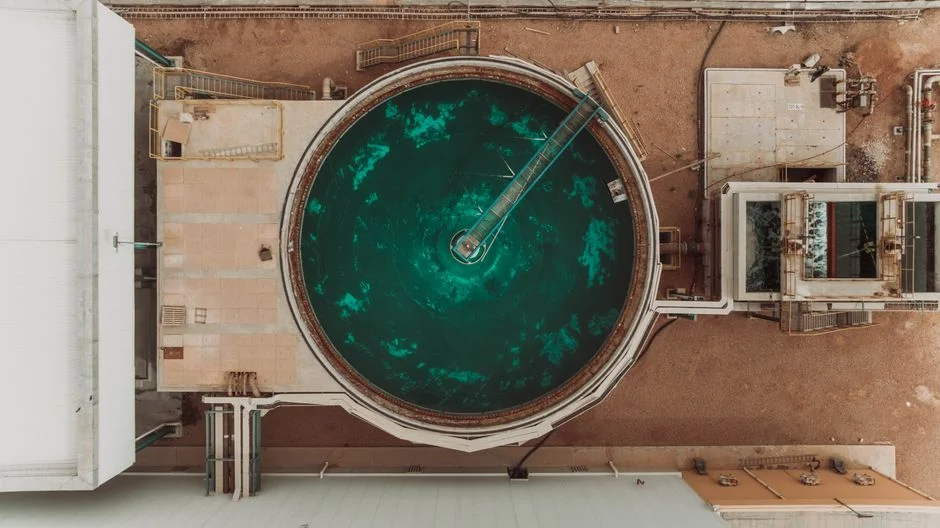
Three steps take a clinic manager from a flow number to a defensible equipment shortlist. Step 1 — confirm the discharge path. If the building has an active NYCDEP connection and the local interceptor can accept the load, buy a pre-treatment package sized to Title 15 manhole limits. If the site is on a septic system or discharging to a stormwater feature, buy a full SPDES-grade plant with surface-discharge effluent quality.
Step 2 — match the flow band. Under 5 m³/day, the ozone skid is the most compact and lowest-permit option. At 5–30 m³/day, both the WSZ package A/O and the MBR are credible. WSZ wins on CAPEX; MBR wins on footprint and effluent quality.
At 30–50 m³/day, the MBR with optional DAF pre-treatment handles high-TSS loads from surgery centers and endoscopy suites without upsizing the bioreactor. Step 3 — check site constraints. Buried versus above-grade drives excavation cost and NYCDEP plumbing review. In Manhattan, a 42 dBA night-time noise limit at the property line often rules out a packaged blower room unless it is buried or acoustically enclosed.
Any above-grade equipment in an unheated mechanical room needs freeze protection rated for the ASHRAE 1% design temperature, roughly -10 °F (-23 °C) in NYC. The Bilbao hospital wastewater treatment 2026 guide walks through the same three-step logic for a European urban clinic with comparable flow ranges.
2026 Cost Benchmarks for New York Clinic Installations
2026 USD installed costs for clinic-scale package plants in New York run higher than the national median. SPDES review timelines, NYC plumbing permitting, and prevailing-wage labor drive the premium. Skid-delivered CAPEX bands (HydropureWater field data, 2026): WSZ package A/O at $4,500–$7,500 per m³/day; MBR at $8,000–$14,000 per m³/day; compact ozone at $6,000–$9,000 per m³/day.
New York adds 15–25% for code compliance, seismic bracing, and union labor on commercial installations. A 15 m³/day MBR system in NY lands at $120,000–$210,000 total installed. That figure includes design, SPDES permitting, NYCDEP tap work, and commissioning.
OPEX is dominated by power and consumables. MBR membrane cleaning chemicals run $0.08–$0.15 per m³ treated. Ozone electricity runs $0.20–$0.35 per m³.
Chlorine dosing runs $0.05–$0.10 per m³, plus bisulfite dechlorination at another $0.03–$0.06 per m³ to meet NYCDEP's residual chlorine limit. Permitting and engineering typically add 12–18% to the total project cost in New York.
That share exceeds the national average because SPDES reviews have stretched to 6–9 months in 2025–2026 (per NYSDEC permit dashboard reporting, 2025-09). For an international cost comparison on a similar flow range, the Izmir hospital wastewater treatment 2026 guide provides Turkish and EU benchmarks that frame the US number.
Procurement Checklist Before You Sign a Vendor Contract
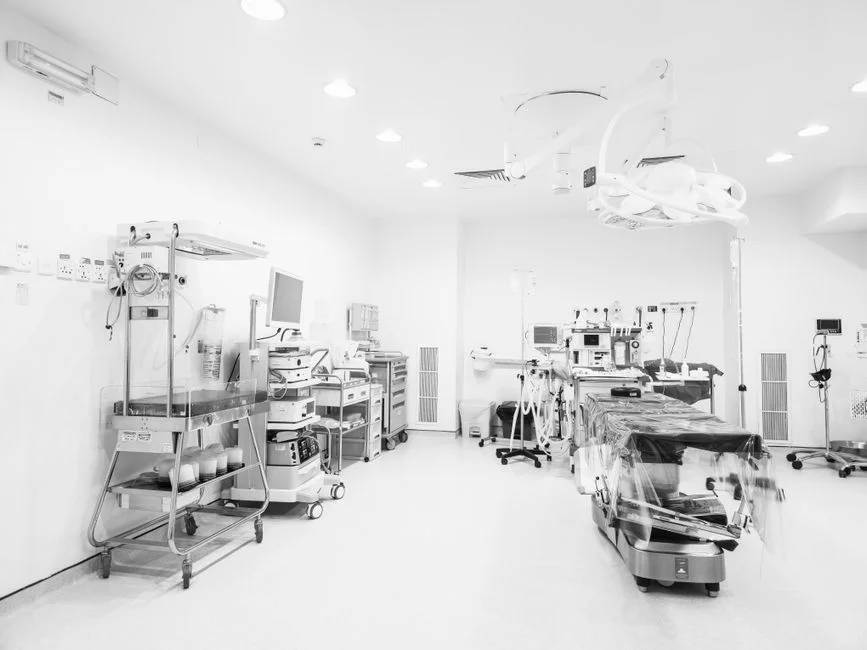
Five contract items separate a defensible installation from a 24-month headache. (1) Verify the vendor holds ASME RTP-1 certification for any pressure vessel in the disinfection train and UL 508A for the control panel. Both are standard in US medical-grade packages and both are commonly missing on imports.
(2) Demand a reference list of at least two New York or Northeast US medical installations commissioned within the last 36 months, and call them. (3) Require a guaranteed effluent performance bond tied to numeric BOD5, TSS, and fecal coliform limits under SPDES or NYCDEP. Do not accept the phrase "meets EPA," because that phrase is not enforceable.
(4) Confirm remote monitoring via SCADA or cellular telemetry so the clinic can satisfy NYSDEC operator certification rules without a 24/7 on-site operator. (5) Lock membrane and consumable replacement intervals and unit pricing for 5 years. This is where a low-bid vendor recoups margin, and the only fix is a written schedule with a price column.
Pair the main STP with a properly sized automatic chemical dosing system for dechlorination or pH trim. Where the clinic uses chlorine dioxide for primary disinfection, add a chlorine dioxide generator sized to the design CT.
Who This Is For and Next Step
New York outpatient clinics, dental and specialty practices, and small community hospitals use this page when sizing a package plant in the 1–50 m³/day band under SPDES or NYCDEP Title 15. Look elsewhere if you need a municipal-scale plant above roughly 50 m³/day. Also look elsewhere if your waste stream is dominated by RCRA hazardous pharmaceuticals that must stay out of any biological STP.
When flow, discharge path, and footprint are clear, request a sized proposal through our clinic sewage treatment quote form with your design flow in m³/day and whether the discharge is sewer or surface water.
Frequently Asked Questions
What flow rate triggers a SPDES permit for a New York clinic?
Any sanitary discharge to groundwater at or above 1,000 gallons per day (≈3.8 m³/day) requires SPDES coverage from NYSDEC when industrial wastes are absent. Most clinics with 10+ beds or active procedure rooms cross that threshold on day one. Eligible groundwater systems between 1,000 and 10,000 gpd may use PCI General Permit GP-0-25-002, while surface discharges and ineligible sites need individual permits. County or city health approval can still apply below the 1,000 gpd SPDES threshold.
Which hospital sewage treatment plant technology has the smallest footprint for a 10 m³/day clinic?
An MBR membrane bioreactor delivers the smallest biological-stage footprint — roughly 40% of a conventional activated-sludge package — and produces TSS below 1 mg/L, near-reuse quality inside NYCDEP Title 15 manhole limits. For flows under 5 m³/day, an ozone skid at about 0.5 m² can be smaller still if pathogen kill without a full bioreactor is acceptable. Confirm site access for membrane CIP chemicals before locking the layout.
How much does a 15 m³/day clinic package STP cost in New York in 2026?
Total installed cost in 2026 USD runs $120,000–$210,000 for an MBR system and $95,000–$160,000 for a WSZ A/O package. Those figures include design, SPDES or NYCDEP permitting, and commissioning (HydropureWater field data, 2026). New York code compliance, seismic bracing, and union labor typically add 15–25% above national skid CAPEX. Permitting and engineering often add another 12–18% when SPDES reviews stretch 6–9 months.
Does ozone disinfection meet NYCDEP residual chlorine rules?
Ozone does not leave a residual, so NYCDEP's residual chlorine limit at the manhole is automatically satisfied for ozone-only trains. If the building reuses the treated water in a closed loop, add a secondary barrier such as UV or a low-level chlorine residual. Ozone dissipates within minutes. Chlorine primary disinfection still needs sodium bisulfite dechlorination before sewer discharge.
What pH and temperature limits apply to NYC sewer discharge?
15 RCNY § 19-03 excludes corrosive wastewater with pH lower than 5.0 or higher than 12.0 and bans steam or wastewater above 150 °F. Earlier buyer guides often quoted a narrower pH 5–11 window, but the current Title 15 text uses the 5.0–12.0 band. NYCDEP enforces these limits at the building manhole alongside BOD/TSS ceilings.