A healthcare wastewater system maintenance guide must include eight critical steps: pretreatment screening, biological process checks, sludge handling, disinfection validation, and compliance monitoring. For example, ozone-based systems achieve >99% pathogen kill rate and require weekly electrode inspection to maintain EPA and EU Urban Waste Water Directive 91/271/EEC compliance.
Why Healthcare Wastewater Requires Specialized Maintenance
Healthcare wastewater contains a complex matrix of pharmaceuticals, pathogens, and chemical residues that differ significantly from municipal sewage streams, requiring specialized maintenance protocols to prevent environmental discharge of hazardous substances. According to WHO Module 23, medical effluent is categorized into blackwater, greywater, and specialized streams from laboratories or imaging units. Blackwater from hospitals exhibits significantly higher organic loads than residential sources, with Biological Oxygen Demand (BOD) ranging from 200–600 mg/L and Total Suspended Solids (TSS) between 150–400 mg/L (HydropureWater field data, 2025).
The presence of contaminants, including antibiotics, cytotoxic drugs, and radioactive isotopes, creates a dual risk for facility managers. These substances can inhibit the biological activity of standard treatment plants, leading to process failure, and pose a direct threat to public health if not neutralized prior to discharge. Compliance with the National Pollutant Discharge Elimination System (NPDES) in the United States or the EU Urban Waste Water Directive 91/271/EEC requires strict adherence to effluent limits for fecal coliforms, heavy metals, and nutrient levels. Failure to maintain these systems results in equipment downtime, legal liability, and potential groundwater contamination.
Greywater from medical labs often contains heavy metals and solvents that necessitate specific pretreatment steps. Unlike municipal systems, hospital wastewater requires "point-of-origin" maintenance logic. Engineers must ensure that the treatment train operates within narrow parameters to handle surge loads common in clinical environments.
Step 1: Inspect Pretreatment Equipment Weekly
Rotary mechanical bar screens used in medical facilities must be inspected weekly to prevent the bypass of materials that lead to downstream pump failure and membrane damage. Equipment like the GX Series rotary mechanical bar screen ensures these solids are removed before entering the biological stage. Maintenance staff should check the rake mechanism for jamming and inspect the brushes for wear every seven days.
Effective industrial pretreatment system maintenance relies on the operation of automatic cleaning cycles. For GX models, these mechanisms should be programmed to engage every 2–4 hours. If the screen gap size becomes blinded by grease or biofilm, the resulting head loss can cause upstream overflows. Facility engineers must log failure incidents and verify that the flow rate tolerance remains within design capacity.
In addition to mechanical checks, the collection bin for screenings must be sanitized to prevent odors and pathogen proliferation. The maintenance protocol must include verification of the bagging and disposal process, ensuring it aligns with local medical waste regulations. Proper pretreatment maintenance extends the life of downstream components by up to 40%.
Step 2: Monitor Biological Treatment Performance Daily

Daily monitoring of Dissolved Oxygen (DO) and Mixed Liquor Suspended Solids (MLSS) prevents biological process upsets in hospital membrane bioreactors. For A/O and MBR systems, maintaining a DO level of 2–4 mg/L is critical for nitrification and breakdown of complex pharmaceuticals. If DO levels drop, the risk of filamentous bacteria growth increases, leading to sludge bulking and poor effluent quality. An integrated MBR system targets an MLSS concentration of 3,000–8,000 mg/L.
Submerged MBR membranes require continuous aeration to prevent surface fouling. Daily checks should include a visual inspection of the aeration pattern; uneven bubbling indicates clogged diffusers or localized membrane scaling. Engineers should track Trans-Membrane Pressure (TMP); a sudden rise suggests membrane pores are becoming blocked. When maintained correctly, these systems achieve a COD removal efficiency of 90–97%.
To optimize performance, facility managers should refer to MBR system performance benchmarks in healthcare settings, emphasizing nutrient balancing. Hospital wastewater can be nutrient-deficient in certain areas. Daily testing of pH and temperature is essential, as medical effluent temperature can fluctuate significantly.
Step 3: Maintain Sludge Handling Systems Monthly
Plate and frame filter presses require monthly maintenance of hydraulic seals and filter cloth integrity to ensure hospital sludge is dewatered to 20–30% dry solids. Monthly inspections should focus on filter cloths; if permeate clarity drops or sludge cake fails to release cleanly, cloths must be cleaned or replaced. Using a high-quality plate and frame filter press minimizes hazardous sludge volume.
Secondary sedimentation units require quarterly flushing of sludge recirculation lines. In healthcare systems, coagulants or polymers can lead to scaling within pipes. Maintenance staff must verify sludge scrapers are moving freely and weir plates are level. If the sludge blanket becomes too thick, it can turn anaerobic, releasing gases that cause sludge to float.
The hydraulic system of the press should be checked for leaks. Hospital sludge may contain pharmaceutical residues, representing a safety hazard. Maintaining a clean work environment is critical for equipment longevity and healthcare facility safety standards.
Step 4: Validate Disinfection System Efficacy
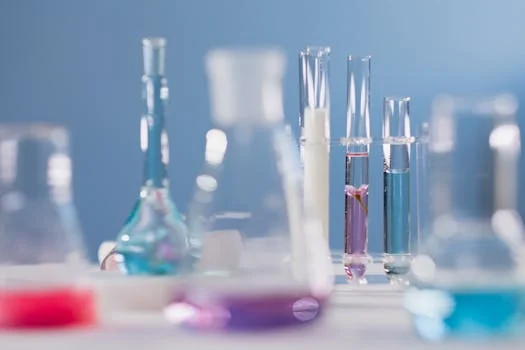
Validation of disinfection efficacy requires maintaining specific oxidant residuals and contact times to comply with WHO pathogen reduction standards and EPA NPDES permits. Ozone-based systems are preferred in hospitals due to their ability to destroy antibiotic-resistant bacteria. A compact ozone-based medical wastewater system requires weekly inspection of ozone electrodes and monthly calibration of ozone generator output. To sustain a >99.9% kill rate, the system must maintain a minimum contact time of 30 minutes.
For facilities using chlorine dioxide, the generator must be tested daily for residual ClO₂ levels, which should remain between 0.2–0.5 mg/L. Chlorine dioxide is effective at pH 6–8 and requires a shorter contact time. Monthly maintenance includes an audit of dosing pump calibration and inspection of injection nozzles.
When choosing between technologies, engineers weigh options like ozone vs MBR for medical facilities. Effluent must meet WHO Guidelines for Drinking-water Quality. Regular validation through third-party lab testing is the final step in the maintenance cycle.
Maintenance Frequency & Task Summary Table
To maintain a compliant healthcare wastewater system, facility managers should implement a structured schedule. The following table summarizes tasks required to meet equipment longevity and regulatory discharge standards.
| Frequency | Equipment Component | Maintenance Task | Compliance Benchmark |
|---|---|---|---|
| Daily | MBR / Biological Tank | Monitor DO (2-4 mg/L), MLSS, and pH (6.5-8.5). | COD removal >90% |
| Daily | Disinfection System | Check ClO₂ residual or Ozone output levels. | <1,000 MPN/100mL E. coli |
| Weekly | Mechanical Screens | Inspect GX Series rakes for debris; clean brushes. | Prevent pump clogging |
| Weekly | Ozone Electrodes | Clean electrodes; check for corona discharge stability. | >99% Pathogen kill rate |
| Monthly | Filter Press | Inspect filter cloths and hydraulic seals for leaks. | Sludge DS 20-30% |
| Monthly | Sensors & Meters | Calibrate flow meters and DO/pH probes. | NPDES reporting accuracy |
| Quarterly | Clarifiers | Flush sludge recirculation lines and inspect weirs. | TSS <30 mg/L |
| Annually | Full System | Membrane integrity test (MIT) and compliance audit. | Permit renewal readiness |
Frequently Asked Questions
What is the required disinfection contact time for hospital wastewater?
The minimum contact time is 30 minutes for ozone-based systems and 15 minutes for chlorine dioxide generators, provided effluent pH is maintained between 6 and 8.
How often should MBR membranes be cleaned?
MBR membranes require daily air scouring, monthly Chemically Enhanced Backwash (CEB) or Clean-In-Place (CIP), and an annual mechanical inspection.
What are NPDES requirements for healthcare facilities?
Facilities must comply with Part I limits, including thresholds for BOD, TSS, fecal coliforms, and sometimes specific heavy metals or pharmaceutical residues.
Can greywater from labs be discharged without treatment?
No, laboratory wastewater requires pretreatment before entering the main treatment stream.
Is chemical dosing required in all medical wastewater systems?
Chemical dosing is often necessary for pH adjustment, phosphorus removal, or as a coagulant in industrial pretreatment system maintenance.
Related Equipment
The following HydropureWater products are engineered for wastewater challenges:
- compact ozone-based medical wastewater system — view specifications
- integrated MBR system for high-quality effluent — view specifications
Need a customized solution? Request a free quote with your specific flow rate and pollutant parameters.