Industrial wastewater treatment in Athens requires pre-treatment to meet EYDAP standards before discharge to the Psyttalia WWTP, which handles 730,000 m³/day. Factories contribute up to 20% of total flow and must remove oils, suspended solids, and toxins using systems like DAF or MBR to comply with strict regulatory mandates and avoid penalties.
Industrial Wastewater Regulations in Athens: What EYDAP Requires
EYDAP mandates pre-treatment for industrial dischargers to protect the municipal sewer infrastructure and ensure the efficient operation of the Psyttalia WWTP. Factories are legally obligated to reduce pollutant loads in their effluent before it enters the public network, preventing damage to pipes, blockages, and interference with the biological processes at the central treatment plant.
Key parameters for industrial discharge, as specified on the EYDAP Industrial Waste webpage, include a pH range of 6–9, oil & grease (O&G) below 100 mg/L, total suspended solids (TSS) under 350 mg/L, and chemical oxygen demand (COD) not exceeding 1,000 mg/L. Exceeding these limits can lead to significant financial penalties, including surcharges based on the volume and concentration of pollutants, or even mandatory shutdowns until compliance is achieved. Facilities must demonstrate their ability to consistently meet these limits.
The discharge approval process for industrial facilities typically begins with an application to EYDAP, including a detailed description of the industrial process, wastewater characteristics, and the proposed pre-treatment system. Following approval, facilities are required to submit regular effluent quality reports, often on a monthly or quarterly basis, demonstrating ongoing compliance. EYDAP also conducts periodic unannounced inspections and sampling to monitor discharge quality, ensuring adherence to the approved limits and operational standards.
How Much Industrial Wastewater Does Athens Handle?
Athens’ municipal-industrial sewerage system processes approximately 700,000 m³/day of wastewater, which is ultimately discharged into the Saronikos Gulf after treatment. Industrial contributions constitute a significant portion of this flow, accounting for as much as 20%, or roughly 140,000 m³/day, according to data from SEL NTUA and ESE Magazine. This substantial volume highlights the critical role industrial pre-treatment plays in managing the overall wastewater burden.
The Psyttalia WWTP, the main wastewater treatment facility for Athens, handles an average inflow of 730,000 m³/day (per Clarke Energy), with peak flows reaching up to 1 million m³/day during periods of high demand or rainfall. This capacity strain underscores why pre-treatment is non-negotiable for industrial users. Untreated or inadequately treated industrial effluent can introduce high concentrations of difficult-to-treat pollutants, such as heavy metals, persistent organic compounds, and excessive suspended solids, which can overwhelm the biological processes at Psyttalia, leading to reduced treatment efficiency and potential environmental harm in the Saronikos Gulf. Effective industrial pre-treatment is essential for maintaining the stability and compliance of the entire Athens wastewater management system.
Top Treatment Technologies for Athens Industrial Facilities
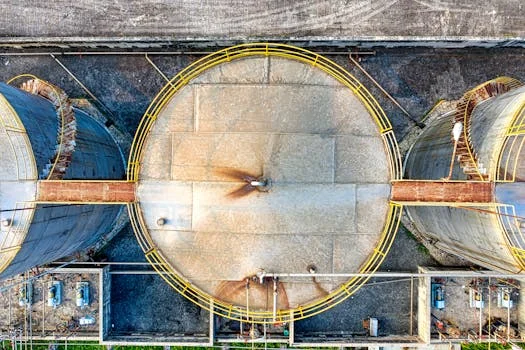
Selecting the appropriate wastewater treatment technology is crucial for industrial facilities in Athens to achieve EYDAP compliance and manage operational costs. The choice depends heavily on the specific characteristics of the industrial waste stream, including pollutant types, concentrations, and flow rates.
Dissolved Air Flotation (DAF) systems are highly effective for removing fats, oils, and grease (FOG) and total suspended solids (TSS) from various industrial effluents. A high-efficiency DAF system for oil and solids removal can remove 90–95% of FOG and TSS. These systems are particularly well-suited for industries like food processing, textile manufacturing, and metalworking, where these contaminants are prevalent. HydropureWater's DAF units, for instance, operate efficiently across a flow range of 4–300 m³/h, making them versatile for different plant sizes. DAF works by introducing fine air bubbles into the wastewater, which attach to solid particles and oil droplets, causing them to float to the surface for skimming.
MBR Systems (Membrane Bioreactors) represent advanced biological treatment, achieving superior effluent quality compared to conventional activated sludge processes. A compact MBR system for high-strength industrial wastewater can achieve effluent with less than 1 mg/L TSS and over 90% COD reduction. MBRs are ideal for high-strength organic waste streams and industries requiring very stringent discharge limits or water reuse. They offer a significantly smaller footprint, up to 60% less than conventional plants, due to the high biomass concentration and efficient solid-liquid separation provided by membranes.
Chemical Dosing is often a necessary component for pre-treatment, primarily for pH adjustment and coagulation. Industrial effluents may be highly acidic or alkaline, requiring precise chemical addition to bring the pH within EYDAP's 6–9 range. PLC-controlled chemical dosing systems ensure consistent and accurate chemical delivery, preventing over-dosing or under-dosing that could lead to non-compliance or increased operational costs. Coagulants and flocculants are used to aggregate fine suspended particles, making them easier to remove by DAF or other physical separation processes.
Prior to these advanced systems, the integration of rotary bar screens, such as HydropureWater's GX series, is crucial for primary pre-treatment. These screens effectively remove larger debris and coarse solids, protecting downstream units like DAF and MBR systems from clogging and damage, thereby extending equipment lifespan and reducing maintenance requirements.
| Technology | Primary Application | Key Benefits | Typical Performance (Removal) | Ideal Industries |
|---|---|---|---|---|
| Dissolved Air Flotation (DAF) | FOG, TSS, Colloids | High efficiency, compact, robust | 90-95% FOG, 90-95% TSS | Food & Beverage, Textile, Metal Finishing |
| MBR Systems | High-strength organics, TSS | Superior effluent quality, small footprint, water reuse potential | >90% COD, <1 mg/L TSS | Chemical, Pharmaceutical, High-strength food waste |
| Chemical Dosing | pH adjustment, Coagulation | Precise control, enhances separation | pH 6-9, improved particle aggregation | All industrial pre-treatment |
| Rotary Bar Screens | Coarse solids removal | Protects downstream equipment, reduces maintenance | Large debris, fibers | All industrial influent pre-screening |
Cost of Industrial Wastewater Treatment in Athens (2025)
Understanding the capital expenditure (CAPEX) and operational expenditure (OPEX) is essential for industrial plant managers evaluating wastewater treatment investments in Athens. These costs can vary significantly based on the chosen technology, flow rate, and the complexity of the wastewater stream.
For a DAF system, the CAPEX typically ranges from $30,000 to $180,000 for capacities between 10–100 m³/h, based on HydropureWater's pricing. This range includes the DAF unit itself, pumps, controls, and basic installation. MBR systems, offering higher treatment quality and a smaller footprint, generally have a higher upfront cost, estimated at $120–$200 per m³/day of capacity. While the initial investment is greater, MBRs often lead to lower long-term sludge disposal costs due to denser sludge and can also facilitate water reuse, offering a higher return on investment over time.
Annual OPEX for industrial wastewater treatment in Athens can range from $15,000 to $50,000, depending on the system's size and complexity. Chemical costs, which include coagulants, flocculants, and pH adjusters, typically range from $8,000–$25,000 annually. Energy consumption for pumps, blowers, and mixers can add $5,000–$15,000 to the annual bill. Routine maintenance, including parts replacement and labor, usually falls within $3,000–$10,000 per year. For more comprehensive 2025 CAPEX and OPEX benchmarks for industrial plants, further resources are available. These figures are estimates and can fluctuate with market prices for chemicals and energy, as well as specific site requirements.
| Cost Category | DAF System (10-100 m³/h) | MBR System (per m³/day capacity) | Annual OPEX Components |
|---|---|---|---|
| CAPEX (Upfront) | $30,000 – $180,000 | $120 – $200 per m³/day | N/A |
| Annual Chemicals | N/A | N/A | $8,000 – $25,000 |
| Annual Energy | N/A | N/A | $5,000 – $15,000 |
| Annual Maintenance | N/A | N/A | $3,000 – $10,000 |
| Total Annual OPEX (Estimate) | N/A | N/A | $15,000 – $50,000 |
Compliance Roadmap: From Audit to Approval
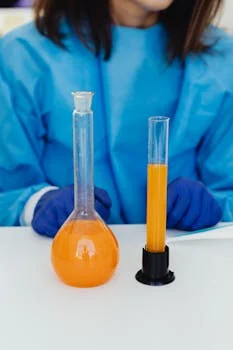
Industrial facilities in Athens must follow a defined process to achieve and maintain EYDAP compliance for wastewater discharge. This ensures adherence to regulations and avoids enforcement actions.
Step 1: Conduct Effluent Characterization Study. The initial and most critical step is to thoroughly analyze your facility's wastewater. This involves sampling and laboratory testing for key parameters such as pH, Chemical Oxygen Demand (COD), Biochemical Oxygen Demand (BOD), Total Suspended Solids (TSS), and oils & grease. An accurate understanding of your effluent's contaminant profile and variability is fundamental to designing an effective treatment solution.
Step 2: Select Technology Based on Contaminant Profile and Flow Rate. With the effluent characteristics established, the next step is to choose the most appropriate pre-treatment technology. This decision should align with the specific contaminants requiring removal and the daily wastewater flow rate. For example, if high levels of FOG and TSS are present, a DAF system might be the primary choice. If stringent organic removal or water reuse is a goal, an MBR system may be more suitable. Further insights into DAF system applications in Greek industrial zones can aid in this selection.
Step 3: Install and Commission System with Third-Party Validation. Once the technology is selected, proceed with the installation of the chosen wastewater treatment system. This phase includes integrating the new equipment into the existing plant infrastructure. Crucially, commissioning should involve thorough testing and optimization to ensure the system consistently meets the desired effluent quality. Engaging a third-party environmental consultant or accredited laboratory for validation provides an unbiased assessment of the system's performance and its ability to achieve EYDAP standards.
Step 4: Submit Compliance Report to EYDAP and Schedule Periodic Audits. After successful commissioning and validation, prepare and submit a comprehensive compliance report to EYDAP. This report should detail