Why Plastic Manufacturing Wastewater Needs Carbon Adsorption
Plastic manufacturing wastewater carries an organic signature that biological treatment alone cannot close out: residual monomers, plasticizers, and color bodies that pass straight through activated sludge or biofilm reactors. Four discrete streams typically combine at the plant headworks — polymerization mother liquor (COD 3,000–8,000 mg/L, pH 2–5, with 200–2,000 mg/L of unreacted styrene, vinyl chloride, acrylonitrile, or methyl methacrylate), washing and cleaning water (COD 800–3,000 mg/L, pH 4–9, carrying oligomers and emulsified oils), molding cooling blowdown (COD 200–600 mg/L, pH 6–9, low TSS, but warm — 35–55 °C — which shifts adsorption equilibria), and scrubber condensate from reactor vents (pH 2–11, with the highest residual-monomer load per litre of any stream). Mixing these without equalization swings the combined feed pH across a 6-unit range inside a single shift, which is why a 24-hour equalization basin is the first hard requirement for any downstream carbon train.
Activated carbon is the right polishing step because the compounds the discharge limits actually target — phenols, bisphenol A, formaldehyde, phthalate plasticizers (DEHP, DBP, DINP), and styrene/VC oligomers — are hydrophobic, low-solubility, and strongly adsorbed onto microporous carbon surfaces. Conventional biological treatment exits at COD 250–600 mg/L, color 200–800 Pt-Co units, and residual monomers in the 5–50 mg/L band; that is exactly the operating window where a granular activated carbon (GAC) column pulls the most kg of pollutant per dollar of media. Studies on plastic-pyrolysis char as a precursor for low-cost AC (per 2025 review work on plastic-derived adsorbents) show the route is technically viable, but current commercial batches vary in iodine number from 400 to 900 mg/g — too inconsistent for production use where a 900–1,100 mg/g bituminous coal GAC sets the predictable benchmark.
GAC vs PAC vs Catalytic Carbon: Selecting the Right Media
Media choice sets both the performance ceiling and the lifetime OPEX, so the decision is made once and lived with for years. The three practical options for plastic effluent are granular activated carbon in a fixed bed, powdered activated carbon dosed upstream of clarification, and catalytic (iron- or copper-impregnated) carbon for streams that carry chlorinated monomers.
| Parameter | GAC (bituminous coal) | PAC (slurry dose) | Catalytic carbon |
|---|---|---|---|
| Operation | Continuous downflow column, EBCT-based design | Batch dose to equalization or DAF, no vessel | Continuous downflow column, EBCT-based design |
| Iodine number (mg/g) | 900–1,100 | 800–1,000 | 900–1,100 + iron/copper surface |
| Apparent density (kg/m³) | 480–530 | 350–500 (slurry) | 500–560 |
| Effective size (mm) | 0.6–0.9 | 0.01–0.1 | 0.6–0.9 |
| Media cost ($/kg) | 3–5 | 2–4 (consumed per dose) | 6–9 |
| Regeneration | Thermal, off-site, 5–8% loss/cycle | Not regenerable — sent with sludge | Thermal, off-site; iron surface degrades 10–15%/cycle |
| Best-fit application | Continuous flows > 5 m³/h, post-bio polishing | Batch processes, intermittent loads, emergency polish | Chlorinated monomers (VC, EDC, chlorobenzenes) |
Specify bituminous coal GAC with iodine number 900–1,100 mg/g and apparent density 480–530 kg/m³ for monomer and color polishing; coconut-shell GAC has a higher micropore fraction but lower mechanical hardness, which causes fines loss during backwash. Catalytic carbon adds $2–$4/kg over standard GAC and is justified only when vinyl chloride, EDC, or chlorinated solvents are confirmed in the influent at >1 mg/L — below that threshold the extra cost does not pay back in extended bed life. PAC has a role as a process safety net: dose 20–100 mg/L into the equalization basin or upstream of a DAF when influent spikes threaten to overload the GAC column, or when a column is offline for media swap. For vessel hardware classes used in plastic-plant polishing, the relevant formats are GAC columns in standard industrial housings and refillable carbon cylinders for smaller sidestreams, both of which accept the same coal-based media.
Sizing the Activated Carbon Filter Vessel
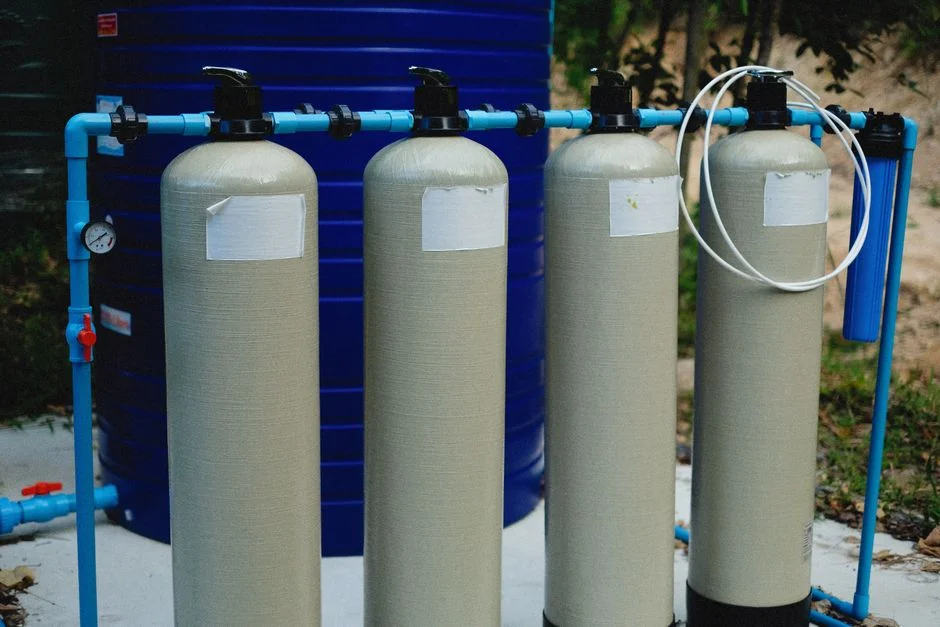
Vessel sizing reduces to three numbers: flow, empty bed contact time, and bed depth. For a 20 m³/h polishing service at 15-minute EBCT, the required carbon volume is V = Q × EBCT = 20 × (15/60) = 5.0 m³. Filling a 1.6 m diameter × 2.5 m straight-side vessel to a 2.5 m bed depth gives 5.03 m³ of media with adequate freeboard for bed expansion during backwash. If the same column is asked to deliver 30-minute EBCT for color and TOC polishing, the bed depth must rise to 5.0 m or the diameter must grow to 2.0 m — which is why most plants install two parallel 1.6 m vessels rather than one oversized unit.
| Design parameter | Range / value | Notes |
|---|---|---|
| EBCT — monomers, odor | 10–30 min | 15 min typical for VC, styrene, acrylates |
| EBCT — color, TOC | 20–40 min | Color bodies diffuse slowly into micropores |
| Hydraulic loading rate | 4–12 m/h | Higher rates risk channeling in plastic effluent with fines |
| Bed depth | 1.5–3.0 m | Minimum 1.5 m to prevent breakthrough shortcutting |
| Backwash rate | 25–40 m/h bed expansion | Weekly minimum for TSS-laden streams |
| Air-scour rate | 40–60 m/h | Precedes water backwash, 2–3 min |
| Backwash duration | 10–15 min | Until effluent turbidity drops below influent baseline |
| Service flow direction | Downflow | Upflow risk for media loss with low-density GAC |
For VOC-laden streams — anything with > 0.5 mg/L total VOC in the strippable fraction — specify an enclosed pressure vessel with a vented off-gas treatment train (a small AOP for non-biodegradable plastic contaminants module or a secondary carbon polisher) to comply with EPA 40 CFR Part 60 Subpart VVa. The vessel must also include a top-mounted manway for media changeout, a side-mounted sample port at 0.3 m and 0.8 m of bed depth for breakthrough profiling, and a bottom underdrain rated for the full backwash flow plus a 30% margin.
Pre-Treatment Requirements That Protect Carbon Life
Carbon beds fail from the front, not the back — oil, TSS, and oxidizers destroy service life long before adsorption capacity is exhausted. The mandatory upstream train is equalization (24 h HRT for pH and COD dampening) → DAF pre-treatment for plastic effluent or lamella clarifier (oil and TSS to below 50 mg/L) → multi-media filtration for carbon feed water (to below 10 mg/L TSS) → carbon. Skipping any of these stages typically halves bed life.
Oil and grease is the most damaging foulant. A 10 mg/L oil carryover coats carbon macropores and cuts service life by 40–60%, based on plant-scale operating data from PET and PS washing lines; any plant that runs a polymer washing or mould-release step must have a DAF rated for 30–50 ppm oil-in feed. pH adjustment to 6.5–8.0 before the carbon contactor is the second non-negotiable step — outside this band, adsorption capacity for phenols and amines drops 20–50% because the ionized form has lower affinity for the carbon surface. Use an pH adjustment and PAC dosing systems skid with NaOH or H₂SO₄ metering tied to the equalization outlet pH probe.
Free chlorine is the third hidden killer. Influent chlorine above 0.1 mg/L oxidizes the carbon surface and shortens bed life by mechanically degrading the granules — confirmed in municipal reuse plants and applicable to any process stream with a residual biocide. For streams with chlorinated wash water or NaOCl sanitization downstream, install a dechlorination stage (sodium bisulfite dosing or a small activated carbon guard bed sized at 3-min EBCT) ahead of the main polishing column.
Operating Cost Model: What the Carbon Filter Really Costs
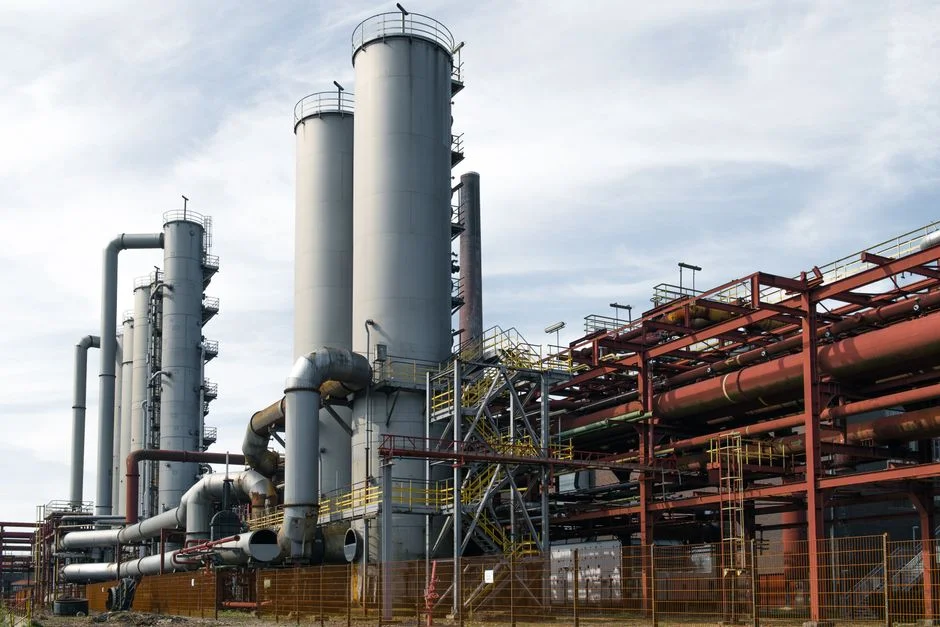
The vessel is a one-time CAPEX line; media replacement is the 60–75% of lifetime OPEX, which is why the procurement conversation has to centre on media strategy, not tank price. For the worked example (20 m³/h, 5 m³ GAC, 15-min EBCT, monomer-and-color polishing), the annual cost stack runs as follows.
| Cost line | Quantity | Unit cost | Annual cost (USD) |
|---|---|---|---|
| Bituminous GAC replacement | ~5 m³ per swap, every 9 months | $3,500 per swap delivered | $4,700 |
| Catalytic GAC (if chlorinated monomers) | ~5 m³ per swap, every 12 months | $6,000 per swap | $6,000 |
| Backwash water (2–4% of throughput) | 1,400–2,800 m³/yr | $0.50–$1.50/m³ | $700–$4,200 |
| Backwash pump electricity | < 1 kW continuous equivalent | $0.10/kWh | $600 |
| Reactivation service (off-site) | ~5,000 kg/yr, $1.5–$2.5/kg delivered, 10–15% makeup | — | $8,500–$13,500 (alternative to swap-out) |
| Thermal regeneration (vendor) | $1.20–$2.00/kg + 10–15% virgin makeup, 5–8% media loss/cycle | — | $7,500–$12,000 (alternative to swap-out) |
| Total annual OPEX range | — | — | $35,000–$50,000 |
Reactivation becomes economical above ~2,000 kg/yr of carbon consumption; below that, the pickup-and-delivery logistics and the 10–15% virgin makeup penalty erase the savings. Spent carbon that cannot be reactivated — typically laden with polymerized oligomers or heavy plasticizer residues — is shipped as hazardous waste in some jurisdictions, so the OPEX line item must include disposal at $0.30–$0.80/kg for non-hazardous and $1.50–$3.00/kg for hazardous classification. The upstream DAF/clarifier generates a sludge stream that is handled separately, and the sludge dewatering for upstream clarifier waste economics are covered in the filter press commissioning field guide. For high-tonnage plants (carbon use > 20 t/yr), a small on-site regeneration kiln starts to compete with off-site reactivation — payback is typically 3–4 years at 50 t/yr consumption.
2026 Compliance Targets for Carbon-Polished Plastic Effluent
Three regulatory frameworks set the destination for carbon polishing on plastic-plant effluent, and the 2026 editions have not softened the monomer limits. In China, GB 31572-2015 (synthesis resin industry) sets COD ≤ 500 mg/L, BOD₅ ≤ 300 mg/L, SS ≤ 400 mg/L, total phosphorus ≤ 8 mg/L, and total nitrogen ≤ 60 mg/L; GAC polishing on a well-run biological stage meets the COD, BOD, and color lines comfortably but does not remove ammonia or nitrate, so a nitrification-denitrification stage must remain upstream. In the US, EPA 40 CFR Part 414 subparts C through G set BOD₅ limits from 156 to 374 mg/L and TSS from 208 to 374 mg/L depending on product; carbon polishing on biologically treated effluent is typically compliant on BOD₅, COD, and residual monomer lines but cannot be used to chase TSS — that is a clarifier and multimedia filter problem.
In the EU, the LVOC-S BAT Reference Document (BREF) sets a BAT-AEL for total organic carbon after combined biological plus physico-chemical treatment at 30–40 mg/L, which is the band where GAC polishing becomes mandatory but where RO is rarely needed for direct discharge to a municipal sewer. Reuse applications (cooling tower makeup, process rinse water) are where RO polishing for water reuse enters the train downstream of carbon. 2026 revisions in several jurisdictions — notably California's proposed update to its BPA action plan and the EU's ongoing restriction under REACH Annex XVII — are tightening residual monomer limits for bisphenol A and vinyl chloride, which is shifting the media selection toward catalytic carbon over standard GAC for any plant that handles those monomers at measurable concentrations.
Frequently Asked Questions
Should I use GAC or PAC for plastic manufacturing wastewater?
Specify GAC columns for continuous polishing flows above 5 m³/h, where the vessel, EBCT, and backwash can be engineered and media can be thermally reactivated. Use PAC dosed at 20–100 mg/L for batch processes, intermittent loads, or as an emergency polish when a GAC column is offline for media changeout or regeneration.
How long does activated carbon last in a plastic effluent filter?
Bituminous coal GAC on plastic effluent typically runs 6–12 months before breakthrough, with the wide range driven by upstream TSS and oil control. Catalytic carbon on chlorinated streams extends to 18–24 months because the impregnated surface catalyses destruction rather than just adsorbing.
Can activated carbon alone meet discharge standards for plastic manufacturing?
Yes for COD, color, and residual monomers on biologically pre-treated effluent meeting GB 31572-2015, EPA 40 CFR Part 414, and EU LVOC-S BAT-AEL bands. No for ammonia, nitrate, or total dissolved solids — those require biological nutrient removal, ion exchange, or RO.
What EBCT should I specify for residual monomer removal?
10–30 minutes is the standard band for monomers and odor (15 minutes is the design point for styrene, VC, and acrylates). Push to 20–40 minutes when color and TOC polishing are the primary objective, since color bodies diffuse more slowly into carbon micropores.
Can the spent carbon be regenerated or does it have to be replaced?
Thermal regeneration off-site is viable above 2,000 kg/yr of carbon consumption, with 10–15% virgin makeup and 5–8% media loss per cycle. Below that threshold, swap-out plus a reactivation service at $1.5–$2.5/kg delivered is more economical than owning regeneration capacity.