Why Chemical Wastewater Treatment in Brazil Looks Different in 2026
Brazilian chemical plants in 2026 operate under CONAMA Resolution 430/2011 as the binding federal discharge standard, with state environmental agencies — CETESB in São Paulo, FEAM in Minas Gerais, INEMA in Bahia — layering stricter local limits on top of the federal floor. Federal inspections by IBAMA intensified through 2024 and 2025 in the petrochemical and fine-chemical clusters along the São Paulo, Rio Grande do Sul, and Bahia corridors, and a 2023 PMC review of 166 wastewater treatment plants in São Paulo and Minas Gerais confirmed that the dominant Brazilian model — UASB reactors followed by stabilization ponds — was designed for municipal sewage with BOD below 600 mg/L, not for chemical-industry influent that routinely exceeds 3,000 mg/L COD, contains 20–120 mg/L total phenols, and carries heavy metals in the 5–50 mg/L range. Brazilian plant engineers therefore use a four-stage vocabulary — preliminary, primary, secondary, tertiary — that maps physical screening, physicochemical precipitation, biological oxidation, and membrane or adsorption polishing, in contrast to the three-stage "primary/secondary/tertiary" terminology common in US and EU practice. This regulatory and operational pressure is pushing chemical facilities away from biological-only treatment trains toward physical-chemical polishing with Fenton oxidation, DAF, and MBR or RO units to hit the COD ≤200 mg/L and total phenols ≤0.5 mg/L limits that CONAMA 430 sets for industrial discharge to receiving waters.
CONAMA 430/2011 Discharge Limits vs Typical Chemical Plant Influent
CONAMA 430/2011 sets the maximum allowable concentrations for industrial effluent discharged to Brazilian receiving waters; the table below compares those limits against the typical influent concentrations measured at Brazilian fine-chemical, petrochemical, and electroplating facilities. The gap between the two columns is the engineering justification for a four-stage physical-chemical train — equalization, DAF precipitation, Fenton or biological oxidation, and MBR or RO polishing — that no single biological step can close.
| Parameter | CONAMA 430/2011 limit | Typical Brazilian chemical influent | Required removal (%) |
|---|---|---|---|
| pH | 5.0–9.0 | 2.0–11.0 | Equalization + auto-dosing |
| COD | ≤ 200 mg/L (or ≥ 60% removal) | 1,500–8,000 mg/L | 97–99% |
| BOD₅ | ≤ 120 mg/L (or ≥ 60% removal) | 800–4,000 mg/L | 97% |
| TSS | ≤ 100 mg/L | 200–2,000 mg/L | 95% |
| Total phenols | ≤ 0.5 mg/L | 20–120 mg/L | 99.6% |
| Total chromium | ≤ 0.1 mg/L | 5–50 mg/L | 99.8% |
| Total cadmium | ≤ 0.1 mg/L | 0.5–5 mg/L | 98% |
| Total lead | ≤ 0.5 mg/L | 1–10 mg/L | 95% |
| Sulfide | ≤ 1.0 mg/L | 5–50 mg/L | 98% |
| Benzene | ≤ 1.0 mg/L | 2–20 mg/L | 95% |
| Total nitrogen | ≤ 20 mg/L (state limits stricter) | 50–200 mg/L | 90% |
| Total phosphorus | ≤ 5 mg/L (CETESB stricter) | 10–60 mg/L | 92% |
The pH swing alone (influent 2.0–11.0 versus the legal 5.0–9.0 window) is enough to force an equalization step with two-pump pH correction, and the 97–99% COD removal requirement cannot be met by activated sludge or UASB alone on a petrochemical feed. A phenol discharge limit for industry technical reference shows that the 0.5 mg/L cap effectively mandates either Fenton oxidation or activated-carbon polish for any petrochemical effluent above 5 mg/L total phenols.
The 2026 Process Train for Brazilian Chemical Plants
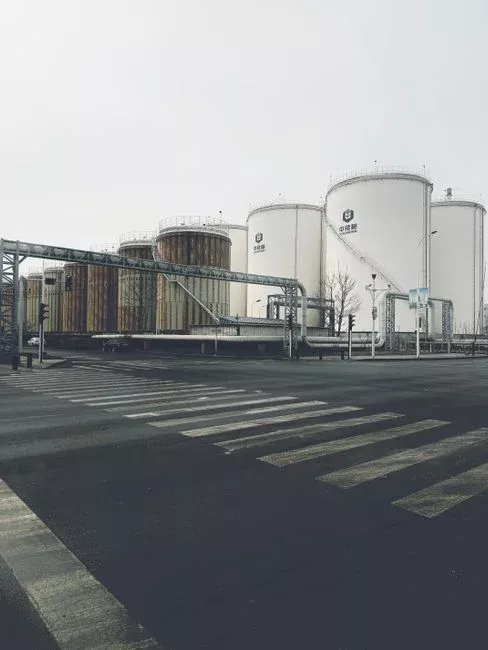
The process train for a 2026 Brazilian chemical plant pairs physical-chemical removal upfront with biological and membrane polishing downstream, sized to bring COD from 1,500–8,000 mg/L down to the CONAMA 430 ≤200 mg/L ceiling and total phenols from 20–120 mg/L down to 0.5 mg/L.
- Equalization + pH correction. An 8–24 hour hydraulic retention time (HRT) agitated concrete or coated-steel equalization tank with a pH probe driving a PLC-controlled acid/caustic dosing loop. The equalization step buffers batch dumps from reactors, levels the influent pH to 6.5–8.0, and stabilizes flow before downstream unit processes.
- DAF dissolved air flotation. A HydropureWater dissolved air flotation system in the 4–300 m³/h range removes free oils, FOG, and floated sludge, achieving 85–95% TSS removal in chemical applications and concentrating floated solids to 5–10% dry solids for downstream dewatering.
- Coagulation/flocculation + chemical precipitation. FeCl₃, PAC, or Ca(OH)₂ dosing through a PLC-controlled automatic chemical dosing system precipitates heavy metals (Cr, Cd, Pb) and breaks oil emulsions ahead of the biological step. This is the unit process that takes chromium from 5–50 mg/L down toward the 0.1 mg/L CONAMA ceiling.
- Fenton oxidation. H₂O₂/Fe²⁺ at pH 2.8–3.5 with 30–60 minute reaction time oxidizes refractory COD, phenols, and sulfide, achieving 50–80% COD reduction on fine-chemical influent and converting phenols to CO₂ plus short-chain organic acids that the downstream MBR can metabolize.
- MBR membrane bioreactor. A submerged PVDF integrated MBR membrane bioreactor system with 0.1–0.4 μm pore size in the 10–2,000 m³/day capacity band delivers biological COD removal (90–96%), BOD₅ polishing (95–99%), and TSS to <5 mg/L in a single tank, replacing the clarifier-plus-media-filter sequence common in older Brazilian plants.
- Optional RO polishing for reuse. Brackish-water reverse osmosis rejects 95–99% of dissolved salts and produces up to 95% recovery of polishing-stage permeate, suitable for cooling-tower makeup or low-pressure boiler feed.
- Sludge dewatering. A HydropureWater plate-and-frame filter press dewaters the chemical-laden sludge to 25–35% dry-solids cake for landfill disposal, cutting hauling volume by 80–90% versus liquid sludge off-site.
Unit-Process Removal Efficiencies for Chemical Effluent
The removal table below gives the design engineer the per-unit-process numbers that anchor a P&ID basis-of-design memo, calibrated against the 166-plant São Paulo and Minas Gerais dataset published in the 2023 PMC review.
| Unit process | Influent range | Effluent target | Removal (%) | Sludge yield |
|---|---|---|---|---|
| DAF | TSS 200–2,000 mg/L; oil/grease 50–500 mg/L | TSS ≤ 30 mg/L | 85–95% TSS; 90–95% oil | 5–10% solids floated sludge |
| Chemical precipitation (FeCl₃/Ca(OH)₂) | Total Cr 5–50 mg/L; Cd 0.5–5 mg/L | Total Cr ≤ 0.1 mg/L; Cd ≤ 0.1 mg/L | 98–99.8% Cr; 95–98% Cd | 2–5% metal hydroxide sludge |
| Fenton oxidation (H₂O₂/Fe²⁺) | COD 1,500–8,000 mg/L; phenols 20–120 mg/L | COD 300–1,600 mg/L; phenols 2–10 mg/L | 50–80% COD; 90–95% phenols | Fe(OH)₃ sludge 1–2% solids |
| MBR (submerged PVDF 0.1–0.4 μm) | COD 300–1,600 mg/L; BOD 100–600 mg/L | COD ≤ 50 mg/L; BOD ≤ 5 mg/L; TSS < 5 mg/L | 90–96% COD; 95–99% BOD; near-reuse quality | 0.3–0.5 kg MLVSS/kg COD removed |
| RO (brackish) | TDS 1,000–5,000 mg/L; conductivity 1,500–7,000 µS/cm | TDS ≤ 50 mg/L | 95–99% TDS rejection | Brine 5–15% of feed |
These removal rates assume normal operation at 25–35 °C; the Fenton and MBR stages both lose 10–20% of rated COD removal when influent temperature drops below 15 °C, which matters for chemical plants in Rio Grande do Sul or in winter-cooled São Paulo facilities.
2026 CAPEX and OPEX for Chemical Wastewater Treatment in Brazil
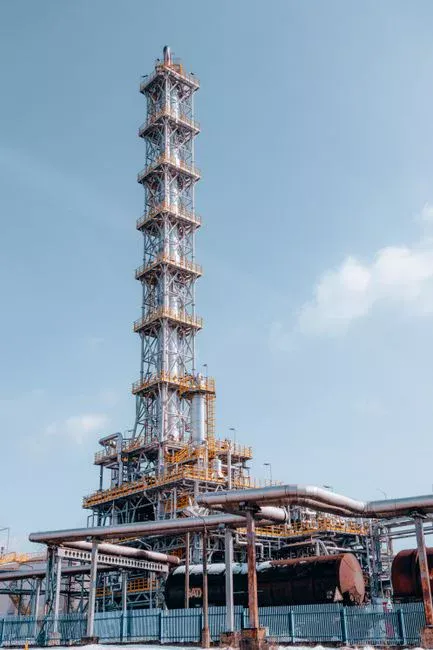
Capital cost scales roughly with flow and with the number of unit processes, while operating cost is dominated by Fenton reagents, sludge hauling, and membrane aeration. The table below shows 2026 USD ranges for a turnkey FOB-China + Brazil-install package, sized for a representative Southeast Brazilian chemical plant.
| Plant capacity | CAPEX (USD, FOB China + BR install) | OPEX ($/m³ treated) | Dominant OPEX drivers |
|---|---|---|---|
| 50 m³/day | $0.8M – $1.4M | $1.20 – $1.80 | Fenton H₂O₂ 25–30%, sludge haul 20–25%, energy 20% |
| 200 m³/day | $2.1M – $3.8M | $0.70 – $1.10 | Fenton H₂O₂ 20–25%, sludge haul 20%, energy 20% |
| 500 m³/day | $4.5M – $6.2M | $0.45 – $0.75 | Fenton H₂O₂ 20–25%, energy 25%, sludge haul 15% |
Chinese-supplied equipment packages of comparable specification typically land 25–40% below European OEM list price, a gap that matters when the BRL/USD rate has moved through R$5.00–R$6.00 per dollar across 2024 and 2025. Adding an RO polish to recover 60–80% of the MBR permeate for cooling-tower or boiler feed offsets the freshwater tariff of R$8–15/m³ charged by São Paulo's SABESP, Rio de Janeiro's CEDAE, and parallel state utilities, and most projects see a 3–5 year simple payback once reuse revenue and avoided disposal fees are credited. The Industrial Wastewater Treatment in Porto Alegre 2026 engineering guide references several South-region plants that have hit payback inside four years by routing RO permeate to boiler feed at R$12–18/m³ displacement value.
Choosing Equipment and a Supplier for a 2026 Brazilian Chemical Plant
Procurement in 2026 is a hybrid decision. Seven criteria separate a defensible equipment package from a 14-month commissioning delay: (1) CONAMA 430 + ISO 9001 documentation on cut sheets; (2) reference plants with measurable influent/effluent data; (3) lead time for the longest-lead item, usually the MBR modules or RO vessels at 10–14 weeks from Chinese OEM, 18–26 weeks from European OEM; (4) Brazilian agent or integrator with stocking spares; (5) spare-parts logistics (SÃO Paulo or Santos bonded warehouse); (6) skid pre-assembly at the OEM factory, which trims 6–8 weeks off Brazilian site work; (7) PLC + remote-monitoring automation compatible with the local integrator's SCADA.
Three sourcing paths compete for the 2026 chemical plant. A local Brazilian integrator (regional panel builders, Acquafort, Ecolab Brasil) carries the lowest logistics risk and the best after-sales but typically resells imported core equipment at a 15–25% markup. European OEMs (Veolia, SUEZ, Huber) deliver the strongest compliance documentation but with 25–40% higher CAPEX and the longest lead times. Chinese OEMs (HydropureWater, Tongda, BCST) deliver factory-pre-tested skid packages — DAF + automatic chemical dosing + MBR — that compress Brazilian site commissioning from 12 weeks down to 4–6 weeks, at CAPEX 25–40% below European equivalents for the same removal specifications. The lowest-risk 2026 configuration for a Brazilian chemical plant is a hybrid: Chinese-supplied core equipment (DAF, MBR modules, dosing skids, plate-and-frame filter press) combined with Brazilian civil, electrical, and automation integration. Engineers specifying the dosing and PLC layer should review the automatic chemical dosing control engineering guide to lock in the dosing-accuracy and SCADA integration requirements before issuing the RFQ. For the polishing step, the activated carbon filter for fine chemical wastewater 2026 guide is a useful cross-reference when the Fenton + MBR train leaves 1–3 mg/L residual phenols that need an adsorption polish to hit the 0.5 mg/L CONAMA cap.
Frequently Asked Questions
What is the standard discharge limit for chemical wastewater in Brazil?
CONAMA Resolution 430/2011 sets the federal ceiling at COD ≤200 mg/L (or ≥60% removal), BOD₅ ≤120 mg/L, TSS ≤100 mg/L, total phenols ≤0.5 mg/L, total chromium ≤0.1 mg/L, pH 5.0–9.0, and sulfide ≤1.0 mg/L. State agencies CETESB, FEAM, and INEMA enforce stricter local limits on top of the federal floor.
How much does a chemical wastewater treatment plant cost in Brazil in 2026?
Turnkey CAPEX runs $0.8M–$1.4M for 50 m³/day, $2.1M–$3.8M for 200 m³/day, and $4.5M–$6.2M for 500 m³/day, FOB China + Brazil install. OPEX ranges $0.45–$1.80 per m³, dominated by Fenton H₂O₂, sludge hauling, and aeration energy.
Can UASB reactors treat chemical plant effluent?
Not alone. The 2023 PMC review of 166 São Paulo and Minas Gerais plants confirms UASB is sized for municipal BOD below 600 mg/L; chemical influent at 3,000–8,000 mg/L COD with 20–120 mg/L phenols and heavy metals needs physical-chemical pretreatment (DAF + precipitation) plus Fenton or MBR polishing.
Which DAF system size fits a 200 m³/day chemical plant?
A 200 m³/day plant needs a DAF in the 10–20 m³/h range, sized on peak hourly flow with a 20–30% safety factor. HydropureWater's 13-model DAF line covers 4–300 m³/h, so a mid-size unit (e.g., DAF-15 or DAF-20) is the typical spec.
Does Brazil accept imported wastewater treatment equipment from China?
Yes. Brazilian customs accepts INMETRO-relevant equipment with the OEM's CE/ISO 9001 documentation, a Portuguese-language operations manual, and a local integrator responsible for electrical, civil, and automation tie-in. Lead time from Chinese OEM to commissioned plant typically runs 16–22 weeks including ocean freight and Brazilian site work.