What a Paper-Mill Wastewater SCADA Actually Controls
A SCADA system for a paper mill wastewater plant is a four-layer control architecture (field instruments → PLCs → SCADA server → MES/cloud) that monitors and automates a treatment train most municipal SCADA packages were never designed for: fiber-laden black liquor, condensates, and bleach-plant effluent carrying high COD, color, and adsorbable organic halides (AOX). The scope typically runs 80–250 I/O points for a 5,000–50,000 m³/day mill, organized under ISA-95 levels L0 (sensors), L1 (PLCs/RTUs), L2 (SCADA server/HMI), and L3 (MES/cloud historian).
The paper-mill process train a SCADA must cover is materially different from a municipal plant. It begins with a GX rotary mechanical bar screen for fiber recovery, moves through grit removal and a primary clarifier or dissolved air flotation (DAF) system for suspended solids, into equalization, then biological treatment — activated sludge, moving-bed biofilm reactor (MBBR), or membrane bioreactor (MBR) — and finishes with chemical/ClO₂ disinfection and a sludge thickening/press train before effluent monitoring. The COD and AOX swings from a paper machine "broke" event can move influent load by 200–400% inside 30 minutes, so copy-pasting municipal tuning constants does not work. Ahmed & Vilkko's 2024 ScienceDirect case study on a Finnish paper-mill WWTP showed that ASM1 parameters calibrated to municipal defaults under-predicted nitrification rates by 30–60%; paper-mill biomass needs its own yield and decay coefficients (ScienceDirect 2024).
Value is added at every level: L0 sensors generate the raw pH, ORP, DO, TSS, and flow data; L1 PLCs run the closed-loop control locally so a SCADA-server reboot never stops the plant; L2 hosts the HMI, alarm management, and KPI dashboards the operator works from; L3 historian feeds compliance reporting against GB 3544-2008 (China) or EU BAT-AEL, plus water-reuse accounting. SCADA CAPEX in this segment typically scales at 6–12% of WWTP equipment CAPEX (industry benchmark, 2026) — not a line item to be trimmed late.
SCADA Architecture for a Paper Mill: Sensors, PLCs, and Network
A defensible paper-mill SCADA architecture starts with the right sensor ranges, because generic municipal specs under-scale on TSS and conductivity. Paper-mill primary influent routinely hits 8,000–20,000 mg/L TSS, so optical TSS probes must be specified to 50,000 mg/L with auto-clean. pH probes should cover 0–14, with the realistic operating window 6–9 on most paper-mill streams. ORP sensors span −1500 to +1500 mV for the bleach-plant sidestream where reducing agents are dosed. DO probes (0–20 mg/L, optical luminescent preferred for low maintenance) feed the aeration cascade. Conductivity, temperature, and flow (magmeter on lines ≥DN80, Parshall flume on the raw inlet) round out the wet-end list. Polymer dose on DAF and press feed is best metered by Coriolis or electromagnetic magmeter; residual ClO₂ needs an amperometric analyzer at 0–5 mg/L. MBR-specific tags are non-negotiable: transmembrane pressure (TMP, 0–50 kPa), aeration scouring valve position, and backwash cycle state. The press train needs torque on the screw/augur, hydraulic pressure on plate-and-frame, and inferred cake solids.
At L1, Siemens S7-1500 or Allen-Bradley CompactLogix/ControlLogix are the safe defaults for paper-mill duty. For trains above 10,000 m³/day, specify hot-standby PLC redundancy — paper mills run 24/7 and a PLC swap on a running plant is a compliance event. The instrument bus should be Modbus TCP/IP or PROFINET; PLC-to-PLC links Ethernet/IP or PROFINET; SCADA-to-MES uses OPC UA per IEC 62541 (native, not OPC Classic) so the platform remains vendor-portable (ScadaBR Modbus IP/Serial configuration reference, 2024).
An edge-computing layer is now standard in 2026 designs: gateways such as the XetaEdge pattern run pump-clog prediction, TMP climb detection, and DO-swing forecasts locally before the SCADA engine sees the alarm, cutting nuisance-alarm load by 40–60% (XetaWave, 2025). On the security side, ISA/IEC 62443 zoning is non-negotiable — paper-mill WWTPs now share the plant OT network with the paper machines, so a DMZ, role-based access, and signed firmware are baseline, not extras. Chemical and disinfection skids ship with their own PLC panels; specify that each PLC-controlled automatic chemical dosing skid and the chlorine dioxide generator expose a documented Modbus TCP register map at the FAT, not as a post-delivery deliverable.
| Tag | Measurement | Range | Unit | Typical control loop |
|---|---|---|---|---|
| FIT-101 | Influent flow | 0–500 | m³/h | Parshall flume → equalization level PID |
| AI-201 | pH (eq. tank) | 0–14 | pH | Acid/base dosing PID, setpoint 7.0–7.5 |
| AI-301 | DO (aeration) | 0–20 | mg/L | Blower VFD cascade, setpoint 1.5–2.5 |
| AI-302 | TSS (DAF inlet) | 0–50,000 | mg/L | Polymer dose feedforward |
| AI-401 | TMP (MBR) | 0–50 | kPa | Backwash at +10, CIP at +20 |
| AI-501 | Residual ClO₂ | 0–5 | mg/L | ClO₂ generator feed PID, SP 0.1–0.5 |
| AI-601 | Press torque | 0–100% | % | Polymer dose PID on press feed |
| AI-701 | ORP (bleach sidestream) | −1500 to +1500 | mV | Reductant dose trim |
Control Loops by Process Stage: Where SCADA Earns Its Keep
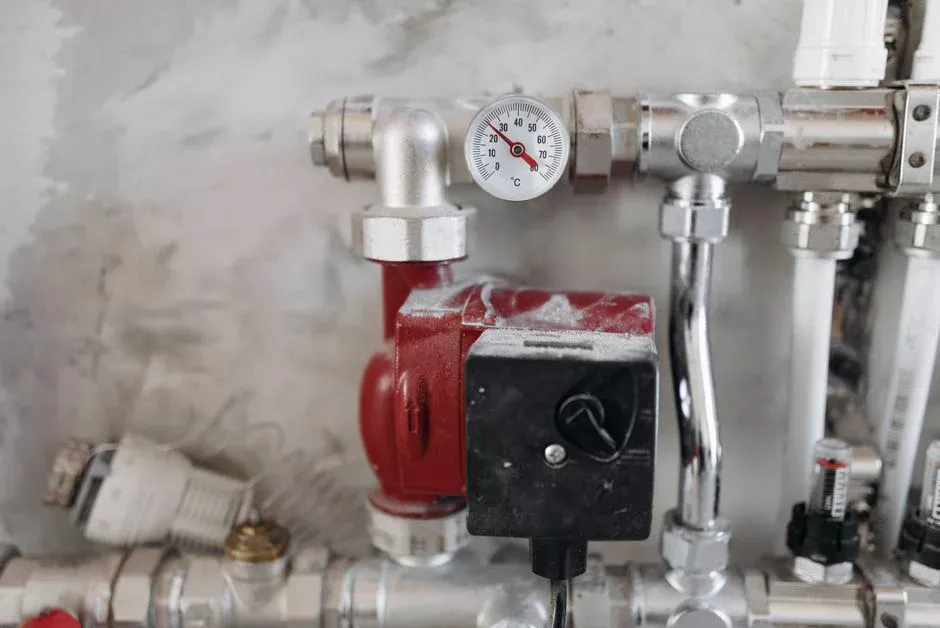
The control loop map is where the SCADA RFP becomes defensible. Each process unit gets a defined lead variable, setpoint range, and interlocks — the integrator cannot claim "extras" later if it is written down now.
Screening and grit: differential-level switch on the bar screen with auto-rake on timer + DP trigger; torque alarm on the rake drive trips the screen before a motor burn-out. Primary clarification / DAF: polymer dose PID on inlet TSS × flow (typical setpoint 5–25 mg/L polymer); surface scum scrape timer; floatation tank level control via effluent weir. The DAF platform covers 4–300 m³/h across 13 models, so the SCADA loop setpoints must be scaled per unit. Equalization: pH probe with auto acid/base dosing for swing control; level transmitter with pump-out PID to buffer the paper-machine surges. Biological treatment: DO cascade on aeration blower VFD at 1.5–2.5 mg/L for paper-mill activated sludge (municipal defaults run too high — mill influent has a lower oxygen demand per kg COD after fiber recovery); SRT-based waste-activated-sludge timer on the RAS/WAS pumps; MBBR fill-level monitoring. MBR: TMP is the lead control variable — backwash triggered at +10 kPa, CIP at +20 kPa, aeration scouring valve modulated continuously. The HydropureWater MBR membrane bioreactor system uses a 0.1 µm PVDF flat-sheet module in 80–225 m² packs, and the SCADA must log per-module TMP to plan replacements before flux collapse. Disinfection: residual ClO₂ PID at 0.1–0.5 mg/L after the contact tank, with feedforward on flow × demand and an amperometric analyzer in the trim loop; the ClO₂ generator covers 50 g/h to 20,000 g/h, so the SCADA ramp should be tested across the full turndown. Sludge: polymer dose on press feed, torque/pressure interlock on the plate-and-frame press, and cake solids % inferred from cycle time using a regression the integrator calibrates against lab TSS during commissioning.
| Process unit | Lead variable | Setpoint / trigger | Actuator | Interlock |
|---|---|---|---|---|
| Bar screen | ΔP across screen | Start on 200 mm WC | Rake drive VFD | Torque > 90% trips |
| DAF | Inlet TSS × flow | Polymer 5–25 mg/L | Polymer pump VFD | No-flow lockout |
| Equalization | pH | 7.0–7.5 | Acid/base dosing pumps | High-level pump-out |
| Aeration | DO | 1.5–2.5 mg/L | Blower VFD | DO < 0.5 → P1 alarm |
| MBR | TMP | +10 kPa backwash, +20 kPa CIP | Permeate pump + valves | TMP > 30 kPa → P1 |
| ClO₂ contact | Residual ClO₂ | 0.1–0.5 mg/L | ClO₂ generator feed | Residual < 0.05 → P1 |
| Filter press | Torque / pressure | Cycle by torque curve | Hydraulic pump | Overpressure → shutdown |
Alarms, KPIs, and the Operator Dashboard
Alarm management is where most paper-mill SCADA projects fail. The 2026 target is ISA-18.2 compliant: fewer than 150 alarms per operator per day at steady state. Poorly designed paper-mill systems routinely flood the operator with 1,000+ alarms/day, which means the real P1 events get muted. The fix is a three-tier priority model and a KPI dashboard that filters out noise so the operator at 3 a.m. sees what matters.
Priority 1 (safety/shutdown): DO < 0.5 mg/L, TMP > 30 kPa, residual ClO₂ < 0.05 mg/L on the final effluent, press overpressure, level high-high on equalization. Priority 2 (process upset): TSS breakthrough on DAF outlet, polymer dose deviation > 20% from setpoint, AOX above the GB 3544-2008 limit, ORP excursion on the bleach sidestream. Priority 3 (maintenance): filter backwash due, calibration due, VFD bearing temperature trending up, membrane hours-to-replacement counter passing 80%.
The KPI tiles on the 55-inch operator screen should be: influent flow (m³/h) and COD (mg/L); effluent COD, BOD, TSS, color, and AOX versus the compliance ceiling; water reuse % (m³ reused / m³ produced — paper mills target 70–90% in 2026); specific energy (kWh/m³); polymer consumption (kg per ton dry solids); ClO₂ dose (kg ClO₂ per ton effluent); and MBR membrane life remaining (hours on the TMP trend). Data retention: minimum 3 years at 1-minute resolution for compliance, 10 years aggregated for environmental reporting. The layout closely tracks the wastewater KPI dashboard engineering guide for a copy-paste starting point.
| Priority | Examples | Operator action | Target rate (per shift) |
|---|---|---|---|
| P1 — Shutdown | DO < 0.5, TMP > 30 kPa, ClO₂ < 0.05 mg/L | Immediate | < 5 |
| P2 — Upset | TSS breakthrough, dose deviation > 20%, AOX over limit | Within 15 min | < 30 |
| P3 — Maintenance | Cal due, backwash due, bearing temp ↑ | Planned work order | < 115 |
Integrating SCADA with DAF, MBR, and Chemical Dosing Equipment
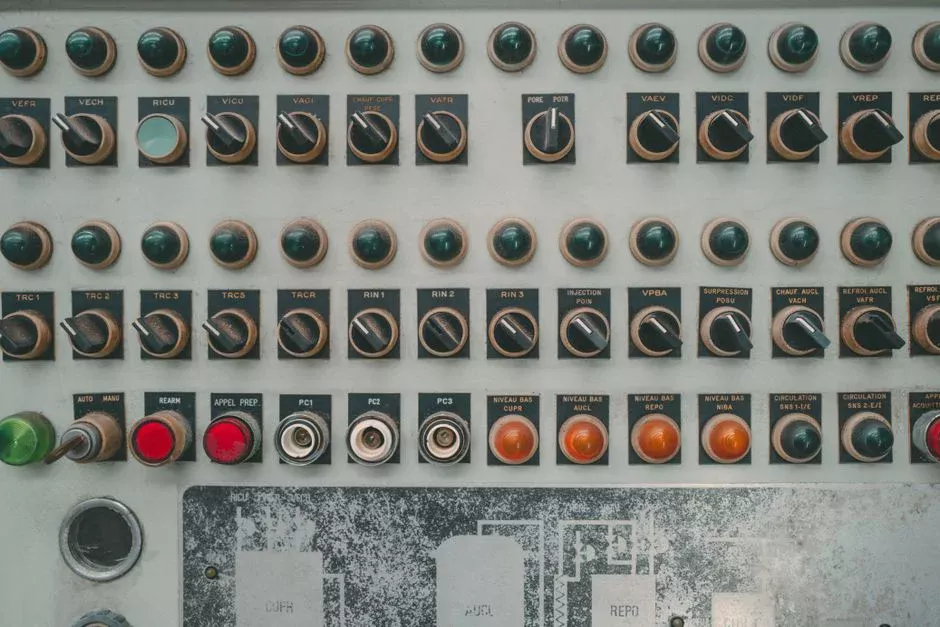
Most paper-mill SCADA integration overruns come from the equipment purchase order, not the SCADA scope. Specify the integration interface in the equipment PO: a "control interface" section listing I/O count, protocol (Modbus TCP/IP, PROFINET, or EtherNet/IP), alarm list, and register map per skid. Equipment vendors that ship PLC panels with documented register maps and EPLAN schematics — rather than a black box — cut integration hours by 30–50% versus field-assembled skids. Each DAF, dosing skid, ClO₂ generator, and MBR module should arrive FAT-tested on a paper-mill simulation: a paper-machine "broke" flow surge, pH swing, and TMP climb, with the SCADA response verified before shipment. If the integrator has to discover the I/O at site commissioning, the schedule and the budget both slip.
SCADA Selection Framework: 7 Criteria for a Paper-Mill Project
- Native OPC UA (IEC 62541) support — not OPC Classic, which is a dead end for new builds in 2026.
- Driver library covering Modbus TCP/IP, PROFINET, EtherNet/IP, IEC 61850 (for incoming power), and BACnet if HVAC is in scope.
- Web-based / mobile HMI so off-site operators can round the plant from a tablet.
- Redundancy at server and historian level — paper mills run continuously; SCADA downtime is a regulatory event.
- Multi-language HMI — Chinese and English at minimum, plus the local operator language.
- Total cost of ownership over 10 years — license model (per-tag vs unlimited), annual support, and integrator retainer. Per-tag pricing quietly grows with every sensor add.
- Paper-mill references — municipal-water integrators underestimate fiber, scaling, and temperature swings; ask for at least two paper-mill WWTP references commissioned in the last 36 months.
Frequently Asked Questions

What is a SCADA system for a paper mill wastewater plant? A four-layer control architecture (ISA-95 L0–L3) that monitors and automates the full paper-mill treatment train — fiber screening, DAF, equalization, biological/MBR, ClO₂ disinfection, and sludge pressing — across 80–250 I/O points and reports against GB 3544-2008 or EU BAT-AEL effluent limits. (Source: ISA-95 / IEC 62264)
How many sensors does a paper-mill WWTP SCADA need? A 5,000–50,000 m³/day mill typically runs 80–250 I/O points, with TSS probes scaled to 50,000 mg/L, pH 0–14, DO 0–20 mg/L, ORP ±1500 mV, and TMP 0–50 kPa on the MBR. (Industry benchmark, 2026)
What control loops are mandatory on a DAF skid? Polymer dose PID on inlet TSS × flow (5–25 mg/L setpoint), floatation tank level control, and surface scum scrape timer — all over Modbus TCP/IP register map documented at the equipment FAT. (Per DAF vendor integration guide)
How does SCADA integrate with an MBR module? The MBR skid exposes TMP, permeate flow, aeration valve state, and backwash cycle status; SCADA triggers backwash at +10 kPa and CIP at +20 kPa to protect the 0.1 µm PVDF membrane. (HydropureWater MBR field data, 2026)
What is the CAPEX range for a paper-mill WWTP SCADA? Industry benchmark is 6–12% of WWTP equipment CAPEX, scaling with I/O count, redundancy, and number of skids — confirm scope line by line rather than accepting a lump sum. (Industry benchmark, 2026)
Which standard governs paper-mill effluent compliance reporting? In China, GB 3544-2008 sets COD, BOD, SS, color, and AOX limits; in the EU, BAT-AELs under the Industrial Emissions Directive apply, with 1-minute SCADA data retained for at least 3 years. (Per GB 3544-2008 / EU BAT conclusions, 2014)