Why Pharmaceutical Wastewater Needs an Activated Carbon Stage
An activated carbon filter for pharmaceutical wastewater is a tertiary polishing stage that adsorbs dissolved APIs, antibiotic residues, organic solvents, color, and residual COD that survive biological treatment. In 2026 practice, granular activated carbon vessels running at 20–40 min empty bed contact time routinely deliver 50–80% COD polishing, greater than 90% color removal, and 40–70% TOC reduction when dosed between an MBR and an RO polishing train for water reuse.
After a well-operated MBR or activated sludge system, pharma effluent still carries 150–500 mg/L residual COD, 30–80 mg/L TOC, and 200–1,000 Pt-Co color units, alongside low mg/L to µg/L traces of APIs (e.g., metformin, ranitidine, diclofenac), beta-lactam and fluoroquinolone antibiotic residues, and process solvents such as methanol, acetone, and dichloromethane (HydropureWater field data, 2026). Conventional biology mineralizes 60–85% of bulk COD but does not break the aromatic rings responsible for color, nor adsorb the recalcitrant organics that pass through secondary clarifiers. Under EU 2020/2184 watch-list monitoring and updated Chinese GB pharma discharge expectations for 2026, these micropollutants — not bulk COD — are what trigger receiving-water and reuse permit scrutiny. Carbon's job is to be the finishing step that takes color, TOC, and trace organics the biology cannot touch and pulls them below the discharge or reuse envelope.
How Activated Carbon Adsorbs APIs, Solvents, and Color
Adsorption works because activated carbon presents 900–1,200 m²/g of internal surface area per gram of media, dominated by micropores (under 2 nm) and mesopores (2–50 nm) that physically trap dissolved organics via van der Waals and hydrophobic interactions. The pore structure is engineered by the activation route: steam activation at 750–950 °C in inert atmosphere creates fine, dense micropores ideal for small molecules like methanol, acetone, and chlorinated solvent traces, while ZnCl₂ chemical activation at 600–800 °C yields a wider mesopore distribution better suited to bulky API molecules and color bodies (per pharmaguideline data, 2024).
Raw material drives the practical choice: coconut-shell carbon runs 1,100–1,200 m²/g with over 80% micropore content, so it outperforms coal-based carbon for small solvents and chloroform-type compounds. Coal-based extruded carbon runs 900–1,100 m²/g with a higher mesopore fraction, which is why it is preferred for adsorption of larger antibiotic molecules and color bodies in sugar-derived fermentation effluent. The two practical selection metrics a vendor will quote are iodine number (typically 800–1,100 mg/g, correlating to micropore volume) and methylene blue number (≥195–225 mg/g for pharma grade, correlating to mesopore accessibility for color removal).
Pharma-Grade Carbon Specifications That Actually Matter
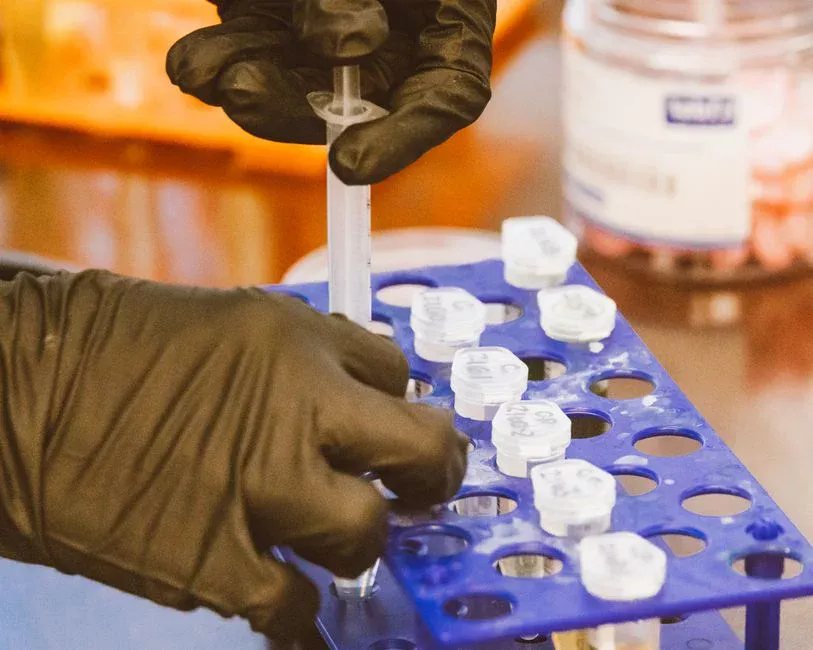
Carbon sold for "industrial filtration" is not the same as carbon qualified for a pharmaceutical plant. Three spec lines should appear on the data sheet before the media is accepted: purity, particle size, and adsorption capacity. The pharma-grade spec widely used for API and finished-dose plants calls for methylene blue absorption of at least 195–225 mg/g, ash content of 2–5% maximum, chloride of 0.15–0.20% maximum, iron of 0.02–0.10% maximum, moisture of 10% maximum, and pH of 5–7 (chemnet pharma carbon spec, XDL-767/765/302 series). For plants producing injectables or HPAPI compounds, heavy-metal limits (Pb, Cd, Hg, As) of 1–5 mg/kg and an endotoxin carryover test should be required even though the carbon is not product-contact — because spent media is Class 1 hazardous waste in many jurisdictions, and downstream incinerator permits will reject out-of-spec ash.
Particle size sets the difference between fixed-bed and slurry service: 10–50 mesh (roughly 0.3–2.0 mm) is the standard GAC grading for fixed-bed vessels, while 200–325 mesh (roughly 45–75 µm) is the powdered carbon used for PAC slurry dosing. Specifying mesh on the PO prevents vendors substituting food-grade powder into a fixed-bed order.
| Parameter | Pharma GAC grade | Pharma PAC grade | Test method |
|---|---|---|---|
| Methylene blue number | ≥195–225 mg/g | ≥210 mg/g | GB/T 12496.10 |
| Iodine number | ≥900 mg/g | ≥800 mg/g | ASTM D4607 |
| Ash | ≤2–5% | ≤5% | ASTM D2866 |
| Chloride | ≤0.15–0.20% | ≤0.20% | GB/T 12496.9 |
| Iron | ≤0.02–0.10% | ≤0.05% | GB/T 12496.8 |
| Moisture | ≤10% | ≤10% | ASTM D2867 |
| pH | 5–7 | 3–7 | GB/T 12496.7 |
| Mesh | 10–50 | 200–325 | ASTM D2862 |
GAC vs PAC vs Hybrid: Choosing the Right Configuration
The configuration question is downstream of the operating question: do you have continuous, predictable loading, or do you have shock loads that arrive in batches from campaign production? Granular activated carbon (GAC) is a fixed-bed vessel filled with 10–50 mesh media, operated at 20–40 min EBCT and 10–15 m/h hydraulic loading, with breakthrough curves typically running 3–9 months before media changeout at pharma loading rates. Powdered activated carbon (PAC) is a 20–100 mg/L slurry dosed into a contact basin using an automatic PAC dosing skid; it is cheap, deploys in days, but generates an additional 0.5–2 g/L of dry solids that must be dewatered and sent to the spent-carbon waste stream.
The decision rule is direct: continuous duty and water reuse justify GAC; variable or campaign spike loading and emergency polishing justify PAC; both together — PAC ahead of a GAC polisher — handles the case where a GAC bed would otherwise be exhausted inside two months by a ciprofloxacin or beta-lactam campaign peak. For 2026 pharmaceutical GAC skids, specify stainless or rubber-lined carbon steel vessels, automatic backwash on differential pressure, and PLC trip on both inlet pressure and outlet UV254 so changeout is scheduled, not reactive.
| Parameter | GAC fixed bed | PAC slurry dose | Hybrid (PAC + GAC) |
|---|---|---|---|
| EBCT / contact time | 20–40 min | 30–60 min basin | 5–10 min PAC + 20 min GAC |
| Hydraulic loading | 10–15 m/h | n/a (CSTR) | 10–15 m/h on GAC |
| COD removal | 50–80% | 30–60% | 70–90% |
| Color removal | >90% | 60–85% | >95% |
| Carbon life | 3–9 months | Single pass | 6–12 months on GAC |
| Sludge impact | None | +0.5–2 g/L dry solids | +0.3–1 g/L |
| Best fit | Continuous, reuse duty | Variable load, fast deploy | Campaign peaks + reuse |
Where Carbon Sits in a 2026 Pharmaceutical Treatment Train
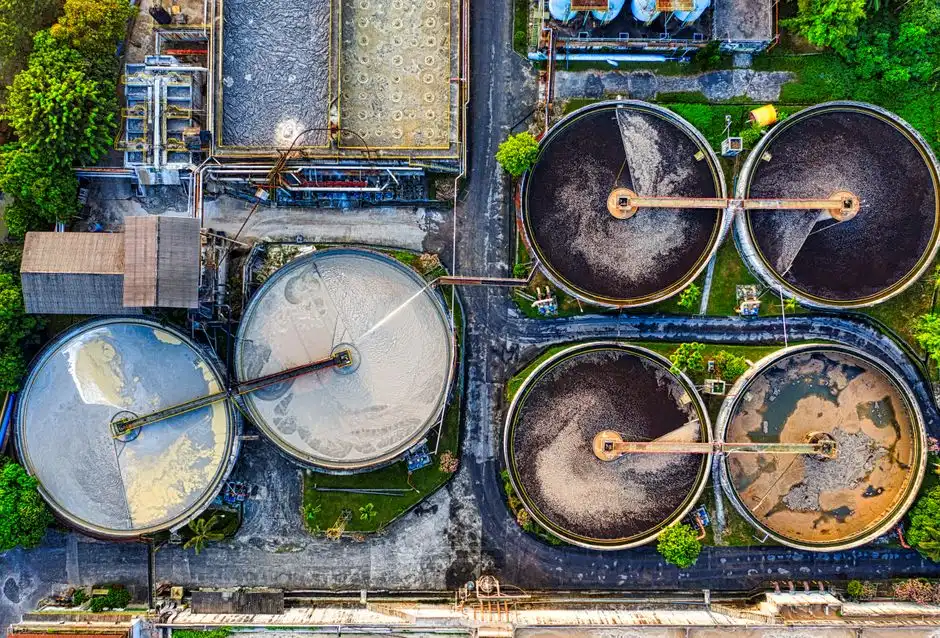
The standard 2026 train for a pharmaceutical plant targeting water reuse runs equalization → primary clarification (DAF or lamella) → biological (MBR or SBR) → activated carbon polishing → RO → disinfection. The carbon stage sits between the biology and the RO for a reason: MBR effluent typically carries 50–80 mg/L COD, 15–30 mg/L TOC, 80–200 Pt-Co color, plus the recalcitrant API and solvent traces the membrane bioreactor cannot mineralize. Feeding that stream directly to RO fouls the membranes within weeks, voids the membrane warranty, and pushes cleaning frequency past the manufacturer's CIP limit. A carbon polisher strips the bulk of the residual organics, protects the RO polishing stage after the carbon filter from organic fouling and oxidation damage, and removes the API traces that would otherwise breach any reuse or receiving-water permit.
For plants with especially refractory APIs, an ozone stage can be inserted upstream of the carbon bed — ozone oxidation upstream of activated carbon breaks the larger molecules into smaller fragments the carbon can adsorb more efficiently. The carbon then doubles as a guard bed to strip residual ozone and any bromate formed. Either way, the upstream MBR is the MBR biological stage upstream of the carbon filter that defines the carbon feed profile. Compliance with 2026 chemical and pharmaceutical discharge standards is what dictates whether the carbon stage is sized to a discharge envelope or to a tighter reuse envelope.
Operating Parameters and Breakthrough Curve Management
Design empty bed contact time is the single most important operating number. Pharma GAC vessels are sized at 20–40 min EBCT: doubling EBCT from 20 to 40 min improves COD and TOC removal by roughly 15–25 percentage points but doubles the vessel footprint and carbon inventory, so 30 min is the common compromise. Hydraulic loading is held at 10–15 m/h to keep contact time predictable; exceeding 18 m/h short-circuits the bed and lets the breakthrough curve collapse.
Breakthrough is the operating event, not a surprise: when outlet COD or UV254 climbs to 50% of inlet, the bed is at the changeout threshold, and the operator schedules media replacement. Pharma carbon life runs 3–9 months at typical MBR effluent loadings, with shorter life during beta-lactam or solvent campaigns. Backwash is triggered on a differential pressure rise of 0.5–1.0 bar across the vessel; bed expansion during backwash is held at 20–30% to fluidize the media without losing fines, and a 10–15 min rinse-down is mandatory before returning the vessel to service, otherwise the first hour of filtrate will carry carbon fines that foul downstream RO pre-filters.
2026 CAPEX and OPEX Benchmarks for a Pharma GAC System
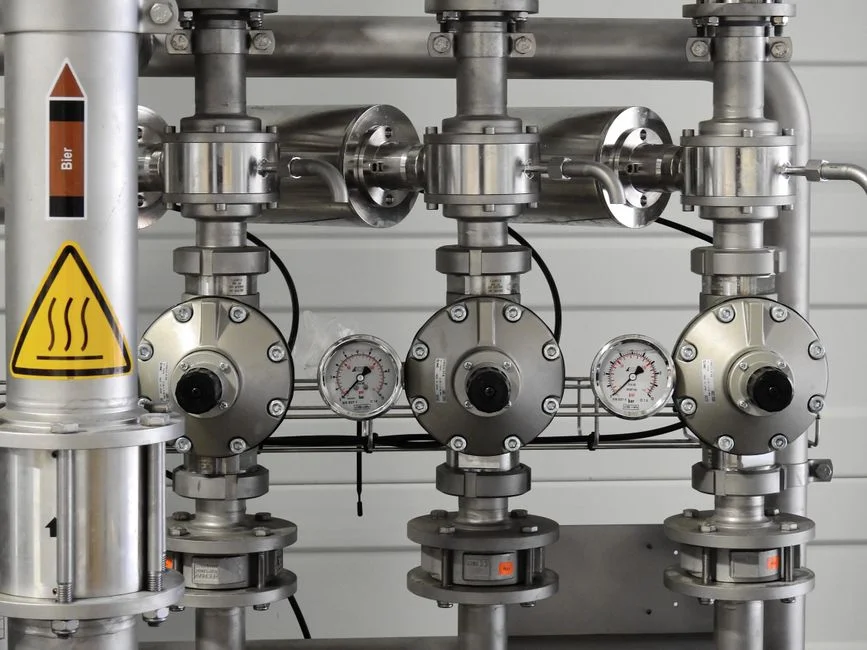
For a 5–20 m³/h packaged GAC skid — vessel, automatic backwash, instrumentation, PLC, and skid integration — CAPEX runs $25,000–$80,000 in 2026, with the spread driven by vessel material (rubber-lined carbon steel versus 304/316L stainless) and the level of automation (HydropureWater field data, 2026). OPEX is dominated by media replacement: pharma-grade GAC runs $2,000–$3,500 per ton, and a 20 m³/h plant cycling 5 tonnes of carbon every 6 months spends $20,000–$35,000 on media annually, which translates to $0.08–$0.22 per m³ treated. Add backwash water at 3–5% of throughput, energy for backwash pumps at roughly 0.05–0.10 kWh/m³, and 2–4 hours per week of operator labor, and the all-in OPEX lands at $0.18–$0.40 per m³.
For comparison, PAC OPEX for a 200 m³/day API plant at 50 mg/L dose works out to 10 kg/day of PAC consumed, or roughly 3.6 tonnes per year, before downstream sludge handling cost. PAC is cheaper on media ($1,200–$2,000/ton) but the additional 10–20 kg/day of dry solids it sends to the dewatering press is a real OPEX penalty the GAC option avoids.
| Cost line | GAC (20 m³/h, 2026) | PAC (200 m³/day, 50 mg/L) |
|---|---|---|
| CAPEX, packaged skid | $25,000–$80,000 | $8,000–$15,000 (dosing skid) |
| Media unit cost | $2,000–$3,500/ton | $1,200–$2,000/ton |
| Media use | ~5 t / 6 months | ~3.6 t / year |
| Media OPEX | $0.08–$0.22/m³ | $0.06–$0.10/m³ |
| Backwash water | 3–5% of throughput | None |
| Sludge impact | None | +10–20 kg/day dry solids |
| All-in OPEX | $0.18–$0.40/m³ | $0.20–$0.45/m³ incl. sludge |
Frequently Asked Questions
What EBCT should I specify for a pharmaceutical GAC vessel?
Design for 30 min EBCT as the baseline, with 20 min for tight-footprint retrofits and 40 min where reuse permeate TOC is the binding constraint. Going below 15 min produces inconsistent breakthrough; going above 45 min doubles vessel cost for marginal incremental removal.
What mesh size is correct for fixed-bed pharma GAC?
10–50 mesh (0.3–2.0 mm) is the standard fixed-bed grading. Anything finer than 50 mesh raises backwash losses above 5%; anything coarser than 8 mesh lets the bed channel and short-circuit the contact time.
How long does pharma-grade GAC last before changeout?
Carbon life runs 3–9 months at typical MBR effluent loadings of 50–80 mg/L COD. Schedule changeout when outlet UV254 or COD reaches 50% of inlet, not when it exceeds the discharge limit, to keep a safety margin.
What reuse limits can a GAC + RO train meet for pharma effluent?
A GAC polisher followed by RO reliably delivers permeate TOC under 1 mg/L, conductivity under 50 µS/cm, and residual APIs below detection — suitable for cooling-tower makeup and, with a final polishing stage, for low-pressure boiler feed.
Is PAC ever a better choice than GAC for pharmaceutical wastewater?
PAC is the right answer when production is campaign-based with sharp API spikes, when a GAC vessel cannot be installed in the available footprint, or when the downstream sludge system can absorb the extra 0.5–2 g/L of dry solids. Otherwise, a continuous-duty GAC is cheaper to operate over a 12-month horizon.
Related Equipment
- multi-media filter guarding the carbon bed — specifications, capacity range, and technical data