What the 2026 Egyptian pH Discharge Limit Actually Is
In 2026, Egypt's pH discharge limit for industrial wastewater remains 6.0–9.0, set under Egyptian Law 4/1994 (the framework environmental statute) and Ministerial Decree 44/2000 (the executive regulation containing the numerical limits in Annex VIII), with enforcement handled by the Egyptian Environmental Affairs Agency (EEAA). Law 9/2009 subsequently amended Law 4/1994 to expand EEAA's inspection authority and penalty powers, and that strengthened enforcement posture is the operating reality in 2026. Out-of-range effluent — typical from textile dye baths, food processing CIP, and metal finishing pickling — must pass through an equalization and chemical neutralization stage, typically with PLC-controlled acid/base dosing, before discharge to sewer or receiving waterbody.
EEAA-licensed facilities are required to self-monitor pH continuously, log the data, and submit quarterly compliance reports. Non-compliance triggers graduated penalties: administrative fines, ordered shutdowns, and — under the 9/2009 amendments — potential criminal liability for repeat or willful violations. The pH standard sits inside a broader parameter set in Decree 44/2000 Annex VIII, summarized below for engineering reference.
| Parameter | Decree 44/2000 Limit | Engineering Implication |
|---|---|---|
| pH | 6.0–9.0 | Requires equalization + neutralization for most Egyptian industrial streams |
| Temperature | ≤ 35°C | Cooling tower or heat exchanger may be needed for hot rinse streams |
| Total Suspended Solids (TSS) | ≤ 60 mg/L | Clarifier or DAF downstream of pH adjustment |
| COD | ≤ 1,100 mg/L (sector-dependent) | Biological or advanced oxidation polishing |
| BOD₅ | ≤ 600 mg/L (sector-dependent) | Activated sludge, MBR, or SBR polishing |
| Oil & Grease | ≤ 100 mg/L | DAF or oil-water separator upstream of pH stage |
No published amendment has changed the 6.0–9.0 range in 2025–2026. What has tightened is the enforcement cadence: EEAA has increased inspection frequency for facilities in the Nile Delta and Suez industrial zones and has pushed licensed facilities toward continuous online monitoring with 12-month data retention. Engineers specifying new systems in 2026 should design for continuous logging and remote data export as the default, not the upgrade. For a cross-jurisdictional view of how Egypt compares to other 2026 chemical wastewater discharge frameworks, see this 2026 global chemical wastewater discharge standards guide.
Why Egyptian Industries Struggle to Stay Inside pH 6.0–9.0
Egyptian industrial streams are rarely pH-neutral at the source. Textile dye baths cycle between pH 4 (acid dye fixation) and pH 10–12 (reactive dye alkaline bath). Food and dairy CIP lines swing from pH 2 (nitric acid wash) to pH 12 (caustic cleaning) within a single cleaning cycle. Metal finishing pickling baths run pH 1–3; alkaline electroplating rinses hit pH 12–14. Tanneries discharge lime-sulfide liquors at pH 8–12. Petrochemical refineries typically hold pH 5–9 but produce excursions to pH 2 or 12 during unit startups and tank drainage. Designing for a neutral 7.0 is designing for failure.
The problem compounds because most Egyptian plants run 1–2 production shifts per day, so peak pH excursions arrive as slugs rather than continuous flow. A 50 m³ batch at pH 2 entering a 200 m³ equalization basin at pH 7 drops the basin to roughly pH 4.2 if no reagent is added — equalization alone cannot absorb the swing. Across a typical shift, pH can move 6–8 units over a 2–4 hour window, well beyond the buffering capacity of a single neutralization tank without reagent feed.
Local ambient conditions matter for the dose calculation. Egyptian tap water typically reads pH 7.2–7.8, and sewer temperatures run 25–32°C in summer, which shifts reagent demand and accelerates biological activity in downstream stages. The standard 2026 response in Egypt is a treatment train — equalize → neutralize → coagulate → DAF or sediment → polish — rather than a single reactor. Plants that try to shortcut this with one tank and one dose pump routinely fail EEAA grab-sample checks. An underground integrated treatment package or an automatic chemical dosing skid is the typical building block for the equalization and neutralization stages.
How a pH Neutralization System Is Designed for Egyptian Compliance
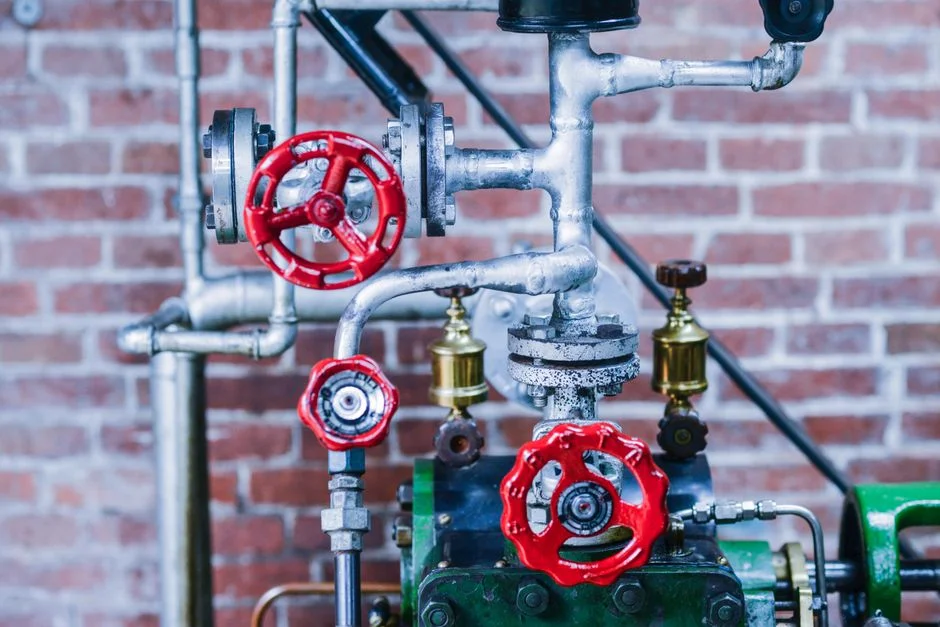
A neutralization system sized for Egyptian compliance follows six steps. The output of each step feeds the next, and skipping a step is the most common reason plants fail EEAA audits.
Step 1 — Influent characterization. Run a 24-hour composite sampling program across at least three operating days to capture pH range, peak instantaneous flow, and acid/base demand expressed in kg of CaCO₃ per m³. Without these three numbers the reactor design is guesswork.
Step 2 — Equalization basin sizing. Target 8–24 hours of average flow. For a 20 m³/h plant, that translates to a 160–480 m³ basin, typically concrete with an HDPE or epoxy liner, equipped with a submersible mixer rated at 4–6 W/m³ to prevent stratification. The basin absorbs flow and pH variability so the downstream reactor sees a damped signal.
Step 3 — pH adjustment reactor. Use a continuous stirred-tank reactor (CSTR). A single CSTR handles moderate swings with a 5–15 minute hydraulic retention time (HRT); high-buffering wastes (e.g., textile reactive dye baths, metal finishing rinses with chelating agents) need 20–30 minutes. Two CSTRs in series reduce reagent consumption 18–25% by letting the first stage do coarse correction and the second stage trim to setpoint — the second stage is where the fine pH probe and PID loop actually close the band to within ±0.3 pH units.
Step 4 — Reagent selection. Sulfuric acid (H₂SO₄, typically 98% commercial grade) and sodium hydroxide (NaOH, 30–50% liquid) are the workhorses in Egypt because of cost and availability through Alexandria and Damietta distributors. Lime (Ca(OH)₂) as a slurry is used when sludge handling is already on-site and reagent cost per kg of alkalinity matters more than footprint. CO₂ is preferred when the influent is alkaline and only gentle pH trimming is needed — it adds no dissolved solids to the stream.
Step 5 — Dosing control. A PLC with two pH probes (one in the reactor body, one downstream of the second CSTR) runs a PID loop on a metering pump. Setpoint is typically pH 7.5 for streams going to municipal sewer or pH 8.5–9.5 if metals precipitation follows. An automatic PLC-controlled dosing skid integrates the pumps, probes, mixing, and panel in one factory-tested unit.
Step 6 — Polishing. If the wastewater carries dissolved metals, pH adjustment is followed by coagulation/flocculation and a DAF system for downstream solids removal, with metals precipitation typically targeted at pH 8.5–9.5. The full process train reads: influent → bar screen → equalization → CSTR 1 → CSTR 2 → coagulation/flocculation → DAF → biological or membrane polishing → compliant effluent.
| Design Parameter | Typical Range (Egypt, 2026) | Notes |
|---|---|---|
| Equalization HRT | 8–24 h | 8 h for low variability, 24 h for batch-heavy plants |
| Mixer power in EQ basin | 4–6 W/m³ | Submersible, prevent settling and stratification |
| CSTR HRT (single) | 5–15 min (moderate), 20–30 min (high buffering) | Higher for textile and metal finishing streams |
| CSTR HRT (two-stage) | Stage 1: 5–10 min, Stage 2: 5–10 min | Cuts reagent use 18–25% vs single stage |
| Agitator tip speed | 2–5 m/s | Avoid vortexing at low fill levels |
| Reagent dose (NaOH, pH 4→7) | 0.4–0.8 kg/m³ (typ.) | Site-specific by titration |
| pH probe response | ≤ 5 s to 90% reading | Clean probes weekly; auto-clean preferred |
| Dosing pump turndown | 100:1 minimum | PID stability at low flow |
CAPEX and OPEX: What pH Compliance Costs in 2026
Budget figures for a pH compliance upgrade in Egypt in 2026 vary primarily with flow rate. The breakdown below is sized for turnkey installation including civil works, equipment, and commissioning (HydropureWater field data, 2026). Numbers exclude land cost and vary by influent variability.
| Plant Size | Flow (m³/h) | Scope | CAPEX (USD) | OPEX (USD/m³) |
|---|---|---|---|---|
| Small | 5–20 | Neutralization skid + EQ tank | $35,000–$90,000 | $0.08–$0.20 (reagent-dominant) |
| Mid | 20–80 | EQ + dual-CSTR + DAF + sludge handling | $180,000–$520,000 | $0.06–$0.14 (incl. sludge) |
| Large | 80–300 | Integrated concrete or package system | $700,000–$2,200,000 | $0.04–$0.10 (reagent optimization at scale) |
Neutralization hydroxide sludge runs 0.5–3% of treated flow volume as wet cake. A plate-and-frame filter press for hydroxide sludge reduces cake moisture to 60–65%, cutting disposal mass and cost 40–60% versus drying beds. For plants generating more than ~2 m³/d of sludge, mechanical dewatering pays back in 12–24 months on disposal savings alone.
Reagent cost dominates OPEX in the small-plant band, and NaOH prices in Egypt fluctuated ±15% across 2024–2025 on currency movements. Design should target minimum NaOH consumption — typically via two-stage CSTR control and aggressive equalization — and the procurement contract should include a reagent price-pass clause for contracts longer than 12 months. A skid-mounted PLC-controlled dosing skid cuts field installation labor by 30–50% versus a relay-logic panel assembled on site, which is the single largest CAPEX variance item in the small-plant band.
Choosing Equipment and a Supplier for Egyptian Conditions
The spec is the easy part; the supplier decision is where Egyptian projects succeed or stall. Five checks separate a workable vendor from one that will leave a plant non-compliant during an EEAA inspection.
First, confirm reference projects in MENA — ideally Cairo, Alexandria, or the 10th of Ramadan, 6th of October, or Suez industrial zones. Ask for site-visit contacts, not just logos. Second, verify the dosing skid ships with a PLC (Siemens S7-1200, Allen-Brace CompactLogix, or equivalent) and supports remote data export via Modbus TCP or MQTT; relay-logic panels are no longer acceptable for EEAA-licensed facilities in 2026. Third, confirm spare-parts availability: H₂SO₄ and NaOH metering pumps (typical brands include Grundfos, Seko, Milton Roy, or equivalent Chinese OEM) should be stocked locally or shipped within 7 days. Fourth, prefer a single supplier for the full train — bar screen, equalization, neutralization, DAF, and sludge handling — to avoid interface-engineering risk at the boundary between two vendors' control systems. Fifth, confirm the supplier provides commissioning, operator training, and a documented EEAA compliance handover package including the pH log format and alarm setpoints.
A skid-mounted, PLC-controlled dosing system paired with a DAF unit and downstream polishing — for example, a compact package biological treatment plant or an MBR-integrated polishing stage — is the standard 2026 architecture for Egyptian industrial sites from 5 to 300 m³/h. For plants targeting continuous monitoring compliance, integrating online analyzers for continuous EEAA monitoring into the same PLC is now a routine spec, not an upgrade. For a parallel regional design case covering Iranian industrial compliance, the Mashhad 2026 process and buyer's guide covers a comparable reactor-sizing approach with different reagent economics.
Frequently Asked Questions
Q1: What is the exact pH discharge limit in Egypt in 2026?
6.0–9.0, set under Egyptian Law 4/1994 and Ministerial Decree 44/2000 (Annex VIII), unchanged through 2026.
Q2: Who enforces pH discharge limits on Egyptian industrial facilities?
The Egyptian Environmental Affairs Agency (EEAA), operating under enforcement powers strengthened by Law 9/2009 amendments to Law 4/1994.
Q3: What is the penalty for exceeding pH limits in Egypt?
Administrative fines, ordered facility shutdown, and — for repeat or willful violations under the 9/2009 amendments — potential criminal liability. Specific fine amounts are set by EEAA per violation category and facility size.
Q4: Can I discharge pH 5.5 to the municipal sewer in Egypt?
No. Sewer connection agreements in Cairo, Alexandria, and Giza typically mirror the 6.0–9.0 national standard, and many authorities require 6.5–8.5 at the point of connection. Always check the local sewer authority's specific connection permit.
Q5: How long does a pH adjustment system take to bring wastewater into compliance?
Hydraulic retention in the CSTR is 5–30 minutes depending on buffering and swing severity; the full equalization cycle is typically 8–24 hours. The CSTR provides immediate correction; the equalization basin provides the time-window for stable downstream operation.
Q6: Do I need continuous online pH monitoring for EEAA compliance?
EEAA guidance from 2024 through 2026 increasingly requires continuous online monitoring for facilities discharging more than 50 m³/day, with data retention of 12 months minimum. New licenses issued in 2026 in the Nile Delta and Suez industrial zones typically mandate remote data access for the inspectorate.