Why Salvador Hospitals Need a Dedicated Treatment Train in 2026
A 280-bed tertiary hospital in Salvador came within 0.4 log of a CONAMA 430/2011 thermotolerant coliform violation in 2025 after discharging septic-tank effluent directly to EMBASA sewer during a 220 mm rainfall event. That near-miss frames the regulatory and clinical case for a dedicated train: hospital effluent is not domestic sewage, and a municipal-only or septic-tank approach fails the moment a Bahia facility pushes pharmaceutical, microbiological, or radiological loads past the legal ceiling. CONAMA 430/2011 sets the discharge envelope at pH 5–9, BOD5 ≤120 mg/L, COD ≤200 mg/L, total suspended solids ≤150 mg/L, and thermotolerant coliforms ≤1,000 CFU/100 mL; Bahia SEMA Ordinance 1508/2015 tightens monitoring frequency but does not relax those numbers.
Hospital flow splits into four streams that cannot share a single domestic train: blackwater at roughly 25% of total volume, greywater at 50–65%, laboratory effluent at 5–10%, and imaging/radiology at 1–3%. Each carries a distinct signature — blackwater carries fecal pathogens and antibiotic residues, greywater carries washroom surfactants and hormone traces, laboratory waste carries formaldehyde, glutaraldehyde, and expired reagents, and imaging waste carries X-ray silver and iodinated contrast media. The Springer 2018 edited volume Hospital Wastewaters: Characteristics, Management, Treatment and Environmental Risks documented more than 100 pharmaceutical compounds at 0.1–100 μg/L and antibiotic-resistant bacteria at 104–106 CFU/100 mL in hospital influent — concentrations that overwhelm a municipal activated-sludge plant calibrated for domestic BOD. CONAMA 357/2005 receiving-water Class 2 standards on the Baía de Todos os Santos push coastal facilities further, because residual activity in the plume must protect shellfish beds and bathing waters within the bay.
Hospital Effluent Characterization: What Is Actually in the Water
Engineers sizing equalization, biological, and disinfection units in Salvador need three layers of influent data: a real measured profile, a defensible range for design margin, and a Salvador-specific peak factor. The Bioresources & Bioprocessing 2024 algae study (Chlorella sp. LH2, DOI 10.1186/s40643-024-00748-6) measured untreated hospital wastewater at BOD5 192 ± 8.62 mg/L and COD 245 ± 9.15 mg/L, with a BOD5:COD ratio of 0.77 indicating a highly biodegradable organic fraction. That anchor aligns with industry-typical ranges: TSS 100–350 mg/L, total nitrogen 20–80 mg/L, total phosphorus 5–25 mg/L, and fecal coliforms 105–107 CFU/100 mL.
Micropollutants are the second layer and they drive the choice of polishing. Antibiotics (ciprofloxacin, sulfamethoxazole, amoxicillin) typically appear at 1–50 μg/L, iodinated contrast media at 10–500 μg/L, cytotoxics such as cyclophosphamide at 0.05–5 μg/L, and synthetic hormones at sub-μg/L concentrations. Conventional secondary treatment removes only 20–60% of these by sorption and partial degradation; that residual load is the engineering rationale for adding an advanced oxidation or membrane step rather than relying on chlorination alone.
The third layer is Salvador-specific hydraulics. Morning shift turnover, surgical block scheduling, and laundry peaks drive a peak-to-average flow ratio of 1.5–2.0×, and April–July storm events routinely push wet-weather peaks to 2.5×. Equalization, screening, and disinfection contact tanks must be sized to the 1.5× peak at minimum; biological reactors should be checked against the 2.5× storm peak to avoid washout.
| Parameter | Typical range (hospital influent) | CONAMA 430/2011 limit | Design target after MBR + ClO2 |
|---|---|---|---|
| pH | 6.5–8.5 | 5–9 | 6.5–8.0 |
| BOD5 (mg/L) | 150–250 | ≤120 | <10 |
| COD (mg/L) | 200–400 | ≤200 | <30 |
| TSS (mg/L) | 100–350 | ≤150 | <1 |
| Total nitrogen (mg/L) | 20–80 | — | <15 |
| Total phosphorus (mg/L) | 5–25 | — | <2 |
| Thermotolerant coliforms (CFU/100 mL) | 105–107 | ≤1,000 | <100 |
| Flow peak factor | 1.5–2.5× average | — | Equalized to 1.2× |
The 2026 Process Flow for Salvador Hospitals: Equalization → MBR → ClO2
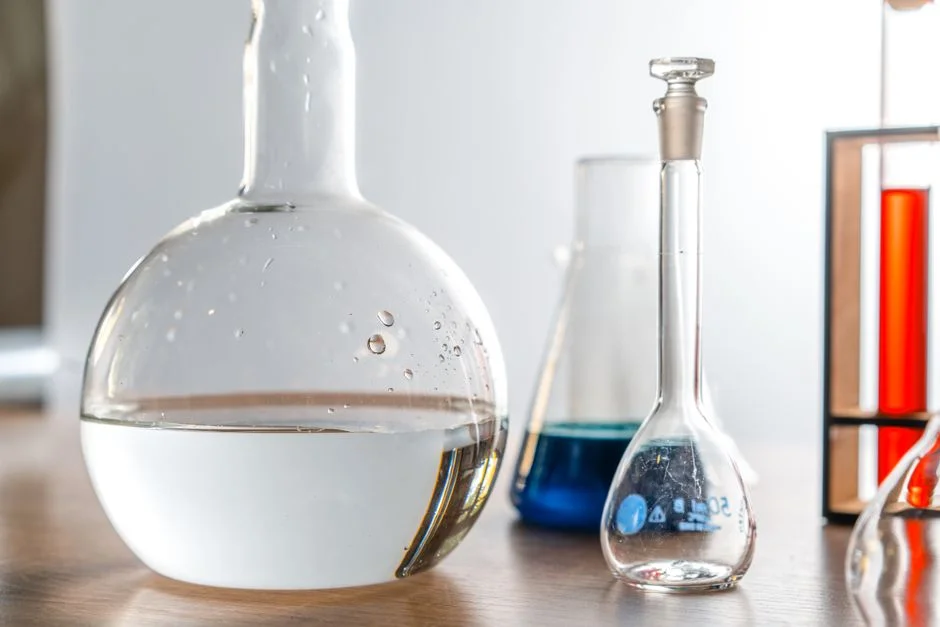
The reference process train for a 2026 Salvador hospital starts with screening, equalizes hydraulic and contaminant shocks, runs an anoxic/aerobic MBR with submerged flat-sheet membranes, disinfects with on-site generated chlorine dioxide, and optionally polishes with UV where the receiving environment is sensitive. Each unit has a number attached so a tender can be written without ambiguity.
- Coarse and fine screening. A 10 mm bar screen at the headworks and a 3 mm rotary fine screen downstream capture textiles, swab waste, and surgical gauze. Capture rate of 60–80% on suspended solids protects downstream pumps and membrane fibers from fouling and abrasion.
- Equalization. An 8–12 hour HRT buried tank sized at 1.5× average daily flow, with submersible mixers at 4–6 W/m³ to prevent solids settling and to dampen pharmaceutical and chlorine shock loads from the laboratory stream. Aeration is kept off until the flow enters the biological stage to avoid stripping volatile compounds into the headhouse.
- Anoxic/aerobic MBR. A pre-anoxic zone (HRT 2 h) followed by an aerobic zone with submerged PVDF flat-sheet membrane modules at 0.1 μm nominal pore. Mixed liquor suspended solids run 8,000–12,000 mg/L, SRT 20–30 days, total biological HRT 6–8 hours — compressed from the 12–14 hours typical in temperate designs because tropical 30 °C mixed liquor doubles the nitrification and BOD removal rates (HydropureWater field data, 2026). Effluent TSS is consistently <1 mg/L and turbidity <1 NTU, which is what makes the downstream disinfection reliable. A packaged MBR membrane bioreactor system for hospitals up to 200 beds fits inside a single 40 ft container, simplifying installation on the constrained Salvador urban sites.
- Chlorine dioxide disinfection. An on-site chlorine dioxide generator sized for 1.5–2.0 mg/L dose and 30-minute contact time achieves ≥99.9% inactivation of E. coli and coliphages. ClO2 is preferred over Cl2 for hospital effluent because it does not form trihalomethanes with pharmaceutical and phenolic residues, and it maintains a stable residual across pH 7–9. Sodium chlorite + HCl precursor chemistry is the most common route in Bahia because the precursors are easier to import than Cl2 gas cylinders.
- UV polish (optional). A 40 mJ/cm² low-pressure UV bank is added when the discharge is to a Class 1 tributary, when the hospital has an on-site laundry and kitchen pushing fats-oils-grease past 50 mg/L, or when non-potable reuse (toilet flushing, irrigation of hospital gardens) is planned.
The same five-unit train is also described in comparative form in our Western Cape hospital wastewater treatment guide, with the climate-specific HRT compression logic explained side by side.
Three Process Options Compared: Package A/O, MBR + ClO2, MBR + Ozone
Three reference designs cover 90% of Salvador hospital tenders in 2026. Each is matched to a different site constraint, budget envelope, and discharge mode. The matrix below scores them on footprint, pathogen kill, CAPEX, OPEX, and pharmaceutical residue handling — five criteria that drive real purchasing decisions in Bahia.
Option A — Buried WSZ package. A factory-built A/O + sedimentation + tablet chlorination skid buried below the parking lot. Lowest CAPEX (USD 8,000–18,000 per 100 beds) and zero above-grade visual impact, but chlorine byproducts form with phenolic drugs and the biological stage does not reliably remove antibiotics below 50 μg/L. Best for 30–60 bed clinics with municipal sewer discharge. See the buried package A/O treatment plant reference configuration.
Option B — Above-grade MBR + ClO2. A containerized MBR plus a chemical ClO2 generator. CAPEX USD 18,000–45,000 per 100 beds, 99.9% coliform kill, no AOX or trihalomethane formation, and reliable pharmaceutical removal down to 5–15 μg/L. This is the 2026 Salvador default because it balances regulatory margin, footprint, and 4–7 year ROI. For facilities under 60 beds a compact hospital wastewater treatment system brings the same train into a single skid.
Option C — MBR + corona-discharge ozone + UV. The premium option. CAPEX USD 35,000–80,000 per 100 beds, 99.99% pathogen kill, and partial destruction of recalcitrant micropollutants (ciprofloxacin, diclofenac) through •OH radical oxidation. Justified for research hospitals, oncology centers with cytotoxic discharge, or facilities near beaches and recreational waters where the receiving-water class pushes the coliform target to ≤200 CFU/100 mL. See the engineering detail in our ozone oxidation system engineering guide and the regulatory framing in the Helsinki hospital wastewater compliance guide.
| Criterion | Option A: WSZ package | Option B: MBR + ClO2 | Option C: MBR + Ozone + UV |
|---|---|---|---|
| Footprint per 100 beds | 4–6 m² (buried) | 12–18 m² (above-grade container) | 20–28 m² (with ozone skid) |
| Coliform kill (CFU/100 mL) | 103–104 | <100 | <10 |
| CAPEX (USD per 100 beds) | 8,000–18,000 | 18,000–45,000 | 35,000–80,000 |
| OPEX (USD per liter treated) | 0.08–0.15 | 0.18–0.42 | 0.35–0.70 |
| Pharmaceutical residue removal | 20–40% | 60–85% | 85–95% |
| Disinfection byproducts | THMs likely | None (ClO2) | None (O3) |
| Best-fit application | Small clinic, sewer discharge | 100–300 bed hospital, default choice | Research / coastal discharge |
2026 CAPEX and OPEX Benchmarks for Salvador Hospital Projects
Cost is where most Salvador hospital tenders fail or stall, so the numbers below are 2026 turnkey figures covering civil, mechanical, electrical, and instrumentation — not just the equipment skid. Anchor: a 100-bed hospital turnkey MBR + ClO2 plant runs USD 18,000–45,000.
- CAPEX by bed count (turnkey, 2026 USD). 50-bed clinic USD 12,000–28,000; 100-bed hospital USD 18,000–45,000; 300-bed tertiary USD 65,000–160,000. The wide bands reflect discharge mode (sewer versus surface water) and whether the scope includes a separate laboratory pre-treatment tank.
- OPEX drivers. USD 0.18–0.42 per liter treated, dominated by membrane replacement (8–10 year cycle, ~USD 80–120 per m² of membrane area), ClO2 precursor cost, and energy at 1.2–1.8 kWh/m³ (HydropureWater field data, 2026).
- Salvador-specific adjustments. Electricity tariff ~USD 0.11/kWh (Coelba 2026 commercial class) and 12% Bahia ICMS on imported ClO2 precursors. On-site generation typically reduces OPEX 20–30% versus commercial NaClO, partly because the precursor tax is applied once on the imported bulk, not on every batch of diluted hypochlorite.
- ROI window. 4–7 years for hospitals avoiding EMBASA sewer surcharges of BRL 6–14 per m³ plus the regulatory fine exposure under CONAMA 430/2011. The same logic is applied in the Colorado Springs hospital wastewater EPA guide for a North-American cost parallel.
| Hospital size | CAPEX (USD, turnkey) | OPEX (USD/m³) | Membrane life | Indicative ROI |
|---|---|---|---|---|
| 50 beds | 12,000–28,000 | 0.20–0.35 | 8–10 yr | 5–7 yr |
| 100 beds | 18,000–45,000 | 0.18–0.42 | 8–10 yr | 4–6 yr |
| 300 beds | 65,000–160,000 | 0.15–0.32 | 8–10 yr | 4–5 yr |
Salvador Hospital Buyer Checklist: 5 Decisions Before Equipment Selection
Five decisions lock in 80% of the design. Walk through them in order before any supplier is invited to bid.
- Confirm discharge mode. Municipal sewer (EMBASA) versus surface water. Sewer permits the chlorine dioxide target to ride at 1.0–1.5 mg/L with a ≤1,000 CFU/100 mL coliform ceiling; surface-water discharge to a Class 2 tributary pushes the target to 0.5 mg/L residual and ≤200 CFU/100 mL, which usually adds UV polish.
- Map peak wet-weather flows. Salvador April–July storms routinely exceed 200 mm/month. Size equalization to 1.5× average daily flow minimum, and verify that the biological stage can ride out a 2.5× storm peak without MLSS washout. A DAF pre-treatment unit ahead of the MBR is often justified when FOG from on-site kitchen and laundry pushes past 50 mg/L.
- Verify Bahia SEMA licensing. Operating license renewal requires self-monitoring reports on a CETESB-style monthly composite sampling schedule for BOD, COD, TSS, pH, and thermotolerant coliforms. Confirm the supplier's recommended sampling plan matches INEMA Bahia format before purchase.
- Decide on buried versus above-grade. Buried WSZ packages are practical only below 60 m³/day and on sites with at least 3.5 m clearance to the water table. Above 60 m³/day the containerized MBR is the default because it gives maintenance access and keeps membranes out of the seasonal water-table rise zone.
- Pre-qualify suppliers on three points. CE/INMETRO certification of the MBR and ClO2 generator; documented on-site ClO2 safety (gas detector, vented housing, NaClO2 spill containment); and Salvador/Camaçari logistics for membrane replacement within 72 hours of a failure. The chemical dosing skid — a PLC-controlled chemical dosing system — should be sourced from the same supplier so the control interlocks and SCADA tags are aligned.
Frequently Asked Questions
What is the legal effluent limit for hospitals in Salvador? CONAMA 430/2011 sets the discharge ceiling at BOD5 ≤120 mg/L, COD ≤200 mg/L, TSS ≤150 mg/L, pH 5–9, and thermotolerant coliforms ≤1,000 CFU/100 mL. Bahia SEMA Ordinance 1508/2015 tightens monitoring frequency to monthly composite sampling and requires quarterly submission of self-monitoring reports to INEMA.
Can hospital wastewater be discharged directly to the municipal sewer in Salvador? Yes, but EMBASA applies a surcharge of BRL 6–14 per m³ and on-site pre-treatment is mandatory for any biological, chemical, or imaging waste stream. Direct discharge of laboratory effluent (formaldehyde, glutaraldehyde) or imaging effluent (silver, contrast media) to the sewer is prohibited under ANVISA RDC 306/2004 waste-management rules.
How much does a hospital wastewater treatment plant cost in Salvador in 2026? A 100-bed turnkey MBR + ClO2 system runs USD 18,000–45,000 in 2026, with OPEX at USD 0.18–0.42 per liter treated. A 300-bed tertiary hospital ranges USD 65,000–160,000 in turnkey CAPEX.
Why is chlorine dioxide preferred over chlorine for hospital effluent? ClO2 does not form trihalomethanes when reacting with pharmaceutical and phenolic residues, and it maintains a stable 0.3–0.8 mg/L residual across pH 7–9, which is the operating window of MBR effluent. Chlorine gas and NaClO both form AOX and THMs in the presence of ciprofloxacin, sulfamethoxazole, and phenolic contrast media at the concentrations typical of hospital wastewater.
What is the MBR effluent quality for hospital wastewater? A well-operated anoxic/aerobic MBR at 6–8 hour HRT and 20–30 day SRT delivers BOD5 <10 mg/L, COD <30 mg/L, TSS <1 mg/L, turbidity <1 NTU, and fecal coliforms <100 CFU/100 mL — well within CONAMA 430/2011 and suitable for non-potable reuse in hospital gardens and toilet flushing after UV polish.