Hai Phong hospitals must treat wastewater to meet Vietnam’s QCVN 28:2010/BTNMT standards, which limit COD to 100 mg/L, BOD₅ to 30 mg/L, and fecal coliform to 3,000 MPN/100 mL. With only 4 small-scale treatment facilities citywide and no proper sewerage system, hospitals rely on on-site systems like MBR (99% pathogen removal) or chlorine dioxide disinfection (99.99% kill rate). This guide covers engineering specs, compliance steps, and cost-effective equipment for Hai Phong’s unique challenges.
Why Hai Phong Hospitals Need Dedicated Wastewater Treatment Systems
Hai Phong's inadequate municipal sewerage infrastructure forces hospitals to implement dedicated on-site wastewater treatment systems to prevent severe environmental pollution and public health risks. At present, there is no proper sewerage system in Hai Phong, with most urban households relying on septic tanks that only treat black water, while gray water is discharged directly into surface drains or the environment. The existing combined sewer network, extensive across the three urban districts, collects septic tank overflows, gray water, and storm water, subsequently discharging into surface water bodies and causing extreme pollution (Top 1 PDF, p. 4-1). This infrastructure gap means that untreated hospital effluent directly contributes to environmental degradation and potential disease outbreaks.
Hospital wastewater, which accounts for 20.7% of urban wastewater in Vietnam, contains a complex cocktail of pharmaceuticals, highly infectious pathogens, and heavy metals that conventional septic tanks are incapable of removing (Top 3 PDF, p. 9). These contaminants pose significant risks to public health and aquatic ecosystems if discharged without proper treatment. Local legislation explicitly requires hospitals to pre-treat their effluent before discharge into any sewer system or water body, underscoring the legal imperative for on-site solutions. Typical characteristics of hospital wastewater in Hai Phong, based on WHO guidelines for medical facilities, include high pollutant loads:
- Chemical Oxygen Demand (COD): 300–1,200 mg/L
- Biochemical Oxygen Demand (BOD₅): 150–600 mg/L
- Total Suspended Solids (TSS): 100–400 mg/L
- Fecal Coliform: 10⁶–10⁸ MPN/100 mL
These parameters far exceed permissible discharge limits, necessitating robust hospital effluent treatment Vietnam-wide, especially in cities like Hai Phong with limited centralized infrastructure. Implementing a dedicated compact STP for hospitals is not merely a regulatory requirement but a critical measure for environmental protection and community well-being.
Hai Phong Hospital Wastewater Regulations: QCVN 28:2010/BTNMT and Local Permits
Compliance with QCVN 28:2010/BTNMT is mandatory for all hospital wastewater discharges in Vietnam, imposing strict effluent limits for key pollutants. This national technical regulation on hospital wastewater sets specific parameters that treated effluent must meet before being discharged into receiving water bodies or public sewer systems. The primary limits for hospital wastewater, particularly for Category B (discharge to public sewerage or non-sensitive areas), are:
- Chemical Oxygen Demand (COD): ≤ 100 mg/L
- Biochemical Oxygen Demand (BOD₅): ≤ 30 mg/L
- Total Suspended Solids (TSS): ≤ 50 mg/L
- Fecal Coliform: ≤ 3,000 MPN/100 mL
- Residual Chlorine: ≥ 0.5 mg/L
These Vietnam wastewater treatment standards are designed to mitigate the environmental and public health risks associated with medical wastewater disinfection. Beyond national regulations, Hai Phong’s Department of Natural Resources and Environment (DONRE) plays a crucial role in local enforcement. Hospitals must obtain annual permits for wastewater discharge from Hai Phong DONRE permits, which typically include requirements for quarterly sampling reports to demonstrate ongoing compliance. The permit application process involves submitting detailed information on the treatment system design, expected influent and effluent characteristics, and a comprehensive monitoring plan.
hospitals with more than 100 beds are mandated to install continuous monitoring systems for critical parameters such as pH, COD, and flow rate, as stipulated by Vietnam’s Circular 31/2016/TT-BTNMT. This real-time data collection ensures transparency and allows for immediate intervention if discharge limits are approached or exceeded. Non-compliance with these regulations carries significant penalties under Vietnam Environmental Protection Law 2020, Article 11, which can include fines up to 500 million VND (approximately $21,000) or even the suspension of hospital operations, highlighting the financial and operational imperative for strict adherence.
| Parameter | QCVN 28:2010/BTNMT Limit (Category B) |
|---|---|
| COD | ≤ 100 mg/L |
| BOD₅ | ≤ 30 mg/L |
| TSS | ≤ 50 mg/L |
| Fecal Coliform | ≤ 3,000 MPN/100 mL |
| Residual Chlorine | ≥ 0.5 mg/L |
| pH | 6–9 |
Engineering Specs for Hospital Wastewater Treatment in Hai Phong
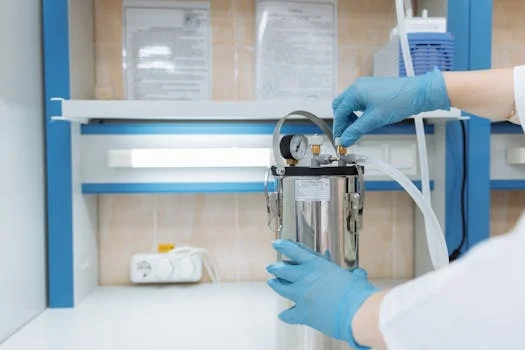
Designing an effective hospital wastewater treatment system in Hai Phong requires precise engineering specifications tailored to local influent characteristics and stringent effluent targets. Typical influent parameters for Hai Phong hospitals, based on regional studies and WHO data, often present high concentrations of organic matter, suspended solids, and microbial contaminants. These include:
- COD: 500–1,000 mg/L
- BOD₅: 250–500 mg/L
- TSS: 200–400 mg/L
- Ammonia (NH₃-N): 30–80 mg/L
- Fecal Coliform: 10⁷–10⁹ MPN/100 mL (Top 3 PDF, p. 12; WHO hospital wastewater guidelines)
To effectively manage this complex waste stream and achieve the required discharge standards, a multi-stage treatment process is essential. A typical compact hospital wastewater treatment system with ozone disinfection for hospital wastewater treatment in Hai Phong usually includes:
- Screening: Initial removal of large solids (syringes, gauze, plastics) using fine screens with 1–3 mm bar spacing to protect downstream equipment.
- Equalization: A buffer tank with 4–6 hours retention time to stabilize flow and pollutant loads, ensuring consistent feed to biological treatment.
- Biological Treatment: The core stage for organic matter and nutrient removal, commonly employing either Anoxic/Oxic (A/O) or Membrane Bioreactor (MBR) systems. For A/O systems, typical parameters include Hydraulic Retention Time (HRT) of 8–12 hours, Mixed Liquor Suspended Solids (MLSS) of 3,000–5,000 mg/L, and a Food-to-Microorganism (F/M) ratio of 0.1–0.3 kg BOD/kg MLSS/day.
- Disinfection: Critical for pathogen removal in hospital wastewater, often achieved using chlorine dioxide or UV systems. Chlorine dioxide requires a contact time of 30–60 minutes for optimal efficacy.
- Sludge Dewatering: Reduces sludge volume for disposal, using equipment like filter presses or screw presses.
The target effluent parameters, aiming for a 20% safety margin below QCVN 28:2010/BTNMT limits to ensure consistent compliance, are:
- COD: < 80 mg/L
- BOD₅: < 20 mg/L
- TSS: < 30 mg/L
- Fecal Coliform: < 1,000 MPN/100 mL
These stringent targets necessitate a robust and well-designed pharmaceutical wastewater treatment system.
| Parameter | Typical Influent (Hai Phong Hospitals) | Target Effluent (QCVN 28:2010/BTNMT + 20% Safety Margin) |
|---|---|---|
| COD | 500–1,000 mg/L | < 80 mg/L |
| BOD₅ | 250–500 mg/L | < 20 mg/L |
| TSS | 200–400 mg/L | < 30 mg/L |
| Ammonia (NH₃-N) | 30–80 mg/L | < 5 mg/L |
| Fecal Coliform | 10⁷–10⁹ MPN/100 mL | < 1,000 MPN/100 mL |
| pH | 6.5–8.5 | 6.5–8.5 |
Treatment Technology Comparison: MBR vs. A/O vs. Chlorine Dioxide for Hai Phong Hospitals
Selecting the optimal technology for hospital wastewater treatment in Hai Phong involves balancing high treatment efficiency, footprint requirements, and capital and operational costs. Each technology offers distinct advantages for specific hospital sizes and contaminant profiles.
Membrane Bioreactor (MBR)
An MBR system for high-efficiency pathogen removal integrates biological treatment with membrane filtration, offering superior effluent quality. MBR systems achieve over 99% pathogen removal and typically 90% COD reduction. Their compact design means a footprint 60% smaller than conventional A/O systems, making them ideal for Hai Phong's often space-constrained urban hospital environments. However, MBR systems generally have a higher Capital Expenditure (CAPEX), ranging from ¥1.2M–¥3M for a 10–50 m³/day system. Operational costs include membrane replacement every 5–8 years, depending on influent quality and maintenance practices.
Anoxic/Oxic (A/O) System
A/O systems are a conventional biological treatment method that uses separate anoxic and oxic zones for denitrification and organic matter removal, respectively. These systems achieve 85–92% COD removal and are known for their lower CAPEX, typically ¥800K–¥2M for a 10–50 m³/day system. The primary drawback for Hai Phong hospitals is the larger footprint required compared to MBR, as A/O systems need a secondary clarifier for solid-liquid separation. This can be a significant constraint given Hai Phong's urban density.
Chlorine Dioxide Disinfection
On-site chlorine dioxide generator for hospital effluent disinfection offers a potent solution for the final polishing step of medical wastewater disinfection, achieving a 99.99% pathogen kill rate. Unlike chlorine, chlorine dioxide produces fewer harmful disinfection byproducts and is effective across a broader pH range (6.5–8.5). It requires an on-site chlorine dioxide generator for hospital effluent disinfection, with CAPEX ranging from ¥500K–¥1.5M for 50–200 g/h systems. While highly effective as a disinfectant, it is typically used as a post-biological treatment step rather than a standalone primary treatment for high organic loads.
Use-Case Matching for Hai Phong Hospitals:
- MBR: Best suited for larger hospitals (>200 beds) or those with limited space, demanding the highest effluent quality and pathogen removal.
- A/O: A cost-effective solution for medium-sized hospitals (50–200 beds) with sufficient land availability and where footprint is less critical. Many on-site hospital wastewater systems use this technology.
- Chlorine Dioxide: Ideal for smaller clinics (<50 beds) or as a crucial polishing step after biological treatment in larger systems to ensure final pathogen removal in hospital wastewater.
| Feature | MBR (Membrane Bioreactor) | A/O (Anoxic/Oxic) System | Chlorine Dioxide Disinfection |
|---|---|---|---|
| Primary Function | Biological treatment + Filtration | Biological treatment | Pathogen disinfection |
| Pathogen Removal | >99% | Moderate (needs disinfection step) | >99.99% kill rate |
| COD Reduction | >90% | 85–92% | Minimal (not primary function) |
| Footprint | Compact (60% smaller than A/O) | Larger (requires secondary clarifier) | Very small (for generator unit) |
| CAPEX (10–50 m³/day) | ¥1.2M–¥3M | ¥800K–¥2M | ¥500K–¥1.5M (for 50–200 g/h) |
| Key OPEX | Membrane replacement (5–8 yrs), energy | Sludge disposal, energy | Chemicals, maintenance |
| Byproducts | Minimal | Sludge | No harmful byproducts (unlike chlorine) |
| Best Use Case | >200-bed hospitals, limited space | 50–200-bed hospitals, sufficient space | <50-bed clinics or post-treatment polishing |
Cost Breakdown: Hospital Wastewater Treatment in Hai Phong (2025 Data)
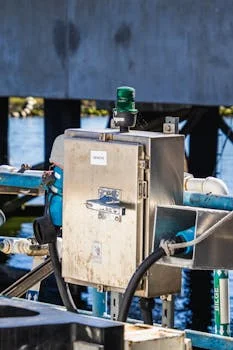
The total cost of hospital wastewater treatment in Hai Phong encompasses significant capital expenditure (CAPEX) for equipment and installation, alongside ongoing operational expenditure (OPEX) for chemicals, energy, and maintenance. For a typical 50 m³/day hospital wastewater treatment system, the CAPEX estimates for 2025 are:
- MBR System: Approximately ¥2.5M (including equipment, installation, and commissioning).
- A/O System: Approximately ¥1.8M (including equipment, installation, and commissioning).
- Chlorine Dioxide System (standalone disinfection, if combined with simpler pre-treatment): Approximately ¥1.2M (for generator, dosing, installation).
Annual Operational Expenditure (OPEX) varies significantly by technology:
- MBR System: Approximately ¥120K (due to energy consumption for aeration and membrane filtration, and membrane replacement costs amortized annually).
- A/O System: Approximately ¥90K (for sludge disposal, aeration energy, and routine maintenance).
- Chlorine Dioxide System: Approximately ¥80K (primarily for precursor chemicals, energy for generation, and maintenance).
Return on Investment (ROI) calculations for these systems often consider avoided fines and potential water reuse savings. Assuming an average of ¥500K per year in avoided penalties for non-compliance and potential savings from treated water reuse for non-potable purposes (e.g., irrigation, toilet flushing), the payback periods are estimated as:
- MBR System: 3–5 years
- A/O System: 2–4 years
- Chlorine Dioxide System (as primary compliance driver): 1–3 years
Hai Phong-specific cost factors influence these figures. Land scarcity in urban areas often favors more compact, underground systems, which may incur higher civil works costs. The region's high humidity necessitates corrosion-resistant materials for equipment, potentially increasing initial investment. Local labor rates for operators and maintenance staff in Hai Phong typically range from ¥150K–¥250K/month, affecting OPEX.
| Cost Category | MBR System (50 m³/day) | A/O System (50 m³/day) | Chlorine Dioxide System (Disinfection) |
|---|---|---|---|
| CAPEX (Equipment, Installation, Commissioning) | ¥2.5M | ¥1.8M | ¥1.2M |
| Annual OPEX (Estimated) | ¥120K | ¥90K | ¥80K |
| Estimated Payback Period (with ¥500K/year savings) | 3–5 years | 2–4 years | 1–3 years |
| Key Cost Drivers | Membranes, energy, civil works for compactness | Sludge disposal, energy, land area | Chemicals, energy, pH control |
Step-by-Step Compliance Checklist for Hai Phong Hospitals
Achieving and maintaining compliance with Hai Phong's stringent wastewater discharge regulations requires a structured, multi-step approach from initial characterization to ongoing monitoring and permit renewal. Facility managers and environmental engineers must systematically address each stage to avoid penalties and ensure sustainable operations.
- Step 1: Conduct Wastewater Characterization. Begin by obtaining a comprehensive analysis of your hospital's raw wastewater (influent) for key parameters including COD, BOD₅, TSS, fecal coliform, pH, and ammonia. This must be performed by an accredited laboratory in Hai Phong. Recommended local labs include:
- Hai Phong Center for Environmental Monitoring and Analysis (CEMAS), Tel: [Insert Placeholder Contact]
- Hai Phong Institute of Environmental Technology, Tel: [Insert Placeholder Contact]
- Vietnam Institute of Environmental Science and Technology (VIET), Hai Phong Branch, Tel: [Insert Placeholder Contact]
- Step 2: Select Treatment Technology. Based on the wastewater characterization, hospital size, available budget (CAPEX/OPEX), and space constraints, select the most appropriate treatment technology. Refer to the comparison table in the previous section (MBR, A/O, or a combination with chlorine dioxide) to make an informed decision.
- Step 3: Submit Permit Application to Hai Phong DONRE. Prepare and submit a complete wastewater discharge permit application to the Hai Phong Department of Natural Resources and Environment. Required documents typically include: detailed system design schematics, influent and target effluent data, a comprehensive monitoring plan, and proof of environmental impact assessment (if applicable).
- Step 4: Install Continuous Monitoring System and Train Staff. For hospitals with more than 100 beds, install continuous monitoring systems for pH, COD, and flow rate as per Circular 31/2016/TT-BTNMT. Ensure these systems are properly calibrated and maintained. Simultaneously, train hospital staff on the daily operation, routine maintenance, and troubleshooting of the wastewater treatment plant, including the automatic chemical dosing system.
- Step 5: Schedule Quarterly Sampling and Annual Permit Renewal. Establish a strict schedule for quarterly effluent sampling and reporting to Hai Phong DONRE to demonstrate ongoing compliance. Mark annual permit renewal deadlines in your operational calendar and ensure all necessary documentation and fees are submitted well in advance to avoid lapses.
Frequently Asked Questions
Understanding the common inquiries regarding hospital wastewater treatment in Hai Phong is crucial for effective project planning and risk mitigation.
What are the penalties for non-compliance with QCVN 28:2010/BTNMT in Hai Phong?
Non-compliance with QCVN 28:2010/BTNMT in Hai Phong can result in substantial fines, potentially up to 500 million VND (approximately $21,000), and in severe or repeated cases, the suspension of hospital operations, as outlined in Vietnam Environmental Protection Law 2020, Article 11.
Can hospitals discharge treated wastewater into Hai Phong’s sewer system, or is direct discharge required?
Hospitals in Hai Phong are generally required to treat their wastewater to QCVN 28:2010/BTNMT standards, Category B, before discharge. This treated effluent can then be discharged into the municipal sewer system if available, or directly into receiving water bodies, provided it meets the specified limits. Hai Phong's limited sewer infrastructure means many hospitals rely on direct discharge after on-site treatment.
How often should MBR membranes be replaced in Hai Phong’s climate?
In Hai Phong's tropical climate with high humidity, MBR membranes typically require replacement every 5–8 years. This lifespan can be influenced by influent quality, operational practices, and the effectiveness of pre-treatment and chemical cleaning routines. For more details on system maintenance, refer to how MBR systems achieve 99% pathogen removal in hospital wastewater.
What are the most common causes of hospital STP failures in Hai Phong, and how can they be prevented?
Common causes of hospital STP failures in Hai Phong include inconsistent influent loads (due to varying hospital activity), inadequate maintenance, power outages, and lack of operator training. Prevention strategies involve implementing equalization tanks, establishing robust preventive maintenance schedules, ensuring reliable power backup, and providing continuous training for operational staff.
Are there government subsidies or grants for hospital wastewater treatment in Hai Phong?
While specific grants for hospital wastewater treatment in Hai Phong are not consistently available, hospitals should monitor announcements from the Vietnamese Ministry of Natural Resources and Environment (MONRE) and local Hai Phong authorities. International development programs, similar to those seen in how Dhaka’s hospital wastewater standards compare to Hai Phong’s, sometimes offer funding or technical assistance for environmental infrastructure projects.
Related Equipment
- MBR system for high-efficiency pathogen removal — view specifications, capacity range, and technical data
Need a customized solution? Request a free quote with your specific flow rate and pollutant parameters.