Hospital wastewater in Western Cape requires treatment to meet SANS 241:2015 effluent limits (COD <75 mg/L, E. coli <1,000 CFU/100mL) while addressing region-specific challenges like 30–50% antibiotic resistance in local WWTPs (Western Cape Department of Environmental Affairs, 2026). MBR systems achieve 99% pathogen removal and <10 mg/L COD, but DAF units (92–97% TSS reduction) may be more cost-effective for pre-treatment in smaller facilities. On-site chlorine dioxide generators (50–20,000 g/h) provide WHO-compliant disinfection without residual byproducts. Western Cape’s City of Cape Town bylaws impose additional discharge limits (e.g., ammonia <10 mg/L), making localized engineering specs critical for zero-risk compliance.
Why Western Cape Hospitals Need Specialized Wastewater Treatment
Western Cape’s hospital wastewater has 20–30% higher antibiotic-resistant bacteria (ARB) loads than Gauteng’s, per 2026 Western Cape Department of Environmental Affairs data. This elevated presence of ARB poses a significant public health risk if not adequately treated before discharge, contributing to the spread of resistance in municipal wastewater treatment plants (WWTPs). Beyond ARB, hospital effluent in Western Cape averages a Biochemical Oxygen Demand (BOD) of 400–600 mg/L, which is substantially higher than the 200–300 mg/L typically found in municipal wastewater. This high organic load necessitates robust pre-treatment to prevent overloading centralized WWTPs and incurring surcharges.
compliance for hospital wastewater treatment in Western Cape is complicated by the stringent City of Cape Town bylaws, which often impose stricter limits than national SANS 241 standards. For instance, local regulations stipulate ammonia levels below 10 mg/L (compared to 15 mg/L nationally) and phosphorus below 1 mg/L (versus 2 mg/L nationally). For any treated wastewater destined for reuse applications, such as irrigation or cooling towers, City of Cape Town bylaws require zero detectable E. coli, a far more challenging target than the national limit. Failing to meet these specific local requirements carries severe consequences. Non-compliance fines in Western Cape range from ZAR 50,000 to ZAR 1M (2026 rates), with repeat offenders facing facility shutdowns under the National Environmental Management Act (NEMA). Therefore, specialized treatment systems are not merely an option but a critical necessity for any hospital aiming for zero-risk hospital wastewater discharge in the region.
SANS 241 vs Western Cape Bylaws: Effluent Limits and Compliance Gaps
SANS 241:2015 sets national effluent limits for hospital wastewater, including a Chemical Oxygen Demand (COD) of less than 75 mg/L and E. coli counts below 1,000 CFU/100mL. These national standards also mandate Total Suspended Solids (TSS) below 25 mg/L and a pH range of 6–9. While these provide a baseline for hospital wastewater treatment in Western Cape, the City of Cape Town bylaws introduce additional, more stringent requirements that facilities must meet for full compliance.
The City of Cape Town bylaws (2026) specifically add limits for ammonia below 10 mg/L and phosphorus below 1 mg/L. Crucially, for any treated effluent designated for reuse applications, such as irrigation or cooling tower makeup water, the bylaws require zero detectable E. coli. This stricter standard significantly impacts the choice and design of disinfection and tertiary treatment stages. the Western Cape Department of Environmental Affairs initiated an antibiotic resistance monitoring program in 2026, requiring quarterly ARB testing for hospitals with more than 200 beds. If ARB levels exceed 10% of total coliforms, mandatory advanced oxidation processes, such as ozone or UV treatment, must be integrated into the treatment train to ensure effective mitigation.
Reconciling SANS 241 and local bylaws in treatment train design often means incorporating additional processes. For example, achieving the City of Cape Town’s ammonia compliance requires dedicated nitrification/denitrification stages, while advanced filtration and disinfection systems are essential to meet the zero E. coli requirement for reuse. Understanding these specific differences is vital for designing an effective Western Cape hospital effluent treatment system that ensures zero-risk discharge.
| Parameter | SANS 241:2015 Limit | City of Cape Town Bylaws (2026) | Notes for Western Cape Hospitals |
|---|---|---|---|
| COD | <75 mg/L | <75 mg/L | Consistent, but high hospital organic loads require robust treatment. |
| E. coli | <1,000 CFU/100mL | <1,000 CFU/100mL (general discharge); Zero detectable for reuse | Reuse applications demand advanced disinfection (e.g., UV, Chlorine Dioxide). |
| TSS | <25 mg/L | <25 mg/L | DAF or MBR effective for reduction. |
| pH | 6–9 | 6–9 | Standard range, pH correction may be needed. |
| Ammonia (as N) | <15 mg/L | <10 mg/L | Requires dedicated nitrification/denitrification stages. |
| Phosphorus (as P) | <2 mg/L | <1 mg/L | Requires chemical precipitation or biological phosphorus removal. |
| ARB Testing | Not specified | Quarterly for >200 beds | Mandatory advanced oxidation if ARB >10% of total coliforms. |
MBR vs DAF vs Chemical Dosing: Which System Fits Your Western Cape Hospital?
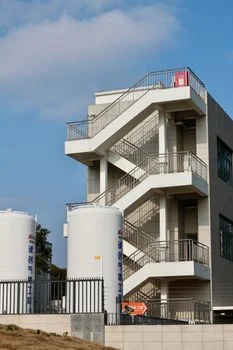
Membrane Bioreactor (MBR) systems achieve superior pathogen removal, reaching 99% efficiency for bacteria and viruses, and can reduce Chemical Oxygen Demand (COD) to less than 10 mg/L. These systems integrate biological treatment with membrane filtration, offering exceptional effluent quality suitable for direct discharge or even reuse, often eliminating the need for tertiary filtration. However, MBR systems for hospital wastewater treatment in Western Cape come with a higher capital expenditure (Capex) of $200–$300/m³ (2026) and operational expenditure (Opex) of $0.20–$0.40/m³ due to energy-intensive aeration and membrane maintenance. They are ideal for space-constrained hospitals, particularly in urban areas of Cape Town, where their compact footprint is a significant advantage.
Dissolved Air Flotation (DAF) units are highly effective for pre-treatment, achieving 92–97% TSS removal, making them suitable for effluent with high suspended solids, such as that from surgical wards. DAF systems operate by introducing fine air bubbles into the wastewater, which attach to solid particles, causing them to float to the surface for removal. DAF units for pre-treatment in Western Cape hospitals have a lower Capex of $80–$150/m³ and Opex of $0.10–$0.25/m³, making them a more budget-friendly option for initial solids reduction. They are particularly beneficial for protecting downstream biological processes from shock loads and reducing the burden on subsequent treatment stages.
Chemical dosing, specifically with chlorine dioxide, provides potent disinfection and 99.9% antibiotic-resistant bacteria (ARB) inactivation, as recommended by WHO 2026 guidelines. Chlorine dioxide is effective against a broad spectrum of pathogens and ARB without forming harmful residual byproducts like trihalomethanes, which can occur with traditional chlorine. The Capex for chemical dosing systems is significantly lower at $50–$100/m³, with Opex ranging from $0.05–$0.15/m³. This method requires on-site chlorine dioxide generators for antibiotic-resistant bacteria inactivation, typically ranging from 50–20,000 g/h, to ensure precise dosing and avoid transport of hazardous chemicals.
Hybrid systems often provide the most optimized solutions for specific Western Cape hospital needs. For instance, combining a DAF unit with an MBR system is effective for facilities with high TSS effluent, such as Cape Town’s Groote Schuur Hospital, where DAF handles initial solids and grease, allowing the MBR to operate more efficiently. Alternatively, a DAF system followed by chemical dosing can be a cost-effective choice for budget-conscious rural clinics that need robust pre-treatment and disinfection without the higher Capex of MBR.
| Feature | MBR Systems | DAF Units | Chemical Dosing (ClO₂) | Hybrid (e.g., DAF + MBR) |
|---|---|---|---|---|
| Primary Function | Biological treatment, membrane filtration, advanced pathogen removal | Pre-treatment, TSS, FOG removal | Disinfection, ARB inactivation | Combined benefits, tailored to specific needs |
| Effluent Quality | COD <10 mg/L, 99% pathogen removal, suitable for reuse | 92–97% TSS reduction, pre-treatment quality | 99.9% ARB inactivation, WHO compliant disinfection | High quality, optimized for specific parameters |
| Capex (2026) | $200–$300/m³ | $80–$150/m³ | $50–$100/m³ (on-site generator) | Variable, often 150–250/m³ (depending on configuration) |
| Opex | $0.20–$0.40/m³ (energy-intensive) | $0.10–$0.25/m³ (chemical & energy) | $0.05–$0.15/m³ (chemical costs) | Optimized balance, typically $0.15–$0.30/m³ |
| Footprint | Compact, ideal for urban areas | Moderate, requires space for tank and clarifier | Small, generator unit size varies | Moderate to large, depending on components |
| ARB Mitigation | High, effective removal | Limited direct ARB removal (pre-treatment) | High, direct inactivation | Enhanced, through advanced disinfection stage |
| Best Application | Urban hospitals, high effluent quality needs, reuse | High-TSS, FOG, pre-treatment for larger systems | Disinfection for ARB, final polishing, smaller clinics | Large hospitals, complex effluent, specific compliance needs |
Western Cape-Specific Cost Breakdown: Capex, Opex, and ROI Calculators
Capital expenditure (Capex) for MBR systems in Western Cape ranges from $150–$300/m³ (2026), reflecting the advanced technology and installation complexities. The operational expenditure (Opex) for MBR systems typically falls between $0.20–$0.40/m³, largely driven by energy costs, which in Western Cape are approximately 15% higher than the national average. This higher energy tariff is a crucial factor in long-term financial planning for these energy-intensive systems.
DAF units offer a more economical entry point, with Capex ranging from $80–$150/m³. Their Opex is generally $0.10–$0.25/m³, with chemical costs being a significant component. Local vendors in Western Cape often provide 10–20% discounts for bulk orders of coagulants and flocculants, which can help manage these ongoing costs. Chemical dosing systems, primarily for chlorine dioxide generation, present the lowest Capex at $50–$100/m³ and Opex at $0.05–$0.15/m³. However, chlorine dioxide generators require annual membrane replacement, which can cost between $2,000–$5,000 per unit, a recurring maintenance expense to factor in.
Installation costs in Western Cape typically constitute 20–30% of the overall Capex, which is higher than the national average of 15–25%. This increase is primarily due to higher local labor rates and logistical challenges, such as traffic congestion in Cape Town, which can impact equipment delivery and site access. When considering overall cost benchmarks for wastewater treatment plants in South Africa, these regional variances are critical. An ROI calculator for MBR systems indicates a payback period of 5–7 years for hospitals with more than 500 beds, based on 2026 Western Cape utility rates, where discharge costs are approximately ZAR 25/m³ and potential reuse savings are ZAR 12/m³.
| Cost Category | MBR Systems (Western Cape) | DAF Units (Western Cape) | Chemical Dosing (ClO₂) (Western Cape) |
|---|---|---|---|
| Capex (per m³ treated) | $150–$300 | $80–$150 | $50–$100 |
| Opex (per m³ treated) | $0.20–$0.40 (15% higher energy costs) | $0.10–$0.25 (local bulk chemical discounts) | $0.05–$0.15 |
| Installation Costs (% of Capex) | 20–30% (due to higher labor & logistics) | 20–30% | 15–25% |
| Key Recurring Maintenance | Membrane replacement (every 5–10 years) | Chemical replenishment, sludge disposal | Annual membrane replacement ($2,000–$5,000) |
| ROI Payback Period | 5–7 years (for >500 bed hospitals, with reuse) | 3–5 years (often for pre-treatment ROI) | 2–4 years (primarily through compliance avoidance) |
Step-by-Step: Selecting a Zero-Risk Supplier for Western Cape Hospital Wastewater Treatment
Verifying a supplier’s compliance with both SANS 241 and specific City of Cape Town bylaws is the critical first step in selecting a zero-risk partner for hospital wastewater treatment in Western Cape. This initial assessment should include requesting and scrutinizing third-party test reports from other Western Cape hospitals that have implemented the supplier’s systems, demonstrating consistent compliance with all relevant effluent limits.
- Step 1: Verify SANS 241 and City of Cape Town Bylaw Compliance. Demand proof of performance against all national and local regulations. Ask for detailed effluent quality reports, not just general claims. A reputable supplier will readily provide data from existing installations in the Western Cape region, ensuring their systems are proven against specific regional challenges.
- Step 2: Assess ARB Mitigation Capabilities. Given the high prevalence of antibiotic-resistant bacteria in Western Cape, thoroughly evaluate the supplier's approach to ARB inactivation. Inquire about their experience with integrating advanced oxidation processes like ozone or UV, and their expertise in optimizing chlorine dioxide dosing rates for effective ARB removal without harmful byproducts.
- Step 3: Evaluate Local Support. A supplier with dedicated Western Cape-based service teams is invaluable for prompt maintenance, troubleshooting, and emergency response. Confirm their capacity for 24/7 emergency response, especially critical for managing potential ARB outbreaks or system failures that could impact public health and compliance.
- Step 4: Compare Capex/Opex. Request itemized quotes that clearly break down installation, energy, and chemical costs specific to Western Cape. This granular detail allows for accurate budgeting and comparison across different technologies and suppliers, taking into account local tariffs and logistical expenses.
- Step 5: Check References. Go beyond simple testimonials. Arrange visits to 2–3 Western Cape hospitals currently utilizing the supplier's wastewater treatment systems. Engage with their facility managers and environmental engineers to gain firsthand insights into system reliability, operational challenges, downtime frequency, and any history of compliance fines. This direct feedback is crucial for making an informed decision about zero-risk hospital wastewater discharge.
Frequently Asked Questions
Addressing common inquiries about hospital wastewater treatment in Western Cape helps facility managers navigate the complex regulatory and technical landscape.
What are the biggest compliance risks for hospital wastewater in Western Cape?
The primary compliance risks for hospital wastewater in Western Cape are elevated antibiotic-resistant bacteria (ARB) loads and the stringent ammonia limits imposed by City of Cape Town bylaws. While SANS 241 provides national guidelines, local regulations often require more advanced treatment for specific parameters.
How much does a hospital wastewater treatment plant cost in Western Cape?
The cost of a hospital wastewater treatment plant in Western Cape can range from $120,000 to $2.8 million for package plants. MBR systems typically represent the higher end of this spectrum due to their advanced technology and superior effluent quality, while DAF and chemical dosing systems are generally more cost-effective for smaller facilities or pre-treatment.
Can I reuse treated hospital wastewater in Western Cape?
Yes, treated hospital wastewater can be reused in Western Cape, but only if it meets the City of Cape Town’s stringent standards, which include zero detectable E. coli and phosphorus levels below 1 mg/L. This typically requires advanced tertiary treatment and disinfection processes beyond standard discharge requirements.
What’s the best treatment system for a small clinic in Western Cape?
For small clinics in Western Cape generating less than 50 m³/day of wastewater, a combination of Dissolved Air Flotation (DAF) for solids removal and chemical dosing (e.g., chlorine dioxide) for disinfection often provides the best balance of low Capex and Opex. MBR systems are generally considered overkill and more suitable for larger hospitals with higher flow rates or stricter reuse requirements.
How do I test for antibiotic-resistant bacteria in hospital effluent?
Hospitals in Western Cape with over 200 beds are required to conduct quarterly ARB testing via Western Cape Department of Environmental Affairs-approved laboratories. These tests typically cost between ZAR 3,000–5,000 per sample and are crucial for monitoring treatment effectiveness and ensuring compliance with regional antibiotic resistance monitoring programs.