Why Eastern Cape Hospitals Face Unique Wastewater Challenges
Between March and May 2024, All Saints Hospital in Ngcobo experienced a three‑week total water outage, forcing staff to manually cart water to every ward. The incident illustrates how chronic supply failures, aging municipal pipelines, and limited technical personnel converge to make conventional, centrally‑managed wastewater treatment impractical for many Eastern Cape health facilities. Remote sites such as Bambisana Hospital are located over 150 km from the nearest municipal treatment plant, and the provincial water authority reports that more than 40 % of hospitals in the region rely on intermittent borehole water. These conditions create two operational risks: (1) the inability to dilute or flush hazardous effluent into a municipal sewer during outages, and (2) the heightened probability of cross‑contamination when staff resort to ad‑hoc disposal methods. Because the Eastern Cape also endures recurrent droughts that depress river flows, hospitals are increasingly required to treat and reuse water on‑site to maintain essential services. Read more about decentralized solutions for crisis‑prone hospitals.
South African Hospital Wastewater Regulations and Effluent Standards
The National Water Act (NWA) and the National Environmental Management Act (NEMA) mandate pre‑treatment of all healthcare effluent before discharge to municipal sewers or reuse points.
The National Water Act (NWA) and the National Environmental Management Act (NEMA) mandate pre‑treatment of all healthcare effluent before discharge to municipal sewers or reuse points. Under DWAF’s “Guidelines for Wastewater Discharge from Health‑Care Facilities” (2023 revision), the prescribed limits for a hospital’s final effluent are:
- BOD₅ ≤ 30 mg/L
- COD ≤ 100 mg/L
- TSS ≤ 30 mg/L
- Fecal coliform < 1 000 MPN/100 mL (total coliform < 10 000 MPN/100 mL)
- Pharmaceutical residues – no specific numeric limit, but a “best available technique” (BAT) approach is required.
Compliance is verified through Section 20 approvals under NEM:WA, and non‑conforming discharges can attract fines up to R 5 million per breach. The recent 18‑month tender for Tafalofefe Hospital’s water‑and‑wastewater works explicitly references these thresholds, signalling provincial commitment to upgrade facilities to meet national standards. South African wastewater discharge regulations for healthcare facilities provide a full breakdown of the limits and the testing frequency required for ongoing compliance.
Critical Treatment Requirements for Medical Effluent
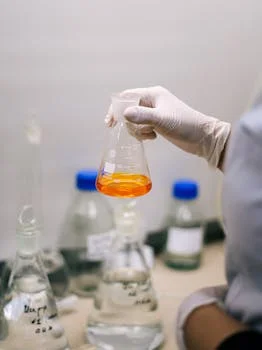
Hospital effluent contains a combination of high pathogen loads, trace pharmaceuticals, and disinfectant residues that cannot be removed by a single treatment step. A robust treatment train therefore must address three distinct barriers:
- Screening & Equalization: Coarse screens (≥ 12 mm) capture sharps and solid waste, while an equalization tank buffers peak flows caused by surgical suites or dialysis units.
- Biological Treatment: An activated‑sludge or membrane bioreactor (MBR) stage reduces BOD, COD, and TSS to below the NEMA limits. For hospitals with limited space, MBRs provide a 60 % smaller footprint compared with conventional A/O systems (HydropureWater field data, 2025).
- Advanced Disinfection: Ozone or chlorine‑dioxide (ClO₂) achieves > 99 % pathogen kill without leaving residual chemicals that could interfere with downstream reuse. Ozone, in particular, oxidises many emerging pharmaceutical compounds, bringing them below detectable levels in most cases.
The final effluent, when combined with a fine‑mesh sand filter, routinely meets the DWAF turbidity target of <1 NTU, enabling safe reuse for non‑potable applications such as toilet flushing, irrigation of hospital gardens, or fire‑fighting reserves. For a detailed guide on troubleshooting these steps, see the how to fix common hospital wastewater system failures article.
Best Wastewater Treatment Systems for Eastern Cape Hospitals
When selecting a wastewater treatment system for Eastern Cape hospitals, three commercially proven technologies satisfy the combined criteria of compactness, automation, and resilience to power fluctuations.
Three commercially proven technologies satisfy the combined criteria of compactness, automation, and resilience to power fluctuations.
| System | Typical Capacity | Footprint (m²) | Key Disinfection | Automation Level | Ideal Hospital Size |
|---|---|---|---|---|---|
| Compact hospital wastewater treatment unit with ozone disinfection | 0.5–5 m³/h | 0.5 – 2 m² (containerised) | Ozone (≥ 99 % pathogen kill) | Full PLC control, SMS alerts | Clinics, small district hospitals (≤ 10 beds) |
| High‑efficiency MBR system for hospital effluent reuse | 5–150 m³/h | 30 % less than conventional A/O (≈ 15 m² for 50 m³/h) | Ozone or ClO₂ (dual‑stage optional) | Advanced PID control, remote SCADA | Medium to large hospitals (≥ 50 beds) |
| Underground A/O plant (WSZ Series) | 1–80 m³/h | Underground, surface area < 3 m² | ClO₂ (on‑site generator) | Zero‑operator design, automatic dosing | Rural hospitals with limited staffing |
The compact medical wastewater system excels where space is at a premium and staffing is scarce; its containerised chassis can be placed beside a hospital wing and operated remotely. The MBR platform is the only option that consistently delivers <1 NTU turbidity and sub‑micron pharmaceutical removal, making it the preferred choice for facilities seeking water‑reuse certifications. The WSZ underground reactors protect critical equipment from vandalism and extreme weather, a common concern in remote Eastern Cape towns.
Designing for Reliability in Remote Locations
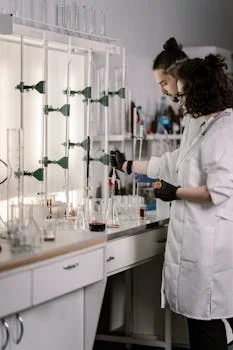
Automated control logic combined with on‑site power backup reduces unplanned downtime to less than 2 % of annual operating hours in field trials. Key design strategies include:
- PLC‑based process control with SMS/email alerts: Operators receive real‑time fault notifications on mobile devices, allowing a single technician to manage multiple sites.
- Hybrid power supply: A small solar array (≈ 2 kW) paired with a battery bank sustains critical pumps and control electronics during municipal outages, while a diesel generator provides backup for peak loads.
- Underground or containerised enclosures: The WSZ series can be buried up to 2 m below ground, shielding components from theft and temperature extremes, which is especially valuable in the Eastern Cape’s hot‑dry summers.
- On‑site ClO₂ generation: The compact chlorine‑dioxide generator eliminates the need for hazardous chemical transport and storage, a logistical advantage for isolated hospitals.
- Remote monitoring dashboards: Integration with the real‑time control platform enables centralised oversight of multiple facilities, cutting travel costs for maintenance crews.
By designing the treatment train around these reliability pillars, hospitals can maintain continuous compliance even when municipal water supply is unavailable for weeks.
Frequently Asked Questions
How is hospital wastewater treated in South Africa? The standard approach is an activated‑sludge or A/O process followed by ozone or chlorine‑dioxide disinfection to meet DWAF limits for BOD, COD, TSS, and fecal coliforms.
What is the water crisis in the Eastern Cape? Chronic supply failures stem from prolonged drought, deteriorating pipe networks, and under‑investment in municipal infrastructure, leading to multi‑day or multi‑week water outages for many health facilities.
Which system is best for small clinics in rural Eastern Cape? The compact hospital wastewater treatment unit with ozone disinfection offers a containerised, zero‑operator solution that delivers > 99 % pathogen removal without chemical dosing.
Are there tenders for hospital wastewater treatment in Eastern Cape? Yes. Tafalofefe Hospital recently issued an 18‑month tender for integrated water‑and‑wastewater works, and similar calls are expected for other district hospitals under the provincial health‑infrastructure programme.
Can hospital wastewater be reused safely? When treated with an MBR or advanced filtration followed by ozone or ClO₂ disinfection, effluent consistently meets non‑potable reuse criteria (turbidity < 1 NTU, fecal coliform < 1 000 MPN/100 mL), allowing safe application for irrigation, toilet flushing, and fire‑fighting reserves.