industrial effluent limits south africa 2026: which rule applies?
Industrial effluent limits south africa 2026 depend on the receiving pathway: municipal sewer by-laws, DWS General Authorisation limits for inland water resources, or a coastal General Discharge Authorisation. The permit and the strictest applicable parameter value govern design. Sewer limits protect collection and treatment works; inland and coastal limits protect receiving waters and require separate authorisation evidence. A mid-size metal-finishing plant inspected in 2023 shut down after Fe measured 78 mg/L against a Cape Town sewer cap of 50 mg/L, with COD at 210 mg/L. The site paid R 2.3 million in fines and lost three weeks while a new treatment train was installed. The case illustrates why a permit limit, sample location and corrective-action plan belong in the design basis.
South African industrial wastewater therefore needs a pathway decision before equipment is selected. A sewer acceptance value is not a river-discharge value, and a coastal GDA value is not a substitute for a municipal permission. Record the receiving environment, discharge point, average and peak flow, process chemicals, and every parameter named by the authority.
For the national regulatory context, see Wastewater Treatment Regulations South Africa: 2026 Compliance Guide. The practical design rule is simple: identify the legal route, compare each measured parameter with that route's limit, then add a treatment margin that remains achievable during normal production changes.
dws general authorisation discharge limits south africa
DWS General Authorisation discharge limits in South Africa apply to eligible water-resource discharges, with GN 665 Table 2.1 listing COD at 75 mg/L general and 30 mg/L special and suspended solids at 25 mg/L general and 10 mg/L special. Complex industrial wastewater is not a safe fit for a simple GA assumption.
According to the existing GN 665 basis used for this article, soap/oil/grease is 2.5 mg/L general and 0 mg/L special. Dissolved metals are much tighter than typical sewer values: dissolved Fe 0.3 mg/L, Cr(VI) 0.05 mg/L general, Cu 0.01 mg/L, Zn 0.1 mg/L, Cd 0.005 mg/L and Pb 0.01 mg/L in the general column. Ammonia as N is 6 mg/L general and 2 mg/L special.
Those values are a design screen, not blanket permission. A metal-rich or chemically complex stream may need a water-use licence with site-specific conditions. Volume caps also matter: GA discharge pathways typically top out around 2 000 m³/d when other conditions are met. Confirm the current authorisation and receiving-water conditions with DWS before committing to civil works.
Keep the earlier comparison values visible as background rather than silently replacing them. The original national comparison listed Fe at 100 mg/L, Cr at 20 mg/L, Cu at 30 mg/L, Zn at 150 mg/L, Ni at 50 mg/L, Pb at 15 mg/L, Cd at 10 mg/L, COD at 250 mg/L, TSS at 100 mg/L and Oil-Grease at 30 mg/L. The tighter GN 665 values above belong to the water-resource pathway and should not be copied into a sewer permit without checking the applicable table.
cape town industrial effluent by-law heavy metals
Cape Town industrial effluent by-law heavy metals are controlled through sewer permission, sampling and Schedule 1 conditions, not through the inland-water table. The City by-law requires written permission to discharge industrial effluent and allows conditions, discharge-time limits, inspections and corrective action.
The City of Cape Town Wastewater and Industrial Effluent By-law, 2013, also requires a suitable sampling chamber on the industrial effluent discharge line and may require treatment for grease, oil or inorganic suspended solids before sewer entry. Those controls are directly relevant to a plant layout: keep the sampling point before dilution and segregate industrial effluent from domestic sewage until the authority's defined point.
The City of Cape Town Wastewater and Industrial Effluent By-law, 2013, Schedule 1 sets sewer Fe at 50 mg/L, Cr at 10 mg/L, Cu at 20 mg/L and Zn at 30 mg/L. The same schedule sets Ni at 5 mg/L, Pb at 5 mg/L, Cd at 5 mg/L, COD at 5 000 mg/L and oils/greases at 400 mg/L. These sewer numbers protect the works; they are not DWS river-discharge limits.
Earlier guidance in the comparison table listed Cape Town Zn at 100 mg/L, Ni at 30 mg/L, Pb at 10 mg/L, COD at 250 mg/L and oil-grease at 30 mg/L. Keep those original values in the table because they describe the earlier comparison basis, while the Schedule 1 paragraph records the verified Cape Town by-law values. A permit letter or local trade-effluent consent remains the controlling document for a live plant.
| Parameter | Municipal (Cape Town) | National Inland | Coastal Marine |
|---|---|---|---|
| Iron (Fe) | 50 mg/L | 100 mg/L | 50 mg/L (same as municipal) |
| Chromium (Cr) | 10 mg/L | 20 mg/L | 10 mg/L (same as municipal) |
| Copper (Cu) | 20 mg/L | 30 mg/L | 20 mg/L (same as municipal) |
| Zinc (Zn) | 100 mg/L | 150 mg/L | 100 mg/L |
| Nickel (Ni) | 30 mg/L | 50 mg/L | 30 mg/L |
| Lead (Pb) | 10 mg/L | 15 mg/L | 10 mg/L |
| Cadmium (Cd) | 5 mg/L | 10 mg/L | 5 mg/L |
| COD | 250 mg/L | 250 mg/L | ≤ 25 mg/L (90 % reduction of 250 mg/L) |
| TSS | 100 mg/L | 100 mg/L | ≤ 20 mg/L |
| Oil‑Grease | 30 mg/L | 30 mg/L | ≤ 5 mg/L |
Footnote: “Industrial effluent” is defined as wastewater where >10 % of the total volume is non‑domestic, per the National Water Act 36/1998.
Licence conditions still fix sampling frequency. Most plants we size for metal finishing self-monitor heavy metals weekly or bi-weekly and bulk organics monthly. Use a refrigerated 24-hour composite sampler. Labs must follow SANS or ISO methods, or the result will not stand in an audit.
coastal general discharge authorisation limits south africa
Coastal general discharge authorisation limits south africa are set through separate General and Special columns, with the applicable column depending on the discharge location and volume. GN 2290 of 15 July 2022 covers eligible land-based discharges into coastal waters, but excludes listed bays, most estuaries, marine protected areas and special management areas.
According to GN 2290 of 15 July 2022, offshore discharges use the General Limits in Table 1, while discharges into other coastal waters use the Special Limits. The notice also applies Table 2 thresholds when volume exceeds 10000m3 per day offshore or 2000m3 per day in other coastal waters. A person intending to use the GDA must notify DFFE before discharge.
The same 2022 GDA lists Table 1 TSS at 50 mg/L general and 10 mg/L special, soap/oil/grease at 20 mg/L general and 10 mg/L special, chromium (VI) at 0.2 mg/L general and 0.01 mg/L special, and copper at 0.3 mg/L general. Table 2 lists COD at 250 mg/L general and 75 mg/L special. The notice requires SANAS-accredited laboratory analysis and sets quarterly reporting for the first year, followed by six-monthly analysis for continuing discharges.
Earlier coastal notes here used a 90 % COD cut to ≤25 mg/L and ≤5 mg/L oil-grease. Keep any licence-specific reduction clause, and cross-check absolute GDA values before design freeze. Coastal values are not automatically the same as Cape Town sewer values, even when both are expressed in mg/L.
Technology Matrix: What Removes What
High‑rate dissolved air flotation (DAF) combined with chemical precipitation reliably removes >95 % of the listed heavy metals when pH and coagulant dose match the metal mix. Micro‑bubbles attach to metal‑hydroxide flocs and rise in the flotation cell within minutes, not hours.
Jar tests still decide coagulant choice. Ferric chloride or alum plus a high-molecular-weight polymer must form dense flocs that stick to bubbles. Tune air-to-solids ratio, hydraulic loading and recycle rate to the wastewater. High-zinc streams often need a different precipitation pH than nickel-dominated rinse waters. Most plants we size for plating lines run the DAF at the lower end of the published loading range until the jar-test window is proven on site.
| Unit Process | Target Parameters | Typical Removal Efficiency | Reference (2024 WRC) |
|---|---|---|---|
| high‑rate DAF unit that hits Cape Town Fe & Cr limits + chemical precipitation | Fe, Cr, Cu, Zn, Ni, Pb, Cd | 95‑99 % | WRC Report 854/1/02, Table 4.2 |
| PVDF MBR that cuts COD below 50 mg/L | COD, TSS, oil‑grease | COD 92‑97 %; TSS <5 mg/L; oil‑grease <1 mg/L | WRC Test 2024‑07, Section 5.1 |
| Sand‑media post‑polisher | TSS (reuse applications) | 20 → <10 mg/L | WRC Pilot 2023, Fig. 3.8 |
Refractory COD that survives biology may need ozone or UV/hydrogen peroxide as a tertiary polish. Those advanced oxidation steps raise opex, yet they are often the only reliable path to coastal or reuse COD targets when the organics are persistent.
Choose the train from the failure mechanism. Metals and oil need segregation, pH control, precipitation and solids capture. Biodegradable COD needs biology. Persistent dissolved organics need a validated tertiary step. A final sampler and an accessible sludge point are process equipment, not optional accessories.
Cost Comparison: Capex vs Opex Over 10 Years
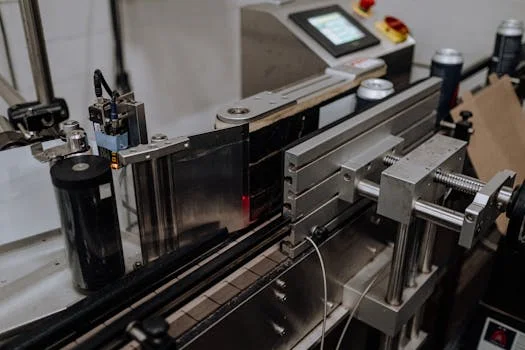
A 100 m³/h DAF + MBR train typically requires USD 1.1 million of capital and runs at about USD 0.22 per cubic metre. That envelope covers equipment, civil works, controls and a three-year membrane warranty.
A 10-year net present value still beats a simple Capex shoot-out. Include chemicals, power, labour, membrane swaps and the cost of capital. Evaporation ponds look cheaper on day one, yet groundwater risk and wet-season overflow can erase that gap after one fine. Reuse credit for cooling-tower make-up improves the MBR case when municipal water tariffs are high.
| Option | Capex (USD million) | Opex (USD / m³) | Key Notes |
|---|---|---|---|
| DAF + MBR (100 m³/h) | 1.1 | 0.22 | Includes chemicals, membrane replacement (3 yr), electricity |
| Evaporation pond (100 m³/h equivalent) | 0.6 | 0.15 (land‑use intensive) | Requires 4 ha, risk of non‑compliance fines if rainfall low |
| Sensitivity: electricity +20 % | — | 0.26 | Reflects 2024 electricity tariff rise |
Hidden pond costs include remediation after seepage, odour complaints and overflow during heavy rain. Closed mechanical trains keep the load inside the fence line and make audit trails easier to defend. Compare whole-life cost against the actual discharge route, because a cheaper train that misses a 0.3 mg/L or 0.05 mg/L water-resource target is not a compliant design.
How Do Midrand Industrial Sites Treat Wastewater?
Wastewater in Midrand industrial parks is typically equalised, pH-adjusted, clarified for metals and organics, then discharged to municipal sewer under City of Johannesburg conditions or trucked when the sewer permit is exceeded.
Most Midrand light-industry sites we review start with screening and 4–8 h equalisation, then coagulation and DAF or settling for metals and oil. Biological polishing or MBR follows when COD must fall before sewer acceptance or on-site reuse. Local sewer limits differ from Cape Town numbers, so copy-paste designs fail audits. For Gauteng-specific costs and equipment selection, use the Industrial Wastewater Treatment in Gauteng, South Africa: 2026 Engineering Guide.
Shared effluent plants serving several Midrand tenants work when loads are compatible. Mixing plating rinses with food-process COD without segregation usually raises chemical dose and sludge mass. Keep incompatible streams separate until after metals precipitation. The related owner page for the regional treatment question is how is wastewater treated in midrand south africa.
For the separate equipment topic, use mbr wastewater treatment systems in south africa: 2026 engineering guide with costs, compliance & roi. That link keeps the MBR systems query on its owner page while this article stays focused on discharge limits and compliance routes.
industrial wastewater compliance checklist south africa
Industrial wastewater compliance checklist south africa begins with the receiving pathway, permit conditions and a sampling plan before treatment equipment is sized. The core train below starts with a 3 mm bar screen, 6 h equalisation, pH adjustment, DAF, MBR and a final composite sampler.
- Confirm the receiving pathway and authority. Record whether the discharge is to a municipal sewer, inland water resource or coastal water, then save the permit, by-law permission or GDA notification with its conditions.
- Install a rotary mechanical bar screen (3 mm mesh) to remove coarse solids. Practical Tip: Clean the screen and check rakes and seals every 250 operating hours to stop bypass and downstream blockages.
- Divert flow to an equalisation tank; maintain 6 h hydraulic retention time (HRT) for temperature and pH buffering. Practical Tip: Fit a mixer so solids stay suspended and chemical dose stays stable.
- Adjust pH to 6.5–8.5 using lime or caustic for metal precipitation. Practical Tip: Re-run jar tests weekly or after any process change; the best pH shifts with the metal mix.
- Pass the stream through the high‑rate DAF; dose ferric chloride (FeCl₃) or alum per design. Practical Tip: Watch DAF effluent turbidity; a sudden rise points to dose, bubble or sludge-removal faults.
- Feed clarified effluent to the PVDF MBR at 0.1 µm pore size. Practical Tip: Track transmembrane pressure; a sharp TMP jump means run CIP on the manufacturer protocol.
- Optional sand‑media polishing if cooling-tower reuse is required, to hold residual TSS down and protect reuse hardware.
- Collect the final composite with an automated 24 h sampler refrigerated at <4 °C. Practical Tip: Calibrate the sampler monthly; warm samples are a common audit failure.
- Submit the monthly Discharge Water Statement (GW8.4b) to the local authority and keep chain-of-custody records for three years. Practical Tip: Store water data and custody forms in a digital system so inspectors can retrieve them in minutes.
Before procurement, check seven items: flow variability, pH range, metal species, COD biodegradability, oil loading, sludge disposal route and the laboratory method. For each parameter, write the permit value, design value, alarm value, sample frequency and corrective action. This creates an audit trail that operators can use during a night shift.
Train operators on the whole train, not only their unit. Write escalation rules for any out-of-spec sample before the next shift starts. The owner page for effluent water river disposal chemical limits covers that separate search intent.
Who This Is For / Next Step
This guide is for plant engineers, EPC contractors and procurement managers sizing treatment for South African factories that discharge to sewer, inland waters or the coast. Look elsewhere if you only need domestic sewage package plants with no industrial fraction. When you need a duty sheet matched to your licence limits, send flow, COD and metal data through our request-quote form with your flow and metal data.
Prepare the latest laboratory results, hourly or daily flow profile, discharge point coordinates, authority correspondence and sludge classification before asking for a process design. A quotation without those inputs can price equipment, but it cannot demonstrate that the selected train meets the governing South African pathway.
For a cross-border comparison resource without changing this article's South African scope, see the UAE discharge standards comparison page.
Frequently Asked Questions
How are allowable industrial discharge limits determined?
Limits come from the National Water Act (1998), municipal wastewater by-laws and coastal rules under the Integrated Coastal Management Act (2008). Municipal schedules set sewer acceptance values. DWS General Authorisation Table 2.1 sets inland water-resource values. Coastal GN 2290 Table 1 sets marine discharge values. Toxicological and infrastructure-protection data drive the numbers.
What happens if my plant exceeds the limit once?
The regulator issues a non-compliance notice, may fine about 0.5 % of annual turnover, and can order immediate remedial work or a temporary shutdown. Severity scales with the parameter, the size of the exceedance and environmental risk. A minor one-off miss may draw a warning; a toxic metal spill usually triggers fast enforcement.
Can I get a variance for a new process still in pilot?
You can apply under Section 23 of the National Water Act with a risk assessment and a clear path to full compliance. The case must show environmental benefit and mitigation during the trial. Approval is time-limited and not automatic. Budget for full compliance hardware even while the pilot runs.
Which analyser is best for online Cr monitoring?
ICP-OES with a flow-through cell gives sub-mg/L detection and continuous logging for total chromium trends. Budget sites often use colorimetric analysers focused on hexavalent chromium (Cr-VI), the species most by-laws watch first. Validate either method against a SANAS laboratory grab sample each month.
Where do I send the monthly effluent report?
Submit form GW8.4b to the municipal water services department, for example the City of Cape Town Water Management Unit portal, and keep a PDF for audit. Confirm the exact portal and deadline with your own municipality. Protocols differ between metros, and late filing itself can trigger notices.
Further Reading
- compare Chinese GB limits with SA requirements
- A Guide to Conducting a Water Minimisation Audit - Learn how to identify key water waste points in your plant to reduce effluent volume and treatment costs.
- Understanding and Managing Salt Load in Industrial Effluent - High TDS can be a challenge for reuse and discharge; this guide covers mitigation strategies.
- The Operator's Guide to Membrane Bioreactor (MBR) Maintenance - Detailed procedures for cleaning, integrity testing, and extending membrane life.