Why Missouri Hospitals Need Specialized Wastewater Treatment
Missouri’s 142 hospitals generate 1.2–4.5 MGD of wastewater containing unique and hazardous contaminants, necessitating specialized treatment beyond municipal capabilities. This effluent includes pharmaceuticals (e.g., 50–500 ng/L antibiotics), pathogens (e.g., 10^4–10^6 CFU/mL fecal coliform), and heavy metals (e.g., 0.1–1.5 mg/L mercury from dental amalgam) (per EPA 2024 Hospital Effluent Guidelines). These complex contaminant profiles pose significant challenges for conventional municipal wastewater treatment plants, often leading to non-compliance if not pre-treated onsite. A real-world example of this challenge occurred in 2023 when an EPA violation at a St. Louis hospital resulted in a $125K fine for exceeding BOD5 limits, reporting 45 mg/L against a permitted 30 mg/L. The hospital subsequently invested $1.1M in an advanced Membrane Bioreactor (MBR) system, which achieved a 98% BOD removal efficiency, bringing them into compliance and avoiding future penalties. This incident underscores the critical need for robust, specialized hospital wastewater treatment in Missouri. Missouri’s regulatory landscape for hospital wastewater treatment is multi-faceted. It includes EPA NPDES permits, which are required for any direct discharge to surface waters or indirect discharge to Publicly Owned Treatment Works (POTWs). For facilities generating less than 1 MGD, MO-DNR onsite system rules apply, dictating specific design and operational standards. Additionally, local sewer ordinances, such as Kansas City’s stringent 5 mg/L phosphorus limit, often impose stricter requirements than state or federal guidelines. Beyond contaminant removal, Missouri’s diverse climate presents unique engineering challenges. Freezing temperatures, particularly in northern Missouri (e.g., Kirksville averages -10°F in January), demand careful design considerations. Treatment systems must be buried or adequately insulated, and piping requires heat tracing to prevent freezing, which can halt biological processes and cause infrastructure damage. These climate factors are crucial for ensuring continuous, year-round operation and compliance for any hospital wastewater treatment in Missouri USA.Missouri’s Hospital Wastewater Treatment Standards: EPA NPDES, MO-DNR, and Local Limits
Missouri hospitals are subject to a layered regulatory framework, including EPA NPDES permit limits, MO-DNR onsite system standards, and specific local sewer ordinances, which dictate effluent quality for discharge. Compliance with these regulations is non-negotiable for hospital environmental engineers and facility managers.EPA NPDES Permit Limits for Missouri Hospitals (2025):
| Parameter | Limit (Discharge to Surface Water) | Notes |
|---|---|---|
| BOD5 (Biochemical Oxygen Demand) | ≤ 30 mg/L | Monthly average for secondary treatment |
| TSS (Total Suspended Solids) | ≤ 30 mg/L | Monthly average for secondary treatment |
| Fecal Coliform | ≤ 200 CFU/100mL | Geometric mean for direct discharge |
| Ammonia (NH3-N) | ≤ 2 mg/L | Seasonal limits may apply (e.g., tighter in summer) |
| Total Phosphorus (TP) | ≤ 1 mg/L | Required for discharges to impaired waters |
| pH | 6.0 – 9.0 S.U. | Standard range |
For hospitals with onsite wastewater treatment systems, particularly those generating less than 1 MGD, MO-DNR onsite system standards apply (per Missouri Laws Accompanied by MO-DHSS). These standards typically mandate a minimum two-stage treatment process, such as a septic tank followed by an aerobic unit, along with disinfection (e.g., chlorine or UV). Additionally, facilities must conduct effluent testing every six months to ensure ongoing compliance.
Local sewer ordinances can impose even stricter requirements. For instance, Kansas City requires pretreatment for hospitals exceeding 50 beds, often including pH adjustment and efficient FOG (Fats, Oils, and Grease) removal. St. Louis mandates quarterly sampling for emerging contaminants, specifically pharmaceuticals like carbamazepine and ciprofloxacin, to monitor their presence in hospital effluent.
The permitting process for a new or modified hospital wastewater treatment system in Missouri typically involves several steps:
- Submit NPDES application to EPA Region 7: This is the initial step for any facility discharging to a POTW or surface water.
- MO-DNR onsite system review (if applicable): If the hospital uses an onsite system, the Missouri Department of Natural Resources will review plans for compliance with state standards.
- Local sewer authority approval: Obtain necessary approvals from the relevant municipal wastewater authority, especially for connections to the sanitary sewer system.
- 90-day public comment period: Following application submission, a public notice period allows for community input.
- Final permit issued: Upon successful review and addressing any comments, the final permit is issued, typically valid for five years.
Common compliance pitfalls for Missouri hospitals include underestimating pharmaceutical loads (e.g., 300-bed hospitals generate 2–5 kg/month of antibiotics), ignoring seasonal limits (e.g., ammonia limits often tighten to 1 mg/L in summer to protect aquatic life), and failing to account for future expansion. Adding a new wing or increasing bed count can significantly alter wastewater characteristics and flow, potentially triggering the need for NPDES permit modifications or system upgrades, which must be planned proactively.
Engineering Specs: Contaminant Removal Efficiencies for Hospital Wastewater Treatment Technologies
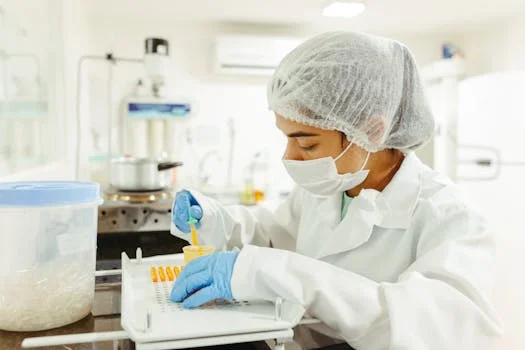
The following table outlines the typical removal efficiencies for key contaminants by different treatment technologies:
| Technology | BOD5 Removal | TSS Removal | Fecal Coliform Removal | Ammonia Removal | Phosphorus Removal | Pharmaceuticals Removal | Heavy Metals Removal | FOG Removal |
|---|---|---|---|---|---|---|---|---|
| Activated Sludge (Conventional) | 85-95% | 85-95% | 1-2 log | 50-80% | 20-40% | 10-30% | 30-60% | 60-80% |
| MBR (Membrane Bioreactor) | 98-99% | 98-99% | >5 log | 90-98% | 70-90% | 40-70% | 60-90% | 80-95% |
| DAF (Dissolved Air Flotation) | 30-60% (pre-treatment) | 50-80% (pre-treatment) | N/A | N/A | N/A | N/A | N/A | 90-98% |
| Chlorine Dioxide Disinfection | N/A | N/A | >6 log | N/A | N/A | 20-50% | N/A | N/A |
| UV Disinfection | N/A | N/A | >4 log | N/A | N/A | 10-30% | N/A | N/A |
| Ozone Treatment | N/A | N/A | >5 log | N/A | N/A | 70-90% | N/A | N/A |
For Missouri-specific design considerations, several factors influence technology selection:
- Pharmaceuticals: To comply with stringent emerging contaminant limits, especially in areas like Kansas City, a combination of MBR systems for hospital wastewater treatment in Missouri followed by activated carbon or ozone treatment is often required, achieving 85-90% removal.
- Pathogens: For direct discharge to surface waters, a robust disinfection train combining UV with chlorine dioxide disinfection for hospital wastewater can achieve the necessary 6-log reduction.
- Heavy Metals: Chemical precipitation, often using sulfide dosing, is highly effective, removing up to 95% of mercury and other heavy metals (per EPA 2024 benchmarks).
- FOG Removal: DAF systems for high-FOG hospital wastewater in Missouri are critical for handling high grease loads from hospital kitchens and laundries, offering 95% removal efficiency as a pre-treatment step.
Footprint and energy requirements are also vital. MBR systems, while highly efficient, require approximately 60% less space than conventional activated sludge systems but typically consume 20–30% more energy (0.8–1.2 kWh/m³). DAF systems, on the other hand, are excellent for targeted FOG removal without significant energy overhead.
Climate adaptations are essential for reliable operation in Missouri. Buried systems, such as HydropureWater's WSZ series, are designed to prevent freezing in northern Missouri's harsh winters. Rural hospitals, like those in Poplar Bluff, often benefit from insulated control panels and heat tracing for exposed pipes. Additionally, emergency power backup, such as generators, is crucial for hospitals in tornado-prone regions like Joplin, ensuring continuous treatment during power outages.
Cost Breakdown: Hospital Wastewater Treatment Systems in Missouri (2025 Data)
The capital expenditure (CAPEX) for hospital wastewater treatment systems in Missouri for 2025 ranges from $85,000 for compact disinfection units to $2.4 million for full-scale MBR systems, varying significantly by hospital size and technology. Understanding these costs is crucial for procurement teams and facility managers budgeting for new or upgraded systems.The following table provides a cost comparison for various hospital wastewater treatment systems in Missouri, tailored to different hospital sizes:
| System Type | 50-Bed Hospital (CAPEX Est.) | 100-Bed Hospital (CAPEX Est.) | 200-Bed Hospital (CAPEX Est.) | 300-Bed Hospital (CAPEX Est.) | 500-Bed Hospital (CAPEX Est.) |
|---|---|---|---|---|---|
| Compact Disinfection Units | $85,000 - $150,000 | $120,000 - $220,000 | N/A (Typically too small) | N/A | N/A |
| DAF + Activated Sludge | $250,000 - $400,000 | $350,000 - $600,000 | $450,000 - $800,000 | $700,000 - $1.2M | $1.0M - $1.6M |
| MBR (Membrane Bioreactor) | $400,000 - $700,000 | $600,000 - $1.1M | $800,000 - $1.8M | $1.2M - $2.2M | $1.5M - $2.4M |
| Full-Scale Treatment Plant (Advanced Tertiary) | N/A (Overkill) | N/A (Overkill) | $1.5M - $3.0M | $2.0M - $4.0M | $3.0M - $6.0M+ |
CAPEX components for MBR systems for hospital wastewater treatment in Missouri and other systems typically break down as follows: equipment accounts for 60–70% of the total cost, installation is 15–20%, permitting can be 5–10%, and site preparation ranges from 5–15%. For example, a 150-bed hospital in Springfield recently installed a $750K MBR system, incurring an additional $120K in permitting fees due to complex NPDES modifications.
Operational expenditure (OPEX) is another critical consideration for DAF systems for high-FOG hospital wastewater in Missouri and other systems. Energy consumption typically represents 30–40% of OPEX, followed by chemicals (20–30%), maintenance (15–25%), and labor (10–20%). A 300-bed hospital in Columbia, for instance, spends approximately $85K/year on MBR OPEX, compared to about $50K/year for a DAF + activated sludge system of similar capacity, reflecting the higher energy intensity of MBRs.
The Return on Investment (ROI) for advanced wastewater treatment systems is driven by several factors:
- Avoiding EPA fines: The average EPA fine for environmental violations in Missouri is $125K, making compliance a strong financial incentive.
- Reducing sewer surcharges: Cities like Kansas City charge surcharges of $0.25/1,000 gallons for BOD concentrations exceeding 250 mg/L, which can accumulate significantly.
- Water reuse: Treating wastewater to a high standard allows for non-potable reuse, such as irrigation or cooling towers. A 400-bed hospital in St. Louis reportedly saved $220K/year by reusing MBR effluent for landscape irrigation.
Financing options are available to help Missouri hospitals manage these investments. The MO-DNR Clean Water State Revolving Fund offers low-interest loans, and EPA Clean Water Act grants may be available for eligible rural hospitals. Additionally, leasing programs can provide flexible payment structures, such as $5K/month for a 100-bed MBR system, spreading the capital cost over time.
Equipment Selection Framework: Matching Treatment Systems to Missouri Hospitals
Decision Tree: 5-Step Framework for Hospital Wastewater Treatment Selection
- Hospital Size (Beds/Flow Rate):
- <100 Beds / <50,000 GPD: Consider compact units or scaled conventional systems.
- 100-300 Beds / 50,000-200,000 GPD: Activated sludge, DAF + Activated Sludge, or MBR.
- >300 Beds / >200,000 GPD: MBR or full-scale treatment plants with tertiary options.
- Discharge Destination:
- To POTW (Publicly Owned Treatment Works): Pre-treatment to meet local sewer ordinances (FOG, pH, heavy metals, pharmaceuticals). May require DAF, equalization, or pH adjustment.
- To Surface Water (Direct Discharge): Requires full compliance with EPA NPDES and MO-DNR limits (BOD5, TSS, fecal coliform, ammonia, phosphorus, disinfection). MBR or activated sludge with tertiary filtration and advanced disinfection is often necessary.
- Contaminant Profile:
- High FOG (e.g., large kitchen): Prioritize DAF systems for high-FOG hospital wastewater in Missouri.
- High Pharmaceuticals/Emerging Contaminants: MBR followed by advanced oxidation (ozone) or activated carbon.
- High Pathogens: Robust disinfection (UV + chlorine dioxide).
- High Heavy Metals: Chemical precipitation.
- Budget (CAPEX/OPEX):
- Lower CAPEX/OPEX: Compact disinfection units (for small flows), conventional activated sludge.
- Higher CAPEX/OPEX (but better performance/smaller footprint): MBR systems.
- Evaluate ROI drivers (fine avoidance, water reuse savings).
- Climate Considerations (Missouri Specific):
- Freezing Risk (Northern MO): Buried systems, insulated components, heat tracing.
- Tornado/Flood Risk: Elevated control panels, robust enclosures, emergency power backup.
- Karst Regions (e.g., Springfield): Avoid underground systems where sinkhole risks are present.
Use-Case Matching:
- Urban hospitals (e.g., St. Louis, Kansas City): Often face high contaminant loads, strict local limits, and space constraints. MBR systems for hospital wastewater treatment in Missouri or DAF + activated sludge systems are preferred for their high efficiency and smaller footprint.
- Rural hospitals (e.g., Hannibal, Cape Girardeau): Typically have lower flow rates and may be further from municipal sewers. Compact disinfection units for rural Missouri hospitals (e.g., HydropureWater) or packaged aerobic treatment units are ideal for low flows and minimal maintenance.
- Large medical centers (e.g., Barnes-Jewish Hospital): Require full-scale treatment plants with tertiary filtration, often incorporating advanced disinfection and nutrient removal for water reuse applications.
Missouri-Specific Recommendations:
- For hospitals in impaired watersheds (e.g., near Lake of the Ozarks), additional phosphorus removal (e.g., chemical precipitation) is often mandated to meet tighter nutrient limits.
- In karst regions, prevalent around Springfield, careful geotechnical assessment is critical. Surface-level or modular containerized systems may be safer than large underground tanks due to sinkhole risks.
- Hospitals located in floodplains, such as those along the Missouri River, should design with elevated control panels, waterproof enclosures, and robust anchoring to withstand potential flooding events. Comparing hospital wastewater treatment standards in neighboring states like North Dakota can also offer insights into climate resilience.
Vendor Selection Checklist:
- Does the vendor have Missouri-specific experience, including installations in cities like Jefferson City or Columbia?
- Are their equipment models certified by EPA or NSF for performance and safety?
- Do they offer 24/7 service availability, which is critical for continuous hospital operations?
- Can they provide local permitting support, including liaison with MO-DNR and local authorities?
Frequently Asked Questions
Common questions regarding hospital wastewater treatment in Missouri often focus on EPA NPDES permit limits, system costs, frequent compliance violations, water reuse potential, and the intricate permitting process. Addressing these provides clarity for facility managers and environmental engineers.What are the EPA NPDES permit limits for hospital wastewater in Missouri?
Missouri hospitals must meet EPA NPDES limits of BOD5 ≤ 30 mg/L, TSS ≤ 30 mg/L, fecal coliform ≤ 200 CFU/100mL, ammonia ≤ 2 mg/L (seasonal), and phosphorus ≤ 1 mg/L (for discharges to impaired waters). Local limits may be stricter, such as Kansas City’s 5 mg/L phosphorus limit, especially for discharges to municipal sewer systems.
How much does a hospital wastewater treatment system cost in Missouri?
Costs for hospital wastewater treatment systems in Missouri range from $85,000 for compact disinfection units (e.g., HydropureWater) to $2.4M for full-scale MBR systems. For a 200-bed hospital, the typical CAPEX is $450K–$1.8M, with annual OPEX of $50K–$120K, depending on the chosen technology and operational intensity.
What are the most common violations for Missouri hospitals?
Based on 2023–2024 data, the top three violations for Missouri hospitals were (1) exceeding BOD5 limits (42% of violations), (2) failing to meet fecal coliform standards (31%), and (3) improper pharmaceutical disposal (15%). A significant portion of these violations occurs in rural hospitals operating with outdated or undersized septic systems.
Can Missouri hospitals reuse treated wastewater?
Yes, Missouri hospitals can reuse treated wastewater, but only with explicit MO-DNR approval and adherence to specific guidelines. Advanced systems like MBR produce high-quality effluent suitable for non-potable applications such as landscape irrigation, cooling towers, or toilet flushing. For instance, a 300-bed hospital in Columbia successfully reuses approximately 50,000 gallons/day for landscape irrigation. Direct potable reuse is not currently permitted in Missouri.
What are the permitting steps for a new hospital wastewater treatment system in Missouri?
The permitting process in Missouri typically takes 6–12 months. The key steps include: (1) submitting an NPDES application to EPA Region 7, (2) undergoing an MO-DNR onsite system review (if applicable), (3) securing local sewer authority approval for connections, (4) completing a mandatory 90-day public comment period, and (5) finally receiving the issued permit, which is valid for five years.