North Dakota hospitals must treat wastewater to meet EPA NPDES permit limits of 30 mg/L BOD/TSS and state OWRTC guidelines, with additional requirements for pathogen reduction, specifically a 99.99% fecal coliform kill, and pharmaceutical removal. Package treatment plants, typically sized for 5,000–50,000 GPD, represent a capital investment ranging from $250K to $1.2M. The return on investment (ROI) for these systems is primarily driven by avoiding compliance penalties, which can exceed $25K per violation, and significantly reduced land use, offering an 80% smaller footprint compared to traditional facultative ponds. Permit review processes typically take 60 days, and all systems must be engineered to operate reliably at temperatures down to -30°F, incorporating features like redundant aeration and robust insulation.
Why North Dakota Hospitals Are Replacing Facultative Ponds with Mechanical Systems
Facultative ponds, which treat approximately 90% of North Dakota’s domestic wastewater, present significant compliance risks and operational challenges for hospitals due to complex effluent, odor issues, and extensive land requirements. For instance, a hospital administrator in Bismarck recently faced an EPA inspection failure, citing outdated facultative ponds as the primary cause of elevated BOD and fecal coliform levels in their discharge. This scenario highlights the growing frustration and regulatory pressure faced by healthcare facilities relying on aging infrastructure.
While many municipal systems in North Dakota utilize facultative ponds (per Top 3 page), hospitals confront unique challenges. Their effluent contains a distinct mix of pharmaceuticals, medical waste, and high pathogen loads, alongside variable flows influenced by patient admissions and procedural schedules. This complex wastewater often overloads the limited treatment capacity of facultative ponds, making consistent compliance difficult.
EPA ECHO data from 2024 indicates that 12% of North Dakota Publicly Owned Treatment Works (POTWs) are in significant non-compliance. Hospitals, with their specialized effluent, face an even higher risk of failing to meet stringent discharge standards. traditional facultative ponds demand between 1 and 2 acres of land per million gallons per day (MGD) of capacity. This extensive land requirement makes expansion or even continued operation difficult for urban healthcare facilities, such as Sanford Health in Fargo, where real estate is at a premium.
Seasonal challenges exacerbate these issues. The spring thaw in North Dakota frequently leads to increased odor complaints from facultative ponds and temporary permit violations as biological activity fluctuates and dissolved oxygen levels drop. The OWRTC 2022 report explicitly details the operational difficulties associated with these climatic shifts. In contrast, modern medical wastewater treatment systems, such as Membrane Bioreactors (MBR) or Dissolved Air Flotation (DAF), offer a mechanical alternative. These advanced compact medical wastewater treatment systems with ozone disinfection can reduce the required footprint by up to 80% and consistently achieve 98%+ BOD/TSS removal, easily meeting NDPDES NDG420000 discharge limits.
North Dakota Hospital Wastewater Regulations: EPA NPDES Permits, OWRTC Standards & Local Health Codes
The North Dakota Department of Environmental Quality (NDDEQ) administers NDPDES General Permit NDG420000 for package wastewater treatment plants, requiring a 60-day review period for new hospital systems. This permit applies to facilities discharging between 10,000 and 500,000 GPD, encompassing most hospital-sized treatment needs. Understanding these regulations is critical for ensuring compliance and avoiding costly penalties for hospital wastewater treatment in North Dakota USA.
Effluent limits for hospitals are typically more stringent than for general domestic wastewater due to the specific contaminants present. Key parameters include BOD and TSS, pathogen reduction, and increasingly, pharmaceutical and emerging contaminant removal. The EPA ECHO database specifies a fecal coliform limit of 200 CFU/100mL, which necessitates robust disinfection. Additionally, seasonal ammonia limits, often around 1 mg/L, apply to protect receiving waters.
A significant regulatory focus for hospitals involves pharmaceutical removal. North Dakota follows EPA’s 2023 PFAS monitoring guidelines, setting a health advisory level of 10 ng/L for PFOA and PFOS in drinking water sources, with implications for discharge limits where applicable. The OWRTC Final Guide (2022) mandates a 99.99% pathogen kill for treated wastewater, typically achieved through technologies like chlorine dioxide or UV disinfection.
Winter operation is a critical consideration for South Dakota’s hospital wastewater treatment standards, and North Dakota shares similar climatic challenges. All systems must be designed to function reliably at temperatures down to -30°F, necessitating insulated tanks and redundant aeration systems to prevent freezing and ensure continuous biological activity (per Top 3 page). local health codes, such as those in Bismarck and Fargo, mandate pretreatment for dental amalgam, imposing strict mercury limits of 0.002 mg/L to prevent discharge into municipal sewer systems.
Table: Key Effluent Limits for North Dakota Hospital Wastewater (NDPDES & Local Standards)
| Parameter | Limit | Source/Notes |
|---|---|---|
| BOD (Biochemical Oxygen Demand) | 30 mg/L | EPA NPDES Permit Requirements |
| TSS (Total Suspended Solids) | 30 mg/L | EPA NPDES Permit Requirements |
| Fecal Coliform | 200 CFU/100mL | EPA ECHO Data |
| Ammonia (seasonal) | 1 mg/L | NDPDES General Permit NDG420000 |
| PFOA/PFOS (PFAS) | 10 ng/L | EPA 2023 Monitoring Guidelines |
| Mercury (Dental Amalgam) | 0.002 mg/L | Bismarck/Fargo Local Pretreatment Codes |
| Pathogen Kill | 99.99% reduction | OWRTC Final Guide, 2022 |
Engineering Specs for Hospital Wastewater Treatment: Pathogens, Pharmaceuticals & Extreme Climate Design
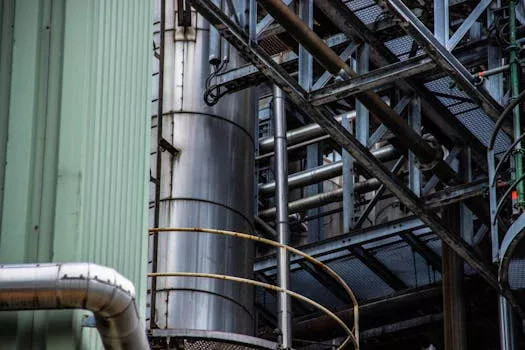
Hospital wastewater presents unique engineering challenges due to high concentrations of pathogens and pharmaceuticals, requiring specialized treatment technologies and robust designs for North Dakota’s extreme cold climate. Unlike municipal wastewater, hospital effluent contains a higher viral load, antibiotic-resistant bacteria, and a cocktail of pharmaceutical compounds that demand advanced treatment beyond conventional primary and secondary processes.
For pathogen removal, Membrane Bioreactor (MBR) systems are highly effective, consistently achieving a 6-log reduction (99.9999%) for viruses, aligning with WHO 2024 guidelines for water reuse. In cases where antibiotic-resistant bacteria are a concern, ozone systems are often specified for their ability to break down complex organic compounds and eliminate resilient microorganisms. This robust disinfection is a cornerstone of effective detailed engineering guide to medical wastewater treatment.
Pharmaceutical removal from wastewater is another critical aspect. Granular Activated Carbon (GAC) filtration effectively removes approximately 90% of common pharmaceutical residues like diclofenac and carbamazepine. However, for persistent contaminants such as PFAS (Per- and Polyfluoroalkyl Substances), advanced oxidation processes (AOP) are often necessary to meet the EPA’s 2023 monitoring guidelines for these compounds. This ensures compliance with the strict North Dakota wastewater engineering standards.
Hospital wastewater flows are notoriously variable, often exhibiting 3:1 peak-to-average ratios throughout the day. To manage these fluctuations and ensure stable biological treatment, equalization tanks with at least 24-hour retention capacity are essential. This prevents shock loading and optimizes the efficiency of downstream processes.
Cold-weather wastewater treatment design is paramount in North Dakota. Systems must incorporate insulated tanks with a minimum R-20 rating, utilize submersible pumps to prevent freezing, and include redundant aeration systems to maintain dissolved oxygen levels even during equipment failure. These specifications are crucial for continuous operation when ambient temperatures can drop to -30°F (per Top 3 page).
For final disinfection, chlorine dioxide (ClO₂) is frequently preferred over traditional chlorine due to its superior efficacy in degrading residual pharmaceuticals and its reduced formation of harmful disinfection byproducts. HydropureWater ClO₂ generators produce ClO₂ at rates from 50–20,000 g/h, providing scalable solutions for hospital effluent disinfection. An engineering deep dive into chlorine dioxide disinfection reveals its advantages. Finally, efficient sludge handling is vital. Sludge dewatering systems for hospital wastewater treatment, such as HydropureWater’s plate-and-frame filter presses (available in 1–500 m² models), can reduce sludge volume by up to 70%, significantly lowering disposal costs.
Treatment Technology Comparison: MBR vs. DAF vs. Ozone for North Dakota Hospitals
Selecting the optimal wastewater treatment technology for North Dakota hospitals involves evaluating Membrane Bioreactor (MBR), Dissolved Air Flotation (DAF), and Ozone+Biological systems based on effluent quality goals, footprint, and operating costs, especially considering cold climate resilience. Each technology offers distinct advantages and trade-offs, making the choice dependent on specific hospital needs and regulatory targets.
Membrane Bioreactor (MBR) systems are ideal for hospitals aiming for high-quality effluent, often suitable for water reuse applications. MBRs consistently produce treated water with less than 1 mg/L BOD and TSS, and achieve a 6-log pathogen reduction. Their compact design means they require up to 60% less footprint than conventional activated sludge systems. However, MBRs typically involve higher capital expenditures, with a 50,000 GPD system costing around $1.5M, and higher energy use (approximately 0.8 kWh/m³) due to membrane filtration. HydropureWater offers MBR integrated wastewater treatment systems designed for these stringent requirements.
Dissolved Air Flotation (DAF) systems excel in removing high concentrations of Total Suspended Solids (TSS) and Fats, Oils, and Grease (FOG), achieving up to 95% removal efficiency. This makes DAF an excellent primary or pretreatment step for hospital effluent, especially where kitchens or laboratories contribute significant FOG. DAF systems generally have a lower CAPEX, with a 50,000 GPD system estimated at $800K, but they require continuous chemical dosing (e.g., polyacrylamide, coagulants), which adds to operational expenses. HydropureWater provides robust Dissolved Air Flotation (DAF) machines.
Ozone + Biological systems are particularly effective for advanced pharmaceutical removal, achieving over 90% degradation of complex organic compounds. While biological treatment handles bulk organics, ozone acts as a powerful oxidant, breaking down recalcitrant pharmaceuticals and enhancing disinfection. These systems often have the highest OPEX, potentially reaching $0.15/m³, due to energy consumption for ozone generation and complex operational demands. HydropureWater’s on-site ClO₂ generator for hospital effluent disinfection can be integrated into such systems for enhanced pathogen control.
For hospitals with exceptionally high pharmaceutical loads, such as oncology centers, hybrid systems combining MBR with post-treatment ozone or advanced oxidation processes offer the most comprehensive solution. Regardless of the chosen technology, climate resilience is crucial. MBR and DAF systems require well-insulated enclosures to protect components from North Dakota’s harsh winters, while ozone generators necessitate heated rooms for optimal performance and equipment longevity.
Table: Treatment Technology Comparison for North Dakota Hospital Wastewater
| Feature | MBR (Membrane Bioreactor) | DAF (Dissolved Air Flotation) | Ozone + Biological |
|---|---|---|---|
| Primary Target | High-quality effluent, pathogen removal | TSS, FOG removal | Pharmaceutical removal, advanced disinfection |
| Typical Effluent Quality | <1 mg/L BOD/TSS, 6-log pathogen reduction | 95% TSS/FOG removal (pre-treatment) | 90%+ pharmaceutical removal |
| Footprint | 60% smaller than conventional | Moderate (pre-treatment) | Moderate to large (multi-stage) |
| CAPEX (50,000 GPD) | ~$1.5M | ~$800K | ~$1.2M (excluding biological) |
| OPEX | ~$0.80/m³ (includes membrane replacement) | ~$0.30/m³ (includes chemical dosing) | ~$0.15/m³ (for ozone generation) |
| Key Advantages | Reuse quality, small footprint, high pathogen removal | Excellent FOG/TSS removal, robust for variable loads | Superior pharmaceutical degradation, antibiotic-resistant bacteria kill |
| Key Disadvantages | Higher CAPEX/OPEX, membrane fouling potential | Requires chemical dosing, typically pre-treatment | Highest OPEX, complex operation, energy intensive |
| Cold Climate Resilience | Requires insulated enclosure, robust design | Requires insulated enclosure, robust design | Ozone generators need heated rooms |
Cost Breakdown & ROI: Hospital Wastewater Treatment Systems in North Dakota
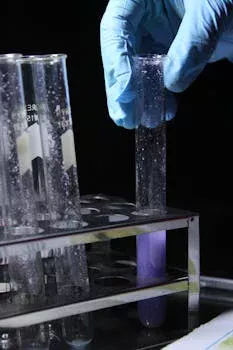
Hospital wastewater treatment systems in North Dakota, sized for 10,000–50,000 GPD, range in capital expenditure from $250K to $1.2M, with a typical return on investment (ROI) achieved within 5-7 years through avoided penalties and operational savings. These figures are adjusted from general municipal data (per Top 3 page) to reflect the specific requirements and smaller scale of hospital applications.
Capital Expenditures (CAPEX) for a new system can vary significantly based on the chosen technology and capacity. A 10,000 GPD Dissolved Air Flotation (DAF) system, often used for pretreatment or for facilities with less stringent discharge limits, might start around $250K. In contrast, a 50,000 GPD Membrane Bioreactor (MBR) system, providing high-quality effluent suitable for reuse and meeting the most rigorous pathogen and pharmaceutical removal standards, could reach $1.2M. This includes equipment, installation, and initial commissioning.
Operational Expenditures (OPEX) typically range from $0.30–$0.80 per cubic meter (m³) of treated wastewater. This encompasses energy consumption, chemical costs (for DAF or disinfection), routine maintenance, and labor. MBR systems tend to be at the higher end of this range, primarily due to the periodic replacement of membranes, which can account for approximately $0.15/m³ of the total OPEX. Energy costs are also a significant factor, especially for aeration and pumping in colder climates.
The ROI for investing in advanced hospital effluent treatment equipment is driven by several critical factors. Compliance penalties, such as those levied by the EPA, can exceed $25K per violation, making avoided fines a primary ROI driver. Land savings are also substantial; with mechanical systems requiring an 80% smaller footprint than facultative ponds, urban hospitals can save an estimated $50K per acre in land value. the potential for water reuse for non-potable applications (e.g., irrigation, cooling towers) can offset up to 50% of water utility costs, providing a tangible economic benefit. The North Dakota Department of Environmental Quality (NDDEQ) also offers low-interest loans (around 2% APR) for compliance upgrades, further reducing the financial burden.
For example, a 20,000 GPD MBR system installed at a facility like Sanford Health in Bismarck could see a payback period of approximately 5 years. This ROI is achieved through a combination of avoided regulatory penalties, reduced fresh water intake costs due to reuse, and improved public relations from a fully compliant and environmentally responsible operation.
Table: Estimated CAPEX & OPEX for Hospital Wastewater Treatment Systems in North Dakota (2025)
| System Type | Capacity (GPD) | Estimated CAPEX | Estimated OPEX ($/m³) | Key OPEX Drivers |
|---|---|---|---|---|
| DAF (Pre-treatment/Basic) | 10,000 | $250K - $400K | $0.30 - $0.50 | Chemicals, energy |
| MBR (Comprehensive) | 10,000 | $500K - $750K | $0.60 - $0.80 | Energy, membrane replacement |
| DAF + Biological (Standard) | 20,000 | $450K - $700K | $0.40 - $0.60 | Chemicals, energy, labor |
| MBR (Comprehensive) | 20,000 | $800K - $1.0M | $0.70 - $0.90 | Energy, membrane replacement |
| MBR (Comprehensive) | 50,000 | $1.0M - $1.2M | $0.80 - $1.00 | Energy, membrane replacement |
| Ozone + Biological (Advanced Pharma) | 20,000 | $900K - $1.1M | $0.50 - $0.70 | Energy (ozone), labor |
Permit Checklist: Step-by-Step Guide to NDPDES Approval for Hospitals
Securing NDPDES approval for a new or upgraded hospital wastewater treatment system in North Dakota requires a structured multi-step process, typically taking 4–6 months from application to operational readiness. Navigating the regulatory landscape efficiently is crucial for project timelines and avoiding delays in hospital wastewater treatment in North Dakota USA.
- Pre-application & Site Assessment: Before submitting any formal application, conduct thorough influent and effluent sampling. This includes testing for standard parameters like BOD, TSS, pH, and nutrients, as well as hospital-specific contaminants such as pathogens (using EPA Method 1600 for fecal coliform/E. coli) and PFAS (using EPA Method 1633). A comprehensive site assessment should also evaluate soil conditions, proximity to sensitive receptors, and potential discharge points.
- Engineering Plan Submission & Review: Prepare detailed engineering plans and specifications for the proposed wastewater treatment system. These plans must be stamped by a licensed professional engineer in North Dakota. Submit the complete package to the North Dakota Department of Environmental Quality (NDDEQ). The NDDEQ typically requires a 60-day review period for these submissions, ensuring compliance with all state and federal regulations.
- Public Notice Period: In accordance with North Dakota Century Code (NDCC) 23-35-02.2, publish a notice of intent to discharge in a local newspaper at least 30 days prior to the permit submission. This allows for public comment and transparency in the permitting process.
- Permit Condition Negotiation: The draft NDPDES permit will include specific conditions related to effluent limits, monitoring frequency, reporting requirements, and operational protocols. For North Dakota hospitals, this will include a detailed winter operation plan, redundancy requirements for critical components, and specific monitoring for pathogens and pharmaceuticals. Review these conditions carefully and engage with NDDEQ if clarifications or adjustments are needed.
- Construction & Inspection: Once the permit is issued, proceed with construction of the approved system. The NDDEQ will typically conduct inspections during various phases of construction to ensure adherence to approved plans. A final inspection is mandatory prior to system startup and discharge.
- Startup & Monitoring: After successful inspection, the system can commence operation. Begin regular monitoring and reporting as stipulated in the NDPDES permit. The overall timeline from initial application to full operation typically spans 4–6 months, as outlined in the OWRTC 2022 report.
Frequently Asked Questions
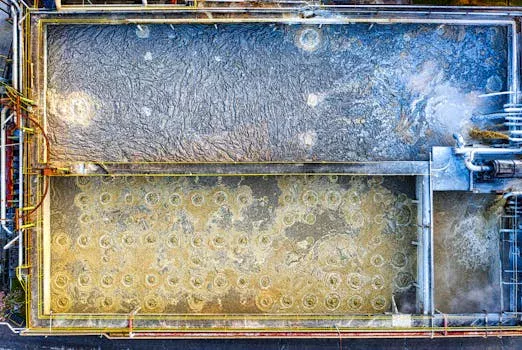
Understanding the most common concerns regarding North Dakota hospital wastewater treatment systems is crucial for effective planning and procurement, addressing compliance, costs, and operational specifics.
What are the biggest compliance risks for North Dakota hospitals regarding wastewater?
The primary compliance risks for North Dakota hospitals stem from exceeding pathogen limits, particularly fecal coliform, and the presence of pharmaceuticals like PFAS in effluent. Hospitals' unique waste streams make these contaminants challenging to manage with traditional systems. MBR systems significantly reduce this risk, showing a 90% reduction in compliance violations compared to facultative ponds (EPA ECHO 2024).
How much does a hospital wastewater treatment system cost in North Dakota?
For systems treating 10,000–50,000 GPD, capital expenditures typically range from $250K to $1.2M. Membrane Bioreactor (MBR) systems are generally at the higher end due to advanced technology and membrane replacement costs. The return on investment (ROI) for these systems is usually 5–7 years, driven by avoided regulatory penalties and savings from reduced water usage and land requirements.
What’s the permit timeline for a new hospital wastewater treatment system in North Dakota?
The entire permitting process, from application submission to operational readiness, generally takes 4–6 months. This includes a 60-day review period for engineering plans by the North Dakota Department of Environmental Quality (NDDEQ), a 30-day public notice period, and a final 30 days for pre-startup inspection and permit issuance.
Can hospitals reuse treated wastewater in North Dakota?
Yes, treated wastewater from hospitals can be reused in North Dakota, but strictly for non-potable applications. Common uses include landscape irrigation, toilet flushing, and cooling tower make-up water. MBR systems are particularly effective for producing reuse-quality effluent, consistently achieving less than 1 mg/L BOD, as detailed in the OWRTC Final Guide 2022.
What maintenance is required for cold-weather operation of hospital wastewater treatment systems?
For reliable operation in North Dakota’s extreme cold, monthly inspections of tank insulation are critical to prevent heat loss. Weekly testing of backup aeration systems is mandatory to ensure redundancy in case of primary system failure. Utilizing submersible pumps helps prevent freezing of pump components. North Dakota Century Code (NDCC 23-35-02.3) mandates redundant systems for critical components to ensure continuous operation during harsh winters.