South Dakota Hospital Wastewater Regulations: What You Must Know in 2025
South Dakota hospitals must treat wastewater to meet EPA NPDES permit limits (typically <30 mg/L BOD, <30 mg/L TSS, and <200 CFU/100mL fecal coliform) and state medical waste rules (ARSD 74:27:13:17). The Box Elder Wastewater Treatment Facility (3.0 MGD SBR system) demonstrates how sequencing batch reactors can handle peak flows up to 9.3 MGD while ensuring compliance. For hospitals, specialized systems like membrane bioreactors (MBRs) or chlorine dioxide generators are often required to address pharmaceutical residues and pathogens beyond standard municipal treatment capabilities. While the South Dakota Department of Agriculture and Natural Resources (DANR) focuses on traditional pollutants, recent 2025 enforcement priorities emphasize the reduction of antibiotic-resistant bacteria and pharmaceutical concentrations in effluent discharging into sensitive watersheds.
The Administrative Rules of South Dakota (ARSD) 74:27:13:17 specifically mandate that medical waste be rendered non-infectious through incineration, steam sterilization, or an "equally effective treatment method." For wastewater, this implies that disinfection must achieve a high-log reduction of pathogens before discharge. It is a common misconception that meeting municipal pre-treatment standards exempts a facility from these infectious waste rules; in reality, hospitals discharging directly to surface waters or operating decentralized systems must adhere to both federal NPDES standards and state health safety protocols. For comparative context, hospital administrators can review wastewater treatment standards for similar industries in the region to understand the broader regulatory trajectory in the Upper Midwest.
| Parameter | Typical NPDES Limit (SD) | Monitoring Frequency | Regulatory Driver |
|---|---|---|---|
| Biochemical Oxygen Demand (BOD5) | <30 mg/L (Monthly Avg) | Weekly/Bi-weekly | EPA Clean Water Act |
| Total Suspended Solids (TSS) | <30 mg/L (Monthly Avg) | Weekly/Bi-weekly | EPA Clean Water Act |
| Fecal Coliform / E. coli | <200 CFU/100 mL | Daily/Weekly | ARSD 74:27:13:17 |
| Ammonia (as N) | 1.0 - 4.0 mg/L (Seasonal) | Weekly | DANR Aquatic Life Standards |
| Pharmaceutical Residues | Monitoring Required (No limit yet) | Quarterly/Annual | 2025 DANR Priority |
Hospital Wastewater Characteristics: What Makes It Different from Municipal Sewage
Hospital effluent contains antibiotic concentrations up to 100 times higher than standard municipal sewage, necessitating advanced oxidation or high-retention biological processes for effective neutralization. Unlike residential waste, hospital wastewater is characterized by extreme fluctuations in pH (ranging from 6.0 to 10.0) due to the heavy use of laboratory chemicals and industrial-grade disinfectants. These chemicals, including quaternary ammonium compounds and glutaraldehyde, can inhibit the biological activity of standard activated sludge systems at concentrations exceeding 5-10 mg/L (HydropureWater engineering data, 2025).
Pathogen loads in hospital settings are uniquely hazardous, often containing high concentrations of Pseudomonas aeruginosa, Staphylococcus aureus, and various multi-drug resistant organisms (MDROs). While municipal sewage typically shows fecal coliform counts, hospital wastewater requires specific focus on viral loads and antibiotic-resistant gene (ARG) transfer. the presence of diagnostic imaging contrast agents and chemotherapy metabolites creates a high Chemical Oxygen Demand (COD) to BOD ratio, making the waste more difficult to treat using conventional biological methods alone.
| Contaminant Type | Hospital Range (mg/L) | Municipal Range (mg/L) | Impact on Treatment |
|---|---|---|---|
| COD | 500 - 1,200 | 250 - 450 | Requires higher aeration capacity |
| Pharmaceuticals | 0.01 - 0.5 | <0.001 | Requires AOP or MBR for removal |
| Disinfectants | 10 - 50 | <2 | Can kill beneficial bacteria in SBRs |
| Pathogens (CFU/mL) | 10^6 - 10^8 | 10^4 - 10^5 | Demands high-level disinfection (O3/UV) |
Treatment Technology Comparison: MBR vs. SBR vs. Chemical Disinfection for Hospital Effluent
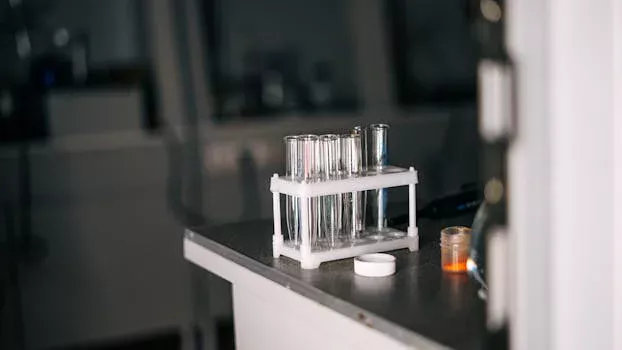
Membrane Bioreactor (MBR) technology achieves a 99.999% removal rate for bacteria and a 99.99% removal rate for viruses, making it the superior choice for South Dakota hospitals facing stringent ARSD compliance. By combining biological treatment with physical membrane filtration (typically 0.03 to 0.1 microns), MBRs eliminate the need for secondary clarifiers and provide an effluent quality that often exceeds NPDES requirements. For those interested in the physics of these systems, understanding the technical details of MBR membrane technology for hospital applications is essential for evaluating long-term flux rates and cleaning cycles.
Sequencing Batch Reactors (SBRs), like the system utilized at the Box Elder facility, offer high operational flexibility and can manage significant flow variations. However, SBRs generally lack the ability to effectively filter out micro-pollutants and pharmaceutical residues unless paired with downstream tertiary treatment. For smaller facilities or those requiring rapid deployment, compact hospital wastewater treatment systems with ozone disinfection provide a footprint-efficient alternative that integrates biological oxidation with powerful pathogen "kill" stages.
Chemical disinfection remains a critical secondary or tertiary step. While chlorine is traditional, many South Dakota facilities are transitioning to on-site chlorine dioxide generators for hospital wastewater disinfection because ClO2 is more effective at penetrating biofilms and does not produce the same level of carcinogenic disinfection byproducts (DBPs) as standard bleach. Ozone and Advanced Oxidation Processes (AOP) are also gaining traction for their ability to break down complex pharmaceutical chains that biological processes leave behind.
| Technology | Pathogen Removal | Pharma Removal | Footprint | OpEx (per 1k Gal) |
|---|---|---|---|---|
| MBR | Excellent (5-log) | High | Small | $2.50 - $4.00 |
| SBR | Moderate (2-log) | Low | Medium | $1.50 - $2.50 |
| Ozone/AOP | Superior (6-log) | Very High | Small | $3.00 - $5.00 |
| Chlorine Dioxide | High (4-log) | Low | Very Small | $1.00 - $2.00 |
Engineering Specifications for Hospital Wastewater Treatment Systems in South Dakota
Design flow rates for South Dakota hospitals typically range from 150 to 250 gallons per day (GPD) per occupied bed, factoring in laundry, laboratory, and cafeteria contributions. For a mid-sized 200-bed facility, an engineering design must account for an average daily flow of 40,000 to 50,000 GPD, with a peaking factor of 3.0 to handle morning hygiene surges and sterilization cycles. Engineers must ensure the Hydraulic Retention Time (HRT) is sufficient for the degradation of complex organics, usually requiring 12 to 24 hours in MBR configurations.
Process design parameters for biological systems in this region must also account for temperature sensitivity. In South Dakota's winter months, influent temperatures can drop, slowing down nitrifying bacteria. Consequently, systems must be designed with higher Mixed Liquor Suspended Solids (MLSS) concentrations—typically 8,000 to 12,000 mg/L for MBR systems for hospital wastewater treatment—to maintain treatment efficiency during cold weather. Disinfection systems must be sized based on "CT" values (Concentration x Contact Time); for chlorine dioxide, a CT of 15-30 mg-min/L is generally required to achieve 4-log inactivation of resilient pathogens like Giardia and Cryptosporidium.
| Design Parameter | 50-Bed Facility | 200-Bed Facility | 500-Bed Facility |
|---|---|---|---|
| Avg. Daily Flow (GPD) | 10,000 - 12,500 | 40,000 - 50,000 | 100,000 - 125,000 |
| Peak Hourly Flow (GPM) | 25 - 35 | 100 - 140 | 250 - 350 |
| Target MLSS (MBR) | 10,000 mg/L | 10,000 mg/L | 12,000 mg/L |
| Min. SRT (Days) | 25 | 25 | 30 |
| Disinfection Method | UV / ClO2 | Ozone / ClO2 | MBR + Ozone |
Cost Breakdown: Hospital Wastewater Treatment Systems in South Dakota
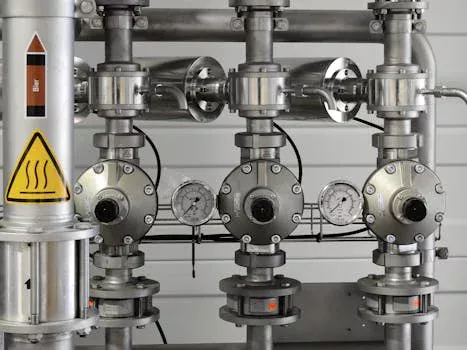
Capital expenditures (CapEx) for a hospital-grade MBR system in South Dakota range from $250,000 for small clinics to over $2.5 million for large regional medical centers. These costs include primary screening, equalization tanks, biological basins, membrane modules, and integrated control systems. While MBRs have a higher initial price point than SBRs or lagoons, the reduction in required footprint and the elimination of tertiary filtration often result in a lower total project cost when land and construction labor are factored in.
Operational expenses (OpEx) are heavily influenced by South Dakota’s utility rates, which average approximately $0.10 per kWh for industrial consumers. Energy consumption for MBR systems typically ranges from 0.8 to 1.5 kWh per 1,000 gallons treated, primarily driven by membrane scouring air requirements. Maintenance budgets must include membrane replacement every 5 to 8 years and annual sensor calibration. For facilities seeking financial assistance, the EPA Clean Water State Revolving Fund (CWSRF) and USDA Rural Development grants offer low-interest loans and grants specifically for wastewater infrastructure in South Dakota’s rural and semi-urban communities.
| Cost Category | MBR System (200-Bed) | SBR System (200-Bed) | Notes |
|---|---|---|---|
| Initial CapEx | $850,000 - $1.2M | $600,000 - $900,000 | Includes installation & controls |
| Annual Energy | $18,000 - $25,000 | $12,000 - $18,000 | Based on $0.10/kWh |
| Chemical Costs | $5,000 - $8,000 | $7,000 - $12,000 | Cleaning vs. Flocculants |
| Maintenance/Labor | $15,000 - $20,000 | $20,000 - $30,000 | MBR is highly automated |
| Compliance Testing | $4,000 - $6,000 | $4,000 - $6,000 | Standard DANR requirement |
Step-by-Step Compliance Checklist for South Dakota Hospitals
Ensuring continuous compliance requires a multi-layered approach that begins at the source and ends with meticulous documentation. South Dakota DANR inspectors prioritize facilities that can demonstrate proactive monitoring rather than reactive repairs. Hospital facility managers should use the following framework to evaluate their current wastewater operations:
- Pre-treatment Audit: Verify that all kitchen grease traps are cleaned monthly and that laboratory sinks are equipped with pH neutralization tanks. Ensure no "red bag" medical waste or hazardous chemicals are entering the drain lines.
- System Redundancy Check: Confirm that the treatment system has at least 24 hours of equalization capacity to handle equipment downtime or extreme weather events.
- Sampling Protocol: Implement a 24-hour composite sampling schedule for BOD and TSS, and "grab" sampling for fecal coliform and pH. All samples must be analyzed by a South Dakota-certified laboratory.
- Record Keeping: Maintain digital logs of flow rates, dissolved oxygen (DO) levels, transmembrane pressure (for MBRs), and disinfectant residuals. Records must be kept for a minimum of three years per EPA standards.
- Staff Training: Ensure operators have completed at least 10 hours of annual training on hazardous waste handling and emergency spill response.
- Emergency Response Plan: Maintain a written plan for bypass events, including immediate notification contacts for the DANR and local health departments.
For administrators comparing these requirements to other jurisdictions, the hospital wastewater treatment requirements in neighboring states provide a useful benchmark for emerging pharmaceutical monitoring trends.
Frequently Asked Questions
Do all South Dakota hospitals need an individual NPDES permit? No. Hospitals discharging to a municipal sewer system typically fall under "Industrial User" (IU) permits issued by the city. However, hospitals with their own treatment plants (decentralized) or those discharging directly to surface water must obtain an individual NPDES permit from the DANR.
Can MBR systems handle the high levels of disinfectants used in hospitals? Yes, provided there is an equalization tank to dilute "slug loads" of chemicals. MBRs maintain a high biomass concentration (MLSS), which makes the biological process more resilient to chemical shocks than traditional activated sludge systems.
What is the most cost-effective way to treat pharmaceutical residues? Currently, a combination of MBR and Ozone disinfection is the most effective. While the CapEx is higher, the ability to meet future, more stringent regulations prevents the need for costly retrofits later this decade.
How often does the South Dakota DANR inspect hospital wastewater systems? Typically, major facilities are inspected annually, while smaller facilities may be inspected every 2-3 years. However, any reported violation or significant change in effluent quality can trigger an immediate inspection.
Is it possible to reuse treated hospital wastewater for irrigation in South Dakota? South Dakota has specific rules for "reclaimed water" reuse. For hospital effluent, this usually requires "Class A" reclaimed water standards, which mandate MBR-level filtration and high-level disinfection to ensure zero detectable pathogens.