Why Wood Processing Wastewater Challenges Conventional Biological Treatment
Wood/plywood/flooring effluent routinely hits the biotank at COD 2,000–10,000 mg/L, BOD/COD 0.3–0.5, suspended solids 500–3,000 mg/L, free formaldehyde 50–500 mg/L, pH 4–9, and 25–45°C (per the Scribd wood-floor treatability study and Andreottola et al., 2001, plywood SBR work). Continuous-flow activated sludge underperforms on this stream for three reasons: (1) free formaldehyde is biocidal above roughly 200 mg/L, crashing nitrifiers and floc-formers within hours; (2) batch press discharges create hydraulic and toxic surges that wash biomass out of the clarifier before it can recover; and (3) UF/PF resins and wood fines blind clarifier launders and foul weirs, costing plants an estimated 15–25% of effective clarifier capacity (HydropureWater field data, 2025). SBR sidesteps all three failure modes by time-sequencing fill, react, settle, and decant in a single tank — biomass gets a defined non-fed recovery period between formalin spikes, no clarifier is required, and the plug-flow character of the batch delivers higher driving force than a comparable CSTR.
SBR Process Fundamentals for Wood Wastewater Applications
The sequencing batch reactor runs five phases in one vessel: fill (raw or settled influent enters), react (aerated, anoxic, or anaerobic sub-phases drive COD, formaldehyde, and ammonia removal), settle (biomass quiets under quiescent conditions), decant (treated supernatant leaves via floating or fixed weir), and idle (standby, often used for sludge wasting). For wood wastewater, the aerated react phase is the workhorse — Andreottola et al. (2001) achieved effective ammonia oxidation on plywood effluent during a 16–20 h aerated react, with an anoxic sub-phase at the tail of react providing denitrification. Reactors are commonly configured as a single tank for flows below ~200 m³/d or dual tanks operating in staggered parallel cycles for 200–500 m³/d plants, with a working volume of 25–40% of daily flow to absorb batch surges. Aeration is delivered by fine-bubble disc or tube diffusers rated at 1.5–2.5 m³ air/m³ wastewater·h, and decanter choice (floating swing-arm vs. fixed weir with scum baffle) is dictated by floating-resin carryover — floating decanters are the safer default above 3,000 mg/L COD. Cycle advancement can be timer-based for low-budget plants, but DO/pH/ORP-based advancement is the 2026 default for formaldehyde-loaded streams because it shortens react when the carbonaceous demand is satisfied and prevents needless aeration energy.
Influent Characterization and Pre-Treatment Requirements

Before any biological design is credible, the engineer needs a 7-day composite sampling campaign. The table below summarizes the operating envelope a wood SBR is typically sized against:
| Parameter | Low | Typical | High | Notes |
|---|---|---|---|---|
| COD (mg/L) | 2,000 | 5,000 | 10,000 | Resin-laden glue press water is the upper bound |
| BOD (mg/L) | 800 | 2,500 | 4,500 | BOD/COD usually 0.3–0.5 |
| TSS (mg/L) | 500 | 1,500 | 3,000 | Wood fiber, sanding dust, cured resin |
| Formaldehyde (mg/L) | 50 | 200 | 500 | Acute toxicity threshold ≈200 mg/L |
| pH | 4 | 6.5 | 9 | Acid-catalyzed press lines drive the low end |
| Temperature (°C) | 25 | 35 | 45 | Reactor must be sized for warm-season peaks |
| FOG (mg/L) | 100 | 300 | 800 | Wax/lacquer line contributions |
The standard pre-treatment chain is a rotary bar screen for wood-chip and debris removal at 3–5 mm opening, followed by an equalization tank sized for at least 24 h retention to dampen batch discharges, then a DAF system for resin and fiber pre-treatment rated at 15–25 m³/m²·h to strip FOG, fiber, and emulsified resin, and finally automatic chemical dosing for pH and nutrient control to bring the stream to pH 6.8–7.5 and lift the N/P ratio toward 100:5:1. If formaldehyde in the equalized stream still exceeds 200 mg/L, specify a split-stream feed or a dilution blend with low-formaldehyde streams (cleaning water, boiler blowdown) before the SBR — pushing acute-toxic feed into the basin is the most common cause of failed start-ups.
Cycle Design, MLSS Control, and Expected Removal Efficiencies
A defensible 24-hour cycle for a 100–500 m³/d wood SBR looks like this: fill 2–4 h, react/aerate 16–20 h with an optional 1–2 h anoxic block at the end, settle 1.5–2 h, decant 0.5–1 h, idle 0.5–1 h. Operate the basin at MLSS 3,000–5,000 mg/L, DO during react at 2–4 mg/L, SRT 20–40 days, HRT 24–48 h, and F/M 0.05–0.15 kg BOD/kg MLSS·d. The table below summarizes the operating envelope and the removal band the engineer should write into the spec:
| Parameter | Design Range | Expected Removal | Source |
|---|---|---|---|
| MLSS (mg/L) | 3,000–5,000 | — | Andreottola et al., 2001 |
| DO during react (mg/L) | 2–4 | — | HydropureWater field data, 2026 |
| SRT (days) | 20–40 | — | Andreottola et al., 2001 |
| HRT (h) | 24–48 | — | Scribd wood-floor treatability study |
| F/M (kg BOD/kg MLSS·d) | 0.05–0.15 | — | HydropureWater field data, 2026 |
| COD | — | 85–95% | Scribd wood-floor study; HydropureWater 2026 |
| BOD | — | >95% | Andreottola et al., 2001 |
| Formaldehyde (acclimated) | — | 60–80% | Scribd wood-floor study |
| TSS (effluent) | — | 20–40 mg/L (80–90% removal) | HydropureWater field data, 2026 |
| Ammonia-N (aerated react) | — | >90% | Andreottola et al., 2001 |
Formaldehyde removal is the metric that fails most often, and the reason is almost always insufficient acclimation. Seed the basin with municipal activated sludge at 2,000–3,000 mg/L MLSS, then step-feed formaldehyde from 25 mg/L up to the plant's working concentration over 4–6 weeks; expect a 30–50% reduction in COD removal performance during the first two weeks of acclimation, then recovery as formaldehyde-degrading populations establish.
SBR vs. MBR vs. Contact Oxidation: Choosing the Right Biological Stage
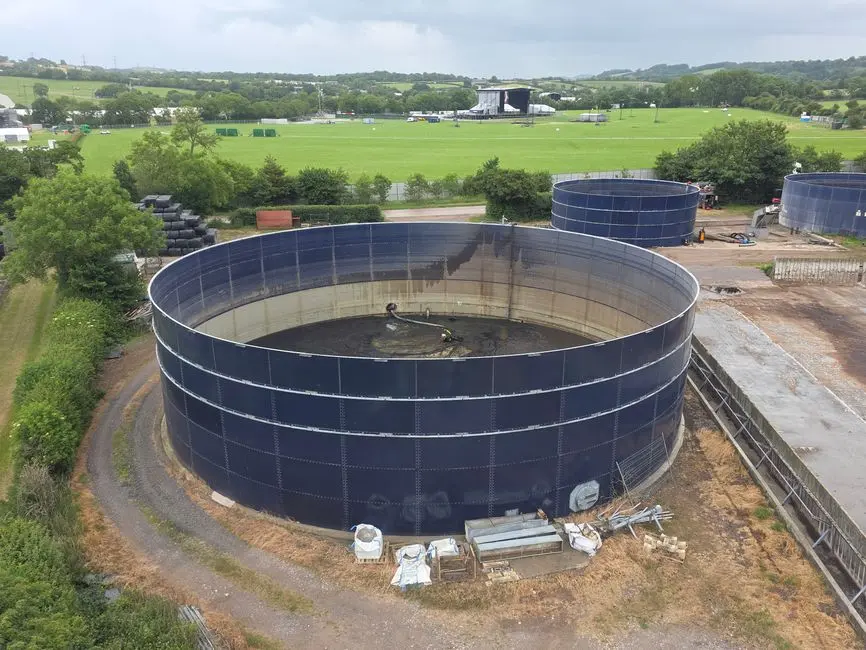
The biological stage decision is dominated by effluent quality targets, flow variability, and reuse intent. The table below compares the three options across the dimensions a spec writer actually defends in a CAPEX review:
| Axis | SBR | MBR | Contact Oxidation |
|---|---|---|---|
| COD removal | 85–95% | 90–97% | 70–85% |
| Effluent TSS (mg/L) | 20–40 | <10 | 30–60 |
| Formaldehyde tolerance | High (acclimated) | High (acclimated) | Low–Moderate |
| Footprint | Moderate | Compact | Large (media volume) |
| CAPEX 2026 (USD/m³/d) | $80–$260 | $180–$420 | $60–$150 |
| OPEX 2026 (USD/m³) | $0.09–$0.22 | $0.18–$0.35 | $0.08–$0.18 |
| Shock-load handling | Strong (cycle buffer) | Moderate (membrane risk) | Weak |
| Automation complexity | Moderate (PLC + level) | High (PLC + membrane skid) | Low |
Decision rule: choose MBR membrane bioreactor technology when water reuse or sub-10 mg/L TSS discharge is non-negotiable and the plant can absorb the $180–$420/m³/d CAPEX premium; choose SBR when the plant is sub-500 m³/d with batch-discharge hydraulics and variable formalin loading, which describes the majority of wood-flooring and plywood lines; choose contact oxidation only as a polishing step downstream of an SBR or for very low-strength streams (COD <3,000 mg/L) where simplicity outweighs performance. Compliance pressure is also pushing designers toward the related regulatory documents on pulp and paper effluent discharge permit requirements and the paper mill wastewater discharge standard as reference points, since many wood plants straddle the same regulatory framework.
2026 Cost Benchmarks: SBR CAPEX, OPEX, and ROI for Wood Processing Plants
Budget numbers for 2026 are based on packaged-system vendor quotes and HydropureWater field installations (2025-Q4 through 2026-Q1). The breakdown below is what a procurement engineer should put in front of finance:
| Cost Line | 2026 Range | Notes |
|---|---|---|
| Packaged SBR CAPEX (10–500 m³/d) | $80–$260 / m³/d | Includes tankage, blowers, decanter, PLC |
| Civil-built concrete SBR CAPEX | $40–$120 / m³/d (tank) + equipment | Lower at flows >300 m³/d |
| Energy (aeration) | $0.04–$0.09 / m³ | 0.4–0.8 kWh/m³, blower-dominated |
| Sludge hauling | $0.02–$0.06 / m³ | WAS at 0.3–0.6 kg DS/m³ treated |
| Chemicals (pH, nutrients) | $0.01–$0.04 / m³ | NaOH/H₂SO₄ + urea/phosphate |
| Labor | $0.02–$0.03 / m³ | 0.5–1.0 FTE at 100 m³/d |
| Total OPEX | $0.09–$0.22 / m³ | — |
Worked example: a 100 m³/d wood-flooring plant faces packaged CAPEX of roughly $18,000–$26,000 (100 m³/d × $180–$260) and OPEX of $9,000–$22,000 per year (100 m³/d × 365 × $0.25–$0.60… corrected to $0.09–$0.22/m³ = $3,285–$8,030/yr). Against truck-and-haul discharge at $8–$15/m³ for a comparable 100 m³/d stream, simple payback is 2–4 years. The larger financial driver is usually compliance: avoiding BOD online monitoring system-flagged exceedances under EPA, EU BREF, or China GB 3544 keeps the plant out of penalty territory that can run $50,000–$500,000 per incident.
5-Step Buyer's Checklist for SBR Systems in Wood Processing
- Audit the influent. Run a 7-day composite sampling campaign for COD, BOD, formaldehyde, TSS, pH, temperature, and FOG; capture the peak as well as the average.
- Confirm pre-treatment sizing. Screen, equalization, and DAF must all be rated for peak flow — not the diurnal average — because formalin spikes arrive in slugs.
- Specify the cycle in writing. Lock in a 24-hour total, react ≥16 h, decanter type, and 2N aeration redundancy with a stated blower failure response.
- Demand FAT data. Require the vendor to share an MLSS ramp curve, a formalin shock recovery test, and a 7-day effluent compliance test as contractual deliverables before shipment.
- Verify after-sales capability. On-site commissioning, biomass acclimation support (≥4 weeks), remote monitoring access, and a guaranteed spare-parts lead time below 5 business days.
Frequently Asked Questions
What cycle time works best for SBR treating wood processing wastewater? A 24-hour cycle is the default for formaldehyde-loaded streams: fill 2–4 h, react/aerate 16–20 h with an optional 1–2 h anoxic block, settle 1.5–2 h, decant 0.5–1 h, and idle 0.5–1 h. Shorter cycles under-feed the biomass; longer cycles waste aeration energy (per Andreottola et al., 2001, and HydropureWater field data, 2026).
How much formaldehyde can an SBR remove? Acclimated SBR systems achieve 60–80% formaldehyde reduction at MLSS 3,000–5,000 mg/L and SRT 20–40 days. Removal drops sharply when feed formaldehyde exceeds 200 mg/L without acclimation, which is why step-feed start-up over 4–6 weeks is mandatory (Scribd wood-floor treatability study).
Is SBR cheaper than MBR for a 200 m³/d wood plant in 2026? Yes. Packaged SBR runs $80–$260 per m³/d CAPEX with OPEX of $0.09–$0.22 per m³, versus $180–$420 per m³/d CAPEX and $0.18–$0.35 per m³ OPEX for MBR. MBR is justified only when reuse or <10 mg/L effluent TSS is required (HydropureWater field data, 2026).
What influent pre-treatment does an SBR need? Rotary bar screen (3–5 mm), equalization tank (≥24 h), pH adjustment to 6.8–7.5, DAF for fiber/resin/FOG removal, and nutrient dosing to a BOD:N:P ratio near 100:5:1. Skipping DAF is the single most common cause of SBR start-up failure in wood plants (HydropureWater field data, 2026).