Why Ecuadorian Industrial Plants Are Replacing WWTPs in 2026
Industrial facilities across Ecuador face a regulatory squeeze in 2026 that is forcing a wave of WWTP replacement and retrofit projects. The Ministerio del Ambiente has stepped up on-site audits under TULSMA Libro VI Anexo 1 in the Guayaquil, Quito, and Cuenca industrial corridors, with ARCOM cross-checks now triggering operating-license reviews for non-compliant sites. Ecuador's shrimp and palm-oil export volumes grew at more than 15% year-over-year between 2024 and 2025 per Banco Central del Ecuador trade data, and that growth has translated into tighter zero-discharge requirements from coastal processing plants and palm-oil mills in Esmeraldas and Los Ríos. An estimated 60% of Ecuador's installed industrial WWTP base is more than 15 years old and undersized for current production volumes, a figure triangulated from UN Comtrade import data for treatment chemicals and pumping equipment. The result: plant managers in shrimp, palm oil, textiles, and beverages are signing procurement decisions in 2026 to replace aging infrastructure with TULSMA-compliant biological systems, not to expand piecemeal.
TULSMA and Ecuadorian Discharge Limits Every Supplier Must Meet
TULSMA Libro VI Anexo 1 (Ministerio del Ambiente) defines two numerical tables that any WWTP supplier in Ecuador must design against, and the gap between them is what drives technology choice. Table 5 governs sewer discharge to a municipal collector and permits BOD ≤100 mg/L, COD ≤250 mg/L, TSS ≤130 mg/L, FOG ≤30 mg/L, and pH 6–9. Table 4 governs direct discharge to a freshwater body and tightens the same parameters by 3–5×: BOD ≤20 mg/L, COD ≤50 mg/L, TSS ≤30 mg/L, with FOG ≤20 mg/L and the same 6–9 pH window. Plants discharging to rivers in the Guayas or Esmeraldas basins therefore require MBR or RO polishing, not conventional activated sludge. A SENAGUA water-use permit and an ARCOM operating license are both mandatory, and qualified suppliers typically bundle permit-support documentation (influent characterization template, mass-balance calculations, and a TULSMA compliance statement signed by the process engineer) as part of their proposal package. Buyers should request these documents up front and treat any bidder that cannot produce a TULSMA compliance statement as immediately disqualified.
| Parameter | Table 5 (sewer discharge) | Table 4 (freshwater body) |
|---|---|---|
| BOD | ≤100 mg/L | ≤20 mg/L |
| COD | ≤250 mg/L | ≤50 mg/L |
| TSS | ≤130 mg/L | ≤30 mg/L |
| FOG | ≤30 mg/L | ≤20 mg/L |
| pH | 6–9 | 6–9 |
Core Technologies Sold by Ecuador WWTP Suppliers in 2026
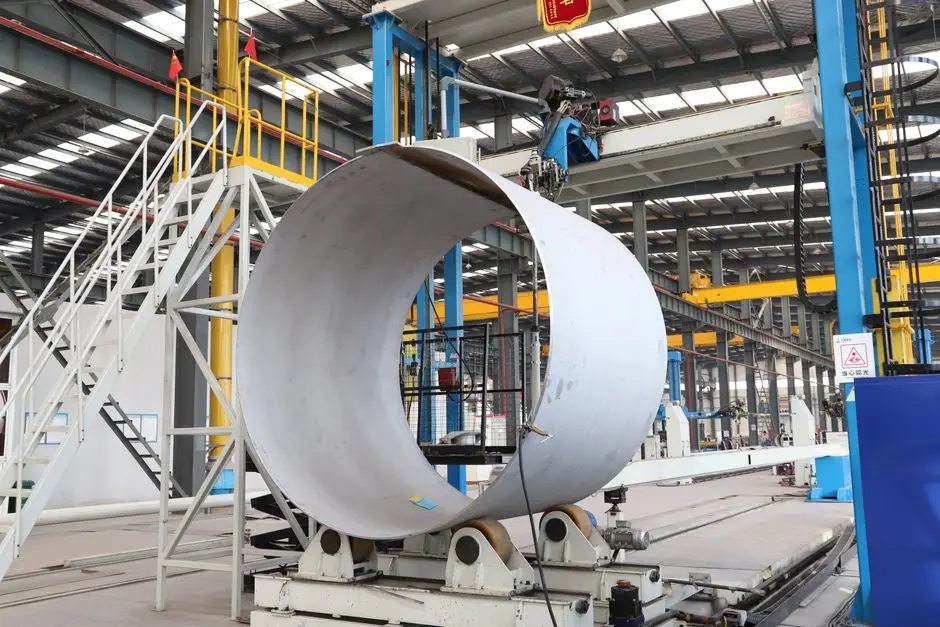
Matching influent characteristics to the right technology family before contacting any supplier saves months of back-and-forth. The buried WSZ package sewage treatment plant covers 1–80 m³/h using anoxic/oxic biological contact oxidation in a buried tank, making it the lowest-footprint option for small food processors and remote community sites. The integrated MBR membrane bioreactor system handles 10–2,000 m³/day with submerged PVDF membranes at a nominal 0.1 μm pore size, achieving roughly 60% smaller footprint than conventional activated sludge and the Table 4 BOD/COD numbers needed for freshwater discharge. A dissolved air flotation system rated 4–300 m³/h delivers 90%+ TSS and FOG removal in pre-treatment and is standard upstream of any biological stage in food, edible-oil, and palm-oil applications. Lamella clarifiers run at 20–40 m/h surface loading rate and serve as cost-effective primary or post-DAF polishing units. For disinfection, on-site chlorine dioxide generators sized from 50–20,000 g/h provide residual control to WHO/EPA drinking-water standards without the hazards of chlorine gas cylinders.
| Technology | Capacity range | Typical removal / role | Best fit |
|---|---|---|---|
| WSZ package plant | 1–80 m³/h | A/O contact oxidation, buried | Small food plants, limited footprint |
| MBR | 10–2,000 m³/day | BOD/COD/SS to Table 4 limits | New Guayaquil/Quito industrial builds |
| DAF | 4–300 m³/h | 90%+ TSS, FOG pre-treatment | Food, oil, palm upstream of bio |
| Lamella clarifier | 20–40 m/h SLR | Primary or post-DAF polish | Cost-sensitive primary stage |
| ClO₂ generator | 50–20,000 g/h | On-site disinfection | Discharge to any receiving body |
Supplier Comparison Matrix: How Ecuadorian Buyers Should Evaluate Bidders
A weighted matrix is the fastest way to filter bidders on objective criteria. Score each candidate from 0–5 on six axes: (1) Ecuadorian reference plants in your industry, (2) TULSMA compliance documentation, (3) local service partner in Guayaquil or Quito, (4) automation level (PLC with HMI minimum, SCADA preferred for plants >500 m³/day), (5) CAPEX transparency with line-item breakdowns, and (6) warranty plus spare-parts lead time. Three supplier archetypes dominate the Ecuadorian market. Local Quito/Guayaquil integrators offer fast response and Spanish-language support but limited process depth and a narrow technology catalog. Regional Latin American OEMs (Brazilian, Colombian) sit in the mid-range with stronger process engineering and time-zone alignment but higher CAPEX than Asian equivalents. Asian OEM exporters deliver the strongest specifications and lowest ex-works price, but require careful import logistics planning and a clear commissioning plan. Eight documents should accompany every serious bid: process P&ID, electrical drawings, general arrangement drawings, O&M manual, material certificates, TULSMA compliance statement, reference list, and warranty terms. Bidders who omit more than one of these are signaling weak engineering capacity.
| Evaluation axis | Weight (suggested) | What to look for |
|---|---|---|
| Ecuadorian reference plants | 25% | Operating plants in food/shrimp/palm |
| TULSMA documentation | 20% | Signed compliance statement, mass balance |
| Local service partner | 15% | Guayaquil or Quito office, Spanish-speaking engineers |
| Automation level | 15% | PLC + HMI minimum, SCADA preferred |
| CAPEX transparency | 15% | Line-item ex-works, freight, duties, install |
| Warranty + spares lead time | 10% | 24-month mechanical, 12-month electrical, parts in 7 days |
CAPEX and OPEX for an Ecuadorian WWTP in 2026
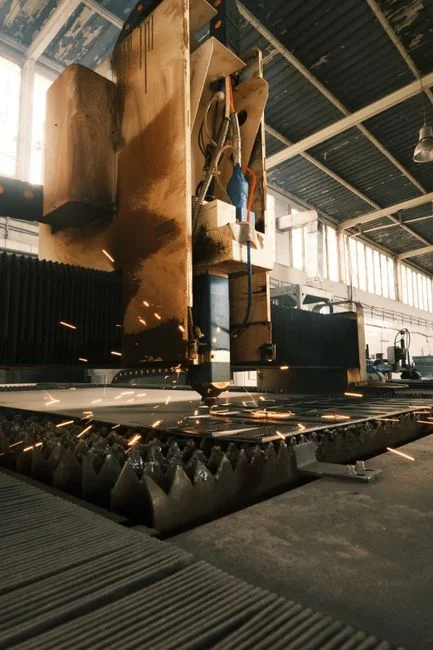
Budget numbers in USD for 2026 fall into predictable ranges by technology, but Ecuador's landed-cost stack can shift the final number by 20–30%. Ex-works CAPEX benchmarks: WSZ package plant $180–$280 per m³/day, SBR $220–$340, MBR $380–$650, and full zero-liquid-discharge with RO $700–$1,100 (HydropureWater 2026 reference pricing). The Ecuador landed-cost adder includes 15% ad valorem import duty, 5% ISD on the CIF value, ocean freight of roughly $2,500–$4,500 per 40HC container from Shanghai or Guangzhou to Guayaquil with 25–35-day transit, plus inland trucking to site and any nationalization broker fees (typically 1–2% of CIF). OPEX for an MBR runs $0.12–$0.28 per m³ treated, while SBR and WSZ systems run $0.08–$0.16 per m³, dominated by aeration energy (60–70% of OPEX) and sludge hauling (15–20%). Against that, a compliant plant avoids $40K–$250K per year in TULSMA non-compliance fines and 5–15 day production stoppages, both of which are now routine enforcement outcomes in shrimp and palm-oil operations per recent ARCOM audit summaries. For more detailed equipment-side numbers, the DAF system in Ecuador engineering guide breaks down pre-treatment cost lines by capacity band, and broader spending context is available in the 2026 industrial wastewater treatment market outlook.
| Technology | CAPEX (USD/m³/day, ex-works) | OPEX (USD/m³ treated) | Dominant OPEX driver |
|---|---|---|---|
| WSZ package | $180–$280 | $0.08–$0.16 | Aeration + sludge |
| SBR | $220–$340 | $0.10–$0.18 | Aeration + decanter |
| MBR | $380–$650 | $0.12–$0.28 | Membrane cleaning + aeration |
| ZLD with RO | $700–$1,100 | $0.25–$0.45 | Energy + membrane replacement |
6-Step Selection Checklist for 2026 Ecuadorian WWTP Procurement
- Characterize influent. Run 7-day composite sampling for flow, COD, BOD, TSS, FOG, pH, and temperature. No serious supplier will quote without it.
- Define discharge destination. Sewer to municipal collector (Table 5) versus freshwater body (Table 4) sets the technology floor; Table 4 typically forces MBR or RO.
- Shortlist 3–4 suppliers. Use the weighted matrix above and request audited reference plants in Ecuador or a comparable tropical climate.
- Verify local service. Confirm a service partner in Guayaquil with Spanish-speaking engineers and a spare parts inventory lead time under 7 days for wear items (membranes, pumps, sensors).
- Lock CAPEX in writing. Include duties, freight, civil works, installation, and 12 months of commissioning support as separate line items, not a lump sum.
- Include performance liquidated damages. Tie penalties to specific TULSMA parameters (BOD, COD, TSS measured at the discharge sampling port) rather than generic "treatment works" language, which is unenforceable in practice. For a parallel workflow structure covering other Southeast Asian markets, see the regional WWTP supplier comparison framework applied to Malaysia, which uses the same six-axis scoring approach.
2026 Ecuador WWTP Market Outlook and Sourcing Risks
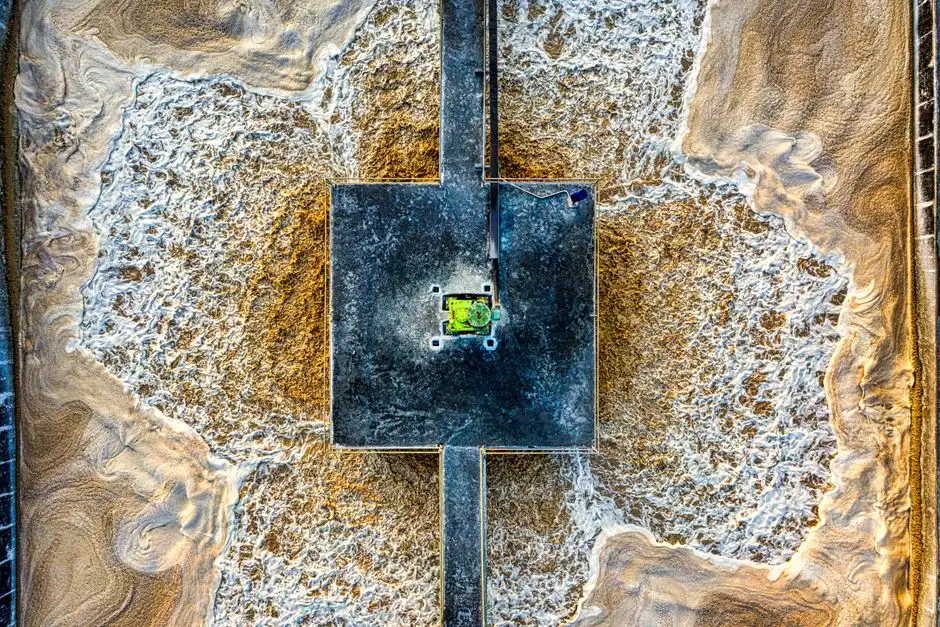
Ecuadorian industrial WWTP spending is forecast to grow 6.5–8% year-over-year through 2028, driven by shrimp export compliance deadlines and palm-oil capacity additions in Esmeraldas and Los Ríos. Currency risk is partly hedged because most equipment is invoiced in USD, but Chinese RMB fluctuations still shift ex-works prices by 2–5% across a procurement cycle. The bigger operational risk is logistics: Guayaquil port congestion peaks during the Q4 banana and shrimp export window, so freight should be booked 8–10 weeks ahead of the required on-site date, and inland trucking to highland sites (Quito, Cuenca) should be scheduled outside the rainy season when road access to industrial parks is reliable.
Frequently Asked Questions
What TULSMA discharge limits should a WWTP in Ecuador meet? For sewer discharge (Table 5) the targets are BOD ≤100 mg/L, COD ≤250 mg/L, TSS ≤130 mg/L, FOG ≤30 mg/L, pH 6–9. For freshwater body discharge (Table 4) the targets tighten to BOD ≤20 mg/L, COD ≤50 mg/L, TSS ≤30 mg/L, FOG ≤20 mg/L, pH 6–9, which generally forces MBR or RO polishing rather than conventional activated sludge.
What is the total landed cost of a WWTP in Ecuador for 2026? Add 15% Ecuadorian import duty and 5% ISD to the CIF value, plus $2,500–$4,500 per 40HC ocean freight from Shanghai or Guangzhou to Guayaquil (25–35 day transit), plus inland trucking and roughly 1–2% for nationalization broker fees. On a $400,000 ex-works MBR with $30,000 freight, expect a final landed cost in the $520,000–$560,000 range before civil and installation.
How do local integrators compare to Asian OEMs for Ecuadorian projects? Local Quito/Guayaquil integrators win on response time and language but typically score lower on process depth and unit price. Regional Latin American OEMs offer middle-ground pricing and process engineering in a compatible time zone. Asian OEM exporters deliver the strongest specifications and lowest ex-works price, but require disciplined import planning and a documented commissioning protocol.
How long does shipping and customs clearance take from China to Guayaquil? Plan for 25–35 days ocean transit from Shanghai or Guangzhou to Guayaquil, then 7–14 days for nationalization and inland trucking, with an additional 1–2 week buffer during the Q4 export congestion window. Total procurement-to-site timeline of 10–14 weeks is realistic for Asian-supplied equipment in 2026.
Which documents should a qualified WWTP supplier provide with their bid? Eight documents: process P&ID, electrical drawings, general arrangement drawings, O&M manual, material certificates, signed TULSMA compliance statement, reference list with operating plants, and warranty terms. Each one has a specific function: P&IDs and GA drawings confirm physical fit on your site, O&M and material certificates support ARCOM audits, and the compliance statement is your first line of defense in any regulatory dispute.