What Is the Phenol Discharge Limit in Nigeria in 2026?
The Federal Environmental Protection (Effluent Limitations) Regulations S.I. No. 93 of 2008, still in force in 2026, sets a maximum phenol concentration of 0.2 mg/L for effluents discharged into surface water and 1.0 mg/L for effluents discharged onto land. The regulations bind petroleum refineries, petrochemical plants, phenolic resin manufacturers, coke ovens, pharmaceutical synthesis facilities, and gas processing operations. Parallel to the FMEnv rule, the Department of Petroleum Resources' 2018 Draft Revised EGASPIN (Environmental Guidelines and Standards for the Petroleum Industry in Nigeria) sets petroleum-sector thresholds of 0.5 mg/L for surface water discharge and 1.0 mg/L for land application (per DPR EGASPIN, 2018). The WHO drinking water guideline is 0.001 mg/L (1 µg/L), roughly 200× stricter than the surface-water cap and the benchmark for any plant considering reuse. The 0.2 mg/L limit was anchored to chronic aquatic toxicity: documented effects on fish, invertebrates, and biofilm communities begin at roughly 0.2 mg/L, so the regulator set the discharge ceiling at the lowest concentration that protects receiving waters without forcing an unmeasurable analytical target. Typical refinery wastewater enters the biological plant at 50–500 mg/L phenol, so facilities must achieve 99.6–99.98% removal to land under the surface-water threshold.
| Regulator / Standard | Medium | Phenol Limit (mg/L) | Status (2026) |
|---|---|---|---|
| FMEnv S.I. No. 93 of 2008 | Surface water | 0.2 | In force |
| FMEnv S.I. No. 93 of 2008 | Land | 1.0 | In force |
| DPR EGASPIN (2018 draft revision) | Surface water | 0.5 | Draft, applied to petroleum sector |
| DPR EGASPIN (2018 draft revision) | Land | 1.0 | Draft, applied to petroleum sector |
| WHO Drinking Water Guidelines | Potable water | 0.001 (1 µg/L) | International benchmark |
Which Nigerian Regulators Enforce Phenol Limits?
Three federal agencies—and various state authorities—oversee refinery phenol discharge. FMEnv (Federal Ministry of Environment) owns the national effluent rulebook through S.I. No. 93 and its sector regulations. NESREA (National Environmental Standards and Regulations Enforcement Agency) is the operational enforcement arm: it carries out inspections, issues abatement notices, and has the statutory power to shut down non-compliant facilities under the NESREA Act. DPR (now reorganized under the Petroleum Industry Act 2021 as the Nigerian Upstream Petroleum Regulatory Commission for upstream and the Nigerian Midstream and Downstream Petroleum Regulatory Authority for mid/downstream) applies the EGASPIN limit to upstream-produced water, drilling fluids, and downstream refinery effluents, tracking phenol in produced water and refinery API separator effluent at frequencies set in the operator's environmental management plan. State regulators such as LASEPA (Lagos) and Ogun State Environmental Protection Agency can impose stricter local limits, especially in industrial clusters and around protected water bodies, and they hold the permit authority for any new discharge point. The practical compliance hierarchy is straightforward: petroleum operators must satisfy BOTH EGASPIN (sector) and FMEnv (national). Where the two differ, the stricter number governs. With EGASPIN at 0.5 mg/L and FMEnv at 0.2 mg/L, a refinery discharging to surface water is bound by the 0.2 mg/L FMEnv figure regardless of which agency shows up for the audit. For more on the reporting side, see the wastewater self monitoring reporting requirements guide.
Phenol Load by Industry Sector in Nigeria
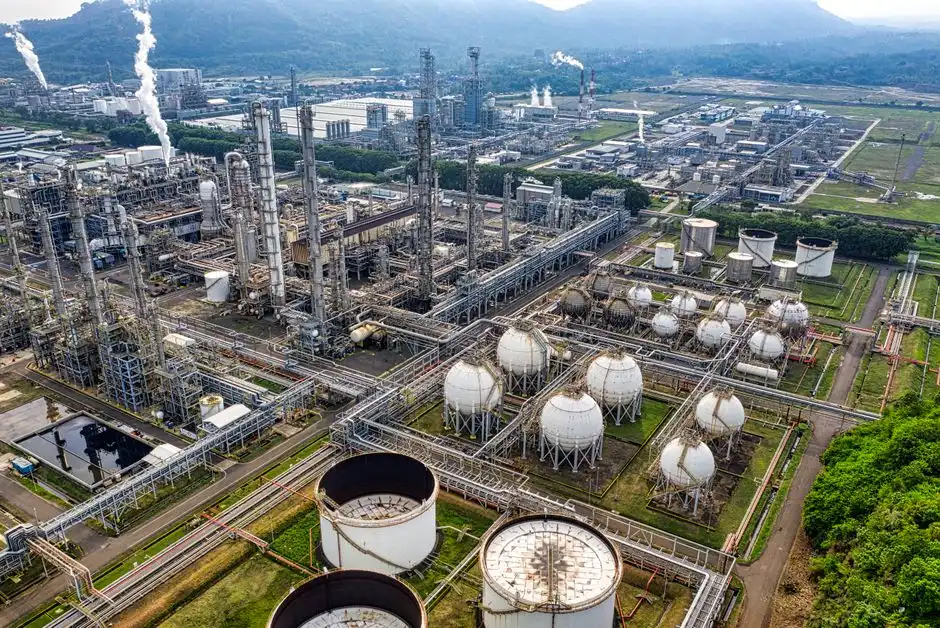
Phenol loading varies by two orders of magnitude across sectors subject to Nigerian discharge rules. Refineries—Port Harcourt I/II, Warri, Kaduna—typically see 50–500 mg/L phenol in combined desalter water and spent caustic effluent. Coke plants and steel-mill coke ovens generate 1,000–10,000 mg/L total phenolics in ammonia still liquor and coke-quench wastewater, the most aggressive stream by concentration in Nigerian industry. Phenolic resin manufacturers produce 200–2,000 mg/L in process washwater, which involves smaller volumetric flow but high concentration. Petrochemical complexes running cumene-to-phenol units see 10–200 mg/L in stripper bottoms, depending on whether the crude phenol column is operating normally. Gas processing and LNG facilities stay below 20 mg/L, but high flow rates keep them within the compliance envelope. Refineries account for approximately 40% of Nigeria's industrial phenol load to surface water per NESREA reporting (NESREA, 2024 compliance summary).
| Sector | Typical Influent Phenol (mg/L) | Flow Profile | Primary Source |
|---|---|---|---|
| Refinery (Port Harcourt, Warri, Kaduna) | 50–500 | Continuous, 50–500 m³/day | Desalter water, spent caustic |
| Coke oven / steel mill | 1,000–10,000 | Batch, 20–100 m³/day | Ammonia still liquor, quench water |
| Phenolic resin plant | 200–2,000 | Batch, 5–50 m³/day | Resin washwater, condenser condensate |
| Petrochemical (cumene/phenol) | 10–200 | Continuous | Stripper bottoms, column reboiler |
| Gas processing / LNG | <20 | Continuous, high flow | Process condensate, gas scrubber |
Treatment Technologies That Hit 0.2 mg/L Phenol
Biological treatment removes the bulk of the carbon load but rarely reaches 0.2 mg/L independently. Phenol-acclimated activated sludge, MBR, moving-bed biofilm reactor (MBBR), and sequencing batch reactor (SBR) systems typically deliver 90–99% removal on streams below 500 mg/L influent, with Pseudomonas putida and Acinetobacter species as the primary degraders. MBR is preferred over conventional CAS in the Nigerian context because the smaller footprint suits plot-limited refinery sites and the membrane barrier buffers shock loads from upstream slugging. Fenton's oxidation (H₂O₂/Fe²⁺ at pH ~3) achieves 60–90% removal and is best deployed either upstream of biology on 200–500 mg/L streams to reduce toxicity, or downstream as a polishing step on biologically treated effluent in the 1–10 mg/L range. Wet air oxidation and ozonation deliver 70–95% removal on high-strength (1,000+ mg/L) streams but carry high OPEX tied to oxygen and ozone demand. Solvent extraction with MIBK or isopropyl ether, followed by distillation, pre-concentrates 1,000+ mg/L streams and recovers phenol for resale—a CAPEX-heavy option that is OPEX-positive at large coke plants. Granular activated carbon (GAC) adsorption polishes biologically treated effluent to <0.1 mg/L with carbon usage of 0.5–2 kg per m³ of treated water. Reverse osmosis and tight nanofiltration provide 95–99.9% rejection on pretreated streams and serve as the final barrier for reuse-grade water. The 2026 economic standard train for a Nigerian refinery phenol stream consists of: a dissolved air flotation system for oil and suspended solids removal, followed by an MBR membrane bioreactor for phenol-acclimated biological treatment, Fenton's oxidation as the AOP polish, and GAC as the final guard, with RO added only if reuse is in scope. For high-strength streams, the ozone oxidation system for chemical wastewater guide covers parallel AOP options.
| Unit Process | Typical Removal | Best Influent Range | Role in Train |
|---|---|---|---|
| DAF (oil/solids removal) | 30–60% COD | Any | Front-end protection |
| Biological (MBR / MBBR / SBR) | 90–99% | <500 mg/L | Bulk carbon removal |
| Fenton's oxidation (H₂O₂/Fe²⁺) | 60–90% | 50–500 mg/L | Toxicity reduction / AOP |
| Ozonation / WAO | 70–95% | 1,000+ mg/L | High-strength AOP |
| Solvent extraction (MIBK) | 95–99% + recovery | 1,000+ mg/L | Concentration + resale |
| GAC adsorption | Polish to <0.1 mg/L | <5 mg/L | Final polish |
| RO / NF | 95–99.9% | <50 mg/L (after pretreatment) | Reuse-grade barrier |
Phenol Compliance in Practice: A Nigerian Refinery Case
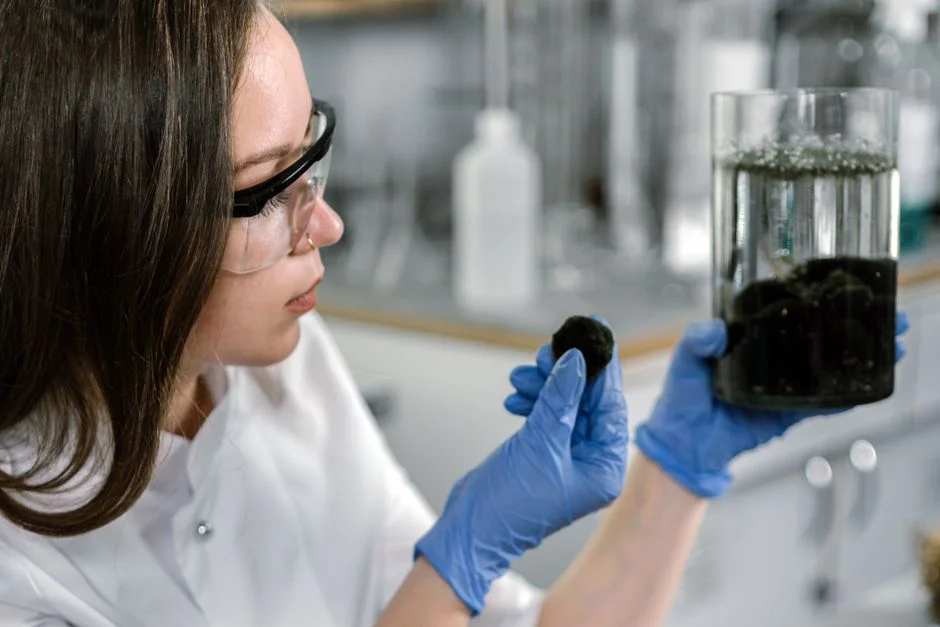
A 100,000 bpd downstream refinery in the Niger Delta requires treatment for roughly 50 m³/day of combined spent-caustic stripper effluent and desalter water at 200 mg/L phenol—approximately 10 kg of phenol per day. The treatment train proposed for 2026 deployment includes: equalization with caustic rundown cooling, a dissolved air flotation system for oil and suspended solids removal as the front-end, an MBR membrane bioreactor for phenol-acclimated biological treatment as the biological core, Fenton's oxidation (H₂O₂/Fe²⁺ at pH 3, dosed via an automatic chemical dosing system for Fenton's oxidation reagent) as the AOP, and GAC contactors as the final polish. The expected effluent is <0.1 mg/L phenol—a 50% safety margin below the FMEnv 0.2 mg/L surface-water limit, which keeps the plant compliant even when the laboratory reports 0.18 mg/L on a borderline sample. Overall removal efficiency runs at 99.95% on a consistent basis, with BOD co-removal at 95% and COD at 90%. Equipment CAPEX for the 50 m³/day train lands at $320,000–$480,000 (HydropureWater field data, 2026) including DAF, MBR skids, Fenton reactor, and GAC contactors. OPEX runs $0.85–$1.40 per m³ treated, with hydrogen peroxide, GAC replacement, and sludge handling as the dominant cost lines. An upstream gas-processing plant handling the same kind of stream at 15 mg/L would scale this train down to roughly one-third the equipment footprint and proportionally lower OPEX. For benchmarking against other regional contaminant rules, the ammonia nitrogen discharge limit in Saudi Arabia guide and the zinc discharge limit in Thailand for 2026 cover parallel refinery compliance questions.
Frequently Asked Questions
Q1