What Wastewater Self-Monitoring Reporting Requirements Actually Cover
Wastewater self-monitoring reporting requirements are the legally binding obligations on industrial dischargers to collect representative wastewater samples, analyze them with certified methods, and submit results to the regulator on a defined cadence. In 2026, NPDES permits require electronic Discharge Monitoring Reports (DMRs) via NetDMR, the EU Industrial Emissions Directive requires ELV verification with annual reports, and China's GB 18918-2002 plus the 2024 self-monitoring technical guideline (HJ 91.1) require daily manual or on-line monitoring with monthly upload to the national platform. The Metropolitan Council's IORS framework collapses the obligation into three non-negotiable duties: perform self-monitoring at each monitoring point, submit reports on the cadence listed in the permit, and maintain records. Each is auditable, each is enforceable.
"Samples must be collected … during a normal operating day based on the frequency listed in the Permit" (Metropolitan Council IORS guidance, 2025) — that single sentence defines representative sampling for most US pretreatment programs. Add lab analysis by a certified laboratory using EPA-approved methods (40 CFR 136), and the monitoring pillar is complete. The 2026 enforcement reality is concrete: EPA's Enforcement and Compliance History Online (ECHO) recorded hundreds of NPDES DMR non-submission violations in FY2024, and civil penalties start above $5,000 per violation per day under 33 U.S.C. § 1319(d). Outside the US, the 2024 revision of China HJ 91.1 and the 2024 BAT-AEL conclusions for EU common waste water treatment (CWW) are the two rule shifts that change parameter lists and frequencies for 2026. For the regulatory backdrop, the 2026 total nitrogen discharge limit global standards guide maps the downstream limit values that drive most self-monitoring programs.
The 2026 Global Rules: NPDES, EU IED, and China GB Side by Side
No top-ranking page for this query gives a 2026 multi-jurisdiction matrix. The three pillars differ in legal hook but converge on the same three obligations. In the US, NPDES self-monitoring sits on 40 CFR Parts 122, 125, and 136, with industrial pretreatment SMRs governed by 40 CFR 403.12; electronic submission through NetDMR has been mandatory for major dischargers since 2019 and is fully enforced in 2026. In the EU, Industrial Emissions Directive 2010/75/EU Article 11 plus Annex VI require ELV monitoring by ISO 17025-accredited labs, and the 2024 BAT-AEL conclusions for CWW tightened AOX, total phosphorus, total nitrogen, TOC, suspended solids, and mercury limits that take effect for 2026 compliance. In China, GB 18918-2002 (Class 1A/1B) sets discharge limits while HJ 91.1-2024 "Technical Guideline on Self-monitoring of Pollutant Discharging Units" defines sampling points, parameters, frequencies, and quality control for industrial facilities.
Certification is the cross-jurisdictional risk vector most engineers underestimate. eCode360 § 355-41 (used as a municipal model) requires signatory certification of every periodic SMR. Under 40 CFR 403.12(b)(7), that signature is a personal-liability statement for the "responsible corporate officer" — meaning a plant manager or EHS director, not a shell corporation, is on the hook for false or late submissions. The table below puts the three regimes side by side. For a UK-specific overlay including storm overflow monitoring, the 2025 UK wastewater regulations compliance guide walks through parallel obligations.
| Item | US — NPDES / Pretreatment | EU — IED 2010/75/EU + CWW BAT-AEL 2024 | China — GB 18918-2002 + HJ 91.1-2024 |
|---|---|---|---|
| Legal hook | 40 CFR 122/125/136 (NPDES); 40 CFR 403.12 (pretreatment SMR) | IED Article 11, Annex VI; BAT-AEL 2024/CWW | GB 18918-2002; HJ 91.1-2024 technical guideline |
| Submission system | EPA NetDMR (electronic, mandatory) | National pollutant release register; facility annual report | National pollution source self-monitoring platform (国发平台) |
| Default cadence | Monthly DMR; SMR quarterly/semi-annual/annual per permit | Continuous for flow/pH/T; ≥ monthly composite for metals; annual ELV report | Daily manual or on-line for core params; monthly upload |
| Lab requirement | EPA-approved methods (40 CFR 136); state-certified lab | ISO 17025-accredited lab | CMA-accredited lab; on-line per HJ 91.1-2024 |
| Signatory liability | 40 CFR 403.12(b)(7) — responsible corporate officer | IED Article 11(5) — operator attestation | HJ 91.1-2024 — legal representative sign-off |
Parameters, Sampling Points, and the 2026 Frequency Matrix
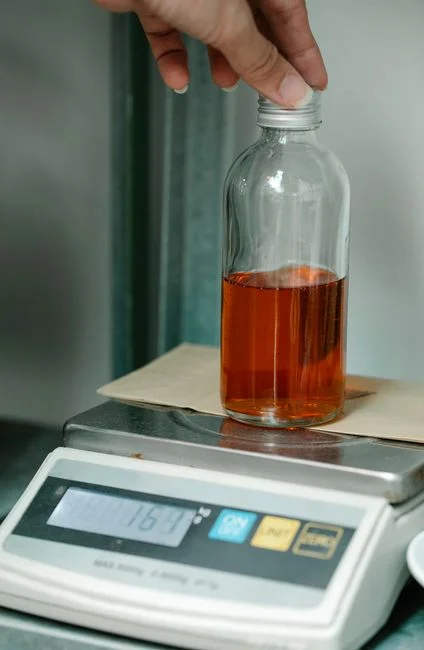
The single most actionable artifact for any compliance manager is a parameter-by-frequency matrix. Across all three regimes the standard set is: flow (m³/d), pH, TSS, BOD₅, COD, total nitrogen (TN or NH₃-N), total phosphorus (TP), temperature, and conductivity. Sector-specific additions matter: total residual chlorine for textile and food; Cd, Cr, Cu, Ni, Pb, Zn for electroplating; AOX for pulp & paper under EU BAT; PFAS parameters (typically 4–7 compounds under the 2024 EPA multi-sector guideline) for metal finishing, landfill leachate, and PFAS-using sectors; salinity for tanneries and oil & gas produced water.
Cadence is locked in the permit, not the rule — but defaults are predictable. NPDES defaults to monthly reporting for conventionals, weekly to daily for toxics, and continuous for flow. China HJ 91.1-2024 mandates daily manual or on-line monitoring for flow, pH, COD, NH₃-N, TP, and TSS, weekly for heavy metals, and monthly for parameters not in the permit. EU IED requires continuous monitoring for flow, pH, and temperature, with at least monthly composite sampling for metals and TOC, falling back to daily grab for pH if on-line fails. Monitoring points must be listed in the Industrial Discharge Permit, and the SMR should map every result back to a specific monitoring point ID (Metropolitan Council IORS guidance, 2025).
| Parameter | Typical industrial range | NPDES default frequency | EU IED / CWW BAT-AEL 2024 | China HJ 91.1-2024 |
|---|---|---|---|---|
| Flow | 0–50,000 m³/d | Continuous | Continuous | Continuous (on-line) |
| pH | 6.0–9.0 | Daily grab or continuous | Continuous; daily grab backup | Daily manual or on-line |
| TSS | 10–200 mg/L | Monthly composite | Daily composite; AEL 35 mg/L | Daily manual or on-line |
| COD | 50–800 mg/L | Monthly composite | Daily composite; AEL 130 mg/L | Daily manual or on-line |
| BOD₅ | 10–400 mg/L | Monthly composite | Weekly composite where applicable | Per permit |
| Total nitrogen | 5–60 mg/L | Monthly composite | Daily composite; AEL 15 mg/L | Daily manual or on-line |
| Total phosphorus | 0.5–8 mg/L | Monthly composite | Daily composite; AEL 2 mg/L | Daily manual or on-line |
| Heavy metals (Cd, Cr, Cu, Ni, Pb, Zn) | 0.05–5 mg/L | Weekly to monthly | Monthly composite minimum | Weekly manual |
| AOX (pulp & paper) | 0.1–10 mg/L | Monthly | Monthly; AEL 0.5 mg/L | Per permit |
| PFAS (4–7 params) | ng/L to µg/L | Per 2024 EPA guideline; quarterly minimum | Watch list (2026) | Watch list (2026) |
Choosing the Right On-Line Monitoring Instruments in 2026
Translating the matrix into hardware means matching each parameter to an analyzer class with the right accuracy, MTBF, and fouling tolerance for industrial effluent. Flow is best served by magmeters — Endress+Hauser Promag and Siemens SITRANS F M both deliver ±0.3–0.5% FS, with pulsed-DC excitation preferred for low-conductivity chemical streams. pH and ORP are no longer glass-only: differential ISFET sensors (Hach Digital, Mettler Toledo InPro 4260) tolerate fouling better and survive clean-in-place cycles, with dual-junction references recommended for oily effluents. For COD and TOC, online UV spectrometers such as SWAN AMI Trides or Hach BioTector B3500 provide 24/7 surrogate COD at ±2–5% accuracy and under 50% of the OPEX of dichromate wet chemistry; the EU BAT-AEL 2024 CWW conclusions explicitly accept validated UV correlation for compliance reporting.
Total nitrogen and phosphorus are the 2026 EU pain points. Online TNb via chemiluminescence (Shimadzu TNM-L, Hach IL500) or UV-enzymatic probes hits ±3% FS typical. Online TP via UV/persulfate digestion plus colorimetric detection (Hach Phosphax sc, SWAN AMI Phosphate) is now required for many 2026 BAT-AEL facilities. For heavy metals under effluent guidelines, online ICP-OES (Spectro, Thermo iCAP) covers multi-element verification in real time. Phenol-specific online monitoring — relevant for petrochemical and resin plants — is covered in the 2026 phenol online monitoring engineering guide, and the data plumbing for any of these analyzers is increasingly handled at the edge, as detailed in the 2026 edge computing for wastewater monitoring guide. For headworks screening before any of this instrumentation touches the stream, a rotary mechanical bar screen for headworks screening reduces ragging that would otherwise blind pH and UV probes within hours.
| Parameter | Instrument class | Typical accuracy | MTBF (vendor-stated) |
|---|---|---|---|
| Flow | Magmeter (E+H Promag, Siemens SITRANS F M) | ±0.3–0.5% FS | ≥ 10 years |
| pH / ORP | Differential ISFET (Hach Digital, Mettler InPro 4260) | ±0.02 pH | 2–3 years probe life |
| COD / TOC | UV spectrometer (SWAN AMI Trides, Hach BioTector B3500) | ±2–5% of reading | ≥ 5 years |
| Total nitrogen | Chemiluminescence TNb (Shimadzu TNM-L, Hach IL500) | ±3% FS | ≥ 5 years |
| Total phosphorus | UV/persulfate + colorimetric (Hach Phosphax sc, SWAN AMI Phosphate) | ±3% FS | ≥ 5 years |
| Heavy metals | Online ICP-OES (Spectro, Thermo iCAP) | ±2–5% at µg/L | ≥ 5 years |
Building the Self-Monitoring Report (SMR): Fields, Certification, and Submission

A 2026-compliant SMR contains a fixed set of fields the regulator expects on every submission: facility name and permit number, monitoring point ID, sampling date and time, sample type (grab versus 24-hour composite), analytical method reference (EPA 40 CFR 136 or ISO 17025), numerical result, method detection limit, units, EPA qualifier codes where applicable, analyst signature, and the certifying lab's accreditation number. Anything missing invites a "deficient report" rejection and a clock starts on penalties.
Certification is where the personal-liability language lives. eCode360 § 355-41 and 40 CFR 403.12(b)(7) both require a sworn signatory — the responsible corporate officer — to attest that the report is true, accurate, and complete. In China, HJ 91.1-2024 places that attestation on the legal representative of the discharging unit. Submission systems diverge: EPA NetDMR for US DMRs, the Metropolitan Council's IORS for pretreatment programs in its service area, the national pollutant release register for EU facilities, and the national pollution source self-monitoring platform (国发平台) in China. Cadence is quarterly, semi-annual, or annual per permit for most pretreatment SMRs, monthly for NPDES DMRs and for the China platform under HJ 91.1-2024. When analyzer streams feed DMR generation directly, the remote monitoring system architecture for chemical wastewater reference shows the middleware pattern that avoids manual transcription errors. For TRC compliance at disinfection, an automatic chemical dosing system paired with a ClO2 generator for TRC-compliant disinfection keeps residual chlorine inside the SMR's reported band.
Frequently Asked Questions
How often must I submit a DMR under NPDES in 2026? Monthly is the default for major dischargers using NetDMR; minor facilities and pretreatment SMRs follow the cadence written into the permit (quarterly, semi-annual, or annual).
Does HJ 91.1-2024 require on-line analyzers in China? Yes for flow, pH, COD, NH₃-N, TP, and TSS at listed-category facilities — on-line instruments are required, with manual verification at the frequency specified in the permit.
Who is personally liable for a false SMR? Under 40 CFR 403.12(b)(7), the "responsible corporate officer" who certifies the report; the EU IED and HJ 91.1-2024 place analogous personal liability on the operator and legal representative respectively.
What is the most defensible sampling protocol for a single outfall? A 24-hour flow-weighted composite collected at a representative monitoring point, with a daily grab for pH and temperature — the IORS model used across most US pretreatment programs.
Where do I find the 2026 ELV values for common waste water treatment in the EU? In the BAT-AEL 2024 conclusions for CWW under IED 2010/75/EU, which set the tightened AOX, P, N, TOC, SS, and Hg limits that apply from 2026.