What Drives Constructed Wetland Maintenance Cost
Constructed wetland maintenance cost in 2026 typically runs $0.02–$0.18 per m³ treated, dominated by labor for vegetation and inspection rather than energy or chemicals. Annual OPEX for a 1-hectare FWS or SSF wetland treating municipal secondary effluent lands in the $8,000–$28,000 range. Media (gravel/sand) replacement is amortized over 15–25 years; emergent plant management is the only recurring consumable cost.
Four cost buckets actually matter when sizing OPEX for a constructed wetland, and they do not behave like the buckets in a mechanical plant. Labor is the dominant line item — typically 55–70% of total annual OPEX across all three wetland types. The Springer/Wetlands survey of 30+ US acid-mine-drainage wetlands operated 10–25+ years found labor (vegetation control, inspection, mosquito management) consistently outpaces energy and chemical costs by a factor of 3–8×, even where pumping is required (per Wetlands journal AMD survey, indexed to 2026 labor rates).
Media lifecycle is the second driver. Gravel and sand in SSF and VF beds have a 15–25 year service life under typical municipal loading; FWS bottom soil/peat lasts 20–30 years. Sludge removal from the inlet forebay and outlet zone runs on a 5–10 year interval; full-cell dredging is a year 20–25 event. Energy is effectively zero for FWS wetlands (gravity flow, no aeration), and limited to 0.05–0.15 kWh/m³ for SSF and VF where dosing pumps and intermittent flooding require electricity (per EPA Constructed Wetlands Design Manual, 2026 update).
The three configurations have distinct cost profiles. FWS (free water surface) is the cheapest to operate — open water, no media, no pumping. SSF (horizontal subsurface flow) sits in the middle — buried gravel media, intermittent pumping, higher monitoring. VF (vertical flow) is the most expensive because of dosing pumps, the highest clogging risk, and the need for periodic rest cycles. The comparable metric used throughout the rest of this article is cost-per-m³: annual OPEX ÷ annual flow treated (m³/year). This single number is what you bring to a procurement meeting against MBR or activated sludge.
2026 OPEX Benchmarks by Wetland Type and Size
2026 OPEX for constructed wetlands spans $0.02–$0.18 per m³ across the three configurations, with FWS at the low end and VF at the high end. These figures are derived from EPA design manuals, EU LIFE programme post-construction monitoring reports, and US municipal utility disclosures indexed to 2026 dollars using ENR construction cost indices.
For a 1-hectare cell treating 200 m³/day (73,000 m³/year) of secondary municipal effluent, the annual operating cost breaks down as follows: FWS $8,000–$14,000/year ($0.11–$0.19/m³), SSF $14,000–$22,000/year ($0.19–$0.30/m³), VF $18,000–$28,000/year ($0.25–$0.38/m³). Industrial-strength wetlands — food processing, textile, landfill leachate — run 30–50% higher across all three types due to pretreatment demands and more frequent sludge withdrawal cycles (per EPA 2026 design manual update and EU LIFE programme case studies).
CAPEX is reported here for completeness only. Wetland construction runs $15–$80 per m² of bed area depending on liner specification, media depth, vegetation establishment protocol, and site grading. A 1-hectare FWS at the low end ($150,000) versus a 1-hectare VF at the high end ($800,000) is a meaningful 5× spread, and it compounds over the 20+ year design life.
| Parameter | FWS (Free Water Surface) | SSF (Horizontal Subsurface Flow) | VF (Vertical Flow) |
|---|---|---|---|
| 2026 OPEX ($/m³) | $0.02–$0.06 | $0.05–$0.12 | $0.10–$0.18 |
| Annual OPEX, 1 ha at 200 m³/day | $8,000–$14,000 | $14,000–$22,000 | $18,000–$28,000 |
| Industrial-strength premium | +30–50% | +30–50% | +30–50% |
| CAPEX range ($/m²) | $15–$40 | $30–$60 | $50–$80 |
| Energy (kWh/m³) | 0 (gravity) | 0.05–0.10 | 0.10–0.15 |
| Media service life | 20–30 years (soil/peat) | 15–25 years (gravel) | 15–20 years (sand/gravel) |
| Dominant failure mode | Vegetation overgrowth, mosquito | Clogging, short-circuiting | Clogging, dosing failure |
The Maintenance Calendar: What Actually Happens Each Year
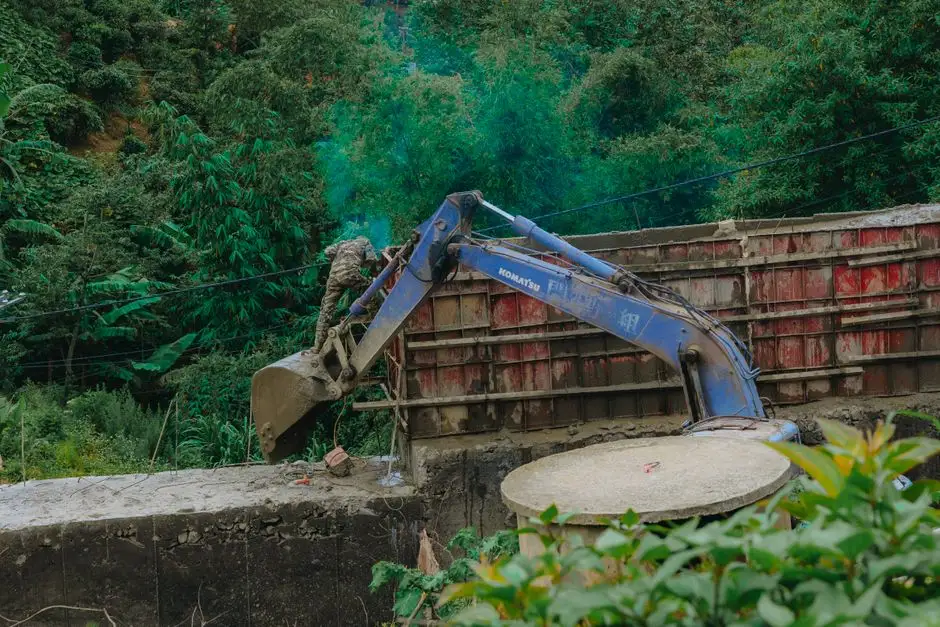
Wetland maintenance follows a predictable 25-year cadence, with year-by-year staffing requirements that an operations manager can plan around. Years 1–2 are establishment: heavy vegetation management, weekly inspections, weed control, and replanting of failed species. Years 3–10 are steady-state: routine cutting, monitoring, and minor repairs. Year 15 onward shifts to media assessment and partial replacement planning.
Labor-hours for routine maintenance scale with wetland type. FWS requires 200–400 person-hours per hectare per year — mostly vegetation cutting and mosquito/nuisance control. SSF runs 350–600 person-hours per hectare per year, with the higher figure reflecting buried-media inspection and pump station upkeep. VF is the most labor-intensive at 450–700 person-hours per hectare per year, because the dosing pumps, control valves, and intermittent flooding cycles demand regular checks (per EPA design manual and field-reported operator logs, 2026).
Vegetation management is the recurring consumable cost. Phragmites, Typha, and Scirpus require cutting or harvesting at the end of the growing season (September–October in temperate climates) to prevent channelization and maintain hydraulic distribution. Skipping this work is the single most common cause of long-term performance degradation in FWS systems. Sludge removal from the inlet forebay and outlet zone happens on a 5–10 year interval, costing $8–$20 per m² of wetland area per event. Full cell dredging at year 20–25 is a major capital event, but it is budgetable if the OPEX line includes a sinking-fund contribution.
| Year | Activity | Labor (person-hr/ha) | Notes |
|---|---|---|---|
| 1–2 | Establishment: planting, weeding, weekly inspection | 600–1,000 | Replant 10–20% of vegetation; monitor invasives |
| 3–10 | Steady-state: Phragmites/Typha cutting, mosquito control, forebay cleanout | 200–700 (by type) | Annual cut in Sept–Oct; forebay inspection every 2 yr |
| 5–10 | Sludge removal from inlet/outlet zones | 150–300 (event) | Cost $8–$20/m²; schedule one event in this window |
| 11–15 | Routine operations; media surface inspection | 250–700 (by type) | Watch for SSF/VF surface ponding (early clogging sign) |
| 15–20 | Media assessment, partial replacement planning | 300–500 (event) | Core samples in SSF/VF; hydraulic conductivity test |
| 20–25 | Full cell dredging or major media replacement | 800–1,500 (event) | $25–$60/m² for SSF/VF media; FWS dredging cheaper |
Media Replacement and the 20-Year Lifecycle Cost
Media replacement is the largest non-labor cost a wetland owner will face, and it is the one that catches undercapitalized projects off-guard. SSF and VF gravel-sand media have a 15–25 year service life under typical municipal secondary effluent loading; FWS bottom soil or peat lasts 20–30 years because it is not subject to the same biofilm-mineralization stresses (per EPA Constructed Wetlands Design Manual, 2026 update; EU LIFE programme post-construction reports).
Replacement cost in 2026 dollars runs $25–$60 per m² of bed area for SSF and VF, including excavation, screened media supply, reinstallation, and revegetation. Amortized over a 20-year service life, that is $1.25–$3.00 per m² per year — a number small enough to fold into a 20-year OPEX forecast without distorting the annual budget. FWS media replacement is rare and cheaper: $10–$25/m² if a bottom liner is replaced, typically only after 25+ years.
Clogging is the dominant failure mode for SSF and VF systems, and it is almost always preventable. Suspended solids above 30 mg/L in the feed stream accelerate pore blockage in gravel media; biofilm growth and mineral precipitation compound the problem. The engineering response is upstream solids reduction: a rotary mechanical bar screen for gross solids removal, followed by a lamella clarifier to drop TSS below the 30 mg/L threshold. Plants that skip this pretreatment train typically see media replacement come due at year 8–12 instead of year 20. For higher-strength industrial waste streams, a DAF pretreatment stage may be needed to handle fats, oils, and emulsified solids before the wetland.
Constructed Wetland vs MBR vs Activated Sludge: 2026 Cost Comparison
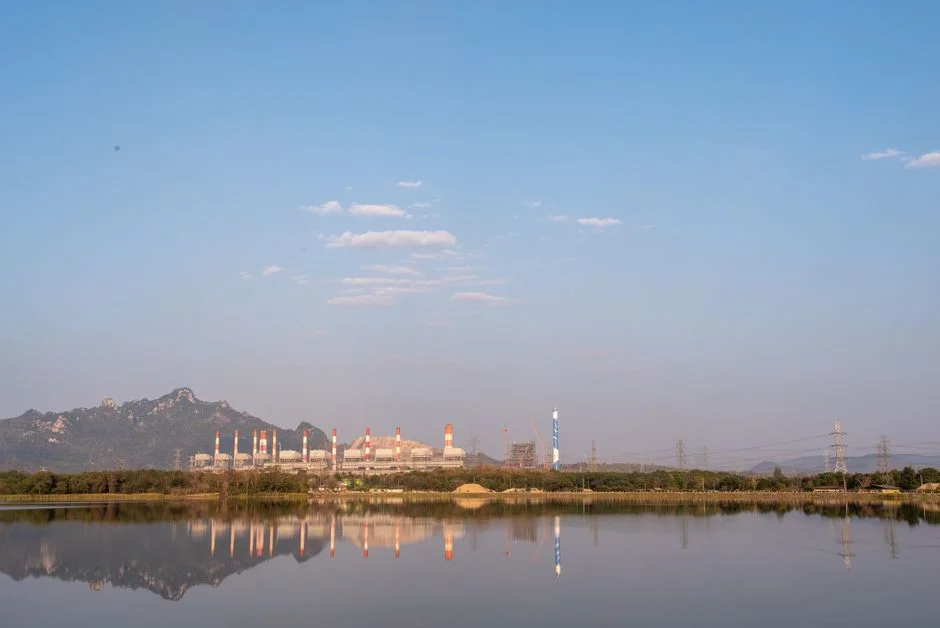
A head-to-head cost comparison is what closes a procurement meeting, and the wetland advantage on OPEX is large enough to be worth presenting even before the land-footprint caveat is discussed. The figures below are 2026 benchmarks for municipal secondary treatment at 1,000–10,000 m³/day capacity, drawn from US and EU utility disclosures and engineering cost databases.
On OPEX, constructed wetlands run $0.02–$0.18/m³ — lower than MBR by a factor of 5–10×, and competitive with or below conventional activated sludge (SBR or continuous-flow) at $0.10–$0.25/m³. The energy number is where the gap widens: wetlands consume 0–0.15 kWh/m³ versus 0.4–0.8 kWh/m³ for MBR and 0.3–0.5 kWh/m³ for activated sludge. Sludge production is 5–10× lower for wetlands (mostly captured in the forebay rather than continuously wasted), and operator skill requirements are correspondingly lower — a trained utility worker can run a wetland after a one-week handover, while MBR membranes require specialized membrane-cleaning protocols and periodic replacement.
CAPEX reverses the picture direction: wetlands win 3–10× over mechanical systems at the same hydraulic capacity. A 1-hectare FWS at $15–$40/m² is roughly $200,000–$400,000; an equivalent MBR at $250–$600/m² is $2.5M–$6M for the membrane bioreactor alone. The trade-off — and it is a real one — is land. A wetland needs 5–10× the footprint of an MBR for the same treatment capacity. For sites where land is cheap and available, the answer is usually wetland. Where land is constrained or contaminated, mechanical wins on footprint regardless of OPEX.
| Metric | Constructed Wetland | MBR (Membrane Bioreactor) | Conventional Activated Sludge / SBR |
|---|---|---|---|
| 2026 OPEX ($/m³) | $0.02–$0.18 | $0.45–$1.10 | $0.10–$0.25 |
| CAPEX ($/m²) | $15–$80 | $250–$600 | $120–$300 |
| Energy (kWh/m³) | 0–0.15 | 0.40–0.80 | 0.30–0.50 |
| Sludge production | Low (forebay capture) | Moderate (wasted daily) | High (wasted daily) |
| Operator skill | Low–moderate | High (membrane care) | Moderate |
| Land footprint | 5–10× mechanical | Baseline | Baseline × 1.2 |
| Effluent quality (BOD/TSS) | 10–20 mg/L | <5 mg/L | 15–30 mg/L |
When NOT to Choose a Constructed Wetland
Wetlands are not the right answer for every site, and naming the failure modes is part of giving a defensible recommendation. Four conditions reliably push a project back toward mechanical treatment.
Site area below 0.2 ha (roughly 0.5 acre) eliminates most wetland designs because hydraulic residence time and short-circuiting constraints cannot be met without subdividing into cells that no longer make economic sense. Hydraulic loading above 500 m³/day per hectare, or BOD loading above 110 kg/ha/day, pushes FWS systems into short-circuiting and channelization that degrades effluent quality — at that point, additional cells add cost faster than mechanical treatment would. Effluent ammonia targets above 85% removal in winter conditions (below 10 °C) are a hard limit: nitrification stalls in subsurface wetlands below 5 °C, and a VF or mechanical alternative is required. Urban infill sites, brownfields with soil contamination, and any location with liner-construction constraints typically fail the site-screening step on day one.
Frequently Asked Questions
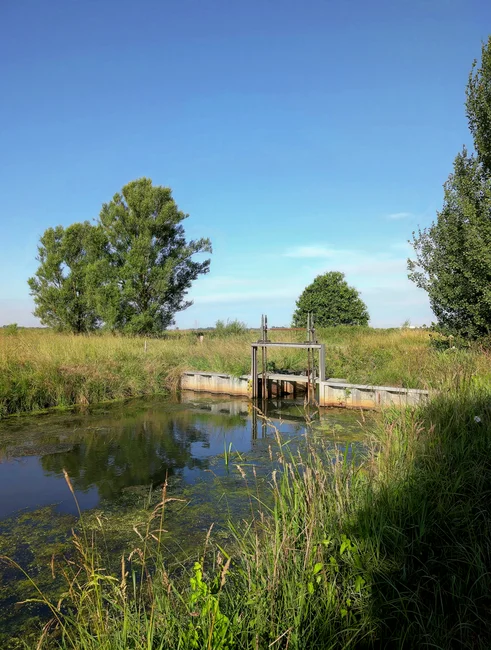
How much does it cost to maintain a constructed wetland per year? Routine maintenance runs $8,000–$28,000 per hectare per year for FWS, SSF, and VF systems respectively, which back-calculates to $0.02–$0.18 per m³ treated at typical municipal loading. Labor is 55–70% of that total.
How long does wetland media last before replacement? SSF and VF gravel-sand media lasts 15–25 years under standard municipal loading; FWS bottom soil or peat lasts 20–30 years. Upstream solids control to below 30 mg/L TSS is the single biggest factor in extending media life (per EPA design manual, 2026).
Do constructed wetlands need electricity? FWS wetlands need none — flow is gravity-driven. SSF and VF systems need pumping only, typically 0.05–0.15 kWh/m³, which is 3–10× less than MBR or activated sludge on an energy basis.
What is the cheapest constructed wetland to operate? FWS (free water surface) is the cheapest by a wide margin: no media replacement, no pumping, no dosing. OPEX typically lands at $0.02–$0.06/m³, the lower bound of the wetland range.
Can a constructed wetland treat industrial wastewater? Yes, with pretreatment. Documented applications include food processing (dairy, meat, vegetable washwater), textile dye removal, and landfill leachate polishing — typically with a 30–50% OPEX premium over municipal-strength loading and mandatory upstream solids and equalization management.