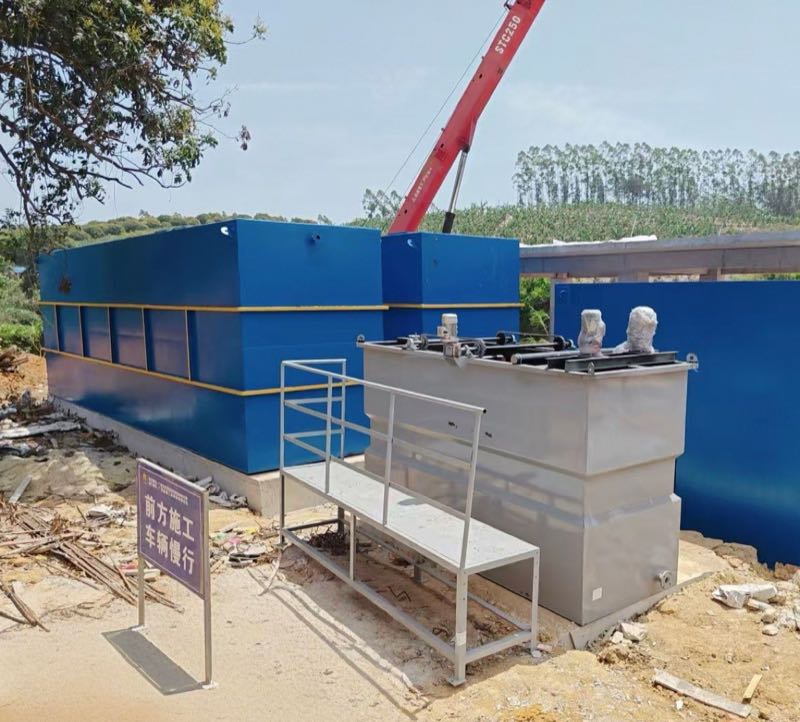
Why Queretaro Industrial Plants Need Specialized Wastewater Treatment
Queretaro's industrial corridor generates approximately 380,000 m³/day of manufacturing wastewater, with influent COD ranging 1,500–8,000 mg/L, TSS 500–3,000 mg/L, pH 6–10, and periodic oil/grease spikes up to 800 mg/L from metalworking lines (per 2025 Bajio CONAGUA hydrological bulletin). The El Marques–Apaseo el Grande automotive cluster alone, anchored by VW, GM, Toyota, and over 220 Tier-1/Tier-2 suppliers, produces effluent with high COD/TSS ratios that municipal POTWs in San Jose Iturbide and El Marques are increasingly rejecting at the discharge port.
Three sub-sectors drive distinct treatment requirements:
- Automotive (El Marques, San Luis Potosi corridor): High COD from phosphate cleaning baths (2,000–5,000 mg/L), oil/grease from stamping (200–800 mg/L), and heavy metals (Zn, Ni, Cr) from plating lines.
- Aerospace (Safran, Bombardier, GKN): Low-volume but high-COD streams with chrome sealants, aerospace solvents, and ultra-low FOG limits required for discharge.
- Food processing (Queretaro and Guanajuato dairy/meat clusters): High BOD (3,000–8,000 mg/L) and high FOG (500–2,000 mg/L), but low metals — drives a different process train.
Municipal POTWs in Queretaro now impose surcharges above 500 mg/L BOD and reject outright any discharge exceeding 1,500 mg/L COD. On-site pre-treatment has shifted from optional to mandatory for Bajio industrial facilities. CONAGUA reports groundwater depletion in the Bajio aquifer at 1.8 m/year (2025), driving NOM-014 reclamation standards that target >60% internal recycling — plants that cannot reuse treated effluent will face extraction-permit denials by 2027 (per CONAGUA Aquifer Bajio Report 2025-Q3).
NOM-001-SEMARNAT-2024: Discharge Limits Every Queretaro Plant Must Meet
NOM-001-SEMARNAT-2024, published in DOF on 2024-08-12, tightened daily-average and instantaneous discharge limits for industrial wastewater across Mexico. The 2024 revision reduced metals thresholds by 30–50% versus the 1996 standard, and for the first time differentiated average daily from instantaneous maxima at a 1.5x ratio for most parameters. Monthly self-monitoring reports (CMA) must be filed with CONAGUA, signed by an EMA-accredited lab — in Queretaro, ABC Analisis and Suelos y Aguas hold current EMA accreditation for NOM-001 testing.
The binding thresholds for Bajio industrial discharges:
| Parameter | Daily Average Max | Instantaneous Max | Notes |
|---|---|---|---|
| BOD | 75 mg/L | 112.5 mg/L | Reduced from 150 mg/L in 1996 standard |
| COD | 150 mg/L | 225 mg/L | New parameter in 2024 revision |
| TSS | 75 mg/L | 112.5 mg/L | Reduced from 150 mg/L |
| Oils & Grease | 25 mg/L | 37.5 mg/L | Critical for metalworking lines |
| Total Nitrogen | 40 mg/L | 60 mg/L | Drives biological nitrification design |
| Total Phosphorus | 30 mg/L | 45 mg/L | Chemical precipitation required for 80%+ removal |
| Lead | 0.5 mg/L | 0.75 mg/L | Tightened from 1.0 mg/L — relevant for aerospace/metal finishing |
| Cadmium | 0.1 mg/L | 0.15 mg/L | Tightened from 0.2 mg/L |
| Chromium (hexavalent) | 0.1 mg/L | 0.15 mg/L | Critical for aerospace facilities |
| pH | 5.5–10.5 | 5.0–11.0 | Range applies to both average and instantaneous |
SEMARNAT inspectors check both daily-average and instantaneous values. A plant meeting the 75 mg/L BOD daily average but spiking to 160 mg/L during a single shift will receive a citation. Buffer capacity of 25–30% below the instantaneous max is standard engineering practice for Bajio facilities (per 2025 industry guidance from Mexican Environmental Law Center).
Core Process Technologies for Bajio Wastewater: MBR, SBR, and DAF
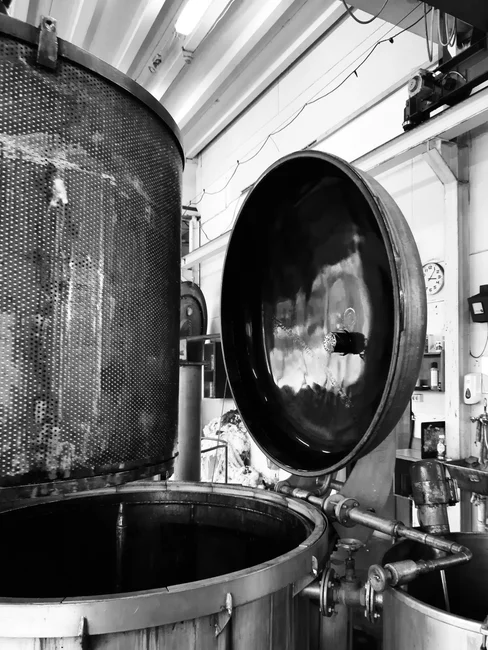
Three process trains dominate package-plant shipments to the Bajio: MBR for high-strength industrial streams, SBR for variable flow, and DAF as the necessary pretreatment for oil/grease and TSS reduction. Selection depends on influent profile, footprint, and the 2024 NOM-001 targets above.
MBR (Membrane Bioreactor): Submerged PVDF hollow-fiber membranes with 0.1–0.4 μm pore size operate at MLSS 8,000–12,000 mg/L, achieving COD <50 mg/L and TSS <5 mg/L in a single stage — well below the 150/75 mg/L NOM-001 limits (per HydropureWater engineering specs, 2026). MBR delivers 60% smaller footprint than conventional activated sludge, making it the default for Queretaro facilities where land cost runs $80–$150/m². The trade-off is energy: 0.8–1.4 kWh/m³ versus 0.4–0.6 kWh/m³ for SBR. For automotive and aerospace facilities with high COD and tight space, an integrated MBR membrane bioreactor system typically pairs with upstream DAF and downstream lamella clarification.
SBR (Sequencing Batch Reactor): Fill-react-settle-decant occurs in a single tank over an 18–30 hour HRT, delivering 85–95% COD removal without a separate clarifier. SBR handles 50–500 m³/day flows with high influent variability (food processing, batch manufacturing), and CAPEX runs 25–40% below MBR for equivalent capacity. The downside: larger footprint and stricter PLC control requirements for cycle timing.
DAF (Dissolved Air Flotation): Micro-bubbles of 20–80 μm lift oil/grease and suspended solids to the surface at surface loadings of 4–20 m³/m²/h. DAF must precede MBR/SBR when influent TSS exceeds 500 mg/L or FOG exceeds 200 mg/L — without it, membrane fouling quadruples within 30 days (HydropureWater field data, 2026). A DAF system with 0.3–0.5 MPa saturation pressure typically removes 85–95% of FOG and 70–90% of TSS in a single stage.
For TSS-only streams without FOG, a lamella clarifier delivers 50–70% TSS removal at 30–40% lower CAPEX than DAF, but cannot break emulsified oils common in metalworking effluent.
| Process | Footprint (m² per 100 m³/d) | Energy (kWh/m³) | Effluent COD (mg/L) | Effluent TSS (mg/L) | CAPEX ($/m³/d) |
|---|---|---|---|---|---|
| MBR (submerged) | 8–12 | 0.8–1.4 | <50 | <5 | $3,500–$6,000 |
| SBR | 20–35 | 0.4–0.6 | 50–100 | 20–40 | $2,200–$4,200 |
| DAF (pretreatment only) | 3–6 | 0.1–0.25 | N/A (pretreat) | 20–80 | $800–$1,800 |
| Lamella Clarifier (pretreatment only) | 4–8 | 0.05–0.1 | N/A (pretreat) | 50–150 | $400–$1,200 |
For automotive facilities with high-strength mixed streams, the standard train is DAF → MBR → lamella polish, with sludge dewatering via a plate and frame filter press delivering 22–28% dry solids cake (per HydropureWater field data, 2026).
Shandong Manufacturers vs Local Queretaro Integrators: A Cost Comparison
A 100 m³/day MBR plant for a Tier-2 automotive supplier in El Marques returns three quote categories that frame the buyer's decision. The data below draws from RFQ comparisons conducted by Bajio procurement managers in 2025-Q4 to 2026-Q1.
| Source | CAPEX (100 m³/d MBR) | Lead Time | On-site Response | OPEX ($/m³) |
|---|---|---|---|---|
| Shandong direct (HydropureWater, Grenorth, Qingdao Yimei) | $0.8M–$1.2M | 10–14 weeks | 2–4 days (engineer from Asia) | $0.18–$0.32 |
| Mexican local integrator | $1.4M–$2.2M | 14–20 weeks | 24–48 hours | $0.22–$0.38 |
| US/European OEM | $2.5M–$4.5M | 16–24 weeks | 48–72 hours | $0.28–$0.42 |
Shandong direct pricing reflects FOB Qingdao base equipment of $4,000–$8,000/set for 50–200 m³/day containerized MBR units (per Made-in-China verified supplier listings, 2026), plus $12K–$45K sea freight to Manzanillo per 40HC, plus 0% USMCA duty under HTS 8421.21 when accompanied by a certificate of origin. Local integrators in Queretaro typically resell or assemble Asian equipment with 1.5x–2.5x markup, but offer 2–4 week on-site response, Spanish-language O&M documentation as standard, and direct PROFEPA inspector relationships — a tangible value when audits hit.
OPEX converges across all three sources at $0.18–$0.42/m³, dominated by energy (45–55%), chemical dosing (15–20%), and membrane replacement (10–15% over 5–7 year life). The hidden cost in cross-border procurement runs 8–12% of CAPEX: 16% IVA, customs broker fees of $3K–$8K per shipment, IMNC certification for some electrical components, and mandatory Spanish-language manuals required by PROFEPA inspectors during commissioning audits (per 2025 Mexican customs brokerage benchmarks).
How to Vet a Cross-Border Wastewater Treatment Plant Supplier
A defensible 10-criteria evaluation rubric for any Asian WWTP supplier before issuing a PO. Use this in your next supplier audit call or factory visit:
- Compliance certifications: Factory ISO 9001:2015 and ISO 14001 minimum; ASME U-stamp for pressure vessels; CE/NSF test data as NOM equivalents (NOM compliance itself is buyer's responsibility).
- In-house process design: Not a trading company — confirm employed process engineers and CFD/biokinetic modeling capacity. Request a sample mass-balance calculation for your specific influent.
- Reference installations in Mexico or LATAM: A minimum of three operating references in the last 36 months at similar COD/FOG loads; verify via site visit or video call.
- Spanish-language documentation: O&M manuals, electrical drawings in NMX-J style, PLC HMI in Spanish — many Asian vendors default to English/Chinese and require explicit contractual language.
- Container-loading experience: Confirmed 40HC loading plans for integrated MBR + DAF + sludge dewatering; verified Manzanillo or Lazaro Cardenas port familiarity.
- Spare parts consignment: Stocked membrane modules, blower rebuild kits, and dosing pump spares in Queretaro or Mexico City — minimum 5% of CAPEX value held locally.
- Commissioning team: Bilingual process engineer available on-site in Bajio for minimum 14 days; operator training (40 hours) included before handover.
- Response SLA: 48-hour written response time for technical queries; 7-day on-site mobilization for warranty claims.
- Financial stability: Audited financials for the last two fiscal years; minimum 3 years in WWTP manufacturing specifically (not general environmental equipment).
- Warranty terms: Minimum 12 months mechanical, 24 months membrane; clear exclusions for influent excursions documented in writing.
For deeper selection criteria on matching process to industry, see the industrial wastewater treatment equipment selection guide.
Cross-Border Procurement Checklist: From RFQ to Commissioning
Realistic project schedule for a 100–500 m³/day MBR plant sourced from Shandong for a Queretaro facility:
- RFQ issued to 3–5 vendors (week 0)
- Technical evaluation and shortlist (weeks 1–4)
- Factory audit — typically Qingdao or Weifang (week 5, plus 1 week travel)
- PO + 30% deposit (week 6)
- Engineering and P&ID development (weeks 7–12)
- Fabrication and Factory Acceptance Test (weeks 13–18)
- Sea freight Qingdao → Manzanillo (weeks 19–22)
- Customs clearance and inland transport to Bajio (weeks 23–24)
- On-site installation and civil works (weeks 25–28)
- Commissioning, performance testing, operator training (weeks 29–31)
For first-time cross-border buyers, CIF Manzanillo is the recommended Incoterm — the vendor handles ocean freight and insurance, reducing documentation burden. DDP Queretaro only makes sense for buyers with established import operations and a customs broker under retainer. Customs classification is HTS 8421.21 (filtering or purifying machinery for water), which carries 0% duty under USMCA with a valid certificate of origin; if misclassified as 8421.11 (centrifuges), duty jumps to 10% (per 2025 Mexico tariff schedule, DOF 2024-12-15).
Required documents at customs: pedimento de importación, certificate of origin, NOM compliance affidavit (buyer-signed), Spanish-language packing list, and bill of lading. PROFEPA will request the NOM affidavit at commissioning inspection, not at import — but the document must reference the specific plant serial numbers. For a detailed ROI model on a US-similar installation, reference the MBR system cost and ROI engineering guide. For DAF vs alternative pretreatment trade-offs, the DAF oil water separator comparison provides process-by-process CAPEX and compliance data.
Frequently Asked Questions
What is the typical CAPEX for a 200 m³/day wastewater treatment plant in Queretaro? A containerized MBR plant sourced direct from Shandong runs $0.8M–$1.2M, versus $1.4M–$2.2M from a local Mexican integrator, and $2.5M–$4.5M from US/European OEMs (2026 pricing).
How long does it take to ship a WWTP from China to Queretaro? Total project cycle is 28–32 weeks including RFQ, fabrication, sea freight (3–4 weeks Qingdao to Manzanillo), customs clearance, and on-site commissioning — 10–14 weeks faster than typical local integrator schedules from PO to handover.
What is the import duty on wastewater treatment equipment from China to Mexico? 0% under HTS 8421.21 with a valid USMCA certificate of origin, provided the equipment is classified as filtering or purifying machinery for water; misclassification as 8421.11 (centrifuges) raises the duty to 10%.
Do Asian wastewater treatment plants meet NOM-001-SEMARNAT-2024 discharge limits? Yes, when properly specified. An MBR system delivers COD <50 mg/L and TSS <5 mg/L — well below the 150/75 mg/L NOM-001-SEMARNAT-2024 daily-average limits — but NOM compliance is the buyer's legal responsibility regardless of supplier.
Can treated wastewater be reused for industrial processes in Queretaro? Yes, under NOM-014 reclamation standards the Bajio permits >60% internal recycling for cooling tower makeup, boiler feed (with RO polish), and landscape irrigation — a 2026 priority given CONAGUA reports 1.8 m/year aquifer depletion in the region.