What Is a CASS Process and Why Its Spare-Parts Profile Is Different
A Cyclic Activated Sludge System (CASS) is a Sequencing Batch Reactor (SBR) variant that runs biological reaction, settlement, and supernatant decanting inside a single tank across a repeating fill–react–settle–decant–idle cycle. Because the same basin performs four duties that a conventional activated-sludge plant spreads across aeration tanks, clarifiers, and RAS pumping, the equipment count per cubic metre of treatment capacity is lower — but the decanter, aerator membranes, and instrumentation per tank are concentrated, which produces wear patterns distinct from continuous-flow plants. CASS occupies a mainstream mid-flow slot in the global industrial wastewater market, which reached roughly $390 billion in 2026 with a 6.8% CAGR. Compared to an MBR, a CASS train eliminates membrane modules and their replacement cost, but shifts more service load onto the decanter, blowers, and diffuser membranes. Compared to a conventional SBR, CASS adds a selector zone and typically a more robust decanter, but the consumables envelope (polymer, defoamer, carbon source) is broadly the same. The scope of this article is a 10,000 m³/day reference plant, covering mechanical spares, instrumentation, and chemical consumables only — civil works, energy, and labour are excluded so the OPEX lines remain directly comparable across suppliers.
Spare Parts Cost Breakdown: What Fails, How Often, and What It Costs
Spare parts account for 55–65% of the annual OPEX of a CASS plant because most CASS components are long-life but expensive when they fail. Build your budget line by line: match each part to its typical service life and unit cost, then annualise against a 10,000 m³/d plant. The table below consolidates the part-level numbers, and the prose that follows explains the failure drivers behind each line.
| Component | Typical service life | Unit cost (USD) | Annualised cost (10,000 m³/d plant) | Failure driver |
|---|---|---|---|---|
| Decanter assembly (turntable or floating weir) | 7–10 years | $8,000–$25,000 | $1,000–$3,500 | Bearing wear, seal fatigue, scum carryover |
| Decanter bearings and seals | 2–3 years | $1,500–$3,500 per service | $700–$1,500 | Continuous rotation during decant phase |
| Fine-bubble disc/membrane diffusers | 2–3 years | $1,200–$2,500 per set | $5,000–$12,000 | Tear, scaling, biofouling |
| Blower intake air filters | 12 months | $200–$450 each | $400–$900 | Dust load, outdoor intake |
| Blower package (PD or turbo) | 8–12 years | $15,000–$45,000 | $2,500–$5,500 (CAPEX amortised + annual parts) | Bearing failure, surge damage |
| Blower bearings, seals, V-belts | 1–2 years | $800–$2,200 per service | $800–$2,200 | Continuous run hours, vibration |
| DO, pH, ORP probes | 18–24 months | $600–$1,400 each | $2,500–$6,000 (6 probes) | Membrane fouling, reference drift |
| MLSS and level probes | 24–36 months | $800–$1,800 each | $1,500–$3,500 (3 probes) | Coating, optical window fouling |
| Submersible mixer seals | 3–4 years | $400–$900 per seal | $600–$1,500 (3–4 mixers) | Run-dry events, oil leak |
| Motorised valves | 5–7 years | $1,500–$4,000 | $1,200–$3,000 | Actuator wear, seat erosion |
| Progressing cavity sludge pump rotors | 3–5 years | $1,200–$2,800 | $1,500–$3,500 | Abrasive sludge, run-dry |
Across these lines, expect $45,000–$115,000 per year in mechanical and instrumentation spares for a 10,000 m³/d plant, with the diffuser set and the probe population the two highest-frequency spend categories. Diffusers fail fastest because the CASS react phase keeps them pressurised and aerating for 60–70% of every cycle, accelerating membrane fatigue and mineral scaling — which is why polymer dosing optimisation guide strategies that cut mixed-liquor fouling load pay back faster in a CASS than in any continuous-flow design.
Consumables Cost Breakdown: Chemicals, Buffers, and Sludge Handling
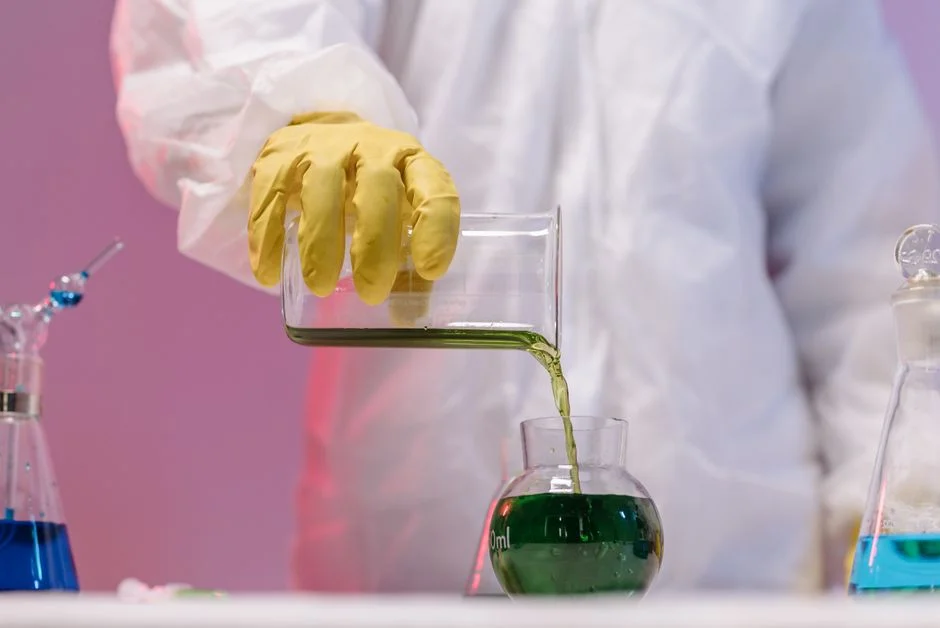
Consumables are the line items that get used up rather than worn out, and they make up 35–45% of the annual OPEX for a 10,000 m³/d CASS plant. Polymer for sludge dewatering is almost always the largest single consumables line, and the table below shows how the rest of the bucket stacks up.
| Consumable | Usage rate | Unit cost | Annual cost (10,000 m³/d) | Driver / when it applies |
|---|---|---|---|---|
| Cationic/anionic polyacrylamide (PAM) | 3–8 kg per dry ton solids | $3.50–$6.50/kg | $18,000–$44,000 | Sludge thickening/dewatering, every plant |
| External carbon (methanol or glycerol) | 2–5 mg COD per mg N denitrified | $0.45–$0.90/kg | $0–$30,000 | Only when influent C/N ratio is low (< 4:1) |
| Defoamer / antifoam (silicone or fatty alcohol) | 1–5 mg/L in foaming basins | $4–$8/kg | $0–$9,000 | Food, textile, landfill leachate streams |
| Probe buffers, electrolyte, cleaning solution | 52–156 fills per probe per year | $15–$40 per refill | $1,500–$3,500 | Every plant, scales with probe count |
| Aeration CIP chemicals (citric or formic acid + NaOCl) | 2–4 cleaning cycles per year | $0.80–$1.50/L | $2,000–$5,000 | Hard water or high-surfactant influent |
| Sludge hauling off-site | 0.3–0.6 wet tons per 1,000 m³ treated | $30–$80 per wet ton | $8,000–$22,000 | Plants without on-site dewatering |
For a plant that does have on-site dewatering, hauling drops to near zero and the polymer line dominates the consumables bucket entirely. Optimising the dewatering step with an automatic polymer dosing system typically cuts PAM consumption by 20–40%, which is the single largest consumables savings lever any CASS operator controls. A sludge dewatering filter press paired with that dosing system is what physically turns the polymer spend into drier cake and lower tonnage hauled.
Annual OPEX per m³: A Consolidated 2026 Cost Model
Pulling the two preceding sections together, a 10,000 m³/day CASS plant spends $80,000–$180,000 per year on spare parts and consumables combined, or $0.022–$0.049 per cubic metre treated. The table below is the artefact to drop into an RFQ or internal budget — every line ties back to a part, a chemical, and a replacement interval stated earlier in the article.
| OPEX line | Annual cost (10,000 m³/d) | Per m³ treated | Share of total |
|---|---|---|---|
| Spare parts subtotal (mechanical + instrumentation) | $45,000–$115,000 | $0.012–$0.032 | 55–65% |
| Consumables subtotal (chemicals, buffers, hauling) | $30,000–$65,000 | $0.008–$0.018 | 35–45% |
| Combined spares + consumables | $80,000–$180,000 | $0.022–$0.049 | 100% |
For comparison, the SBR operating-cost guide for meat processing pegs total SBR OPEX at $0.12–$0.45 per m³ once energy and labour are included. CASS sits in the lower half of that range because the batch cycle keeps aeration runtime short relative to COD removed, and because there is no membrane-replacement cost. Sensitivity check: every 100 mg/L rise in influent TSS adds roughly $0.002 per m³ to combined polymer and sludge-disposal cost, so influent characterisation matters as much as the equipment list when sizing a budget. The full 2026 meat-processing SBR figure is benchmarked in the SBR operating-cost guide for meat processing.
Procurement Strategy: Stocking, OEM vs Aftermarket, and Lead Times
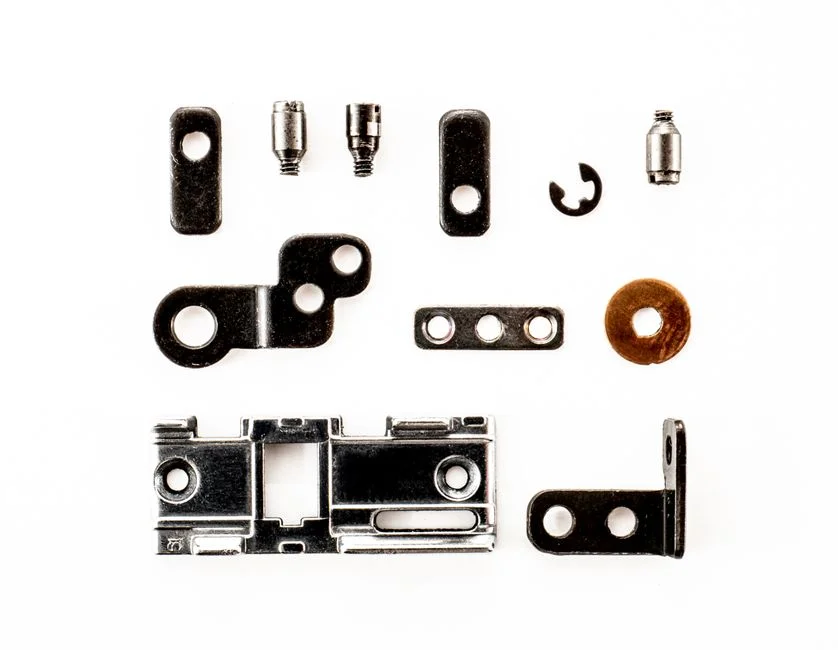
A 2026 stocking policy that works for most 5,000–20,000 m³/d CASS plants looks like this: keep DO/pH/MLSS probes, decanter seals, blower V-belts, and mixer seals on the shelf (each under $2,000 and each capable of stopping a tank if it fails). Hold decanters, full aerator membrane sets, and complete blowers on-call with 4–6 week supplier lead time, because they are expensive and rarely fail without warning. On OEM versus aftermarket, OEM diffuser membranes typically last 20–30% longer than aftermarket equivalents but cost 40–80% more per set; the payback favours OEM on critical tanks and aftermarket on buffer or polishing reactors. A defensible budget rule is 4–6% of CASS CAPEX per year for spares plus 2–3% for consumables, which lines up with the consolidated OPEX table. Plants under 5,000 m³/d usually find that a $6,000–$12,000 annual service contract pays back in avoided decanter and blower downtime, while larger plants recover more value running an in-house maintenance team supplemented by OEM retainer. For a peer benchmark on spare-parts-driven OPEX in a different technology stack, the electrodialysis OPEX breakdown covers membrane-stack replacement intervals in the same budget format.
How Integrated Design Choices Lower the Spare-Parts and Consumables Burden
The fastest way to drop both spares and consumables OPEX is upstream — reduce the contaminant load before it reaches the CASS basin. A DAF pre-treatment system ahead of the biological stage removes 70–90% of suspended fats, oils, and floatable solids, which directly extends diffuser membrane life by cutting fouling rate and reduces defoamer consumption in foaming food and leachate streams. Pairing that with an automatic polymer dosing system tuned to real-time solids loading trims 20–40% off the largest consumables line, PAM, and protects the downstream sludge dewatering filter press from polymer overdose shock loads. Where effluent quality demands a tighter suspended-solids envelope than CASS alone can deliver, an MBR bioreactor system is the usual step-up — at the cost of adding membrane modules to the spares list, which is why most 2026 buyers treat CASS and MBR as alternatives rather than as a default stack.
Frequently Asked Questions
What does a 10,000 m³/day CASS plant spend on spare parts and consumables per year?
A 10,000 m³/day industrial CASS plant typically spends $80,000–$180,000 per year on spare parts and consumables combined, or $0.022–$0.049 per m³ treated. Spare parts account for 55–65% of that total and consumables for 35–45%, with polymer dosing the largest single consumables line in most plants.
How often do fine-bubble diffuser membranes need replacing in a CASS reactor?
Fine-bubble disc or membrane diffusers in a CASS reactor need replacement every 2–3 years, at a cost of $1,200–$2,500 per set. Plants treating hard water or high-surfactant wastewater may see the lower end of that interval; well-maintained plants with DAF pre-treatment typically reach the upper end.
What is the typical replacement interval for DO, pH, and MLSS probes on a CASS plant?
DO, pH, and ORP probes in a CASS plant are typically replaced every 18–24 months at $600–$1,400 each, while MLSS and level probes last 24–36 months at $800–$1,800 each. Calibration buffers, electrolyte fills, and cleaning solutions add $1,500–$3,500 per year for a 6–10 probe population.
How much does polymer (PAM) cost per cubic metre of wastewater treated?
Cationic or anionic polyacrylamide for sludge dewatering costs $0.005–$0.012 per m³ treated in a typical CASS plant, translating to $18,000–$44,000 per year for a 10,000 m³/d facility. Optimised dosing via an automatic polymer dosing system can cut this line by 20–40%.
Should CASS plants buy OEM or aftermarket spare parts?
OEM diffuser membranes last 20–30% longer than aftermarket equivalents but cost 40–80% more per set, so OEM is justified on critical tanks while aftermarket is acceptable for non-critical wear parts such as gaskets, seals, and V-belts. Probes, blower bearings, and decanter wear components are best sourced OEM because failure directly compromises treatment compliance.