Why Seafood Wastewater Plants Are Priced Differently
A seafood processing wastewater treatment plant in 2026 costs $80,000–$3,000,000 in CAPEX and $0.18–$0.55 per m³ in OPEX, depending on flow rate and discharge tier. A 200 m³/day DAF + MBR plant meeting Class I discharge in China or EU inland waters runs $320,000–$480,000; a 1,000 m³/day DAF + MBBR + RO reuse system runs $1.8M–$2.6M. Salt-corrosion-resistant materials (FRP or SS316) and odor covers add 8–15% to CAPEX but are non-negotiable for seafood effluent.
Three quotes for the same 200 m³/day seafood plant commonly span $80,000 to $2.5M — a 30× spread that has nothing to do with supplier margin and everything to do with scope. The low bid omits screening, sludge dewatering, or material upgrades; the high bid includes full Class I-A biological treatment with SS316 internals. The reason this gap is so wide: seafood effluent is not generic industrial wastewater.
Typical seafood processing effluent carries BOD 800–2,500 mg/L, COD 1,500–4,000 mg/L, TSS 400–1,200 mg/L, oil and grease 200–800 mg/L, total nitrogen 100–300 mg/L, and salinity 0.5–3.5% from canning brines, fish-cleaning lines, and thaw-water streams (HydropureWater field data, 2026). Compare this against municipal sewage at BOD 200–400 mg/L and oil and grease under 50 mg/L — seafood effluent is 4–8× stronger in organics and carries 10–20× the oil load. Generic "made-in-china" package listings at $7,000–$7,700 per set (per Made-in-China 2026 listings) are sized for domestic sewage, not for blood, scales, and brine.
Hydraulic sizing — not organic loading — sets the cost. Peak-season throughput in a tuna cannery or surimi plant routinely hits 2–3× average daily flow, and the equalization tankage, pump capacity, and biological-reactor hydraulic retention time must be sized to that peak (per Louisiana State University extension, Zachritz 1991). A plant designed for the average will wash out biologically during the salmon or shrimp run. Finally, chlorides in brining and cleaning attack carbon steel at rates of 0.3–1.0 mm/year; only FRP, SS316, or duplex stainless wetted parts survive 10+ years in this service. Carbon-steel bids run 20–30% cheaper at the signing and corrode through within 3–5 years.
What Goes Into a Seafood Wastewater Treatment Plant
A correctly scoped seafood plant runs five process stages and 5–7 unit operations; bids showing only 2–3 should be flagged as incomplete on the spot. The table below maps each stage to its equipment, its typical removal efficiency, and the line item that often gets cut from a low-ball quote.
| Stage | Unit Operation | Function | Typical Removal / Performance | Common Scope-Cut |
|---|---|---|---|---|
| 1. Pre-treatment | GX series rotary mechanical bar screen (3–5 mm aperture) + grit chamber | Remove scales, fins, shells, packaging debris | Protects downstream pumps and membranes from ragging | Omitted to save $8K–$15K; causes ragging within 3 months |
| 2. Primary clarification | Dissolved air flotation system | Oil/grease and floatable solids removal | 80–95% oil/grease; 60–80% TSS (per Lenox Institute chapter on seafood wastewater DAF pre-treatment) | Replaced with a simple settling tank; drops O/G removal to 30–40% |
| 3. Biological treatment | MBR, MBBR, or SBR | Dissolve BOD, COD, ammonia | COD 50–100 mg/L effluent depending on configuration | Under-sized reactor volumes to cut tankage cost |
| 4. Polishing / disinfection | Chlorine dioxide (ClO₂) or RO membranes | Pathogen kill or water reuse | Reuse-grade TDS <50 mg/L with RO | Replaced with no disinfection; fails food-safety audit |
| 5. Sludge handling | Plate-and-frame filter press | Dewater DAF scum + bio-sludge to <65% moisture | Cake solids 30–40% | Skipped; liquid sludge hauled at 4–5× the disposal cost |
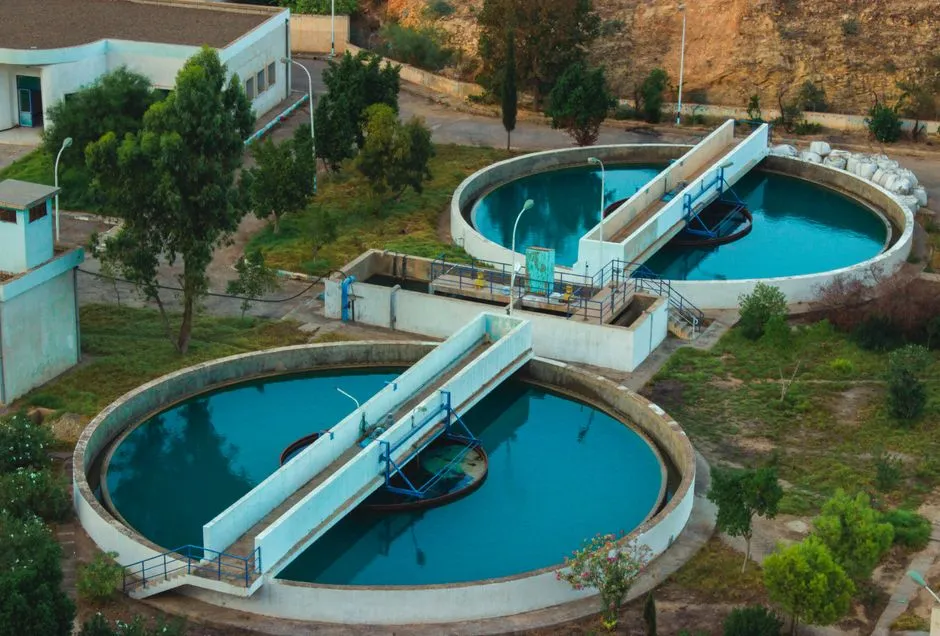
The DAF stage is non-negotiable for seafood effluent. Micro-bubble flotation physically lifts emulsified oils and finely divided suspended solids that gravity settling cannot capture — and the recovered scum (typically 5–10% of influent volume) feeds directly to the filter press. Downstream, the choice between MBR and MBBR is governed entirely by the discharge standard the plant must meet: MBR for COD ≤50 mg/L and NH₃-N ≤5 mg/L; MBBR for COD ≤100 mg/L and NH₃-N ≤15 mg/L. RO polishing only enters the scope when the plant reuses its effluent for fish washing, boiler feed, or non-food-contact cleaning, and that single decision typically doubles the OPEX line for membrane replacement.
2026 Price Breakdown by Flow Rate and Process Configuration
The table below is the core deliverable: 2026 CAPEX and OPEX bands cross-referenced by flow tier and process configuration, in USD. These ranges reflect current 2026 equipment and installation pricing for Asia-Pacific builds; Southeast Asia and Latin America typically land 15–25% below China-domestic equipment pricing but 10–20% above on installation labor due to smaller local fabrication bases (HydropureWater field data, 2026).
| Flow Tier | Typical Plant Size | Process Configuration | Discharge Target | CAPEX (USD) | OPEX (USD/m³) |
|---|---|---|---|---|---|
| Micro (10–50 m³/day) | On-site seafood restaurants, small filleting lines | Containerized integrated MBR membrane bioreactor system | Coastal Class II / Vietnam QCVN 40 | $80,000–$150,000 | $0.40–$0.55 |
| Small (50–200 m³/day) | Single-line processors, shrimp peeling | DAF + MBBR | Coastal Class II / Vietnam coastal B | $220,000–$380,000 | $0.30–$0.42 |
| Mid (200–500 m³/day) — the 200 m³/day sweet spot | Regional processors, fish-canning lines | DAF + MBR | China Class I / EU inland | $320,000–$480,000 | $0.25–$0.40 |
| Mid-High (500–1,000 m³/day) | Multi-line processors, surimi plants | DAF + MBBR + MBR (no RO) | China Class I-A / EU sensitive waters | $850,000–$1,500,000 | $0.22–$0.32 |
| Large (1,000–2,000 m³/day) | Industrial cannery, integrated surimi facility | DAF + MBR + RO reuse | Reuse for washing/boiler feed | $1,200,000–$3,000,000 | $0.18–$0.30 |
| Mega (>2,000 m³/day) | Seafood industrial parks, centralized treatment | Multi-stream DAF + MBR + RO + sludge drying | Reuse + Class I-A | $3,000,000–$8,000,000+ | $0.15–$0.25 |
A practical example illustrates the configuration decision: a 200 m³/day shrimp processor discharging to a Class I inland river in southern China should be looking at a DAF + MBR plant in the $320,000–$480,000 CAPEX band. The same plant built as DAF + MBBR for Vietnamese coastal B discharge drops to $220,000–$320,000 — a real $100K saving if the receiving water allows it. A DAF + SBR (sequencing batch reactor) configuration is viable only for small, low-load, coastal-discharge applications and rarely justified above 100 m³/day due to the larger tankage footprint and batch-cycle inefficiencies. SBR typically loses to MBBR on footprint and to MBR on effluent quality for the same flow tier.
Be cautious with the micro tier: containerized MBR packages under $80,000 are almost always residential-grade units with 0.1–0.5 mm flat-sheet membranes unsuited to the 800–2,500 mg/L BOD and 0.5–3.5% salinity of seafood effluent. Membrane fouling rates in that mismatch run 3–5× design and CIP cycles will be monthly rather than quarterly.
Discharge Standards That Drive Equipment Selection
The same 200 m³/day plant cannot legally serve all destinations — the receiving water and jurisdiction fix the process train, and therefore the price. Five governing standards cover the markets a Southeast Asian or Latin American seafood exporter is most likely to face:
| Standard / Jurisdiction | Receiving Water | COD Limit | BOD Limit | NH₃-N Limit | Oil & Grease / TSS | Minimum Process Train |
|---|---|---|---|---|---|---|
| China GB 18469-2008 Class I | Inland surface water | ≤100 mg/L | ≤20 mg/L | ≤15 (NH₃-N), ≤25 (TN) | ≤10 mg/L O/G; ≤70 mg/L TSS | DAF + MBR + tertiary |
| China GB 18469-2008 Class II | Coastal marine water | ≤150 mg/L | ≤30 mg/L | ≤20 mg/L | ≤15 mg/L O/G; ≤150 mg/L TSS | DAF + MBBR |
| EU UWWTD 91/271/EEC (food sector equivalent) | Inland / sensitive waters | ≤125 mg/L | ≤25 mg/L | — | Total P 1–2 mg/L | DAF + MBR or MBBR + P removal |
| US EPA 40 CFR Part 408 (seafood processing) | Direct discharge | — | ≤50 mg/L | — | ≤50 mg/L TSS; ≤10 mg/L O/G; pH 6–9 | DAF + biological + filtration |
| Vietnam QCVN 40:2011/BTNMT (industrial, coastal B) | Coastal discharge | ≤150 mg/L | ≤50 mg/L | ≤30 mg/L | ≤50 mg/L TSS; ≤10 mg/L O/G | DAF + MBR or MBBR |
The practical implication is immediate. A $320K DAF + MBR plant bid in the table above is correct for Chinese Class I and EU inland — but it is over-spec for Vietnamese coastal B, where the same influent can be treated to compliance by a $220K DAF + MBBR plant, leaving the buyer with $100K of spare capacity for future line expansion. The supplier who anchors the bid to a discharge destination without naming the standard in writing is the supplier most likely to over-sell you equipment. A complete bid references the exact clause, the exact limit, and a performance bond tied to it. For broader global limit context, the global total nitrogen discharge limit standards for 2026 provide a useful cross-reference, since TN limits (rather than ammonia alone) increasingly drive the MBR vs MBBR decision in sensitive inland watersheds.
Operating Costs Most Buyers Underestimate
A well-run 200 m³/day seafood plant with DAF + MBR lands in an OPEX band of $0.25–$0.40/m³. Plants quoting below $0.18/m³ are omitting sludge disposal, membrane replacement, or both. The line items below are what convert a "cheap" plant into an expensive one over a 5-year horizon.
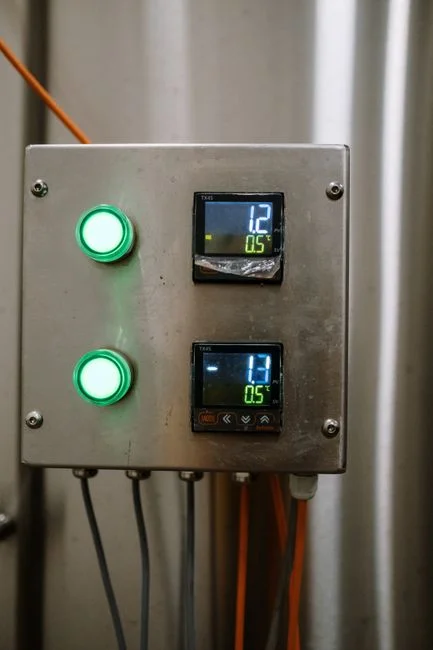
Electrical is the largest single line and the one most sensitive to configuration. MBR-dominated plants spend $0.06–$0.12/m³ on power because membrane aeration alone draws 0.3–0.5 kWh/m³ of coarse-bubble air; MBBR-only plants run $0.03–$0.06/m³ thanks to lower air demand (HydropureWater field data, 2026). Chemicals — PAC coagulant, PAM flocculant, pH adjusters, and ClO₂ for disinfection — typically run $0.04–$0.08/m³ combined on high-oil seafood effluent, with the DAF stage consuming 60–70% of the total. Membrane replacement for MBR modules every 5–8 years amortizes to $0.02–$0.05/m³ over the cycle; SS316-framed PVDF or PES modules from major suppliers fall in this range. Sludge disposal at $40–$80 per wet ton for dewatered cake (≤65% moisture) translates to $0.05–$0.10/m³ for high-oil seafood effluent — the single most underestimated line item, because the cake volume scales with both DAF scum yield and biological yield. Labor and routine maintenance for a fully automated PLC-controlled plant run 0.5–1.5 FTE depending on shift coverage, or roughly $0.03–$0.08/m³ at 2026 Southeast Asian technician rates. The detailed line-by-line build is laid out in the food processing wastewater OPEX breakdown for 2026.
Seafood-Specific Engineering Risks That Affect Real Price
Five risk categories separate a legitimate seafood-plant bid from a generic industrial-wastewater quote dressed up with seafood marketing. The table below is the checklist to run against any incoming bid before price comparison.
| Risk Category | What to Check in the Bid | Acceptable Specification | Cost Impact if Omitted |
|---|---|---|---|
| Material selection | Wetted-part material certificates for tanks, pipes, valves, diffusers, and MBR frames | SS316, FRP, or duplex stainless for brine contact; carbon steel only for non-contact structural frames | 20–30% cheaper CAPEX now; tank replacement in 3–5 years |
| Odor control | Biofilter or activated-carbon scrubber on DAF, equalization, and sludge handling | Enclosed vessels + H₂S/amine scrubbing sized to 50–200 mg/m³ inlet H₂S | $15K–$45K CAPEX; mandatory near residential zones |
| Hydraulic surge | Equalization tank volume and pump capacity | Tank sized for 2–3× peak hourly flow; pumps rated for 2× ADWF | $25K–$80K; biological washout during canning season |
| Temperature tolerance | Cooling provisions for 25–35°C effluent in tropical climates | Reactor design MLVSS/HRT compensation or heat-exchanger pre-cool | Poor nitrification in summer; ammonia limit breach |
| Automation | PLC with remote monitoring, SCADA, or remote telemetry | Allen-Bradley / Siemens PLC + 4G/5G telemetry; pH, DO, MLSS, flow instrumentation | $8K–$25K extra; 2–3 year payback via reduced FTE |
Carbon-steel bids are the most common trap. A bid that lists "Q235 carbon steel with epoxy coating" for the equalization tank or DAF tank in a 2.5% salinity shrimp line will save $40K–$90K on the signing but the coating fails within 18–24 months and pitting perforation follows within 3–5 years. The supplier knows this; the buyer often does not. Demanding the SS316/FRP certificates in writing before contract signature is non-negotiable. For chemical conditioning, a properly spec'd automatic chemical dosing system is what keeps the DAF stage at 80–95% O/G removal rather than drifting down to 50–60% under manual dosing. For solids handling, a plate and frame filter press for sludge dewatering is the standard pairing with both DAF scum and bio-sludge streams; bidders that omit it should be asked where the liquid sludge is going and at what daily hauling cost.
How to Evaluate a Seafood Wastewater Plant Quote
Apply this 12-question scorecard to every bid. Each question has a clear pass/fail threshold. Two or more failures = reject the bid regardless of price.
| # | Question | Pass | Fail |
|---|---|---|---|
| 1 | Does the PFD show all five stages? | Screening → DAF → biological → disinfection → sludge dewatering | Missing DAF or sludge handling |
| 2 | Are material certificates specified for wetted parts? | SS316 / FRP / duplex certificates named in the offer | Only "anti-corrosion coating" listed |
| 3 | What influent basis is the design sized for? | BOD ≥1,500 mg/L; O/G ≥300 mg/L; salinity 0.5–3.5% | Lower assumptions; under-sized plant |
| 4 | Is a discharge guarantee in writing? | COD, BOD, NH₃-N, O/G values bonded; 5–10% performance bond | "Designed to meet" without numbers |
| 5 | Is a 5-year OPEX model provided? | Line items for power, chemicals, membranes, sludge, labor | No OPEX disclosure or single-line number |
| 6 | Are seafood-specific references available? | ≥2 seafood installations in operation ≥2 years; site visit offered | Only municipal or generic food references |
| 7 | What is the lead time? | 14–22 weeks fabrication + 4–8 weeks installation for 100–500 m³/day | Promises <8 weeks; unrealistic for fabricated tankage |
| 8 | What is the warranty? | 12–24 months on equipment; 60+ months on tanks | ≤12 months on tanks; no membrane warranty |
| 9 | Is equalization sized for peak season? | 2–3× ADWF capacity, with mixing and odor cover | Single ADWF tank; no mixing |
| 10 | Is odor control included? | Biofilter or carbon scrubber on DAF and sludge | Open tanks; no scrubbing |
| 11 | What is the automation level? | PLC + remote monitoring/SCADA; sensors for pH, DO, MLSS, flow | Manual valves, local gauges only |
| 12 | Is the supplier willing to carry a performance bond? | 5–10% bond tied to discharge compliance over 12 months | Refuses or offers <2% |
Question 11 deserves a closer look. Plants with remote monitoring systems for chemical wastewater plants cut non-compliance events by 60–80% and reduce FTE requirements by 0.5–1.0 head, which on a 200 m³/day plant pays back the $8K–$25K automation premium within 2–3 years. A supplier that refuses remote telemetry is signaling that they do not want their performance measured continuously — that is a yellow flag worth pricing in.
Frequently Asked Questions
How much does a seafood wastewater treatment plant cost in 2026? Total CAPEX ranges from $80,000 for a 10–50 m³/day containerized MBR package to $3,000,000+ for a 1,000–2,000 m³/day DAF + MBR + RO reuse plant. The 200 m³/day sweet spot for DAF + MBR meeting Chinese Class I or EU inland discharge lands at $320,000–$480,000. OPEX runs $0.18–$0.55 per m³ depending on configuration and discharge tier (HydropureWater field data, 2026).
What is the best treatment process for seafood processing wastewater? DAF pre-treatment is mandatory for all seafood plants because of the 200–800 mg/L oil and grease load. Downstream of DAF, MBR is the correct choice for tight discharge standards (COD ≤50 mg/L, NH₃-N ≤5 mg/L); MBBR is more economical for moderate coastal discharge (COD ≤100 mg/L, NH₃-N ≤15 mg/L). SBR is reserved for small, low-load, coastal-discharge applications under 100 m³/day. The configuration trade-offs in flow-tier detail are covered in the MBBR design guide for seafood processing wastewater.
Why is seafood wastewater hard to treat? Four factors compound: high BOD/COD (800–2,500 mg/L BOD), high oil and grease (200–800 mg/L), elevated salinity from brining and cleaning (0.5–3.5% chlorides), and severe hydraulic surge during peak canning or shrimp-run seasons (2–3× ADWF). Each factor alone is manageable; together they drive the requirement for DAF pre-treatment, salt-tolerant materials, and surge equalization that generic package-plant pricing does not account for.
Can a seafood plant reuse its treated wastewater? Yes, with RO polishing downstream of the MBR. Typical reuse applications are fish washing, boiler feed, and non-food-contact cleaning. RO adds $0.05–$0.10/m³ to OPEX through energy and membrane replacement but eliminates freshwater purchase and wastewater discharge fees, which on a 1,000 m³/day plant pays back the RO premium in 3–5 years. Cross-references for similar food-sector reuse builds are available in the 2026 Poland food processing engineering guide.
How long does it take to build a seafood wastewater plant? For 100–500 m³/day plants, 14–22 weeks fabrication plus 4–8 weeks installation and commissioning is typical — 18–30 weeks total. Containerized packages under 50 m³/day can be live in 8–12 weeks. Plants above 1,000 m³/day are typically tendered as EPC packages with 12–18 month build schedules. Permitting, influent characterization, and discharge-permit negotiation are usually the actual schedule drivers and should be started 6–9 months before the target commissioning date.