Why Kazakhstan Regulates Effluent Color — and What Fines Apply
A shipment of dyed textile effluent from a Shymkent mill was turned back at a Caspian municipal intake in late 2025 because the composite sample at the pretreatment manhole read 850 Pt-Co, against an MPD-listed ceiling of 100 Pt-Co. The detention notice cost the exporter roughly 18 million KZT in cargo demurrage, product re-routing, and accelerated laboratory re-sampling; the fine under the Code of Administrative Offences came on top. This is the failure mode compliance managers in Kazakhstan are paid to prevent.
Color is treated as a controlled pollutant under Article 65 of the Water Code of the Republic of Kazakhstan (No. 481-IV, 9 July 2003, with 2024 amendments) and is anchored to the Maximum Permissible Discharge (MPD) permit issued by the Committee of Ecology and Natural Resources. Exceeding the MPD-listed color value is an administrative offence under Article 326 of the Code of Administrative Offences — fines on legal entities range from 200 to 2,000 MCI (monthly calculation index) depending on hazard class and discharge volume; the MCI was set at 3,932 KZT for 2026, so the maximum exposure per violation sits near 7.86 million KZT, with operational suspension on repeat findings within a 12-month window.
Supranational pressure compounds the domestic fine. Kazakhstan's Caspian and Irtysh–Ishim–Tobol basins are transboundary waters, and elevated color reduces light penetration, dissolved oxygen, and aquatic biodiversity — the Committee of Water Resources and the Tehran Convention on the Protection of the Caspian Sea treat that damage as enforceable. For a Shymkent or Almaty textile exporter, the financial exposure is therefore not the 100 Pt-Co line on the MPD permit alone; it is the 850 Pt-Co backflow event plus the cargo claim plus the permit-amendment clock. The rest of this article is the route from the worst-case influent reading to a compliant discharge number on the same day the inspector walks in.
The Regulatory Stack: Water Code, SanPiN, and the MPD Permit
Kazakhstan's color regulation sits across four legal layers, and which document an inspector opens first depends on whether the discharge is to a fishery water body, a municipal source, or an irrigation canal. Compliance managers need a mental map of all four before they can decide which number to design the plant to.
Layer 1 is the Water Code of the Republic of Kazakhstan (No. 481-IV, 9 July 2003, with amendments through 2024), which sets water-quality objectives for surface and ground water bodies. Annex 1 to the Code lists colority (Pt-Co) as a mandatory parameter, with site-specific MPC derived from intended water use — fishery, drinking, recreation, or irrigation. The MPC is the ceiling, not the discharge target: a facility's MPD permit is always tighter than the receiving-water MPC because the permit assumes a mixing zone and a background concentration.
Layer 2 is SanPiN — the sanitary rules and norms issued by the Ministry of Healthcare — which sets color limits for wastewater discharged into water bodies used for drinking and communal supply. Under SanPiN 2.1.5.002-04 and successor rules, fishery waters are protected at 20 Pt-Co, and communal/domestic-source waters at 50 Pt-Co. A facility whose MPD permit is set against a downstream fishery intake must therefore design to 20 Pt-Co, not the 50 Pt-Co that a municipal-only site would tolerate.
Layer 3 is the MPD permit itself, derived from Order No. 144 of the Minister of Ecology, Geology and Natural Resources (March 2022, in force through 2026), which sets facility-specific limits. Color appears in Annex 3 of the MPD alongside BOD₅, COD, suspended solids, sulfides, oil products, and metals. The Annex 3 value is what the inspector tests against during an unscheduled sampling visit; missing it is a direct Article 326 violation.
Layer 4 is the Environmental Impact Assessment (EIA / OVOS) under the Environmental Code (Law No. 212-VII, 2021), which requires a predicted colority in mg/L or Pt-Co during commissioning for any Category I or II facility. Measurement is anchored to ST RK ISO 7887-2011 (platinum-cobalt method) and GOST 3351-74 for visual/Hazen scale, with sampling per GOST 17.1.4.01 and preservation per GOST 31861-2012.
| Layer | Document | Color parameter | Typical value |
|---|---|---|---|
| 1 — Water Code | No. 481-IV, 9 July 2003 (amended 2024) | Colority (Pt-Co) as mandatory Annex 1 parameter | Site-specific MPC by water use |
| 2 — SanPiN | SanPiN 2.1.5.002-04 + successor rules | Fishery / communal water colority | 20 Pt-Co fishery; 50 Pt-Co communal |
| 3 — MPD permit | Order No. 144, Minister of Ecology (2022, in force 2026) | Annex 3 facility-specific limit | 30–150 Pt-Co typical industrial |
| 4 — Environmental Code | Law No. 212-VII, 2021 (EIA / OVOS) | Predicted commissioning colority, Cat I/II | Same as Annex 3, plus mass-loading |
Color Limits by Industry and Water Body Type
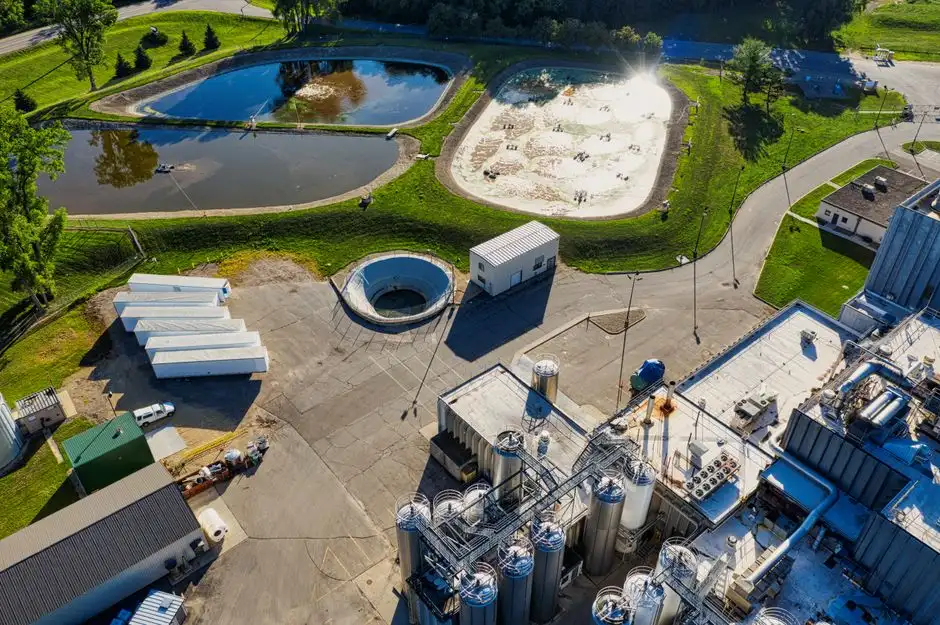
The Annex 3 number on a Kazakhstan MPD permit is negotiated with the Committee of Ecology using a national guideline that keys the limit to the receiving-water classification and the industry's influent character. The table below is the practical reference a compliance manager reaches for when an inspector asks "why is your limit 80 and theirs is 50?" — the answer is the receiving-water fishery status and the influent pollutant species.
Textile and dyeing operations clustered in Shymkent and Almaty generate the highest color load in the country: influent color routinely runs 800–4,000 Pt-Co, with reactive azo dyes and indigo driving the chromophore load. Typical MPD limits land at 50–100 Pt-Co depending on whether the receiving canal is classified as a fishery or municipal source. Oil and gas produced water and refinery effluent in Atyrau and Mangystau run 150–600 Pt-Co, with naphthenates and phenolic compounds as the main chromophores, and the MPD limit typically sits at 50–100 Pt-Co with a parallel chroma limit expressed in mg/L.
Food and beverage — sugar refineries, distilleries, dairies — generate 400–1,500 Pt-Co of influent color from melanoidins and caramelized organics; the MPD limit is generally 50–100 Pt-Co, but high BOD complicates biological color removal because the same bugs that reduce BOD₅ also struggle with the high-molecular-weight brown polymers. Mining, metallurgy, and metal finishing in Karaganda, Pavlodar, and East Kazakhstan produce 80–300 Pt-Co of influent color, largely from iron, copper, and cyanide complexes, with MPD limits of 30–80 Pt-Co depending on the receiving stream's fishery classification. Pulp and paper, cardboard, and recycling mills produce the toughest case in the country: 1,500–5,000 Pt-Co from lignin and tannin derivatives, with MPD limits of 100–150 Pt-Co because the receiving water bodies in northern Kazakhstan are predominantly fishery-classified.
| Industry | Typical influent color (Pt-Co) | Typical MPD limit (Pt-Co) | Key chromophore species | Governing standard |
|---|---|---|---|---|
| Textile & dyeing (Shymkent, Almaty) | 800–4,000 | 50–100 | Reactive azo dyes, indigo, anthraquinone | Annex 3 MPD + SanPiN 2.1.5.002-04 |
| Oil & gas produced water (Atyrau, Mangystau) | 150–600 | 50–100 + chroma mg/L | Naphthenates, phenolics, asphaltenes | Annex 3 MPD + Order No. 144 (2022) |
| Food & beverage (sugar, distillery, dairy) | 400–1,500 | 50–100 | Melanoidins, caramelized sugars | Annex 3 MPD + SanPiN 2.1.5.002-04 |
| Mining, metallurgy, metal finishing (Karaganda, Pavlodar, East Kazakhstan) | 80–300 | 30–80 | Iron, copper, cyanide complexes | Annex 3 MPD + fishery MPC |
| Pulp & paper, cardboard (North Kazakhstan) | 1,500–5,000 | 100–150 | Lignin, tannin derivatives | Annex 3 MPD + fishery MPC |
How Color Is Measured in a Kazakhstan-Accredited Lab
One Pt-Co degree equals 1 mg/L of platinum in the standard chloroplatinate reference solution; "colority" expressed in degrees (°Cr) under GOST notation is the same physical quantity. When an ekolab in Almaty or Astana reports "85 °Cr" on a certificate, that is the same number a foreign buyer would see as 85 Pt-Co or 85 Hazen units.
ST RK ISO 7887-2011 specifies the visual comparison method against standardized Pt-Co solutions over an applicable range of 5–100 Pt-Co; samples above 100 Pt-Co require dilution before reading, and the dilution factor is recorded on the chain-of-custody. The spectrophotometric method per GOST 17.1.4.01 at 410 nm is the modern accredited procedure in regional ekolabs of Almaty, Astana, Aktobe, and Ust-Kamenogorsk and is the method inspectors use to challenge a self-monitored number. Sample preservation follows GOST 31861-2012: refrigerated at 2–5 °C, analyzed within 24 hours of collection, stored in amber glassware to prevent photochemical color change.
The practical QA concern is bench-top drift. Textile effluent can shift color by 15–25% over four hours on the bench because residual oxidants, residual ozone, and ongoing biological activity in the sample bottle keep modifying the chromophore load. Laboratories in Kazakhstan that fail to log chain-of-custody correctly — start time, preservation temperature, dilution factor — are routinely rejected by inspectors, and the facility is then re-tested at its own cost under the inspector's chosen laboratory. A compliance manager who contracts a lab should demand a written preservation protocol and a turn-around under 6 hours from sample collection to instrument reading.
Treatment Trains That Hit the Kazakhstan Color Limit
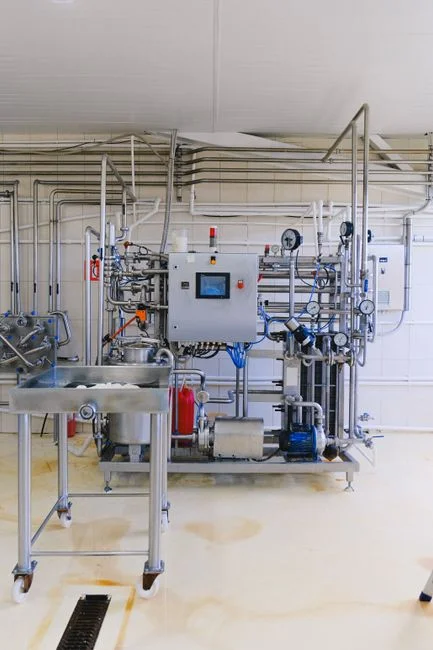
Process selection is driven by influent color, the MPD Annex 3 number, and the receiving-water classification. The train below is the standard for a Shymkent-class textile plant aiming for 50 Pt-Co at the MPD sampling point; the alternative branch handles 20 Pt-Co fishery sites in the Irtysh–Ishim basin.
Primary equalization with 8–12 hours of HRT evens out the chromophore load from batch dye-bath discharges; pH correction to 6.5–7.5 is mandatory because most reactive-dye baths exit at pH 9–12 while distillery effluent can sit at pH 3.5–4.5. A PLC-controlled automatic chemical dosing skid handles the neutralization reagent and the coagulant feed. Coagulation–flocculation uses polyaluminum chloride (PAC) at 150–300 mg/L plus anionic polyacrylamide at 1–3 mg/L; PAC outperforms ferric chloride on reactive dyes by 15–20 percentage points of color removal, and the combined stage removes 60–85% of apparent color before any biological work begins.
The clarifier of choice is a dissolved air flotation system, which uses micro-bubble floatation to capture floc-bound color bodies in a surface sludge blanket. The floc blanket is then scraped and routed to a plate-and-frame filter press for dewatering; the dewatered cake is tested against Kazakhstan's hazard-class criteria and typically lands at Class III–IV for textile sludge. The biological stage is an integrated MBR membrane bioreactor using submerged PVDF at 0.1 μm; the MBR achieves 70–90% color removal through microbial degradation of azo bonds and adsorption onto the activated-sludge matrix, with 8–12 year membrane life if scouring and chemical cleaning protocols are followed.
Polishing is where the compliance margin is made. Ozone at 3–8 g O₃/m³ and a contact time of 15–30 minutes cracks residual chromophores and routinely pulls effluent from 80–150 Pt-Co down to below 30 Pt-Co. For sites with a 20 Pt-Co fishery limit, an activated-carbon polisher — either PAC dosing at 50–200 mg/L or a GAC contactor — is inserted before the final sampling point to back up the ozone stage. The full process flow is: equalization → pH correction → coagulation/flocculation → DAF → MBR → ozone polishing → discharge, with a GAC contactor as an alternative-branch polishing step for 20 Pt-Co fishery sites. Side-stream spent DAF sludge, MBR surplus, and spent GAC all route to the plate-and-frame filter press for compliant sludge handling under the Environmental Code.
| Stage | Equipment | Design parameter | Color reduction |
|---|---|---|---|
| Equalization + pH correction | EQ tank, dosing skid | HRT 8–12 h, pH 6.5–7.5 | None directly; enables downstream performance |
| Coagulation / flocculation | PAC + anionic PAM | PAC 150–300 mg/L, PAM 1–3 mg/L | 60–85% |
| DAF clarification | Dissolved air flotation system | Micro-bubble float, surface sludge blanket | Captures floc-bound chromophores |
| Biological MBR | integrated MBR membrane bioreactor | PVDF 0.1 μm, submerged | 70–90% |
| Ozone polishing | Ozone generator + contactor | 3–8 g O₃/m³, 15–30 min contact | 80–150 Pt-Co → <30 Pt-Co |
| Activated-carbon polish (fishery sites) | PAC dosing or GAC contactor | PAC 50–200 mg/L | 30–60% backstop to 20 Pt-Co |
| Sludge dewatering | plate-and-frame filter press for sludge | Cake dry solids 25–35% | No color reduction; compliant sludge handling |
Cost of Meeting the 2026 Color Standard in Kazakhstan
The table below is a defensible CAPEX/OPEX envelope for a procurement manager building a budget in 2026. Numbers are USD-equivalent at a January 2026 KZT/USD reference of around 460, and they reflect a 1,000–5,000 m³/d throughput envelope typical of mid-sized textile, refinery, or food plants in Kazakhstan. Actual bids will move with steel, membrane, and ozone-generator prices, but the ratios between stages hold.
The biggest cost driver in most Kazakhstan color-compliance upgrades is the MBR biological stage: 180–420 USD per m³/day of CAPEX with 0.12–0.28 USD/m³ of OPEX, and 70–90% color reduction. The ozone polishing stage is the cheapest per-percentage-point of color removed: 60–180 USD/m³/day CAPEX, 0.05–0.14 USD/m³ OPEX, and 70–95% polishing-stage color reduction. The plate-and-frame filter press for sludge dewatering is the smallest line item by CAPEX (40–110 USD/m³/day) but is mandatory for compliant sludge handling under the Environmental Code and cannot be skipped.
| Treatment stage | CAPEX (USD/m³·d) | OPEX (USD/m³) | Color reduction | Asset life / maintenance |
|---|---|---|---|---|
| Equalization + pH correction | 20–60 | 0.01–0.04 | None directly | 20+ years; annual mixer seal service |
| Coagulation + DAF | 90–220 | 0.08–0.18 | 60–85% | 15+ years; quarterly nozzle inspection |
| MBR biological stage | 180–420 | 0.12–0.28 | 70–90% | 8–12 yr membrane; weekly CIP |
| Ozone polishing | 60–180 | 0.05–0.14 | 70–95% polishing | 10–15 yr generator; annual dielectric check |
| Activated carbon (PAC) backup | 15–40 | 0.10–0.30 | 30–60% backstop | PAC consumption dominates OPEX |
| Plate-and-frame filter press | 40–110 | 0.04–0.10 | No color reduction | 15+ yr; cloth replacement every 6–12 months |
Frequently Asked Questions

What is the legal color discharge limit for industrial wastewater in Kazakhstan in 2026?
Industrial discharge is governed by the MPD permit issued under Order No. 144 of the Minister of Ecology, Geology and Natural Resources (March 2022, in force through 2026). The Annex 3 colority limit typically sits in the 50–150 Pt-Co range depending on receiving-water classification. Fishery waters are protected at 20 Pt-Co under SanPiN 2.1.5.002-04, and communal/domestic-source waters at 50 Pt-Co. The MPD permit value is always at or below the receiving-water MPC, because the permit assumes a mixing zone.
Which Kazakhstan authority issues the MPD permit, and how long does approval take?
The MPD permit is issued by the Committee of Ecology and Natural Resources under the Ministry of Ecology, Geology and Natural Resources. Standard approvals take 45–60 working days for a new permit, with re-issuance on a 5-year cycle for Category I facilities and 5–10-year cycles for Category II/III facilities. Color and other Annex 3 parameters are negotiated against the receiving-water classification during the OVOS review.
How is colority measured in Pt-Co degrees, and is ISO 7887 acceptable in Kazakhstan?
One Pt-Co degree equals 1 mg/L platinum in the standard chloroplatinate reference solution. ST RK ISO 7887-2011 is the primary accredited method in Kazakhstan, covering 5–100 Pt-Co by visual comparison; samples above 100 Pt-Co are diluted before reading. GOST 17.1.4.01 at 410 nm is the spectrophotometric method used by most regional ekolabs. Both methods are accepted by the Committee of Ecology; sample preservation follows GOST 31861-2012 (2–5 °C, amber glass, analyzed within 24 hours).
Can a textile plant in Almaty or Shymkent reuse its treated effluent for in-house process water, and what color level must it hit?
Yes. Kazakhstan's Water Code allows reuse for in-house process water (e.g., washing, dyeing bath makeup) provided the reused stream meets both the MPD discharge limit and any internal quality specification. For reactive-dye lines, a 20–30 Pt-Co color ceiling is typically needed to avoid shade drift in pale-color batches; this is the same envelope the MBR + ozone + GAC train delivers, so reuse and compliance can be designed into a single polishing step.
What happens if my facility exceeds the color limit during a startup or upset event?
Exceeding the MPD Annex 3 color value is an Article 326 offence under the Code of Administrative Offences: 200–2,000 MCI on the legal entity (roughly 0.79 to 7.86 million KZT at the 2026 MCI of 3,932 KZT), with operational suspension on repeat findings within 12 months. Operators should report the upset to the Committee of Ecology within 24 hours under the MPD permit's incident-notification clause, route the off-spec flow to the equalization tank for re-treatment, and retain chain-of-custody records to demonstrate containment rather than discharge. A documented upset response plan is also weighed in mitigation at any subsequent administrative hearing.
Related Equipment
- Dissolved air flotation system — specifications, capacity range, and technical data
- integrated MBR membrane bioreactor — specifications, capacity range, and technical data
- PLC-controlled automatic chemical dosing skid — specifications, capacity range, and technical data
- plate-and-frame filter press for sludge — specifications, capacity range, and technical data