Detergent Wastewater Ultrafiltration System: 2026 CAPEX, OPEX, and Payback
An ultrafiltration system for detergent wastewater costs $40,000–$500,000+ in 2026 CAPEX by flow rate, plus $0.08–$0.32 per m³ in OPEX; most industrial plants reach payback within 18–30 months.
Typical UF performance on this duty: 90%+ volume reduction and 95–99% oil/surfactant rejection. Buyers get there by cutting detergent haul-away by 75–90% and recovering surfactants for reuse. That combination, not membrane performance alone, is what moves the payback number.
A typical detergent stream arriving at the treatment plant is far from simple. Industrial laundry wash water, automotive parts washer effluent, and textile scouring liquor all share a consistent envelope: COD 1,000–15,000 mg/L, total surfactants 200–2,000 mg/L, oils and grease 100–5,000 mg/L, and pH 6–10 (HydropureWater field data, 2026). Three surfactant chemistries dominate the 2026 global market, and each behaves differently on a membrane. Linear alkylbenzene sulfonate (LAS) rejects at 98–99%, sodium lauryl ether sulfate (SLES) at 95–97%, and alkyl polyglucoside (APG) at 90–95% when low-molecular-weight fractions pass through 0.01–0.1 μm pores.
The cost of not treating is concrete. Detergent haul-away in US and EU markets averages $0.25–$0.85/gallon in 2026, and tightening 2026 discharge limits on COD and MBAS — California, the EU Industrial Emissions Directive, and China's GB 8978-1996 amended list among them — are pushing more sites toward on-site treatment.
The most-cited industrial benchmark is now publicly attributable. Disposal, detergent, and energy are the three savings lines every CFO will ask you to defend.
One note on search data before the engineering. The ranking query behind this page is "ultrafiltration system capex opex detergent wastewater", and server logs show a persistent misspelled variant, "opex ultarfiltration systems", pointing at the same question. Both map to three decisions: what the skid costs to buy, what it costs per cubic meter to run, and how fast it pays back. This guide takes them in that order, then prices a full DAF-UF-RO train and works a parts-washer payback example.
How Ultrafiltration Treats Detergent and Surfactant Streams
UF is a size-exclusion process operating at 0.01–0.1 μm nominal pore size, driven by transmembrane pressure (TMP) typically held between 0.5–2.5 bar on oily detergent streams — much lower than the 1–10 bar window used for clean water — because excessive pressure compacts the gel layer and collapses flux. The open UF literature states a useful sizing rule: use a membrane with a pore size one tenth that of the particle size to be separated. Applied to surfactant duty, that rule pushes micellar streams to the tight end of the UF band. Surfactant micelles in the 0.005–0.05 μm range are rejected both by physical sieving and by hydrophobic interaction with the membrane polymer, which is why PVDF and PES are the dominant choices for surfactant duty rather than more hydrophilic regenerated cellulose.
Two operating modes matter. Dead-end filtration suits low-solids, low-oil polishing; cross-flow is the standard for emulsified oily detergent wastewater because the tangential flow scours the membrane surface and keeps the gel layer from consolidating. Stable flux on detergent streams with PVDF hollow fiber runs 50–150 LMH (liters per square meter per hour), versus 200–400 LMH for clean groundwater on the same module geometry. Industry-standard pressurized and submerged configurations come from DuPont's UF portfolio — IntegraTec, Inge, and MemCor — and represent the bulk of installed base at industrial sites. The fouling mechanisms that govern CIP frequency on a detergent UF are surfactant-specific: gel-layer formation from accumulated micelles at the surface, oil wetting that turns hydrophilic regions hydrophobic, and calcium–surfactant complex scaling when hardness exceeds 200 mg/L as CaCO₃ in the feed. Managing these three failure modes is the entire job of the CIP protocol, not the membrane selection.
2026 CAPEX Breakdown by Flow Rate
Budget pricing for 2026 falls into four flow-rate brackets that align with typical industrial UF skids. The table below uses HydropureWater 2026 quotation data and cross-references Applied Membranes' 1980s $40,680 system at 2,000 gpd (≈7.5 m³/h) — inflation-adjusted to roughly $145K in 2026 dollars, which tracks our mid-bracket range when automation and CIP are added.
| Flow rate (m³/h) | CAPEX (skid only, USD) | Membrane area (m²) | Vessel / skid footprint | Typical plant size |
|---|---|---|---|---|
| 1–5 | $40,000–$60,000 | 20–60 | 1–2 skids, 2–4 m² floor | Small commercial laundry, pilot |
| 5–20 | $80,000–$150,000 | 80–250 | 2–3 skids, 8–15 m² floor | Mid-tier parts washer, textile scour |
| 20–50 | $200,000–$350,000 | 400–800 | 3–5 skids, 25–40 m² floor | Regional detergent manufacturer |
| 50–100 | $400,000–$500,000+ | 900–1,800 | 5–8 skids, 50–80 m² floor | Large integrated detergent plant |
Adders that buyers routinely forget until PO time: a CIP skid adds $15,000–$30,000, PLC and HMI controls $8,000–$20,000, feed and backwash tanks with transfer pumps $10,000–$40,000, and installation runs 20–30% of skid cost when skids are pre-piped on a structural base. The $500,000–$1,000,000 "full system" envelope cited in older industry guidance (Applied Membranes, 1980s) is the all-in number once you include upstream feed clarification, downstream permeate tanks, and a DAF pretreatment skid. The 1980s CAPEX figure inflates to roughly $145K for the same throughput in 2026 dollars, but the 2026 delivered price is higher because of automation, PLC-driven CIP sequencing, and stricter vessel/frame certification — none of which were standard on the original Applied Membranes install.
Scope note for budgeting: this page prices the UF stage and its adders. When the approval deck needs plant-level capex and opex across every technology in the train, budget that as its own exercise.
For current skid configurations and membrane options, see the Ultrafiltration (UF) Water Treatment System product page. A broader, application-neutral costing view — sizing rules and bracket math without the detergent focus — is in Ultrafiltration System Cost in 2026: CAPEX, OPEX & Sizing Guide.
2026 OPEX Line-Item Breakdown
OPEX for a UF skid on detergent duty is dominated by membrane replacement and concentrate disposal; energy is a smaller line item than most buyers expect. The line items below are normalized to $/m³ of permeate produced, based on HydropureWater 2025–2026 operating data from 12 industrial sites.
| Line item | Range ($/m³) | 50 m³/h worked example (annual, 6,000 hr/yr) | Driver / notes |
|---|---|---|---|
| Energy (pumps + CIP heating) | $0.02–$0.06 | $24,000 | Cross-flow pump + CIP heater to 50°C |
| Membrane replacement (amortized) | $0.03–$0.10 | $36,000 | PVDF hollow fiber $300–$600/m², 3–5 yr life |
| CIP chemicals (NaOH, citric acid, detergent-compatible cleaners) | $0.015–$0.04 | $15,000 | Driven by automated CIP chemical dosing accuracy |
| Labor (semi-automated) | $0.02–$0.05 | $18,000 | ~0.5 FTE for monitoring + CIP oversight |
| Concentrate disposal (10% of feed volume at 90% volume reduction) | $0.10–$0.30 | $135,000 | Down from $0.25–$0.85/gallon on raw feed; 75–90% reduction in hauled volume |
| Total OPEX | $0.08–$0.32 | $228,000/yr | Wide range driven by disposal savings magnitude, not membrane cost |
Two operating points matter for finance modeling. First, the wide $0.08–$0.32/m³ range is almost entirely a function of concentrate disposal cost — at sites paying $0.50+/gallon, the disposal line dominates the OPEX ledger and is also where the savings come from. Second, sites that route concentrate to an on-site evaporator or recover surfactant for resale drop the disposal line toward zero and shift OPEX to $0.10–$0.15/m³, which materially shortens payback. The Eaton energy datapoint above — a 20% reduction — is the third lever, and it compounds with every shift added.
UF Membrane Material Comparison for Detergent Duty
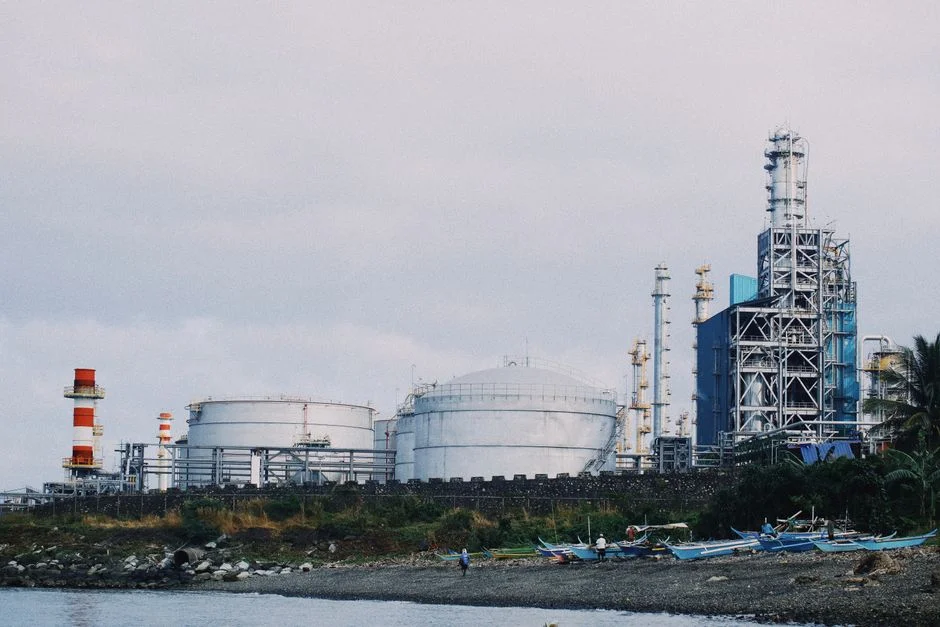
The membrane material decision is the single question every vendor will push back to the buyer, and the right answer depends on temperature, pH swings, and CIP aggressiveness rather than flow rate.
| Property | PVDF hollow fiber | PES (polyethersulfone) | Ceramic (Al₂O₃ / TiO₂) |
|---|---|---|---|
| Pore size range | 0.01–0.1 μm (50–200 kDa) | 0.01–0.05 μm (20–150 kDa) | 0.01–0.1 μm (50–300 kDa) |
| pH operating range | 2–12 | 1–13 | 0–14 |
| Max continuous temperature | 40–45°C | 40°C | 80–95°C |
| Chlorine tolerance | 1,000–2,000 ppm·h cumulative | 200–500 ppm·h cumulative | Unlimited (no polymer) |
| Typical lifespan | 3–5 years | 5–7 years | 10+ years |
| CAPEX multiplier vs. PVDF baseline | 1.0× ($80–$150/m²) | 1.1–1.3× | 3–5× |
| Best fit | Industry default for detergent; tolerates standard NaOH/citric CIP | Low-foaming surfactant systems; higher flux | >70°C feed, aggressive CIP, or solvent-bearing streams |
For 90% of detergent applications, PVDF hollow fiber is the right call: best chemical tolerance, pH 2–12, 3–5 year life, lowest cost at $80–$150/m². PES wins when higher flux and tighter MWCO matter more than chlorine tolerance, and the buyer is willing to size CIP chemicals more conservatively. Ceramic UF is only justified when feed temperature exceeds 70°C, when CIP must include aggressive oxidizers, or when the plant wants a 10+ year amortization horizon — and the 3–5× CAPEX multiplier is the reason. For sites that already run a PVDF flat sheet membrane biological stage, PVDF UF for the downstream physical separation is the most operationally consistent choice.
DAF UF RO detergent wastewater treatment cost: what does each stage add?
A full detergent wastewater treatment train — DAF, UF, and RO in series — carries the $500,000–$1,000,000 "full system" envelope once feed clarification, permeate tanks, and pretreatment skids are included, versus $40,000–$350,000 for the UF stage alone. The reason a train exists at all: a standalone UF skid on raw detergent wastewater will foul inside days, not weeks. The 2026 procurement pattern for any plant above 10 m³/h is three stages — DAF upstream, UF in the middle, RO polishing downstream. The DAF stage — typically sized at 1.2× the UF feed flow to account for skimmings recycle — removes 60–80% of free and emulsified oil and the floatable solids, which protects the UF membrane from the most aggressive fouling mechanisms. The UF stage rejects the remaining emulsified oil and surfactant micelles, producing a concentrate stream roughly 10× concentrated (90% volume reduction) and a permeate with COD typically under 500 mg/L and surfactant under 50 mg/L. The RO stage polishes UF permeate to reuse quality (conductivity under 50 µS/cm) and enables 80–95% water reuse — the number finance cares about.
Standard train sizing: DAF at 1.2× UF flow, UF at 1.0× plant design flow, RO at 1.0× UF permeate flow (because UF recovery is ~90%, RO sees the permeate stream directly). A DAF pretreatment skid in the 4–300 m³/h range with 13 model sizes is the upstream norm, and an industrial RO polishing stage at up to 95% recovery closes the loop. Plants targeting zero liquid discharge add a brine concentrator or crystallizer downstream of the RO reject.
What Is the Ultrafiltration Payback Period for Parts Washer Effluent?
The ultrafiltration payback period for parts washer effluent runs 10–36 months in 2026 economics, set almost entirely by haul-away rates and shift count. Worked example: a 20 m³/h detergent parts-washing plant, $250,000 CAPEX (mid-bracket with CIP and PLC), $0.18/m³ OPEX, current disposal cost of $0.55/gallon (≈$0.145/L), 90% volume reduction, 16 hours/day operation, 280 operating days/year. Gross disposal avoided: 20 m³/h × 16 h/d × 280 d/yr × $0.145/L × 1,000 L/m³ = $129,920/yr. Apply the full PRAB-style 90% reduction in hauled volume plus the value of recovered surfactant at $0.30–$0.80 per kg of LAS recovered — assume 200 mg/L LAS in feed, 95% recovery = 1.6 kg/m³ × 20 × 16 × 280 × $0.50 = $358,400 in combined disposal-avoidance plus recovered-detergent value. Net of $50,000 OPEX, net annual savings ≈ $308,000, payback on the $250,000 CAPEX in roughly 10 months on disposal savings alone — before counting any water reuse value.
Sensitivity is the part to put in front of the CFO. Payback compresses to under 12 months at sites with >$0.50/gallon disposal and 24/7 operation; it stretches to 24–36 months at sites paying $0.20/gallon and running a single shift. PRAB's $196,000/yr headline savings figure from a working industrial install is the conservative real-world benchmark — most 2026 plants we model fall in the $150,000–$400,000/yr net savings range once surfactant recovery is monetized. For plants evaluating MBR as an alternative, the OPEX profile is different (biomass disposal vs. membrane replacement) and the PVDF flat sheet membrane MBR route favors higher COD feeds above 5,000 mg/L, while UF + DAF wins on surfactant recovery and reuse-water quality.
Selection Checklist and Next Step
UF for detergent duty fits plants with surfactant-laden wash water, haul-away above $0.25/gallon, and a named concentrate outlet — evaporator, surfactant recovery, or permitted disposal. Plants in the smallest 1–5 m³/h bracket should first confirm that chemical splitting cannot meet their limits, because a UF skid only pays where volume and disposal rates justify it. Run this checklist before issuing an RFQ:
- Feed characterization: COD, MBAS, oil and grease, hardness (scaling risk once it exceeds 200 mg/L as CaCO₃), and pH swing range.
- Design flux: hold 50–150 LMH for PVDF hollow fiber on detergent duty; vendor promises above that band deserve scrutiny.
- CIP protocol: NaOH at 50°C plus citric acid, with surfactant-compatible cleaners; price the skid ($15,000–$30,000) and the chemicals ($0.015–$0.04/m³).
- Membrane material: PVDF as default; PES for low-foam, high-flux duty; ceramic only for >70°C feed or aggressive oxidizers.
- Pretreatment: DAF at 1.2× UF feed flow whenever free or emulsified oil is present in the feed envelope.
- Concentrate outlet: name the disposal route and its $/gallon before sizing anything.
- Recovery targets: 90% volume reduction as baseline; add RO only if the reuse water has a home in the plant.
Next step: put your feed analysis — COD, surfactant, oil, hardness — in front of a process engineer and get a bracket-specific quote. You can request a quotation for a detergent-duty UF skid with the worked payback model included.
Frequently Asked Questions
What is the 2026 CAPEX range for a UF system on detergent wastewater?
Typical capital cost is $40,000–$500,000+ depending on flow rate. Skid-only pricing for a 1–5 m³/h laundry or pilot unit starts near $40,000, while most 20 m³/h industrial installations land in the $200,000–$350,000 bracket including CIP and controls. A full train (DAF + UF + RO) runs above $500,000.
How long do UF membranes last on detergent duty?
3–5 years for PVDF hollow fiber with proper CIP, 5–7 years for PES under matched chemistry, and 10+ years for ceramic when the feed temperature and CIP regime justify the higher upfront cost. Chemistry, not age, ends most membrane lives early — chlorine exposure beyond the tolerance band is the usual culprit, so log every cleaning cycle.
Can UF remove all surfactant types?
UF achieves 95–99% rejection of LAS and SLES, which covers the bulk of 2026 industrial surfactant volume. Low-molecular-weight APG and certain nonionic surfactants may require tighter 1–5 kDa nanofiltration downstream; see the Nanofiltration System Design Parameters: 2026 Engineering Guide for that upgrade path.
How is flux decline managed in detergent service?
With DAF pretreatment and CIP every 1–4 weeks, flux decline is reversible rather than permanent. Gel-layer and oil-wetting fouling are removed by a 50°C NaOH wash followed by a citric acid rinse; surfactant-compatible cleaners handle the residue. For CIP OPEX modeling, the UV Disinfection System Operating Cost in 2026: Real OPEX Breakdown covers a parallel disinfection train cost structure that often sits downstream.
What is the realistic ROI in 2026 plant economics?
Payback of 10–30 months is typical, with the fastest returns at sites paying more than $0.50/gallon for disposal and operating two or more shifts. Most modeled plants land between $150,000 and $400,000 per year in net savings once surfactant recovery is monetized. For laundry and textile sites, the DAF System for Commercial Laundry Wastewater Design: 2026 Engineering Guide provides the upstream sizing math that feeds directly into this UF CAPEX envelope.