Why Industrial Wastewater Treatment in Balochistan Is a Different Engineering Problem
Industrial wastewater treatment in Balochistan Pakistan must meet NEQS S.R.O. 549(I)/2000 limits — BOD₃ ≤ 80 mg/L, COD ≤ 150 mg/L, TSS ≤ 200 mg/L, and TDS ≤ 3,500 mg/L — and is dominated by four effluent profiles: mining wastewater (TDS often >10,000 mg/L with high sulfate, requiring lime neutralization followed by RO or ZLD), textile and fish-processing effluent (high BOD/COD and color, treated with DAF + biological + sand filtration), power plant cooling and DM blowdown (high TDS, requiring clarification + RO), and Gwadar SEZ mixed effluent affected by seawater intrusion. CAPEX for a 500 m³/day industrial plant typically runs $280–$650/m³ treated.
Balochistan treats a fraction of the national ~1% wastewater-treatment rate reported by SpringerLink (2024) — its sparse population and near-zero WASA coverage outside Quetta mean the actual provincial rate is below the national floor. Yet the discharge pressure is the opposite of sparse. The Hub Industrial Estate alone houses more than 200 polluting units across textiles, tanneries, and chemicals, and the CPEC pipeline will add Reko Diq copper-gold, Saindak expansion, Gaddani coal power, and the Gwadar SEZ — projecting over 50,000 m³/day of new industrial effluent within five years. The regulatory floor is NEQS S.R.O. 549(I)/2000 administered by the Ministry of Climate Change (formerly Pak-EPA), and the next section sets out the values that drive every unit process selection. Add the water-stress paradox — central Balochistan receives under 250 mm of annual rainfall, with most sub-basins endorheic — and treated effluent is not a compliance burden, it is a reuse asset for boiler feed, cooling makeup, and irrigation.
Pakistan NEQS Industrial Discharge Limits and How They Drive Process Design
NEQS S.R.O. 549(I)/2000 sets the binding design envelope for any industrial discharge in Balochistan: BOD₃ ≤ 80 mg/L, COD ≤ 150 mg/L, TSS ≤ 200 mg/L, TDS ≤ 3,500 mg/L, oil & grease ≤ 10 mg/L, chloride ≤ 1,000 mg/L, and pH 6–9 for municipal/industrial effluent. Heavy metals, sulfate, ammonia, and temperature have additional ceilings that a copper-gold or textile plant cannot meet with biological treatment alone — the math forces RO or a ZLD polishing step onto the back end.
Two clauses reshape the process train before any equipment is selected. First, the 1,000 mg/L chloride limit explains why every coastal Gwadar effluent — even a small fish-processing line drawing seawater for line wash — must pass through RO, since the intake itself is already at 18,000–20,000 mg/L chloride. Second, the Pak-EPA IEE/EIA Regulations 2000 require environmental approval for any industrial discharge above 5 m³/day, and inland discharges must monitor 32 parameters monthly. That monitoring load is why online TSS, COD, pH, and conductivity instrumentation is now standard on a properly engineered Pakistani plant rather than an upgrade.
| Parameter | NEQS limit (S.R.O. 549(I)/2000) | What it forces in the process train |
|---|---|---|
| BOD₃ | ≤ 80 mg/L | Biological step (MBR / SBR) on every organic stream |
| COD | ≤ 150 mg/L | Polishing (activated carbon or RO) when influent COD > 3,000 mg/L |
| TSS | ≤ 200 mg/L | DAF or clarifier ahead of any membrane |
| TDS | ≤ 3,500 mg/L (industry) | RO or ion exchange for any TDS > 5,000 mg/L influent |
| Oil & grease | ≤ 10 mg/L | DAF on fish, refinery, and textile effluent |
| Chloride | ≤ 1,000 mg/L | RO mandatory for any seawater-intake process |
| pH | 6–9 | Lime or caustic dosing on AMD; acid dosing on dye-bath alkaline streams |
Sector-by-Sector Influent Profiles Across Balochistan
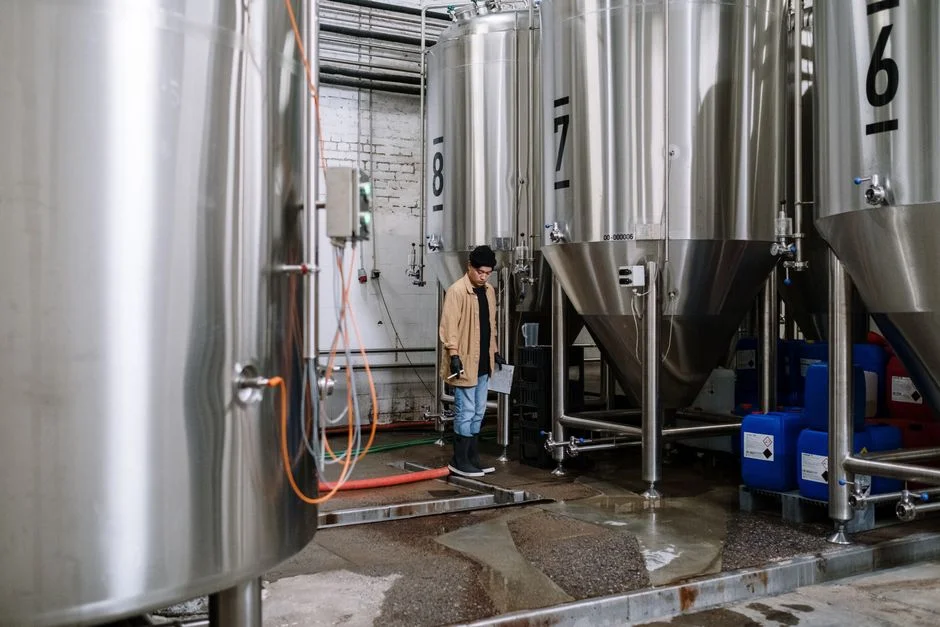
Before sizing a clarifier or membrane, confirm the influent — the same CAPEX envelope will not cover a Reko Diq copper overflow and a Pasni fish line. The four operating sectors in Balochistan span an order of magnitude in TDS and BOD, and the CPEC Gwadar SEZ layer adds a fifth mixed profile. Characterize the stream against the table below before locking a P&ID.
| Sector | TDS (mg/L) | BOD₃ / COD (mg/L) | Critical parameters |
|---|---|---|---|
| Mining (Reko Diq, Saindak) — acid mine drainage | 8,000–18,000 | Low (BOD < 100) | Sulfate 2,000–4,500; Cu/As/Fe 5–50; pH 1.5–3.5 |
| Textile (Hub / Lasbela) — dye-bath | 1,500–4,000 | BOD 1,500–4,000 / COD 3,000–7,000 | Color 1,000–3,000 Pt-Co; sulfide 5–20; T 40–60 °C |
| Power (Gaddani coal, Hub) — cooling + FGD | 2,000–4,500 blowdown; TSS to 30,000 in FGD | Low (BOD < 50) | Heavy metals in FGD; scale inhibitors in cooling |
| Fish processing (Pasni, Gwadar) | 25,000–35,000 (seawater intake) | BOD 800–2,500 / COD 1,500–4,000 | Oil & grease 200–600; TN 200–500; TSS 400–1,200 |
| Gwadar SEZ / CPEC mixed (domestic + industrial) | 5,000–15,000 (seawater intrusion) | BOD 300–800 / COD 600–1,500 | Variable salinity; intermittent heavy-metal pulses |
Recommended Treatment Trains by Industry
The process chain below maps each influent above to a unit-operation sequence sized for 2026 Pakistani CAPEX. Each train terminates at the NEQS ceiling in the table above; when the influent TDS or sulfate forces a tighter envelope, RO or ZLD is added to the back end.
Mining train. Equalization → lime/sulfide precipitation (raises pH to 9–10, drops heavy metals and sulfate as gypsum) → sand filter → cartridge filter → two-pass RO → brine evaporation pond. Trigger ZLD when influent TDS exceeds 8,000 mg/L or the receiving waterbody is freshwater. Textile train. Screening → equalization/cooling → DAF (using a dissolved air flotation system for 60–85% TSS and 50–70% color removal) → anoxic + aerobic MBR (90–97% COD removal, sludge yield 0.2 kg/kg COD) → activated carbon polishing → optional RO for reuse. The integrated MBR membrane bioreactor system is the standard skid for this train. Power plant train. Lamella clarifier → multimedia filter → softening → RO → mixed-bed polisher. Cooling-tower blowdown alone forces a 3–4× concentration factor before the RO stage. Fish processing train. Rotary bar screen → DAF (oil & grease to < 10 mg/L) → MBR → UV or ClO₂ disinfection for irrigation reuse. Gwadar SEZ mixed train. Coarse screen → grit removal → DAF → MBR → RO blend → UV; reject is handled by a 5–10 MW brine concentrator if land is constrained.
| Train | Core unit ops | Typical removal / output | NEQS-compliant? |
|---|---|---|---|
| Mining (AMD) | Lime precip. → RO / ZLD | Cu/As < 1 mg/L; SO₄ < 1,000 mg/L | Yes with ZLD or 2-pass RO |
| Textile | DAF → MBR → AC / RO | COD < 100 mg/L; color < 100 Pt-Co | Yes |
| Power cooling | Clarifier → RO → MB | TDS < 50 mg/L on makeup | Yes (reuse path) |
| Fish processing | DAF → MBR → UV | BOD < 30; O&G < 10; TN < 50 | Yes for irrigation reuse |
| Gwadar SEZ mixed | DAF → MBR → RO → UV | TDS < 500 mg/L permeate | Yes with brine management |
ZLD vs RO Discharge: When Zero Liquid Discharge Is Mandatory in Balochistan
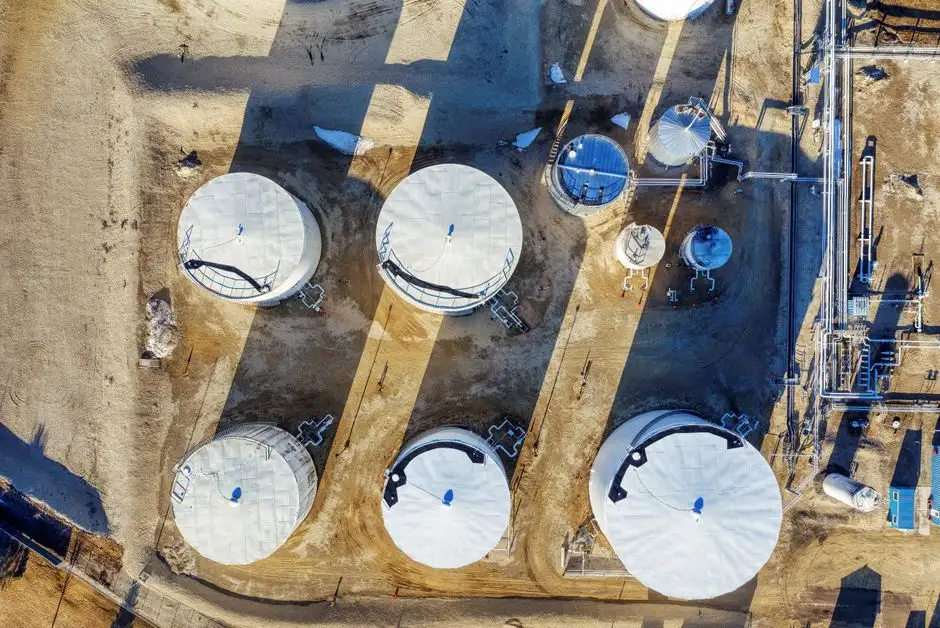
ZLD becomes mandatory when any of three triggers applies: influent TDS above 8,000 mg/L, sulfate above 2,500 mg/L, or discharge to an endorheic basin — and most of central Balochistan is endorheic, with no flowing drainage to the Arabian Sea. The footprint and operating cost swing hard from that decision. A 500 m³/day ZLD train needs roughly 6,000 m² for a forced-circulation crystallizer and dryer, against about 1,200 m² for an RO-discharge train of the same capacity. Operating cost runs $1.8–$3.5/m³ for ZLD against $0.25–$0.45/m³ for RO discharge, with energy at 60–80 kWh/m³ as the dominant line item. Anaerobic lagoons alone (BOD₅ removal 50–90% at loadings of 54–3,000 lb BOD₅/acre-day per the Industrial Waste Treatment Handbook) cannot substitute for a textile train above 500 m³/day — they fail the color and sulfide limits regardless of BOD removal. For mining effluent, plan on a hybrid: DF-series flat-sheet MBR modules are typically used to polish the precipitates before the RO stage, not as the primary treatment.
CAPEX and OPEX Benchmarks for Industrial Plants in Pakistan
Budget envelopes for 2026 are below. Numbers are for skid-mounted, Chinese-OEM-supplied plants delivered to Karachi or Gwadar; add 17% GST plus 3–11% customs duty for the landed figure, and budget 25–40% above local fabrication once commissioning risk is priced in. The containerized delivery advantage is real: a fully fitted 20-foot skid holding a 50 m³/day MBR train arrives in 8–12 weeks, against 18–30 weeks for a site-fabricated plant of the same capacity. Pre-treatment skids often use a rotary mechanical bar screen ahead of the DAF, and a containerized automatic chemical dosing system sized to the lime/caustic demand.
| Train | CAPEX (USD per m³/day, 2026) | OPEX (USD per m³ treated) | Dominant OPEX line |
|---|---|---|---|
| Textile MBR (DAF + MBR + AC) | 90–220 | 0.18–0.32 | Membrane replacement every 4–6 years |
| Mining RO (lime + 2-pass RO) | 650–1,200 | 0.55–0.95 | Energy + antiscalant |
| Fish processing MBR | 140–260 | 0.22–0.38 | Cleaning chemicals + UV lamps |
| ZLD add-on (crystallizer + dryer) | 1,200–2,500 | 1.80–3.50 | Thermal energy 60–80 kWh/m³ |
| Multimedia pretreatment skid | 25–55 | 0.04–0.08 | Backwash water + media replacement |
Selecting a Supplier for Balochistan Projects
Four qualifications are non-negotiable for a Balochistan industrial plant: documented NEQS or equivalent compliance references, in-house containerized skid fabrication (not local job-site assembly), on-site commissioning inside Pakistan, and 12-month post-installation support that includes membrane cleaning training. Operator-training gaps cause roughly 70% of the failed Pakistani wastewater projects the engineering community tracks — require bilingual O&M manuals in English and Urdu, plus a signed training matrix listing each operator by name. Parallel delivery experience in hot, dust-prone, grid-unstable cities is a useful proxy: case histories from the Addis Ababa industrial wastewater compliance guide and the Manila wastewater treatment plant buyer's guide show containerized trains surviving similar logistics, and they map directly to Gwadar's risk profile. Plan for site-specific derates: 24–36 hour grid outages in Gwadar demand a 250–500 kVA diesel standby, sandstorms load DAF skids with grit at 200–500 mg/m³ air, and ambient temperatures of 45–52 °C in summer cut aeration equipment output by 10–15% — oversize blowers accordingly.
Frequently Asked Questions
What are the binding NEQS S.R.O. 549(I)/2000 discharge values for industry in Balochistan? The industrial envelope is BOD₃ ≤ 80 mg/L, COD ≤ 150 mg/L, TSS ≤ 200 mg/L, TDS ≤ 3,500 mg/L, oil & grease ≤ 10 mg/L, and pH 6–9, with additional ceilings for chloride (1,000 mg/L) and listed heavy metals — see the table in the section above for the full set that drives every unit-process selection.
Which treatment train handles Reko Diq or Saindak acid mine drainage? Equalization → lime/sulfide precipitation to pH 9–10 → sand filter → cartridge filter → two-pass RO, with ZLD added when influent TDS exceeds 8,000 mg/L or discharge enters a freshwater basin; the back-end polish typically uses DF-series flat-sheet MBR modules ahead of the RO stage.
How much does a textile CETP cost in Hub or Lasbela in 2026? A 500 m³/day textile MBR train (DAF + anoxic-aerobic MBR + activated carbon) lands at $90–$220 per m³/day CAPEX and $0.18–$0.32/m³ OPEX, with membrane replacement every 4–6 years as the dominant recurring cost; reuse-grade output adds RO at the back end.
Is ZLD actually required for inland Balochistan discharges? Yes for most sites — central Balochistan's endorheic basins give no dilution path, sulfate above 2,500 mg/L triggers gypsum scaling, and TDS above 8,000 mg/L forces a crystallizer; budget $1,200–$2,500 per m³/day for the ZLD add-on and 6,000 m² of footprint for a 500 m³/day plant.
What pretreatment do fish processors in Pasni and Gwadar need? A rotary bar screen followed by DAF for oil and grease, then MBR plus UV or ClO₂ for irrigation-quality reuse; influent TDS of 25,000–35,000 mg/L from seawater intake means RO is mandatory if any discharge to freshwater is proposed, and the broader suspended solids removal engineering guide covers the screening and DAF sizing in detail.
How does seawater intrusion change the Gwadar SEZ design basis? Intake TDS of 5,000–15,000 mg/L pushes every stream past the 3,500 mg/L NEQS ceiling, so RO sits ahead of the UV polish in the SEZ train; for the broader reuse economics driving this design, the 2026 water reuse market drivers piece lays out the demand-side numbers.