Why Mandalay Hospitals Need Dedicated Wastewater Treatment in 2026
Hospital wastewater in Mandalay in 2026 must satisfy both Myanmar's national Environmental Conservation Law (2015) and the Environmental Quality Guidelines (2019), enforced by the Environmental Conservation Department (ECD) through its Mandalay Region office — and any facility still treating its effluent as ordinary domestic sewage is exposed to fines under Section 32 of the 2015 law plus license-renewal risk. WHO guidance treats hospital effluent as 10–100× more genotoxic than municipal sewage, with documented loads of sulfamethoxazole, metoprolol, cotinine, and antibiotic-resistant Klebsiella, Pseudomonas, and Mycobacterium (Springer 2019 Slovakia/Czech dataset). The 2026 driver is the active hospital construction pipeline in Mandalay Region — JICA- and ADB-financed upgrades, plus donor compliance audits that now routinely screen effluent data before tranche release. Non-compliance is not a paperwork problem; it threatens the facility's operating permit and the Ayeyarwady watershed downstream. A packaged municipal-style STP will not remove pharmaceutical residues, radioactive isotopes from radiology wards, or the pathogen load that distinguishes hospital sewage from domestic sewage.
Mandalay Hospital Effluent Standards vs. WHO and EU Benchmarks
Myanmar's 2019 EQG sets the binding numerical envelope for hospital discharges to surface water and municipal sewer; EU Directive 91/271/EEC and WHO healthcare-wastewater guidance sit alongside as benchmarks, and the table below is the contract spec a Mandalay engineer should design against. Note that the GB18466-2005 SS <20 mg/L figure (Scientific.Net 2018 contact-oxidation study) is included because tertiary polishing design should target the tighter of the two, not the looser.
| Parameter | Myanmar EQG 2019 | EU UWWTD 91/271/EEC | WHO Healthcare Guidance |
|---|---|---|---|
| pH | 6–9 | — | 6–9 |
| BOD₅ | ≤30 mg/L | ≤25 mg/L | ≤30 mg/L |
| COD | ≤125 mg/L | ≤125 mg/L | ≤125 mg/L |
| SS | ≤30 mg/L | ≤35 mg/L | ≤20 mg/L (per GB18466 reference) |
| NH₃-N | ≤10 mg/L | — | ≤10 mg/L |
| Total nitrogen | ≤20 mg/L | ≤15 mg/L (sensitive zones) | — |
| Total phosphorus | ≤3 mg/L | ≤2 mg/L (sensitive zones) | — |
| Oil & grease | ≤5 mg/L | — | ≤10 mg/L |
| Fecal coliform | ≤200 MPN/100 mL | ≤200 MPN/100 mL | ≤200 MPN/100 mL |
| Pharmaceutical residues | No Myanmar limit published | Watch-list under review | AOP polishing recommended |
| Radioactive isotopes | No Myanmar limit published | — | Decay-tank segregation, 60+ day HRT |
For broader Myanmar compliance context beyond the hospital sector, the Myanmar industrial wastewater compliance guide walks through the same 2015 Law and 2019 EQG framework applied to manufacturing effluent.
Influent Characterization for a 50–500 Bed Mandalay Hospital
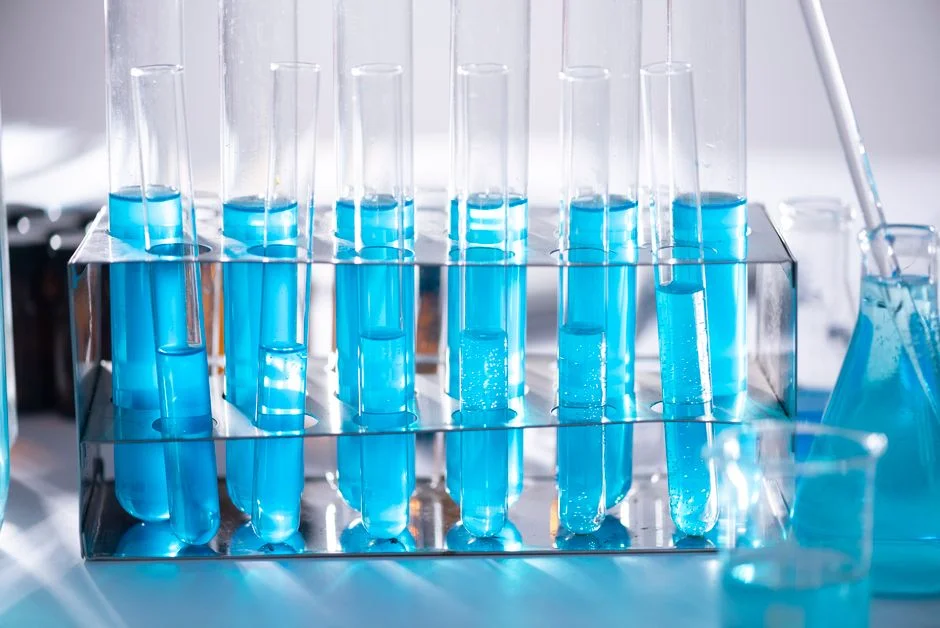
A 50–500 bed Mandalay hospital typically discharges 20–300 m³/d with per-bed water use of 400–600 L/day. Myanmar-specific monitoring data is sparse, so the pharmaceutical-residue figures below are taken from the Springer 2019 Slovakia/Czech hospital study (5 hospitals, in-line SPE-LC-MS/MS) and used here as a transferable proxy with the proxy limitation stated explicitly: Central European consumption patterns differ from Myanmar, but the compound class, µg/L order of magnitude, and analytical methodology are defensible for design-stage sizing until local monitoring is available. The 200 m³/d Chinese MBR + NaOCl reference plant in the Scientific.Net 2018 study achieved COD <50 mg/L, NH₃-N <10 mg/L, and non-detectable coliforms from a comparable raw influent — a useful precedent for Mandalay design.
| Parameter | Typical Mandalay Hospital Range | Source / Note |
|---|---|---|
| Per-bed water use | 400–600 L/day | WHO healthcare design range |
| BOD₅ | 250–400 mg/L | Hospital composite (Scientific.Net 2018) |
| COD | 500–800 mg/L | Hospital composite |
| SS | 200–350 mg/L | Hospital composite |
| NH₃-N | 20–40 mg/L | Hospital composite |
| Fecal coliform | 10⁶–10⁷ MPN/100 mL | Hospital composite |
| Cotinine | ≤6,700 ng/L | Slovakia/Czech 2019, proxy |
| Sulfamethoxazole | ≤1,500 ng/L | Slovakia/Czech 2019, proxy |
| Metoprolol | ≤2,600 ng/L | Slovakia/Czech 2019, proxy |
| Bisoprolol | ≤5,200 ng/L | Slovakia/Czech 2019, proxy |
| Tramadol | ≤2,400 ng/L | Slovakia/Czech 2019, proxy |
| I-131 / Tc-99m | Variable, decay-tank segregated | WHO 60+ day HRT guidance |
Mandalay-specific hydraulic shocks must also be sized for: monsoon surge (May–October) can push instantaneous flow to 2–3× daily average, emergency-room admissions cause step loads at night, and intermittent municipal supply requires the equalization tank to absorb at least one shift's flow.
Process Selection: MBR vs. MBBR vs. SBR for Mandalay Hospitals
For Mandalay hospitals the biological train is selected against three Myanmar-specific constraints: footprint (urban Mandalay sites are tight), power resilience (intermittent grid, ≥4–8 h outages per week in some townships), and operator skill (often one trained operator across 2–3 facilities). The trade-off matrix below is the framework I use when an EPC contractor asks which train to bid.
| Criterion | MBR | MBBR | SBR |
|---|---|---|---|
| Footprint vs. CAS | ~40% of CAS | ~60% of CAS | ~80% of CAS |
| Effluent COD | <50 mg/L | 60–80 mg/L | 50–70 mg/L |
| Effluent SS | <1 mg/L | 20–40 mg/L | 15–30 mg/L |
| Effluent NH₃-N | <5 mg/L | 5–10 mg/L | 5–10 mg/L |
| Power demand | 0.4–0.7 kWh/m³ | 0.25–0.4 kWh/m³ | 0.3–0.5 kWh/m³ |
| CAPEX (relative) | 1.4–1.8× | 1.0–1.2× | 0.9–1.1× |
| Load-shock tolerance | Moderate (membrane fouling risk) | High | High |
| Operator skill needed | Low (high automation) | Low–Medium | High |
| Power-outage tolerance | Low (membrane + blower) | Medium (blower only) | Medium (batch reset) |
For ≥100-bed Mandalay hospitals where footprint, automation, and reuse potential matter, the MBR membrane bioreactor hospital plant paired with the MBR membrane module is the recommended train. For 50–100 bed facilities with budget pressure and frequent grid interruptions, the underground packaged STP with MBBR internals offers the best resilience-per-dollar. SBR is reserved for sites with a trained operator; in my experience, the lack of a single dedicated operator is the most common reason SBR plants fail in Myanmar. The pre-treatment chain in all three cases is rotary bar screen (3 mm aperture) → grit chamber → equalization (8 h HRT) → pH adjustment → biological stage. For a regional comparison of biological-train operating cost, the MBBR OPEX benchmarks article is a useful sanity check.
Disinfection Chemistry: Chlorine Dioxide vs. NaOCl vs. Ozone vs. UV
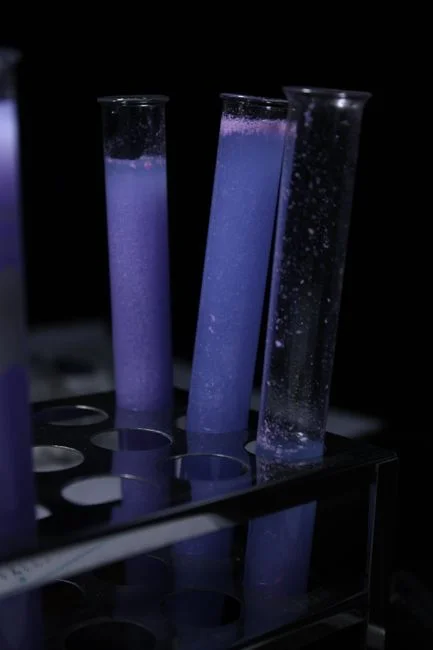
Disinfection is where the Myanmar tropical climate and the pathogen load combine to punish the wrong chemistry. The Scientific.Net 2018 county-level hospital study evaluated Cl₂, NaOCl, ClO₂, O₃, and UV side-by-side and recommended an effective complex chlorine dioxide generator as the preferred method on techno-economic grounds. The Springer 2019 study adds that all advanced oxidation methods tested (modified Fenton, ferrate(VI), boron-doped diamond electrode) achieved complete removal of antibiotic-resistant bacteria, with modified Fenton and BDDE clearing >90% of the 74-micropollutant spectrum — relevant when an oncology or radiology ward is in the design scope.
| Disinfectant | CAPEX | Pathogen Kill (log) | Myanmar Climate Fit | Key Limitation |
|---|---|---|---|---|
| NaOCl | Low | 3–4 log | Residual decays in >28°C water | Forms trihalomethanes |
| Chlorine dioxide (ClO₂) | Medium | 4–5 log | Stable pH 6–9, on-site generation 50–20,000 g/h | Precursor cost |
| Ozone | High | 4–5 log | No residual; footprint small in packaged form | High energy, no residual |
| UV | Medium | 3–4 log | Lamp output drops in warm water | Ineffective if turbidity >5 NTU |
For ≥100-bed facilities the on-site chlorine dioxide generator is the default recommendation: no THM formation, stable residual in tropical water, and on-site generation eliminates the chlorite-transport handling risk that has tripped up several Myanmar tenders. For clinics and dental hospitals under 20 beds, the compact medical wastewater unit delivers >99% pathogen kill in a 0.5 m² footprint using ozone. Either way, the disinfection stage should be preceded by a sand/anthracite polish filter to drop SDI below 3 — turbidity >5 NTU shields pathogens from both ClO₂ and UV.
Sludge Handling, Monitoring, and 2026 Compliance Documentation
Hospital sludge is classified as healthcare waste in Myanmar and must be segregated, transported, and disposed of separately from municipal sludge — yellow-bag handling per WHO healthcare waste guidance is the operational minimum. For dewatering, a plate-and-frame sludge filter press with 1–500 m² filtration area and PLC option produces ≥22% dry-solids cake suitable for secure landfill or incineration; for small hospitals under 50 beds, a bag-dewatering unit is acceptable as a lower-cost alternative. The chemical-conditioning skid upstream of the press should be a PLC-controlled chemical dosing skid sized for polyelectrolyte at 0.5–2.0 kg/kg DS. The online monitoring stack for 2026 ECD inspection is pH, COD (UV254 proxy acceptable for trend monitoring), turbidity, residual ClO₂, plus fecal coliform sampling at monthly cadence for ≥100-bed hospitals and quarterly for smaller facilities. The compliance documents a Mandalay ECD inspector will request on site are the discharge permit, monthly self-monitoring report, sludge manifest, and incident log — all of which the PLC skid's historian can export directly if specified at procurement.
Reference CAPEX and OPEX for a 100 m³/d Mandalay Hospital Plant
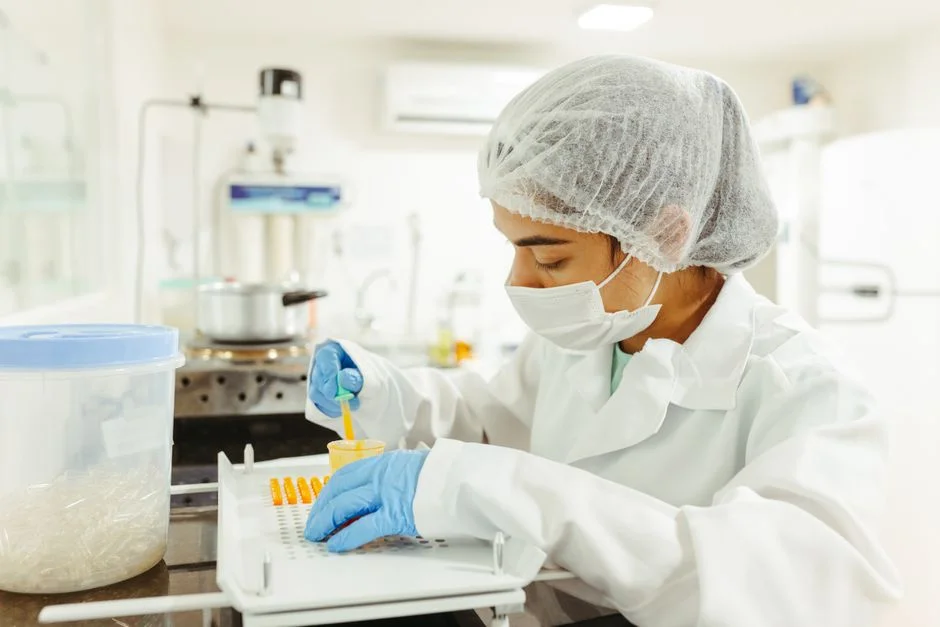
The table below is a 2026 budget model for a 100 m³/d, 200-bed MBR + ClO₂ plant, the configuration I specify most often for Mandalay general hospitals. Figures are vendor-quote ranges from Myanmar-region EPC tenders (HydropureWater field data, 2026) and should be validated against current FX and freight at bid time.
| CAPEX Line Item | USD Range | OPEX Line Item | USD/m³ treated |
|---|---|---|---|
| Pre-treatment (screen, grit, EQ) | 8,000–12,000 | Power | 0.08–0.12 |
| Biological train (MBR) | 25,000–45,000 | ClO₂ precursor chemicals | 0.04–0.08 |
| ClO₂ disinfection system | 6,000–10,000 | Sludge hauling | 0.03–0.06 |
| Sludge handling (press + dosing) | 6,000–10,000 | Labor (1 operator) | 0.03–0.05 |
| Automation / MCC / PLC | 4,000–8,000 | Maintenance & spares | 0.02–0.04 |
| Civil works & installation | 10,000–20,000 | — | — |
| Total CAPEX (100 m³/d) | 45,000–95,000 | Total OPEX | 0.18–0.35 |
On a per-bed basis this works out to USD 200–450 per bed for 100–500 bed facilities, which scales roughly linearly. For 20–50 bed clinics, the underground packaged STP at 1–80 m³/h and the compact medical wastewater unit are the budget-aligned alternatives and drop the per-bed CAPEX into the USD 150–300 range. The Springer 2019 work on advanced oxidation is relevant if the design scope includes a tertiary AOP for pharmaceutical removal — the modified Fenton and BDDE results both cleared >90% of the 74-micropollutant panel, which a Mandalay oncology hospital should treat as the design target rather than an aspirational number.
Frequently Asked Questions
What effluent COD must a Mandalay hospital STP achieve in 2026?
Myanmar EQG 2019 sets COD ≤125 mg/L, but a tertiary-polished MBR plant routinely delivers <50 mg/L — the same envelope the 200 m³/d Chinese MBR + NaOCl reference plant documented (Scientific.Net 2018), and a defensible design target for any new Mandalay hospital build.
What is the realistic CAPEX for a 100 m³/d hospital STP in Mandalay?
USD 45,000–95,000 for an MBR + ClO₂ plant including civil works (HydropureWater field data, 2026), or USD 200–450 per bed scaled across 100–500 bed facilities. Smaller 20–50 bed clinics fit inside USD 150–300 per bed using packaged units.
Which disinfectant is best for Mandalay's tropical climate?
On-site chlorine dioxide generation, because it does not form trihalomethanes, holds residual in >28°C water, and operates cleanly across pH 6–9 — the recommendation supported by the Scientific.Net 2018 county-level hospital evaluation. For under-20-bed clinics, packaged ozone units such as the compact medical wastewater unit are the footprint-friendly alternative.
How are radioactive isotopes from radiology handled?
Segregated decay tanks with 60+ day HRT before blending with general hospital effluent, per WHO healthcare wastewater guidance. Myanmar-specific numerical limits are not yet published, but the 60-day decay envelope is the international baseline and should be specified at design stage.
Which biological process is recommended for ≥100-bed Mandalay hospitals?
MBR, because the footprint, automation, and reuse-grade effluent outweigh the 1.4–1.8× CAPEX premium over MBBR/SBR in urban Mandalay sites. For 50–100 bed facilities with budget pressure, MBBR inside an underground packaged STP is the resilient alternative.