An Ultrafiltration System for Distillery Wastewater: What Engineers Need to Specify in 2026
An ultrafiltration system for distillery wastewater typically uses crossflow hollow-fiber or tubular PVDF membranes (0.01–0.1 µm pore size) after cooling and dissolved air flotation pretreatment, removing 60–85% of COD, 95–99% of suspended solids, and 70–90% of color/melanoidin from spent wash. UF is positioned between anaerobic/biological treatment and downstream RO for water reuse, with 2026 CAPEX of $90–$220 per m³/day installed capacity and OPEX of $0.18–$0.42 per m³ treated (HydropureWater field data, 2026). This guide walks through membrane specification, real removal data, the UF→MBR→RO process train, and 2026 cost benchmarks for distillery, ethanol, and molasses-fermentation plants.
Why Distillery Wastewater Needs Ultrafiltration, Not Just Biology
Spent wash from cane molasses, beet molasses, or grain distilleries is one of the strongest industrial wastewaters on a COD-per-volume basis, and biological treatment alone cannot close the loop on it. A canonical distillery spent wash profile (industry baseline, not from the scraped source set) runs COD 80,000–120,000 mg/L, BOD 35,000–55,000 mg/L, BOD/COD ratio 0.40–0.55, TSS 20,000–60,000 mg/L, color 50,000–150,000 Pt-Co, pH 3.5–5.0, and temperature 70–90 °C at the stillage outlet. The 0.40–0.55 BOD/COD ratio is the tell: it signals a high fraction of non-biodegradable, high-molecular-weight organics, not the 0.6–0.8 ratio that anaerobic systems are tuned to handle.
Those non-biodegradable organics are dominated by melanoidins — brown nitrogenous polymers formed during Maillard reactions between reducing sugars and amino compounds — plus caramelized-sugar color bodies and residual polyphenols. Molecular weights of 5–40 kDa allow them to pass through conventional anaerobic and aerobic stages largely intact. The oily-wastewater UF pilot that showed 80% COD rejection (Source: Top 3, 1995) sets the realistic lower-bound benchmark; distillery values, once suspended solids are removed upstream, land in a similar 60–85% range on UF alone.
The practical consequence is that conventional secondary clarifier overflow on distillery duty typically still shows 800–2,500 mg/L COD and 1,500–5,000 Pt-Co color — well above the reuse thresholds for cooling-tower makeup or boiler feed, and above discharge limits in regulated jurisdictions like India CPCB and EU BREF. Ultrafiltration is the polishing step that closes the gap, stripping residual colloids, suspended biomass, and macromolecular color bodies before water reaches the RO unit or final polishing basin.
Membrane Geometries and Materials That Actually Work on Distillery Duty
Distillery duty is high-COD, high-TSS, and chemically aggressive — which eliminates about half the UF catalogue. Three geometries are commercially relevant: hollow fiber, tubular, and spiral wound.
- Hollow fiber (0.01–0.1 µm, 0.5–2 mm fiber OD): backwashable, low energy footprint (0.4–0.8 kWh/m³), lowest CAPEX, but fragile to TSS spikes above 200–500 mg/L without robust pretreatment. The crossflow hollow-fiber polysulfone pilot from the soy-protein UF study (Source: Top 1) confirmed that crossflow hollow fiber is the workhorse geometry in food-industry wastewater — a finding that maps directly to distillery duty once suspended solids are knocked down.
- Tubular (1–5 mm channel, 0.02–0.1 µm pore): handles TSS up to 5,000–10,000 mg/L, tolerates fibrous carryover, and CIPs cleanly, but consumes 3–5× the pumping energy of hollow fiber and costs 40–80% more per m² of membrane area.
- Spiral wound (0.01–0.05 µm): compact, low-cost per m², but intolerant of particulates and not backwashable in the same way; rare on raw distillery feed.
Material selection matters as much as geometry. PVDF is the dominant polymer for distillery duty because of its oxidative-chemical tolerance — sodium hypochlorite CIP up to 2,000 mg/L is routine — and a working pH window of 1–11. Polysulfone is cheaper but limited to pH 2–11 and lower chlorine tolerance (~500 mg/L), which shortens CIP options on fouled distillery membranes. Regenerated cellulose handles proteins well but is incompatible with the high-temperature CIP that melanoidin-fouled modules require.
The typical operating window for PVDF hollow fiber on distillery feed: TMP 0.5–2.5 bar, crossflow velocity 0.5–2.0 m/s, temperature <40 °C, sustainable flux 40–80 L/m²·h. Above 45 °C, biological fouling accelerates and membrane lifetime drops; below 0.5 m/s crossflow, the colloidal and melanoidin layer compresses against the membrane and flux halves within hours.
| Parameter | Hollow Fiber | Tubular | Spiral Wound |
|---|---|---|---|
| Pore size (µm) | 0.01–0.1 | 0.02–0.1 | 0.01–0.05 |
| Max feed TSS (mg/L) | 200–500 | 5,000–10,000 | <50 |
| Backwashable | Yes | Yes (limited) | No |
| Energy (kWh/m³) | 0.4–0.8 | 1.5–3.5 | 0.3–0.6 |
| Relative CAPEX per m² | 1.0× | 1.4–1.8× | 0.7–0.9× |
| Distillery fit | Best (with DAF pretreatment) | High-TSS raw feed | Polishing only |
Pretreatment Train: What the UF Skid Needs Upstream
UF is never the first unit on raw spent wash. The membrane spec sheet is meaningless without the upstream train to protect it, and distillery feed brings four specific threats: high temperature, low pH, high FOG, and high suspended solids. A defensible pretreatment sequence has four steps.
- Heat exchange: drop the 70–90 °C stillage to <40 °C with a plate heat exchanger. PVDF tolerates the temperature, but biological fouling accelerates above 45 °C, and downstream RO membranes cannot exceed 45 °C continuously.
- pH correction to 6.5–7.5 with NaOH or lime. Outside this window, protein and melanoidin rejection drops, and the RO membrane that follows will scale rapidly.
- DAF or lamella clarifier to drop TSS below 200 mg/L and strip the high-FOG fraction that distillery stillage carries. DAF air-flotation is the right choice here because emulsified fats, oils, and grain particles respond better to bubble attachment than to gravity settling. A properly sized DAF pretreatment for distillery wastewater typically removes 70–90% of FOG and 50–80% of TSS in a single stage.
- 100–200 µm screen on the UF inlet header to protect against carryover rags, grain husks, or scale flakes from the heat exchanger.
Skipping the pH step is the most common retrofit mistake. At pH 4.5, melanoidin rejection on a 0.05 µm PVDF membrane drops from 85% to 55–65%, and the membrane fouls twice as fast.
Realistic Removal Data and Flux Performance
The top SERP results for this query cover soy-protein, oily harbor water, and olive mill wastewater — substrates that look superficially similar to distillery spent wash but differ sharply in molecular-weight distribution and ionic strength. The table below reflects what PVDF hollow-fiber UF actually delivers on distillery feed after the pretreatment train above (HydropureWater field data, 2026; removal ranges cross-checked against the oily-wastewater 80% COD figure from Source: Top 3 and the olive mill ultrasound-coupled 88% COD / 91% ammonium results from Source: Top 4).
| Parameter | UF Influent (after DAF) | UF Permeate | Removal (%) |
|---|---|---|---|
| COD (mg/L) | 2,500–8,000 | 400–1,500 | 60–85% |
| BOD (mg/L) | 800–2,500 | 100–500 | 75–90% |
| TSS (mg/L) | 100–500 | <5 | 95–99% |
| Color (Pt-Co) | 2,000–8,000 | 200–1,200 | 70–90% |
| Total polyphenols (mg/L) | 100–400 | 10–60 | 75–92% |
| Turbidity (NTU) | 50–250 | <1 | 95–99% |
| Conductivity (µS/cm) | 3,000–8,000 | 3,000–8,000 | 0–5% (no salt rejection) |
| NH₄⁺-N (mg/L) | 50–200 | 10–60 | 50–80% (with alkalinity adjustment) |
| Melanoidin (mg/L, as color precursor) | 1,000–4,000 | 100–600 | 70–90% |
Two boundary points worth flagging: the SDS-micellar enhanced UF result (Source: Top 5) reached 88% color reduction on olive mill wastewater using a hydrophobic PVDF membrane with anionic surfactant — a proof point that aggressive melanoidin-loaded color removal is achievable, but micellar-enhanced UF (MEUF) is a niche upgrade with surfactant-recovery overhead, not a default specification. And the 91% ammonium removal reported in the ultrasound-coupled UF study (Source: Top 4) requires pH and alkalinity tuning — it is not intrinsic to UF geometry.
Process Flow: UF, MBR, RO and the Path to 90%+ Water Reuse
A real 2026 distillery reuse train has six unit operations in series, and each one exists to make the next work.
- Cooling: plate heat exchanger drops spent wash from 70–90 °C to <40 °C.
- Equalization: 12–24 h basin to dampen COD and flow swings from batch distillation.
- DAF: TSS to <200 mg/L, FOG to <50 mg/L.
- UF: PVDF hollow fiber at 40–80 L/m²·h; permeate TSS <5 mg/L, COD <1,500 mg/L.
- MBR polishing: submerged MBR polishing after UF drops COD to <50 mg/L and completes nitrification. MBR effluent from this configuration is RO-ready.
- RO: brackish-water or seawater element depending on feed salinity; 90–95% permeate recovery is achievable on UF-protected feed versus 60–70% on raw biological effluent because RO membranes stay clean three to four times longer (per EPA guidelines on RO feed quality).
For distilleries on zero-liquid-discharge (ZLD) — common under India CPCB, in water-scarce Chinese provinces, and at ethanol plants near population centers — the 5–10% RO reject brine feeds a mechanical vapor recompression (MVR) evaporator or multi-effect evaporator (MEE), with crystallizer for salt recovery. The RO unit for water reuse after UF is the unit that makes the 90–95% reuse number bankable, and the only reason that recovery is achievable is the UF guard upstream.
2026 CAPEX and OPEX Benchmarks for UF on Distillery Duty
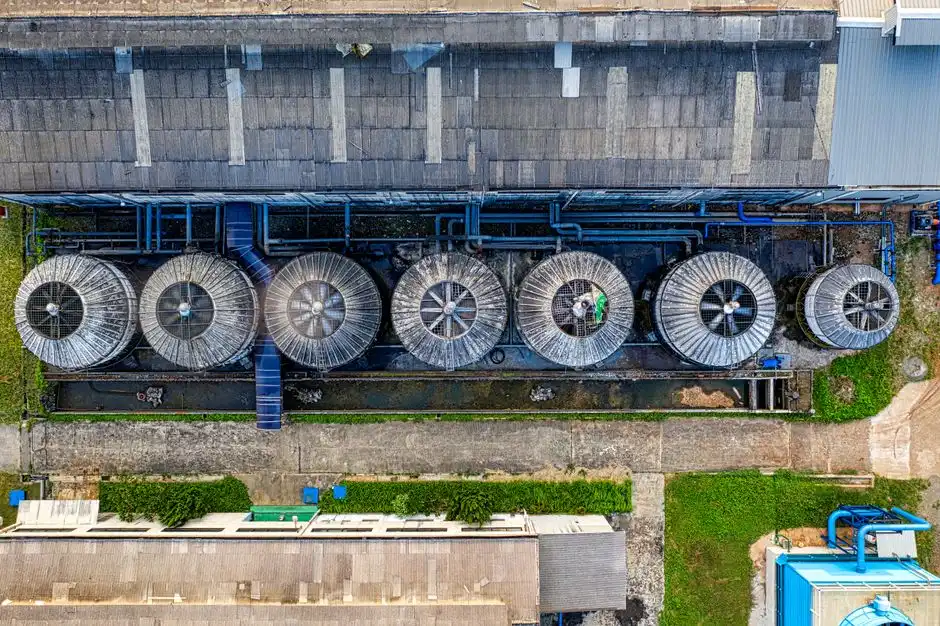
The cost envelope below reflects packaged UF skid pricing in 2026, including feed and recirculation pumps, CIP system, instrumentation, and PLC, but excluding building works and balance-of-plant piping (HydropureWater field data, 2026).
| Cost Driver | Range (2026) | Notes |
|---|---|---|
| CAPEX, 50–500 m³/day plant | $90–$220 per m³/day installed | Includes pumps, CIP, PLC |
| CAPEX, 1,000+ m³/day plant | $60–$120 per m³/day installed | Scale economy on skids and pumps |
| Membrane replacement | $8–$18 per m² per change | Every 18–36 months on distillery duty |
| CIP chemicals | $0.02–$0.05 per m³ | NaOCl + citric acid, plus surfactant if needed |
| Energy | 0.4–1.2 kWh/m³ | Hollow fiber at low end, tubular at high end |
| Total OPEX | $0.18–$0.42 per m³ treated | Wide range driven by CIP frequency and influent variability |
| Comparative MBR-only OPEX | 40–55% higher than UF | Driven by aeration energy, not membrane cost |
The 40–55% OPEX gap versus MBR-only trains is the most defensible number in the table: an MBR's blower alone typically draws 0.6–1.0 kWh/m³, and that is on top of the mixed-liquor pumping and sludge handling that a UF skid avoids. For a 200 m³/day plant, the annual OPEX differential runs $25,000–$60,000 in favor of UF polishing — usually enough to recover the incremental CAPEX within 2–3 years when reuse water is valued at $1.50–$3.00 per m³.
Selecting a UF Supplier: Engineering Checklist Before the RFQ
Most RFQs that fail at commissioning fail because the specification was too generic. The distillery UF skid is not a water-reuse UF skid is not a dairy UF skid — metallurgy, pump heads, CIP recipes, and PLC scope all change. Before sending the request for quotation, the engineer should confirm the following items are in the vendor scope.
- Documented flux warranty: stated in L/m²·h at a defined TMP, crossflow velocity, and feed temperature, with a remedy clause if commissioning flux falls below 70% of warranted value.
- Pilot or on-site trial availability: a 4–8 week trial on actual spent wash, with the vendor's CIP protocol tested against the customer's real foulant.
- CIP recipe documentation: chemistry, concentration, temperature, contact time, and frequency — locked into the PLC.
- Membrane replacement lead time: under 8 weeks for standard PVDF hollow fiber, with shelf-life guarantees on spares.
- Certifications: ISO 9001 minimum, with CE or UL on the electrical panel for export projects.
- Automation scope: PLC with HMI, transmembrane-pressure trending, automatic CIP triggering on dP, and remote telemetry as standard — not as an upgrade.
For plants comparing an all-in-one supplier for the downstream polishing stage, PVDF flat sheet MBR modules and the integrated MBR system are the natural fit after UF. Generic water-reuse UF skids built for municipal duty will not survive distillery feed — the difference shows up in pump head (8–12 m versus 4–6 m for municipal), CIP cycle frequency (every 4–8 h versus daily), and metallurgy (duplex stainless on wetted parts versus 304L for municipal).
For broader context on how this fits into 2026 procurement and reuse economics, the 2026 water reuse technology outlook and the industrial wastewater market drivers 2026 piece cover the demand-side numbers, while the MBR design guide for industrial wastewater has parallel MBR-specification detail.
Frequently Asked Questions
Is UF enough on its own, or do I still need MBR after UF for distillery wastewater? UF alone is not enough for water reuse. UF permeate on distillery feed typically shows COD 400–1,500 mg/L — above cooling-tower and boiler-feed thresholds. An MBR after UF drops COD below 50 mg/L and completes nitrification, which UF cannot do on its own. The hybrid train is the 2026 default.
Can UF operate on hot spent wash directly without cooling? No. PVDF membranes tolerate 40–45 °C continuously, but spent wash arrives at 70–90 °C. A plate heat exchanger cooling step is mandatory, both to protect the membrane and to keep downstream RO elements within their 45 °C ceiling. The capital cost of the heat exchanger is recovered inside 12 months from reduced CIP chemical use and longer membrane life.
What membrane life should I expect on distillery duty? PVDF hollow fiber on properly pretreated distillery feed runs 18–36 months between replacements. Plants that skip pH correction or push feed TSS above 500 mg/L routinely see membrane life drop to 6–12 months. Tubular membranes last longer (30–48 months) but consume 3–5× the energy.
What reuse or discharge compliance targets can UF + RO actually hit? A correctly specified UF→MBR→RO train reliably hits COD <25 mg/L, BOD <5 mg/L, TSS <1 mg/L, and conductivity <50 µS/cm in the RO permeate — sufficient for cooling-tower makeup, boiler feed at moderate pressure, and discharge under India CPCB, EU BREF, and China GB 27631-2011 standards.
Is UF enough for ZLD, or do I still need evaporation? UF cannot reach ZLD on its own — it does not reject dissolved salts. The 5–10% RO reject brine still has to go to an MVR evaporator or MEE plus crystallizer. UF's job in a ZLD train is to protect the RO and shrink the brine volume sent to the evaporator, which is the most energy-intensive unit in the whole system.