Why Perak's Municipal Sewage Plants Need a 2026 Upgrade Wave
Perak's population of approximately 2.5 million (2024) is over 71% urbanised, and the load on municipal STPs is concentrated in the Ipoh–Seri Manunj–Taiping–Sitiawan corridor where housing estates and light-industrial parks continue to expand (per Jabatan Perangkaan Malaysia, 2024). Indah Water Konsortium (IWK) currently operates more than 200 public sewage treatment plants across Perak under its national concession, and a significant share were commissioned between 1993 and 2008 with a 20–25 year design life, placing them inside the 2026 retrofit window (per IWK corporate disclosures, 2025).
Perak's catchments are not textbook-domestic. Tin-mining legacy runoff continues to elevate total suspended solids and trace metals in several Kinta Valley catchments, while palm oil mill effluent (POME) and dairy discharges from Hilir Perak and Batang Padang districts push influent COD above 600 mg/L during mill wash-water events (HydropureWater field data, 2025). That variability is the design driver: a generic tropical design will fail SPAN design review.
The scope of this guide is the 1,000–50,000 m³/day band that covers roughly 90% of Perak municipal tenders: process selection, Malaysian regulatory targets, MYR-denominated CAPEX/OPEX, and a ready-to-spec equipment list.
Malaysian Effluent Compliance: Standard A vs Standard B in 2026
The Sewage Treatment Plant Effluent Quality Standard 2009 (Department of Environment, Malaysia) sets the compliance ceiling for every municipal discharge, and the applicable class is set by the receiving water body — not by plant size. Standard A applies upstream of any water intake or in catchment-sensitive areas; Standard B applies downstream of intakes in less sensitive reaches. SPAN reviews the design basis, IWK confirms the discharge point, and the more stringent of the two governs (per DOE Malaysia, 2009).
| Parameter | Standard A (mg/L) | Standard B (mg/L) |
|---|---|---|
| BOD₅ | ≤ 20 | ≤ 50 |
| COD | ≤ 120 | ≤ 200 |
| Suspended Solids | ≤ 50 | ≤ 100 |
| NH₃-N | ≤ 5 | ≤ 20 |
| Total Nitrogen | ≤ 45 | — |
| Total Phosphorus | ≤ 10 | — |
| pH | 6.0–9.0 | 6.0–9.0 |
The 12th Malaysia Plan (RMK-12, 2021–2025) extended into 2026 river-quality programmes have reclassified several Perak catchments — including the Kinta and Batang Padang systems — to Standard A for new and upgraded discharges, raising the technical bar for tertiary nutrient removal and UV or chlorine dioxide disinfection. Engineers sizing a 2026 plant should default to Standard A unless the SPAN design review letter explicitly accepts Standard B.
Perak Municipal Sewage Influent Characteristics
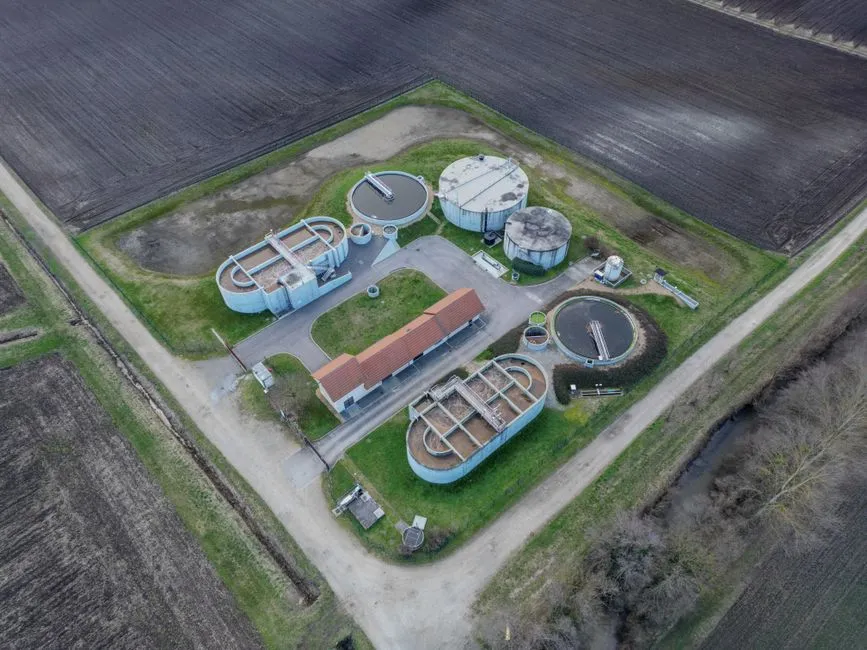
Malaysian municipal sewage is weaker than European or Japanese defaults, and Perak's industrial cross-contamination makes it more variable than the national average. A defensible design basis uses the following bands rather than textbook figures.
| Parameter | Typical Malaysia | Perak residential | Perak mixed-catchment (POME/dairy) |
|---|---|---|---|
| BOD₅ (mg/L) | 150–250 | 100–180 | 200–350 |
| COD (mg/L) | 300–500 | 250–400 | 500–800 |
| SS (mg/L) | 150–300 | 120–250 | 250–500 |
| NH₃-N (mg/L) | 20–35 | 15–25 | 25–40 |
| Oil & Grease (mg/L) | 30–80 | 20–50 | 80–200 |
| pH | 6.5–7.5 | 6.5–7.5 | 6.0–8.0 |
Three Perak-specific design parameters must be sized for: peak-to-average flow ratio of 2.0–2.5 in tropical conditions, with IWK's panel standard of 2.25 for new municipal plants; year-round sewage temperature of 26–30 °C which accelerates biological kinetics but also drives 8–12% higher waste activated sludge yield than temperate designs; and monsoon-driven November–February wet-weather peaks that can push inflow to 3× dry-weather flow when combined sewers surcharge, requiring either flow equalisation or primary treatment bypass routing (per IWK Design Guide, 2024).
Process Train Options: Conventional ASP, SBR, and MBR Compared
The 2026 process decision in Perak is a three-way choice between conventional activated sludge (ASP), sequencing batch reactor (SBR), and membrane bioreactor (MBR) with submerged PVDF membranes. Each option has a defensible niche based on plant size, land availability, and effluent target.
| Criterion | Conventional ASP | SBR | MBR (submerged PVDF) |
|---|---|---|---|
| Footprint (rel.) | 1.0× (largest) | 0.65× | 0.40× |
| Effluent BOD₅ (mg/L) | 15–25 | 10–20 | < 5 |
| Effluent TSS (mg/L) | 15–30 | 10–20 | < 1 |
| MLSS (mg/L) | 3,000–5,000 | 3,000–6,000 | 8,000–12,000 |
| Standard A compliance | Requires tertiary | With sand filter + UV | Direct |
| Automation / unmanned | Low | Moderate | High |
| CAPEX (MYR/1,000 m³/d) | 850k–1.4M | 1.0M–1.6M | 1.1M–2.0M |
For new Perak municipal STPs at or below 20,000 m³/day, MBR is now the dominant tender specification because it lands Standard A effluent in a single biological stage and fits the small-footprint urban sites that dominate Ipoh and Taiping tenders. For plants above 50,000 m³/day, conventional ASP with MBR polishing on a side-stream train is often more economical at scale, while SBR remains a strong choice for 5,000–15,000 m³/day plants where nutrient removal is the priority and the operator has SBR cycle experience. A HydropureWater MBR membrane bioreactor system with submerged PVDF flat-sheet modules is the configuration most commonly specified in 2025–2026 IWK panel tenders.
Recommended Process Flow for a 2026 Perak Municipal STP
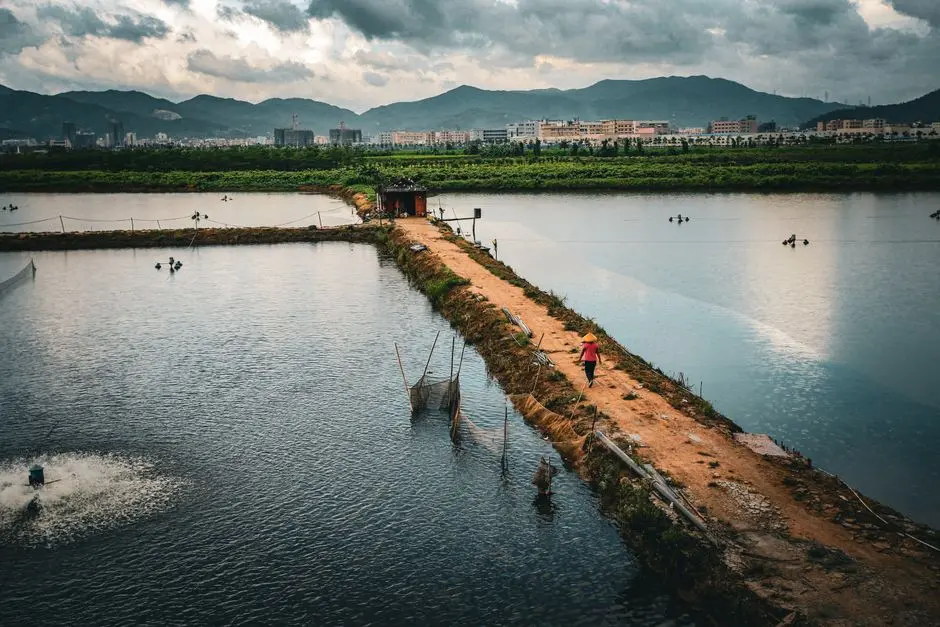
The process flow below is sized for a 10,000 m³/day Standard A plant and can be lifted directly into a P&ID or design basis.
- Headworks: A GX series rotary mechanical bar screen at 6 mm aperture removes rags and plastics, followed by a grit chamber sized for 2.25× peak flow.
- Pre-treatment / FOG removal: A DAF system ahead of the biological stage protects the membrane train in catchments with POME cross-contamination or food-processing discharge.
- Equalisation: 4–6 hour HRT aerated tank, flow-paced transfer to the bioreactor.
- Biological stage: A/O or A²/O activated sludge operating at MLSS 8,000–12,000 mg/L (MBR variant) or 3,000–5,000 mg/L (ASP variant).
- Membrane zone: Submerged PVDF flat-sheet or hollow-fibre modules at sustainable flux 15–25 L/m²·h; in-line DAF pre-filters solids load on the membrane.
- Disinfection: A chlorine dioxide generator sized for 1–2 mg/L residual ClO₂, or UV at ≥ 40 mJ/cm² dose for Standard A compliance.
- Sludge handling: Waste activated sludge thickened on DAF and dewatered by a HydropureWater plate and frame filter press to 22–25% DS cake, ready for IWK-approved off-site disposal.
CAPEX, OPEX, and Sizing Benchmarks for 2026
Budget numbers in MYR, excluding land, for a turnkey Perak municipal STP in 2026 (HydropureWater field data, 2026; per tender price indices).
| Item | 5,000 m³/day | 10,000 m³/day | 30,000 m³/day |
|---|---|---|---|
| MBR turnkey CAPEX (MYR) | 7.5M–10.5M | 13M–18M | 36M–52M |
| CAPEX per 1,000 m³/day (MYR) | 1.5M–2.1M | 1.3M–1.8M | 1.2M–1.7M |
| OPEX (MYR/m³) | 0.75–1.15 | 0.60–0.95 | 0.55–0.80 |
| Specific energy (kWh/m³) | 0.40–0.55 | 0.35–0.50 | 0.32–0.45 |
| Membrane replacement reserve (% OPEX) | 9–10% | 7–9% | 6–8% |
Conventional ASP sits 20–30% below MBR on CAPEX but requires 30–50% more land, which often decides the tender when the site is in Ipoh's urban core. MBR's energy consumption is 0.35–0.55 kWh/m³ versus 0.25–0.40 kWh/m³ for ASP, but the effluent-quality gain eliminates downstream sand-filter and chlorination tertiary stages, which typically offset 60–70% of the energy premium. PVDF submerged modules carry a 7–10 year replacement cycle, and 8% of annual OPEX should be reserved for amortised membrane replacement in any 2026 financial model (HydropureWater field data, 2026). IWK panel-contractor margin and SPAN design review fees typically add 12–18% to turnkey CAPEX and should be carried as a separate line in tender submissions.
Procurement and Tendering Route for a Perak Municipal STP
Most public Perak STPs are IWK-concessioned and tendered through IWK's panel of approved contractors with SPAN design review on the technical submission. Private municipal and township-developer plants (large palm oil estates, integrated property developments) can be procured directly from international EPCs and equipment suppliers. HydropureWater supplies DAF, MBR, chlorine dioxide, plate-and-frame press, and bar screen equipment into Southeast Asian municipal projects and can support 2026 tenders with process design basis, MYR-denominated pricing, membrane warranty terms, and local service capability in the Ipoh–Penang corridor.
Typical 2026 lead times are 8–12 months for design and procurement, 12–18 months for construction, and 3 months for commissioning on a 10,000 m³/day plant. Key tender submittals to prepare are a process design basis with influent/effluent tables, MYR-denominated CAPEX/OPEX with a 7-year membrane replacement reserve, membrane warranty and flux guarantee, and evidence of local service capability within the Ipoh–Penang corridor.
Frequently Asked Questions
What is the Malaysian Standard A effluent limit? Standard A under the 2009 Sewage Treatment Plant Effluent Quality Standard (DOE Malaysia) requires BOD₅ ≤ 20 mg/L, COD ≤ 120 mg/L, SS ≤ 50 mg/L, NH₃-N ≤ 5 mg/L, Total N ≤ 45 mg/L, and Total P ≤ 10 mg/L, with pH 6.0–9.0. It applies to discharges upstream of any water intake or in catchment-sensitive areas.
How much does a municipal sewage treatment plant in Perak cost in 2026? Turnkey MBR CAPEX runs MYR 1.1–2.0 million per 1,000 m³/day for plants in the 5,000–30,000 m³/day band, and OPEX runs MYR 0.55–1.15 per m³ treated. A 10,000 m³/day MBR plant typically lands at MYR 13–18 million turnkey, excluding land.
Which process is best for a 5,000–20,000 m³/day Perak municipal STP? MBR with submerged PVDF membranes is the 2026 default for this size band, delivering Standard A effluent (BOD₅ < 5 mg/L, TSS < 1 mg/L) directly from the biological stage with 60% of the footprint of conventional ASP.
Who operates Perak's public sewage treatment plants? Indah Water Konsortium (IWK) operates the majority of Perak's public municipal STPs under its national sewerage concession, with SPAN performing the regulatory design review on new and upgraded plants.
Can Malaysian Standard A be met without tertiary treatment? Only with an MBR or an SBR followed by sand filtration plus UV disinfection. Conventional ASP reliably meets Standard B and requires a tertiary stage (typically sand filter + UV or chlorination) to reach Standard A.