Why Dhaka Factories Are Replacing Old Septic Systems in 2026
A Gazipur dyeing factory received a DoE show-cause letter in November 2024 after a routine effluent grab sample returned BOD at 180 mg/L against the new Schedule-10 ceiling of 30 mg/L — roughly six times over the limit. That letter, not a planned capex cycle, triggered the STP purchase. Across the Dhaka–Gazipur–Narayanganj industrial belt, this is now the dominant buying trigger: enforcement, not expansion.
Three forces converge in 2026. First, the Department of Environment tightened discharge limits under Schedule-10 (SRO 2024), cutting the permissible BOD₅ to 30 mg/L and COD to 125 mg/L — about 40% stricter than the ECR 1997 thresholds most legacy septic systems were sized against. Second, June–August monsoon rainfall routinely pushes combined sewer inflow to 2.5× dry-weather flow, which means an equalization tank sized for 2 hours of hydraulic retention time (HRT) will overflow within a single storm event; 6–8 hours HRT is the working minimum for a Gazipur or Narayanganj plant. Third, the Dhaka WASA 2024 annual report still puts direct sewer coverage at roughly 70–75% of urban Dhaka, leaving 25–30% of factories — and most dormitory and cafeteria blocks — discharging through septic tanks or soak pits that are now non-compliant for any outfall to a storm drain.
Three buyer archetypes show up at the quotation stage: the compliance-triggered factory owner holding a DoE notice and a 60-day deadline, the expansion-triggered RMG exporter adding a new production line plus 800-worker dormitory, and the audit-triggered supplier to H&M, Inditex, or Primark who must close an ACCORD finding on wastewater before the next buyer audit. Each archetype prioritizes a different spec — the first needs the fastest DoE-passing path, the second needs hydraulic buffer for monsoon peaks, the third needs the documentation trail a European buyer will actually accept.
Bangladesh DoE Effluent Standards Every Supplier Must Hit
DoE Schedule-10 sets the pass-fail bar for any factory discharging treated sewage to inland surface water, which covers the Buriganga, Shitalakshya, Turag, and Bangshi rivers and most storm-drain outfalls in the Dhaka division. The numerical limits are non-negotiable and form the first filter for any shortlist.
| Parameter | DoE Schedule-10 limit (inland surface water) | Typical raw domestic sewage | Notes for supplier screening |
|---|---|---|---|
| pH | 6–9 | 6.5–8.0 | Rarely a fail point; check for industrial cross-connection. |
| BOD₅ | ≤30 mg/L | 200–350 mg/L | The headline number; 90%+ removal required. |
| COD | ≤125 mg/L | 400–700 mg/L | BOD:COD ratio of 0.4–0.5 indicates biodegradable load. |
| TSS | ≤100 mg/L | 200–400 mg/L | Final clarifier or membrane polish required. |
| NH₃-N (industrial) | ≤10 mg/L | 20–40 mg/L | Drives nitrification stage sizing. |
| Total phosphorus | ≤8 mg/L | 4–10 mg/L | Chemical precipitation often needed for compliance. |
| Fecal coliform | ≤100 CFU/100 mL | 10⁶–10⁸ CFU/100 mL | Chlorination or UV stage mandatory. |
Schedule-12 (irrigation land application) is a separate track and applies only when a factory has a permitted irrigation reuse area — most Dhaka plants discharging to a storm drain or river are Schedule-10. A second, more practical filter is the ETP versus STP distinction: an STP treats domestic sewage from toilets, cafeterias, and dormitories, while an ETP handles process wastewater. The mixed dormitory-plus-light-process flows common in RMG factories usually need a hybrid plant sized as an STP with a small pre-treatment stage for any process cross-flow.
The most common supplier miss in Bangladesh is an MBBR-only system quoted against a 30 mg/L BOD ceiling. MBBR carriers operating at 30–40% fill ratio in Dhaka sewage typically produce effluent BOD in the 30–40 mg/L range — at or above the limit, never safely under. A polishing stage — rapid sand filter, cloth media filter, or flat-sheet MBR — is mandatory, and any quotation that omits it should be rejected on paper before the site visit.
Process Selection: MBBR, SBR, MBR, or Containerized Package
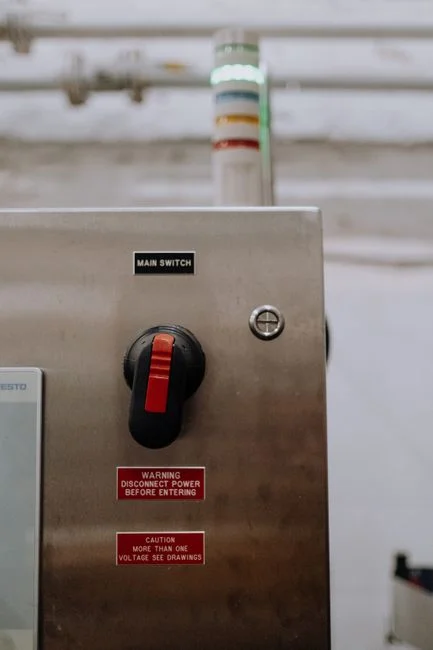
The single most consequential decision is the biological process, because it drives footprint, power draw, operator skill, and 10-year membrane or media replacement cost. Four options dominate the Dhaka market; each has a defensible use case, and the wrong choice in 2026 is rarely about technology — it is about under-sizing for monsoon hydraulic peaks or over-specifying for a domestic-only load.
| Process | BOD removal | Footprint (m² per m³/day) | Power (kWh/m³) | Operator skill | CAPEX index (1.0 = baseline) | Best-fit application in Dhaka |
|---|---|---|---|---|---|---|
| Containerized package | 85–92% | 0.05–0.10 | 0.6–0.9 | Low | 1.3–1.6 | ≤100 m³/day, sites with no civil capacity |
| MBBR (with sand filter polish) | 90–95% | 0.15–0.25 | 0.5–0.8 | Medium | 1.0 | 100–500 m³/day, domestic + light process |
| SBR | 93–96% | 0.20–0.30 | 0.7–1.0 | Medium-high | 1.2–1.4 | 200–2,000 m³/day, intermittent flow |
| MBR (flat-sheet or hollow fiber) | 96–99% | 0.10–0.18 | 0.8–1.4 | High | 1.8–2.2 | Variable load, strict reuse targets, tight footprint |
Dhaka's climate is friendly to all four: ambient air and sewage temperatures sit at 25–35°C for eight months of the year, well inside the mesophilic range where nitrification kinetics double roughly every 10°C. The trouble is the shoulder months. December–February can drop influent to 18–20°C, slowing MBBR ammonia removal by 30–40% relative to summer rates, and the June–August monsoon can triple inflow inside 48 hours. For flows above 200 m³/day with buyer-audit-driven reuse requirements, an MBR is the safer bet. For flows under 200 m³/day where a buried package plant is acceptable, a buried package sewage treatment plant from the WSZ series (1–80 m³/h A/O configuration) typically arrives pre-piped and pre-wired. For the MBR track, the MBR membrane bioreactor for Bangladesh factories integrates the aeration tank, membrane cassette, and backwash panel in a single skid, while the PVDF flat-sheet MBR module in the DF series (0.1 μm nominal pore, 32–135 m³/day per cassette) handles the membrane step itself with a tolerance for the suspended solids spikes that monsoon flows deliver.
A working rule: ≤100 m³/day → containerized package, civil work limited to a concrete pad and inlet pipe; 100–500 m³/day → MBBR with sand filter polish, or MBR if the buyer wants reuse water for toilet flushing or gardening; >500 m³/day → SBR or MBR with civil concrete tanks, blower room, and SCADA panel. For a closer regional comparison, the Tamil Nadu package STP guide walks through an Indian-state parallel with similar tropical conditions.
2026 CAPEX Benchmarks for STPs Shipped to Dhaka
Land in Chittagong in 2026 and the per-m³/day price band is wide enough that two quotations for the same duty point can differ by a factor of three. The numbers below are landed-cost ranges — equipment FOB plus sea freight, BCPC import duty, VAT, clearing agent, and inland transport to Gazipur or Dhaka — drawn from 2025–2026 enquiries for Bangladesh-bound packaged and MBBR/MBR plants (HydropureWater field data, 2026).
| Capacity (m³/day) | Containerized package (USD/m³/day) | MBBR + sand filter (USD/m³/day) | SBR (USD/m³/day) | MBR (USD/m³/day) |
|---|---|---|---|---|
| 50 | $1,100–$1,400 | $700–$900 | $900–$1,200 | $1,300–$1,800 |
| 200 | $900–$1,200 | $500–$750 | $700–$1,000 | $1,000–$1,500 |
| 1,000 | $700–$950 | $400–$650 | $600–$850 | $900–$1,300 |
Landed-cost adders are the line items that blow budgets. Sea freight on a 40 ft HC container from Nansha or Shanghai to Chittagong runs $40–$80 per cubic metre of equipment volume; a typical 70 m³/day package unit fills one container, a 200 m³/day MBBR fills two to three. BCPC import duty on water-treatment equipment sits at roughly 8% of CIF value, VAT adds another 5%, and a customs clearing agent takes 1–1.5%. Installation cost is the variable most often underestimated: a containerized plant is about 10% of equipment value because the skid arrives pre-assembled, while an in-situ civil SBR or MBR runs 25–35% of equipment value once concrete tanks, blower houses, and cabling are added.
Lead time matters as much as price when a DoE notice is on the table. A typical PO-to-commissioning sequence runs 45–60 days fabrication in the supplier's Chinese or Indian factory, 21–25 days ocean transit to Chittagong, and 14–20 days for customs clearance, site erection, and SAT. Total: 90–110 days door-to-running, which is why any vendor quoting under 75 days should be asked to document the schedule in writing.
Top Supplier Categories Operating in Dhaka Today
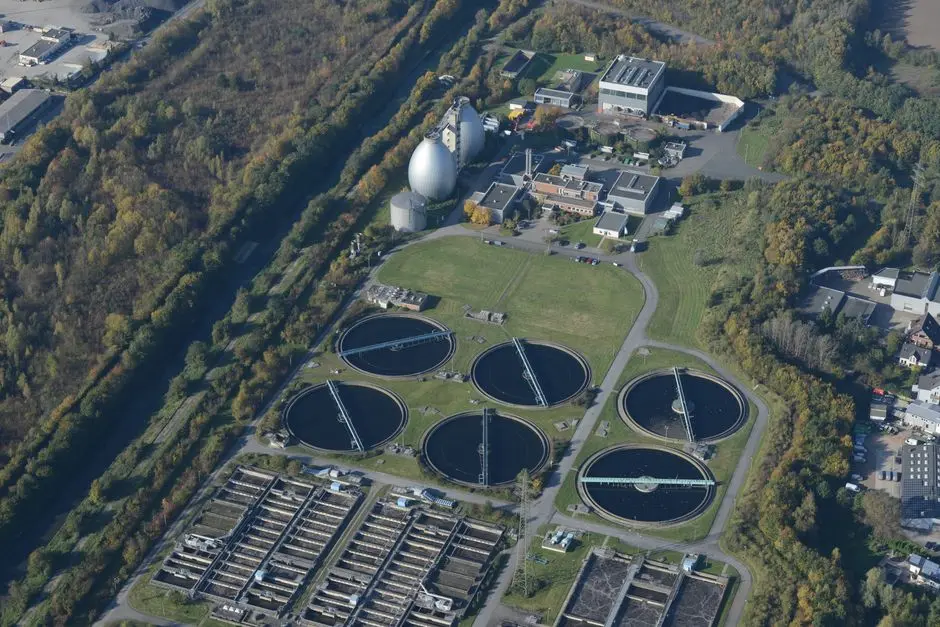
Four archetypes compete for the same RFQ. The first is the local Dhaka fabricator — typically a 20–80 person workshop in Uttar Mugdapara, Kamalapur, or Tongi — offering fast response, BDT-denominated quotations, and on-site installation within a week of delivery. The trade-off is process know-how: most local fabricators assemble MBBR and SBR from bought-in components, and none manufactures the membranes, fine-bubble diffusers, or PLCs that drive a 200 m³/day plant. They are appropriate for ≤50 m³/day domestic-only flows where speed beats process depth.
The second archetype is the Indian OEM — Vapi (Gujarat), Pune, Coimbatore — competitive on MBBR and SBR skids, with 14–18 day sea freight to Chittagong and well-established Bangladesh dealer networks. Indian suppliers are strong on reference plants in the sub-100 m³/day RMG dormitory segment but limited on MBR membranes; most source cassettes from third-party Chinese or Korean vendors and rebrand them. For a deeper look at the Indian supply chain, the Iran industrial wastewater guide covers a comparable Middle-Eastern procurement environment with similar BCPC-equivalent tariff structures.
The third archetype, and the largest by 2025–2026 order volume for the private sector, is the Chinese OEM — Hangzhou, Shandong, Jiangsu — offering the strongest MBR and containerized integration, 21–25 day sea freight, and the widest South-Asia reference list. Chinese suppliers typically hold ISO 9001:2015, run in-house membrane casting for flat-sheet PVDF, and can ship a 200 m³/day containerized plant in 60 days. The fourth is the European brand — typically Keppel Seghers, Veolia, or SUEZ — relevant only for donor-funded municipal tenders over 10,000 m³/day; CAPEX is 2–3× Chinese benchmarks and lead times stretch past 12 months. For the private factory buyer, the practical market reality is that Indian and Chinese suppliers split roughly 80% of 2025–2026 Dhaka STP orders, with local fabricators holding the long tail below 50 m³/day.
10-Point Supplier Due-Diligence Checklist Before L/C Release
The single highest-ROI step in the whole procurement cycle is the document check before the letter of credit is opened. The table below is the minimum filter; any "no" or evasive answer is grounds to drop the vendor from the shortlist regardless of price.
| # | Check | Pass criterion | Why it matters |
|---|---|---|---|
| 1 | ISO 9001:2015 certificate | Current, scope covers wastewater equipment | Quality system baseline. |
| 2 | Bangladesh local presence | BERC/BSCIC registration or notarized agent appointment | After-sales accountability. |
| 3 | FAT video on the actual unit | Time-stamped, shows the serial number being shipped | Prevents generic demo substitution. |
| 4 | South-Asia reference list | ≥2 operating plants in Bangladesh/India/Sri Lanka with owner contact | Call the references yourself. |
| 5 | Membrane brand and warranty | Named OEM (Asahi Kasei, SUEZ/Zenon, Mitsubishi, or equivalent); 5-year pro-rata | Avoid 18–30 month cheap-membrane failures. |
| 6 | SCADA/PLC HMI language | English alarm tags, English manual, English HMI | Operator usability in Dhaka. |
| 7 | Performance warranty | Written BOD ≤30, TSS ≤100 with rework/penalty clause on SAT failure | Shifts risk to the supplier. |
| 8 | Spare-parts kit in shipment | Aerator diffusers, DO and pH probes, 1-year consumables | Avoids 90-day wait on first breakdown. |
| 9 | On-site commissioning in Bangladesh | Engineer dispatch included in contract, visa arranged | Chinese vendors often quote ex-works only. |
| 10 | LC terms and payment milestones | 30% advance, 60% against B/L copy, 10% after SAT pass | Standard; reject any 50/50 split. |
For a parallel due-diligence framework in a neighbouring regulatory environment, the Municipal STP selection in South Asia guide covers a similar ten-point supplier scorecard adapted to Nepal's municipal context.
Frequently Asked Questions
What is the typical CAPEX for a 200 m³/day STP in Dhaka in 2026?
Landed cost in 2026 runs $500–$750 per m³/day for an MBBR with sand-filter polish, $700–$1,000 for SBR, and $1,000–$1,500 for MBR — translating to a $100,000–$300,000 total project for a 200 m³/day domestic sewage duty point, excluding land and building (HydropureWater field data, 2026).
Which is better for Bangladesh climate, MBBR or MBR?
MBBR is adequate for steady domestic loads where BOD ≤40 mg/L effluent is acceptable; MBR is required when the buyer needs BOD ≤30 mg/L guaranteed, has a reuse target for toilet flushing or gardening, or faces variable monsoon hydraulic loads that would wash out biofilm carriers (HydropureWater field data, 2026).
How long does it take to ship and install a containerized STP from China to Dhaka?
Typical sequence: 45–60 days fabrication, 21–25 days sea transit Nansha/Shanghai to Chittagong, 14–20 days customs clearance and site erection, 5–7 days commissioning and SAT — total 90–110 days from purchase order to treated effluent on the ground (per HydropureWater 2025–2026 delivery records).
Which Bangladesh DoE standard applies to factory sewage discharge?
Factories discharging treated sewage to inland surface water — including rivers, canals, and storm drains in the Dhaka division — must meet DoE Schedule-10 limits (SRO 2024): BOD₅ ≤30 mg/L, COD ≤125 mg/L, TSS ≤100 mg/L, NH₃-N ≤10 mg/L, fecal coliform ≤100 CFU/100 mL.
Do Chinese STP suppliers provide on-site commissioning in Dhaka?
Reputable Chinese OEMs dispatch a commissioning engineer for 7–14 days as part of the equipment contract; less established vendors quote ex-works and leave the buyer to find a local engineer. Confirm engineer dispatch, visa support, and SAT sign-off in writing before the letter of credit is opened.