Why Municipal Plants Underperform in Nepal—and What Works
Municipal sewage treatment plants in Nepal treat only about 3 percent of urban wastewater. Most centralized works still run below half of design capacity under monsoon peaks and cold winters. Decentralized MBR or wetlands plus Guheshwori biogas recovery at 32 MLD define the practical 2026 response path.
For 2026 projects, decentralized trains such as MBR (effluent COD <50 mg/L under steady operation) or constructed wetlands (CAPEX $1.5M–$5M for 1–5 MLD) often outperform oversized activated-sludge lagoons in high-altitude, monsoon-prone catchments. Guheshwori WWTP’s upgrade to 32.4 MLD with anaerobic digestion and biogas recovery remains the clearest energy-recovery benchmark in the Kathmandu Valley.
About 90% of older valley plants miss discharge targets when they were sized for steady dry-weather flows that never arrive. During the rainy season, influent volumes commonly rise 2 to 5 times dry-season levels, washing out biomass and collapsing secondary treatment. In the dry season, high solids and septic conditions form in oversized primary clarifiers. According to Earth.Org (2024), over 95% of wastewater still enters receiving waters without treatment, which aligns with the ~3% municipal treatment share used in national assessments.
O&M cost is the second failure mode. Centralized Nepalese systems often spend about $0.40/m³, while compact decentralized units sit nearer $0.15/m³ by cutting long sewers. In dense Kathmandu or Pokhara terrain, new sewer trunk lines can cost upwards of $2M/km and may exceed the plant budget itself. Standard activated sludge also slows hard in winter air temperatures of 5–15°C; COD removal can fall 20–30% without thermal management or a cold-tolerant process. Most plants we size outside the Terai therefore discard “Western average” kinetics and start from measured winter mixed-liquor temperatures.
The Guheshwori rehabilitation supplies the practical blueprint. Capacity rose from 16.2 MLD to 32.4 MLD, and anaerobic digesters now recover roughly 1,200 m³/day of biogas. According to WEPA / KVWMP planning data presented in 2025, Guheshwori’s design effluent BOD target is 15 mg/L—tighter than the 50 mg/L BOD used for several other Kathmandu Valley plants. Modular energy recovery and sludge digestion, not larger lagoons, are what keep the plant operable through monsoon and winter cycles. A 2025 Global NEST lab study at the same site also found MBBR media trains can reach COD removal near 96.8% at 72 h retention under controlled conditions, reinforcing biofilm options for upgrades.
Municipal Sewage Treatment Plants in Nepal: Performance, Costs, and Trade-Offs
Technology choice for Nepalese municipal works means balancing cold-weather kinetics, scarce urban land, and unreliable grid power. Activated Sludge Processes (ASP) still dominate many tender documents, yet nitrifiers slow sharply below 10°C. Membrane Bioreactor (MBR) trains and compact underground packages usually deliver more stable effluent for Bagmati discharge or urban irrigation. For Nepal-specific membrane design ranges and ROI detail, see this MBR wastewater treatment system in Nepal engineering guide.
| Technology | COD/BOD Removal | Energy Use (kWh/m³) | Land Area (ha/MLD) | Cold Tolerance | Monsoon Resilience | CAPEX (2 MLD) |
|---|---|---|---|---|---|---|
| Activated Sludge | 80-85% | 0.4–0.6 | 0.5–0.8 | Low | Moderate | $2.5M |
| MBR | 95-98% | 0.8–1.2 | 0.1–0.2 | High | High | $3.8M |
| Constructed Wetlands | 75-85% | 0.1–0.2 | 1.0–1.5 | Moderate | Very High | $1.5M |
| WSZ Underground | 90-95% | 0.5–0.7 | 0.05–0.1 | High | High | $2.0M |
Activated sludge wins on sticker price, but COD removal can drop toward 70% at <10°C, which is a poor fit for high-altitude municipalities. Where reuse-grade effluent is required, an MBR system for near-reuse-quality effluent in cold climates is the usual shortlist pick. MBRs routinely reach effluent COD <50 mg/L and TSS <5 mg/L when pre-treatment protects membranes from monsoon turbidity spikes. Membrane cleaning chemical stores and spare modules must be on-site before the first wet season.
For peri-urban sites, the compact underground sewage treatment system for Nepal’s urban constraints cuts footprint by about 50% versus open ASP. Most plants we size for secondary towns run fully automated packages because skilled operators are scarce outside Kathmandu. Constructed wetlands remain a low-OPEX path ($0.15/m³) where land is cheap and monsoon surges are the main hydraulic risk, though they need a 6–12 month startup before full biological efficiency. Wetland cells also need flood-free freeboard; valley sites with frequent overbank flooding need berms before planting.
Waste Treatment Process in Nepal: Influent, Effluent, and Process Parameters
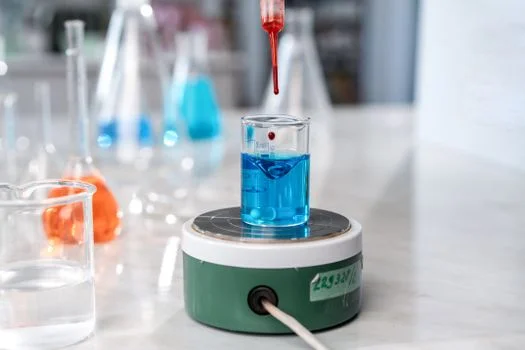
Design influent for Nepalese municipal works is highly variable: BOD often 200–500 mg/L and COD peaking near 1,200 mg/L in the dry season. Those strengths exceed typical Western municipal averages because per-capita water use is lower and small industrial tie-ins are common. Apply a temperature correction factor (Q10 = 2) so biology is sized for winter mixed-liquor temperatures in the 5–15°C band. Peak ammonia from overnight sewer storage also pushes aeration demand above textbook values.
Earlier project briefs often cited Bagmati targets of BOD <20 mg/L, TSS <30 mg/L, and fecal coliform <1,000 MPN/100mL. WEPA / KVWMP tables show Guheshwori designed to BOD 15 mg/L, while several other valley plants list BOD 50 mg/L as the effluent standard. Keep the older Bagmati figures as the stricter client target when tender language still names them; size process volume to the tighter of the two numbers written into the contract. To hit either band consistently, manage HRT carefully: 6–12 hours for activated sludge, 4–8 hours for MBR, and 3–5 days for constructed wetlands. For WHO-style reuse (turbidity <5 NTU), tertiary disinfection via an on-site ClO₂ generator for Nepal’s effluent disinfection needs is required because untreated Nepalese sewage carries a high microbial load.
Sludge handling is still the weakest link on most Nepalese municipal sites. Guheshwori data show anaerobic digestion can cut sludge volume by about 40% while producing energy, but biosolids still need dewatering. A sludge dewatering solution for Nepal’s anaerobic digestion plants lowers haul costs when land application rules are incomplete. Without mechanical dewatering, monsoon humidity makes drying beds ineffective for 4–5 months each year. Plan cake storage under cover so wet-season trucks are not waiting on saturated pads.
Cost Breakdown: CAPEX, OPEX, and ROI Models
Budgeting for 2026 municipal packages must include both process equipment and Nepal’s high site costs. CAPEX for a standard 2 MLD plant typically spans Activated Sludge ($2.5M–$5M), MBR ($3.8M–$7M), and Constructed Wetlands ($1.5M–$4M). Land in the Kathmandu Valley can add $500,000–$2M per hectare and may double the budget for land-hungry wetlands. Import duties, mountain freight, and monsoon construction stoppages routinely add 10–20% to installed cost beyond catalogue equipment prices.
| Cost Component | Activated Sludge (2 MLD) | MBR (2 MLD) | WSZ Underground (2 MLD) |
|---|---|---|---|
| Annual Energy Cost | $45,000 - $60,000 | $85,000 - $110,000 | $50,000 - $70,000 |
| Annual Chemical/O&M | $25,000 | $65,000 (incl. membranes) | $20,000 |
| Sludge Disposal Cost | $30,000/year | $25,000/year | $15,000/year |
| Total OPEX per m³ | $0.30 - $0.50 | $0.40 - $0.60 | $0.25 - $0.35 |
ROI increasingly depends on resource recovery. Above about 10 MLD, biogas can offset roughly 20% of energy cost. In industrial corridors, reuse water can sell near $0.50/m³ and stabilize municipal cash flow. Rising pollution penalties also make avoided fines a real line item. For a cross-check on compliance cost logic, see this case study on municipal plant compliance and cost optimization.
Financing still leans on ADB and World Bank programs such as the Kathmandu Valley Wastewater Management Project and Bagmati River Basin works. Municipal bonds are emerging locally, and BOT contracts—such as WABAG’s Guheshwori sludge and treatment upgrades—shift O&M risk away from under-staffed municipal boards. Grant-funded plants that omit a five-year O&M envelope usually lose effluent compliance within two monsoon seasons.
Step-by-Step Selection Framework for Nepal Projects
Procurement risk drops when the decision tree starts from local constraints, not generic foreign templates. First, quantify influent variability. If storm and sanitary sewers are combined, size equalization for 20–30% of daily flow so monsoon peaks do not wash out biomass. Second, match technology to land, using the matrix below.
| Site Profile | Recommended Technology | Key Selection Driver |
|---|---|---|
| Urban Dense (Kathmandu) | MBR or WSZ Series | Minimal footprint / High effluent |
| Peri-Urban/New Town | WSZ Underground | Modular growth / Automated O&M |
| Rural/Low-Density | Constructed Wetlands | Low OPEX / Resilient to spikes |
| Industrial Corridor | Anaerobic + MBR | Energy recovery / Water reuse |
Selection checklist most Nepalese EPC teams should close before tender:
- Peak-to-average flow ratio measured across at least one monsoon and one dry season
- Winter mixed-liquor temperature envelope (5–15°C typical outside the Terai)
- Available footprint in ha/MLD versus the land column in the technology table
- Grid outage frequency and whether solar aeration or standby gensets are mandatory
- Sludge haul distance and monsoon drying-bed downtime (often 4–5 months)
- Operator skill level and whether a 2-year training or 5-year O&M wrap is funded
- Effluent target: Guheshwori-class BOD 15 mg/L versus broader BOD 50 mg/L plant standards
For off-grid or weak-grid towns, constructed wetlands with solar aeration are the lowest-failure path. Grid-tied MBR plants need redundant power and automated backwash so membranes survive outages. Lock the sludge plan at design stage; for constrained urban plots, consult this selection guide for buried sewage treatment systems.
Close the framework with O&M capacity. Many Nepalese plants fail because the process outruns local training. Contracts should fund at least two years of operator training or a five-year provider O&M wrap covering two full monsoon/winter cycles. Hand over only after wet-season and cold-season compliance sampling both pass.
Who This Is For / Next Step
This guide is for municipal engineers, EPC contractors, and procurement boards sizing 1–10 MLD plants for Nepal’s monsoon hydraulics and cold winters. Look elsewhere if you need only septic tanks for single buildings or industrial effluent with COD far above 1,200 mg/L. To size a package against your influent data and land limit, request a municipal plant quotation with process options.
Frequently Asked Questions
What are the biggest risks when building a municipal sewage treatment plant in Nepal?
The three dominant risks are monsoon influent spikes of 2–5× dry-season flow, O&M skill gaps that leave complex biology unsupervised, and urban land acquisition delays that inflate CAPEX. Mitigation favors modular or decentralized trains, equalization for 20–30% of daily flow, and a funded multi-year operator training or O&M wrap before handover. Skipping equalization is the fastest way to lose biomass in July–September storms.
How much does a 5 MLD municipal sewage treatment plant cost in Nepal?
CAPEX typically ranges from about $3.5M for constructed wetlands to about $10M for high-end MBR systems at 5 MLD. OPEX usually falls between $0.15 and $0.60 per cubic meter treated. Add land ($1M–$4M in urban valleys) and sludge disposal ($50,000–$150,000/year) into any 20-year lifecycle model before comparing bids. Freight and duty alone can move the ranking between ASP and compact underground packages.
Can decentralized sewage treatment plants meet Bagmati River standards?
Yes. Modern WSZ packages and MBRs can hold effluent BOD <20 mg/L and TSS <30 mg/L when sized and operated correctly. Constructed wetlands also meet those targets at about 1.0–1.5 ha/MLD with proper maintenance, often at roughly 50% lower OPEX than centralized mechanical plants of similar capacity. Performance still depends on keeping peak wet-weather flow out of the biology through equalization or bypass control.
How do monsoon flows affect sewage treatment plant design?
Designers must plan for 2–5× dry-season flow volumes on combined sewer catchments. Practical tools include equalization tanks holding 20–30% of daily flow, constructed wetlands that tolerate hydraulic surges, and modular MBR skids that can be staged by season. Without equalization, biomass washout is the most common wet-season failure mode we see on Nepalese municipal sites.
What financing options are available for municipal plants in Nepal?
Primary capital still comes from ADB and World Bank programs tied to Bagmati and Kathmandu Valley wastewater works. Emerging options include municipal green bonds and PPP/BOT contracts that transfer O&M to private operators. Biogas recovery on plants above about 10 MLD can offset up to roughly 20% of operational energy cost once digesters are stable. Grant packages without an O&M escrow should be treated as incomplete financing.