Denpasar buyers evaluating MBR sewage treatment equipment in Indonesia must screen every supplier against GR 82/2001 discharge limits first: BOD ≤ 30 mg/L, COD ≤ 100 mg/L, TSS ≤ 50 mg/L, pH 6–9. Technology choice, capacity, and price only matter after compliance is proven.
MBR Sewage Treatment Equipment Denpasar Indonesia: The Direct Answer
The short answer: MBR package plants rated 1–80 m³/h with <1 μm membrane filtration fit Denpasar hotels and resorts that must reuse effluent; DAF units removing 92–97% of TSS fit industrial influent carrying FOG up to 500 mg/L; A/O lines fit stable municipal flows. Verify GR 82/2001 test reports and Bali reuse certification before signing anything.
Why Denpasar Sewage Treatment Projects Fail: The Compliance Primer
Regulatory non-compliance accounts for over 60% of wastewater project failures in Denpasar, according to the Denpasar Environmental Agency Report (2023), and the penalties are concrete. A prominent Seminyak hotel paid fines exceeding IDR 250 million in 2024 after routine testing found BOD consistently above 50 mg/L. A Denpasar textile factory was temporarily shut down for COD discharge persistently above 200 mg/L. A Sanur resort flooded its underground plant repeatedly because influent screening was inadequate, damaging pumps and forcing emergency repairs.
Context explains why enforcement bites so hard here. According to Wikipedia's overview of water supply and sanitation in Indonesia, only about 2% of the country's urban population has access to sewerage, one of the lowest rates among middle-income countries, and only 42.8% of Indonesian houses have domestic waste treatment. A JBIC-financed Denpasar Sewerage Development Project built the city's first sewer pipes, pump stations, and treatment facilities across Denpasar, Sanur, Legian, and Seminyak, covering 1,145 ha. Hotels, resorts, and factories outside that footprint carry full legal responsibility for their own effluent quality.
Government Regulation No. 82/2001 on Water Quality Management and Water Pollution Control applies to every sewage treatment equipment decision in the city. It sets the discharge limits every bid must meet:
- BOD (Biochemical Oxygen Demand): ≤ 30 mg/L
- COD (Chemical Oxygen Demand): ≤ 100 mg/L
- TSS (Total Suspended Solids): ≤ 50 mg/L
- pH: 6–9
- Heavy metals: for example Chromium (Cr) ≤ 0.5 mg/L, Lead (Pb) ≤ 0.1 mg/L, Mercury (Hg) ≤ 0.005 mg/L.
The full text of GR 82/2001 is published through official Indonesian government channels, and it is widely cited as the legal basis for river water quality monitoring. Beyond the national rule, Denpasar adds local requirements. Bali Governor Regulation 16/2016 requires that all treated effluent from covered facilities, particularly hotels and resorts, be reused for landscape irrigation to conserve water resources. Denpasar Environmental Agency guidelines issued in 2024 add a 30% sludge reduction mandate for hotels, pushing demand toward efficient sludge management.
Influent characteristics shape equipment selection as much as any regulation. Hotels generate FOG (fats, oils, and grease) at 50–200 mg/L, which blocks pipes and fouls downstream units when untreated. Textile factories discharge COD between 800 and 1,500 mg/L with variable color and pH. Resort flows swing from 20 to 100 m³/day with occupancy, so hydraulics must absorb peaks without losing effluent quality.
| Parameter | GR 82/2001 Discharge Limit (Denpasar) | Impact of Non-Compliance |
|---|---|---|
| BOD | ≤ 30 mg/L | Eutrophication, oxygen depletion, fines up to IDR 500M |
| COD | ≤ 100 mg/L | Toxicity to aquatic life, ecosystem damage, operational shutdown |
| TSS | ≤ 50 mg/L | Reduced water clarity, sediment buildup, equipment wear |
| pH | 6–9 | Corrosion, biological process disruption |
| Cr (Heavy Metal) | ≤ 0.5 mg/L | Bioaccumulation, human health risks, severe legal action |
Anoxic Aerobic MBR System Sizing Indonesia: Setting HRT, MLSS, and Flow Peaks
Anoxic/aerobic MBR sizing in Indonesia comes down to three numbers: hydraulic retention time, mixed liquor concentration, and peak flow factor. According to Wikipedia's membrane bioreactor overview, typical hydraulic retention times range between 3 and 10 hours, and submerged MBRs typically operate at mixed liquor suspended solids between 12,000 and 20,000 mg/L. Those two parameters set tank volume and aeration duty before any supplier quote arrives.
Work the sequence in order. Screen influent for FOG and coarse solids first, hold anoxic volume for denitrification, then submerge membrane modules in the aerobic tank. Resort flows between 20 and 100 m³/day swing with occupancy, so size membrane area for the peak day, not the annual average. Undersized membrane area shows up as rising transmembrane pressure months before outright failure.
For the complete design math on combined anoxic-aeration and membrane systems — recycle ratios, sludge age, oxygen demand — read sewage treatment with anoxic aeration and mbr calculation before issuing a spec. That walkthrough covers the calculation chain most Indonesian consultants expect inside a tender document.
MBR vs DAF Wastewater Treatment Denpasar Hotels: Matching Technology to Influent
MBR versus DAF selection for Denpasar properties is decided by influent strength and effluent destination, not by brand loyalty. Hotels needing reuse-grade water under Bali Governor Regulation 16/2016 specify MBR. Factories fighting FOG and TSS specify DAF ahead of biology. Equalized municipal flows usually land on A/O for cost.
MBR systems for reuse-grade effluent
MBR systems such as HydropureWater's MBR-based underground sewage treatment for Denpasar hotels and resorts (WSZ series) filter at <1 μm and deliver 95–99% BOD/COD removal at 0.3–0.8 kWh/m³. Their footprint runs up to 60% smaller than conventional activated sludge, which matters in Kuta and Seminyak where land is at a premium. The process train runs screening, anoxic denitrification tank, aerobic tank with membrane modules, and final disinfection. The dominant failure point is membrane fouling, controlled by regular cleaning and proper pre-treatment.
DAF systems for high-FOG industrial streams
DAF systems such as HydropureWater's DAF systems for Denpasar's industrial wastewater with high FOG and TSS remove 92–97% of TSS at 0.1–0.4 kWh/m³. Pressurized air forms fine bubbles that attach to suspended matter and float it to the surface for skimming. They handle FOG up to 500 mg/L, fitting textile and food-processing plants as pre-treatment ahead of biological stages. Typical failures trace to skimmer jams or under-dosed coagulation and flocculation chemistry.
A/O systems for stable municipal flows
A/O (anoxic/aerobic) systems achieve 85–90% BOD removal at 0.2–0.5 kWh/m³ using an anoxic denitrification zone ahead of an aerobic zone for BOD removal and nitrification, plus a secondary clarifier. They suit municipal projects and residential communities with stable domestic sewage. Watch the clarifier: filamentous bacteria or weak aeration cause poor settling and solids carry-over. First cost per m³ is the lowest of the three options on steady flows.
Mapping to Denpasar use cases is straightforward. A five-star resort chasing full effluent reuse under Bali Governor Regulation 16/2016 lands on MBR for its effluent quality. A textile factory with high COD and TSS fronts its train with DAF plus chemical dosing to cut pollutant load before biological treatment. A municipal plant serving a residential community typically picks A/O for cost efficiency on stable flows.
| Technology | Key Features & Performance | Energy Use (kWh/m³) | Ideal Denpasar Use Case | Typical Failure Point |
|---|---|---|---|---|
| MBR (Membrane Bioreactor) | <1 μm filtration, 95–99% BOD/COD removal, compact footprint | 0.3–0.8 | Hotels, Resorts (effluent reuse, space constraints) | Membrane fouling |
| DAF (Dissolved Air Flotation) | 92–97% TSS removal, handles FOG up to 500 mg/L | 0.1–0.4 | Industrial (textile, food processing, high solids) | Skimmer jams, inadequate chemical dosing |
| A/O (Anoxic/Aerobic) | 85–90% BOD removal, requires secondary clarifier, cost-effective | 0.2–0.5 | Municipal, Residential Communities (stable influent) | Poor settling in clarifier, aeration issues |
Top 5 Sewage Treatment Equipment Suppliers in Denpasar: 2025 Comparison
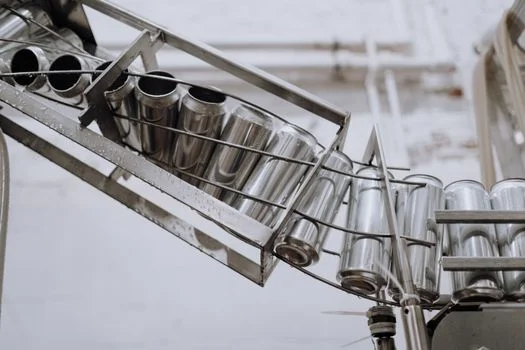
The Denpasar supplier field mixes local integrators, Jakarta municipal specialists, and international equipment makers. For MBR sewage treatment equipment, Denpasar Indonesia buyers face a fragmented market, so a focused comparison beats weeks of cold outreach. All five vendors below can produce third-party GR 82/2001 compliance reports.
- Biosystems Group: Denpasar-based, specializing in ARB (Air Recirculation Bioreactor) technology and turnkey delivery. Strengths include extensive local operation and maintenance contracts and deep resort and hotel expertise. Their record thins out on industrial streams with COD above 1,000 mg/L.
- HydropureWater: Headquartered in Hangzhou, supplying MBR and DAF systems from 1–80 m³/h through local partners. The Underground Package Sewage Treatment Plant (WSZ Series) fits space-constrained Denpasar sites, and membranes carry 5-year warranties. International logistics stretch lead times to 12–16 weeks, so order early.
- Pakar IPAL Indonesia: A Jakarta firm focused on A/O systems for the municipal sector. Projects for 10–50 m³/h plants land between IDR 800 million and 1.5 billion, with 3-year sludge management contracts available. No MBR or DAF options exist for high-solids or reuse-grade requirements.
- Triton Kencana Tirta: Surabaya-based, specializing in DAF systems integrated with chemical dosing. Textile and food-processing wastewater expertise plus 24/7 remote monitoring are real strengths. The absence of a dedicated Denpasar service center slows rapid on-site support.
- Grinviro Biotekno: A Bali company building small-scale STPs, with the fastest delivery at 4–6 weeks and prior healthcare facility experience. Capacity tops out below 10 m³/h, which rules out larger hotel and industrial projects.
Local criteria separate the five quickly: Biosystems Group is Denpasar-based and HydropureWater covers service through local partners, while all five provide third-party lab reports against GR 82/2001. For hotels and resorts, documented experience with Bali's effluent reuse certification is non-negotiable before shortlisting. For a wider lens, compare Denpasar's suppliers to Jakarta's 2025 market.
| Supplier | Primary Technology Focus | Strengths (Denpasar Context) | Weaknesses (Denpasar Context) | Ideal Use Case (Denpasar) |
|---|---|---|---|---|
| Biosystems Group | ARB Technology | Local O&M, Resort/Hotel expertise | Limited industrial (COD >1,000 mg/L) | Mid-to-large Resorts & Hotels |
| HydropureWater | MBR, DAF Systems | Underground WSZ series, 5-year membrane warranties | Longer lead times (12–16 weeks) | Space-constrained Hotels, Industrial with high FOG/TSS |
| Pakar IPAL Indonesia | A/O Systems | Lowest CAPEX, Municipal focus, sludge contracts | No MBR/DAF options | Municipal, Residential communities |
| Triton Kencana Tirta | DAF + Chemical Dosing | Industrial expertise, 24/7 remote monitoring | No Denpasar service center | Textile, Food Processing industries |
| Grinviro Biotekno | Small-scale STPs | Fastest delivery (4–6 weeks), healthcare experience | Limited to <10 m³/h capacities | Small guesthouses, clinics |
Denpasar Resort Effluent Reuse MBR System Cost: CAPEX, OPEX and Payback
Denpasar resort MBR economics hinge on reuse: treated effluent redirected to irrigation cuts fresh water bills 30–50% at covered properties. GR 82/2001 compliance avoids fines of up to IDR 500 million per year. The Denpasar Environmental Agency's 30% sludge reduction mandate for hotels trims disposal spending further.
CAPEX benchmarks (2025)
- MBR systems: a 50 m³/h plant typically runs IDR 3.5–4.5 billion, covering equipment, installation, civil works, and commissioning.
- DAF systems: capacities of 10–30 m³/h land between IDR 1.2 and 2.0 billion, including equipment, skid mounting, and basic installation.
- A/O systems: plants of 10–50 m³/h generally cost IDR 800 million–1.5 billion, thanks to simpler equipment and lighter civil works than MBR.
OPEX benchmarks
- MBR systems: IDR 1,200–2,000 per m³ treated, driven by aeration and filtration energy plus membrane replacement every 5–7 years.
- DAF systems: around IDR 500–1,000 per m³, mainly coagulant and flocculant consumables and sludge disposal; energy costs stay minimal.
- A/O systems: IDR 800–1,500 per m³, split between aeration energy and sludge disposal.
ROI and payback math
Payback follows one formula: payback years = Total CAPEX ÷ (annual water savings + annual fine avoidance + annual sludge savings − annual OPEX). An MBR resort plant at 50 m³/h achieving 40% water savings typically pays back in 3–5 years. For regional context, see how Denpasar's costs compare to other Asian markets.
Local factors bend these bands. Land in Kuta or Seminyak runs IDR 50–100 million per m², which favors compact MBR footprints despite the higher CAPEX. O&M technicians cost IDR 15–25 million per month. Import duties add 10–15% to non-Indonesian equipment invoices.
| Cost Category | MBR System (50 m³/h) | DAF System (10-30 m³/h) | A/O System (10-50 m³/h) |
|---|---|---|---|
| CAPEX (IDR) | 3.5B – 4.5B | 1.2B – 2.0B | 800M – 1.5B |
| Includes: Equipment, Installation, Civil Works, Commissioning | Yes | Yes | Yes |
| OPEX (IDR/m³) | 1,200 – 2,000 | 500 – 1,000 | 800 – 1,500 |
| Main Drivers: | Energy, Membrane Replacement | Chemicals, Sludge Disposal | Energy, Sludge Disposal |
| ROI Drivers (Denpasar) | Water Bill Savings (30-50%), Fine Avoidance (up to IDR 500M/year), Sludge Reduction | Fine Avoidance, Reduced Pre-treatment Costs | Fine Avoidance, Basic Compliance |
MBR Membrane Fouling Troubleshooting Tropical Climate Playbook
Membrane fouling in tropical-climate MBR plants follows four recognized mechanisms: complete pore blocking, standard blocking, intermediate blocking, and cake layer formation (Wikipedia, Membrane bioreactor). Constant warmth keeps biomass active year-round, so fouling arrives sooner than in temperate designs unless the cleaning cadence is contractual. FOG from hotel kitchens, at 50–200 mg/L in raw influent, is the most common trigger when grease traps are skipped.
Set the cleaning cadence in the O&M contract: chemically enhanced backwash daily, maintenance cleaning at higher chemical concentration weekly, and intensive chemical cleaning once or twice a year (Wikipedia, Membrane bioreactor). Sodium hypochlorite attacks organic foulants; citric acid removes mineral scaling. Elevated transmembrane pressure between scheduled cleanings is the trigger to bring intensive cleaning forward.
Field habits cut fouling downtime fastest. Run influent through screens and grease traps rated for hotel FOG loads, hold flux at design instead of pushing peaks through the membranes, and log transmembrane pressure daily with weekly trending. Most plants we size for Denpasar hotels run at the conservative end of the membrane supplier's flux range, trading slightly larger module area for longer intervals between intensive cleanings.
How to Select a Low-Risk Supplier in Denpasar: 10-Point Checklist
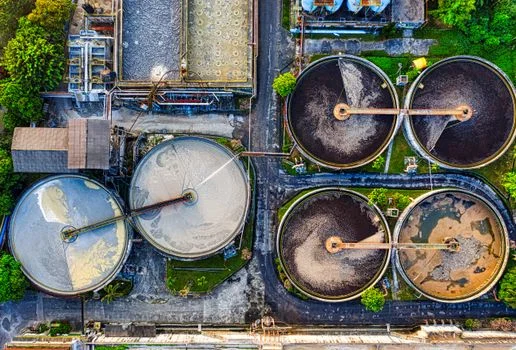
A low-risk supplier selection in Denpasar rests on ten verifiable checks rather than sales claims. This checklist gives procurement managers and engineers a concrete way to assess vendors and strip avoidable project risk out of the contract.
- GR 82/2001 compliance: Request third-party laboratory reports for treated effluent and verify BOD, COD, TSS, and heavy metals results. Confirm the testing laboratory is accredited by KAN (Komite Akreditasi Nasional), Indonesia's national accreditation body, so the report carries legal weight.
- Denpasar effluent reuse certification: Hotels and resorts should confirm direct experience with projects meeting Bali Governor Regulation 16/2016, which mandates full effluent reuse for irrigation. Ask for specific project examples with contactable references.
- Local after-sales support: Verify post-installation service commitments by visiting the supplier's Denpasar office or service center where one exists. Request references from at least three local clients and question them about O&M responsiveness.
- Technology matching: Require at least two distinct technology options, such as MBR and DAF, to test for unbiased expertise. For DAF, ask about jar tests on your influent; for MBR, ask about membrane fouling potential tests.
- CAPEX/OPEX transparency: Demand a line-item breakdown covering equipment, installation, civil works, commissioning, and long-term O&M. Compare every line against the 2025 benchmarks in this guide to expose discrepancies early.
- Sludge management: Confirm a comprehensive sludge disposal plan, which is critical for hotels under Denpasar's 30% sludge reduction mandate. Ask about partnerships with certified local waste haulers.
- Remote monitoring: Specify IoT sensors for flow rate, pH, and TSS. Request a live demonstration of the monitoring dashboard and alarm system during evaluation, not after startup.
- Warranty and performance backing: Insist on a minimum 5-year warranty for MBR membranes and at least a 2-year warranty on critical DAF components such as pumps and skimmers. Strong warranty terms are the clearest signal of build quality.
- Lead time: Denpasar projects routinely face 6–12 month permitting delays. Secure a contractual commitment for equipment delivery within 8–12 weeks of order placement to protect the schedule.
- Training and documentation: Request a sample O&M manual in both Bahasa Indonesia and English. Confirm a minimum of two weeks of on-site training for operational staff before handover.
Next Steps for Denpasar Hotel and Industrial Buyers
Hotel and resort buyers should shortlist MBR suppliers holding KAN-accredited test reports and documented Bali reuse experience. Industrial buyers should demand jar-test data on their own influent before contract award. Municipal specifiers can anchor A/O quotes against the IDR 800 million–1.5 billion band above. For the 2026 procurement cycle, put your actual flow data to work and request a sized MBR or DAF proposal from our engineering team.
Frequently Asked Questions
What effluent quality do modern sewage treatment systems achieve in Denpasar?
Modern MBR systems in Denpasar typically achieve BOD ≤ 10 mg/L and TSS ≤ 5 mg/L, well inside GR 82/2001 limits. That margin matters because Bali Governor Regulation 16/2016 requires full effluent reuse for irrigation at covered properties. HydropureWater's WSZ series ships pre-certified for Bali effluent reuse standards. Ask any bidder for a KAN-accredited third-party report to confirm the numbers on your influent.
How does high FOG from Denpasar hotels affect technology choice?
High FOG at 50–200 mg/L pushes hotel projects toward robust pre-treatment and DAF selection first. DAF units such as HydropureWater's DAF strip FOG before it can reach and foul downstream MBR membranes or block conventional plants. Screening and grease traps remain essential in every configuration. Skipping pre-treatment is the fastest route to membrane fouling bills.
What drives ROI for a Denpasar resort treatment system?
The main ROI drivers are fresh water savings of 30–50% from effluent reuse for irrigation, avoidance of GR 82/2001 fines of up to IDR 500 million per year, and lower sludge disposal costs under the 30% sludge reduction mandate. Together these typically bring an MBR system's payback to 3–5 years at a 50 m³/h resort plant. Local water tariffs and occupancy set the exact figure.
Which permits does a new treatment plant need in Denpasar?
New installations require Environmental Impact Analysis approval (AMDAL or UKL-UPL) from the Denpasar Environmental Agency, a building permit (IMB), and operational permits. GR 82/2001 and the Bali Governor Regulation 16/2016 reuse obligation are both checked during permitting, which commonly takes 6–12 months. Run permitting and equipment procurement in parallel to protect the schedule. Budget for third-party baseline sampling during the AMDAL process.
How can a small Denpasar hotel manage equipment costs?
Small hotels manage costs with modular, compact packaged MBR plants that minimize civil works and land footprint. Choosing suppliers with strong local after-sales support reduces long-term O&M spending. Effluent reuse then offsets operating costs through water savings. Small-STP specialists such as Grinviro Biotekno deliver in 4–6 weeks, which also cuts interim sludge-hauling costs.
How often do MBR membranes need cleaning in tropical climates?
Plan on chemically enhanced backwash daily, maintenance cleaning weekly, and intensive chemical cleaning once or twice a year (Wikipedia, Membrane bioreactor). Elevated transmembrane pressure between scheduled cleanings signals that intensive treatment is due early. In tropical Denpasar conditions, budget membrane replacement every 5–7 years. Fix the full cleaning schedule with the supplier in the O&M contract.