In Thiruvananthapuram, a 2025-compliant wastewater treatment plant costs ₹1.2 lakh to ₹4.8 crore depending on capacity (50–5000 KLD) and technology. For a 200 KLD textile effluent treatment plant (ETP), expect ₹80–120 lakh CAPEX with OPEX of ₹12–18/m³, including sludge disposal and energy. KSPCB’s Class I discharge limits (BOD <10 mg/L, TSS <20 mg/L) apply to all industrial and municipal projects in the district, with non-compliance penalties up to ₹5 lakh per violation. This guide provides industry-specific cost benchmarks, technology comparisons, and a zero-risk compliance checklist for textile, food processing, pharmaceutical, and municipal buyers.
Why Wastewater Treatment Plant Costs in Thiruvananthapuram Are Rising in 2025
Wastewater treatment plant costs in Thiruvananthapuram are increasing due to stricter KSPCB regulations, higher enforcement rates, and inflationary pressures on key materials and services. The Kerala State Pollution Control Board’s (KSPCB) 2023 Notification No. 12/2023 has significantly impacted compliance requirements by dividing Kerala into three distinct environmental zones, with Thiruvananthapuram classified under Class I, mandating the most stringent discharge limits. Facility managers can confirm their specific zone classification using the KSPCB's 2024 GIS map tool available on their official portal, which is crucial for appropriate system design and budgeting.
Enforcement data from 2024 reveals a tightening regulatory environment, with 12 industrial plants in the Thiruvananthapuram district receiving fines ranging from ₹5 lakh to ₹20 lakh for violations related to Biological Oxygen Demand (BOD) and Total Suspended Solids (TSS) levels (Top 2). A notable case involved a food processing unit in Kavanad that faced substantial penalties for consistent effluent quality breaches, underscoring the financial risk of non-compliance with KSPCB Class I discharge limits 2025. These fines are significantly higher than previous years, making investment in compliant systems a financial imperative.
Inflationary trends are also contributing to the rising wastewater treatment plant cost in Thiruvananthapuram. HydropureWater's 2024 procurement data indicates a year-over-year increase of 12–18% in steel and membrane prices, directly impacting the Capital Expenditure (CAPEX) for advanced systems like Membrane Bioreactors (MBR) and Dissolved Air Flotation (DAF) units. These material cost increases translate to higher initial investments for new Thiruvananthapuram industrial ETP cost projects.
operational expenditure (OPEX) is affected by rising sludge disposal costs in Thiruvananthapuram. According to the Kerala State Pollution Control Board's 2024 fee schedule, hazardous sludge generated by textile and pharmaceutical industries costs ₹3–5/kg for disposal, while non-hazardous municipal sludge is priced at ₹1–2/kg. These variable rates necessitate careful planning for industries generating different types of waste, as sludge management can constitute a significant portion of long-term operating costs.
Wastewater Treatment Plant Cost in Thiruvananthapuram: CAPEX Breakdown by Industry and Capacity
Initial investment (CAPEX) for a KSPCB-compliant wastewater treatment plant in Thiruvananthapuram varies significantly based on industry, capacity, and chosen technology, ranging from ₹40 lakh for a 50 KLD food processing unit to ₹4.8 crore for a 5000 KLD municipal plant. This breakdown provides actionable benchmarks for budgeting wastewater treatment plant cost in Thiruvananthapuram projects.
| Industry Type | Capacity (KLD) | Technology Example | Footprint (m²) | Compliance Level | Estimated CAPEX (₹) |
|---|---|---|---|---|---|
| Textile | 50 | SBR | 100–150 | KSPCB Class I | ₹40–60 lakh |
| Textile | 200 | MBR | 80–120 | KSPCB Class I | ₹80–120 lakh |
| Food Processing | 50 | DAF + SBR | 80–120 | KSPCB Class I | ₹40–60 lakh |
| Food Processing | 150 | DAF + MBR | 100–150 | KSPCB Class I | ₹60–90 lakh |
| Pharmaceutical | 50 | AOP + SBR | 70–100 | KSPCB Class I | ₹80 lakh–₹1.2 crore |
| Pharmaceutical | 100 | AOP + MBR | 90–130 | KSPCB Class I | ₹1.2–1.8 crore |
| Municipal | 500 | WSZ Underground STP | 150–250 | KSPCB Class I | ₹80 lakh–₹1.5 crore |
| Municipal | 1000 | WSZ Underground STP | 250–400 | KSPCB Class I | ₹1.5–3.5 crore |
| Municipal | 5000 | Conventional Activated Sludge | 1000–1500 | KSPCB Class I | ₹3–4.8 crore |
For the textile wastewater treatment CAPEX, a 200 KLD plant requiring an MBR system for KSPCB Class I compliance in Thiruvananthapuram typically incurs a CAPEX of ₹80–120 lakh. This investment ensures high-efficiency treatment, achieving 95% color removal and 99% TSS removal, as evidenced by 2024 KSPCB discharge reports for local textile units. MBR technology is particularly preferred for space-constrained sites common in Thiruvananthapuram's industrial zones due to its compact footprint.
In the food processing sector, a 150 KLD plant utilizing a DAF system for food processing wastewater in Thiruvananthapuram followed by an MBR system has an estimated CAPEX of ₹60–90 lakh. This configuration is highly effective for Fat, Oil, and Grease (FOG) removal, achieving >90% efficiency per 2024 EPA benchmarks. It is crucial to note that OPEX for food processing plants can be highly sensitive to influent FOG levels, impacting chemical and sludge management costs.
Pharmaceutical wastewater treatment, characterized by complex and refractory organics, demands advanced oxidation processes (AOP) coupled with MBR. A 100 KLD pharmaceutical ETP incorporating AOP + MBR has a CAPEX ranging from ₹1.2–1.8 crore. AOP plays a critical role in breaking down non-biodegradable compounds, ensuring the effluent meets KSPCB Class I limits of COD <50 mg/L.
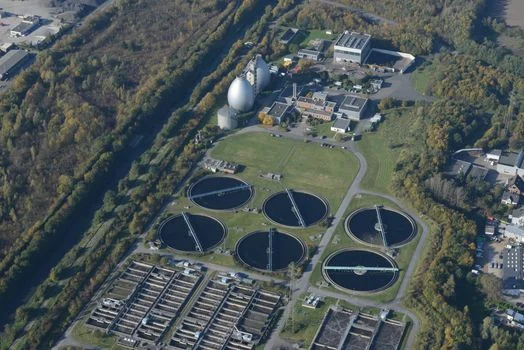
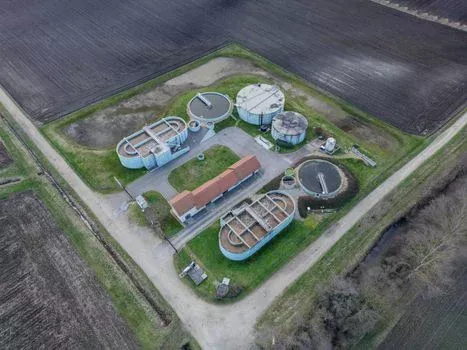
For municipal STP cost Thiruvananthapuram projects, a 1000 KLD plant using a WSZ series underground STP for municipal projects in Thiruvananthapuram can expect a CAPEX of ₹1.5–3.5 crore. This prefabricated, underground solution offers a significant advantage in land-scarce urban environments, reducing the required land footprint by up to 70% compared to conventional activated sludge systems.
OPEX in 2025: Energy, Sludge Disposal, and Chemical Costs for Thiruvananthapuram Plants
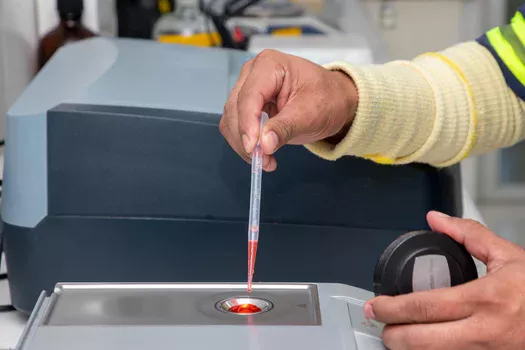
Operational expenditure (OPEX) in Thiruvananthapuram wastewater treatment plants is primarily driven by energy consumption, sludge disposal fees, chemical usage, and labor, with total costs typically ranging from ₹10–25/m³ depending on the treatment technology and influent characteristics. Understanding these components is vital for accurate long-term budgeting and selecting technologies that offer optimal OPEX efficiency.
| Industry/Technology | Energy (₹/m³) | Sludge Disposal (₹/m³) | Chemicals (₹/m³) | Labor (₹/m³) | Total OPEX (₹/m³) |
|---|---|---|---|---|---|
| Textile (MBR) | 5–7 | 3–5 | 2–4 | 2–3 | 12–19 |
| Textile (SBR) | 4–6 | 2–4 | 1–3 | 3–5 | 10–18 |
| Food Processing (DAF+MBR) | 6–8 | 4–6 | 3–5 | 2–3 | 15–22 |
| Pharmaceutical (AOP+MBR) | 8–12 | 5–7 | 4–6 | 2–4 | 19–29 |
| Municipal (MBR) | 5–7 | 1–2 | 0.5–1 | 2–3 | 8.5–13 |
| Municipal (SBR) | 3–5 | 0.5–1 | 0.5–1 | 3–5 | 7–12 |
Energy costs represent a significant portion of OPEX, particularly for advanced treatment systems. MBR systems, for instance, typically consume 0.8–1.2 kWh/m³ due to membrane aeration and permeate pumping, whereas SBR systems generally operate at 0.5–0.8 kWh/m³ (per 2024 IWA benchmarks). The continuous aeration required for biological treatment and the energy demand for maintaining membrane flux directly impact the overall energy footprint.
Sludge disposal costs in Thiruvananthapuram are highly variable based on the waste's hazardous classification. Textile and pharmaceutical sludge, often containing heavy metals or persistent organic pollutants, is categorized as hazardous and costs ₹3–5/kg for disposal. In contrast, municipal sludge, being non-hazardous, costs ₹1–2/kg (citing KSPCB 2024 fee schedule). Efficient dewatering using equipment like a plate and frame filter press can significantly reduce sludge volume and, consequently, disposal costs.
Chemical costs are particularly relevant for systems employing physical-chemical treatment, such as DAF units. Coagulants (e.g., polyaluminum chloride) typically cost ₹2–4/m³, while flocculants (e.g., polyelectrolytes) add another ₹1–3/m³. The exact chemical dosing requirements are heavily influenced by the influent's turbidity, suspended solids, and organic load, necessitating careful monitoring and optimization via an automatic chemical dosing system.
Labor costs also differ based on system automation levels. Fully automated MBR systems may require as little as 0.5 Full-Time Equivalent (FTE) for supervision and routine maintenance, while more manual SBR plants often need 1.5 FTE for operational tasks, process monitoring, and manual adjustments (per 2024 HydropureWater operational data). Investing in automation can yield substantial long-term labor savings.
MBR vs. SBR vs. MBBR: Technology Comparison for Thiruvananthapuram’s KSPCB Class I Limits
Selecting the optimal wastewater treatment technology for KSPCB Class I limits in Thiruvananthapuram involves a critical evaluation of effluent quality, footprint, CAPEX, OPEX, and operational complexity between Membrane Bioreactors (MBR), Sequencing Batch Reactors (SBR), and Moving Bed Biofilm Reactors (MBBR). Each technology presents distinct advantages and trade-offs.
| Parameter | MBR (Membrane Bioreactor) | SBR (Sequencing Batch Reactor) | MBBR (Moving Bed Biofilm Reactor) |
|---|---|---|---|
| Effluent Quality (BOD/TSS/COD) | BOD <5 mg/L, TSS <1 mg/L, COD <30 mg/L | BOD <10 mg/L, TSS <20 mg/L, COD <50 mg/L | BOD <20 mg/L, TSS <30 mg/L, COD <80 mg/L |
| KSPCB Class I Compliance | Consistently meets/exceeds | Meets (with proper operation) | May require polishing stage |
| Footprint (for 200 KLD Textile ETP) | 80–120 m² | 150–200 m² | 120–180 m² |
| CAPEX (for 200 KLD Textile ETP) | ₹1–1.2 crore | ₹80–90 lakh | ₹70–80 lakh |
| OPEX (₹/m³) | ₹15–18/m³ | ₹12–15/m³ | ₹10–12/m³ |
| Sludge Production (kg/m³) | 0.3–0.5 | 0.4–0.6 | 0.2–0.4 |
| Energy (kWh/m³) | 0.8–1.2 | 0.5–0.8 | 0.4–0.7 |
| Maintenance Complexity | Moderate (membrane cleaning) | Low to Moderate | Low |
MBR systems for KSPCB Class I compliance in Thiruvananthapuram consistently produce effluent with BOD <5 mg/L and TSS <1 mg/L, easily meeting the stringent KSPCB Class I discharge limits. Their compact design results in a footprint approximately 60% smaller than conventional SBR systems, making them ideal for urban or space-constrained industrial sites. While CAPEX for a 200 KLD textile ETP is higher at ₹1–1.2 crore, and OPEX is ₹15–18/m³, the superior effluent quality and reduced land use often justify the investment. Key operational considerations include managing membrane fouling, which requires regular chemical cleaning-in-place (CIP) protocols to maintain flux.
SBR technology offers a cost-effective solution, achieving effluent quality with BOD <10 mg/L and TSS <20 mg/L, which typically meets KSPCB Class I limits when properly operated. The MBR vs SBR cost comparison Kerala shows SBR systems have a lower CAPEX, around ₹80–90 lakh for a 200 KLD textile ETP, with OPEX ranging from ₹12–15/m³. For textile effluents, optimizing the SBR cycle time—including fill, react, settle, and draw phases—is crucial for effective pollutant removal and achieving target discharge standards.
MBBR systems provide a robust and compact biological treatment, with CAPEX around ₹70–80 lakh and OPEX of ₹10–12/m³. However, their effluent quality, typically BOD <20 mg/L and TSS <30 mg/L, may require a tertiary polishing stage (e.g., filtration or disinfection) to consistently meet KSPCB Class I limits. Media selection, such as polyethylene or polyurethane carriers, is vital for optimizing biofilm growth and treatment efficiency. While MBBR offers simplicity and resilience, it may not be sufficient for direct discharge to sensitive water bodies without further treatment.
A case study of a 200 KLD textile plant in Kavanad demonstrated the benefits of technology upgrades. After facing recurring non-compliance issues with an SBR system, the facility switched to an MBR, resulting in a 50% reduction in physical footprint and achieving an impressive 99% color removal, significantly improving compliance with KSPCB discharge reports.
KSPCB Compliance Checklist: Zero-Risk Approval for Thiruvananthapuram Wastewater Plants
Achieving zero-risk KSPCB approval for wastewater treatment plants in Thiruvananthapuram requires a methodical approach to documentation, design, and operational compliance to avoid penalties and potential shutdowns. The KSPCB approval process is stringent, designed to ensure that all industrial and municipal discharges meet the prescribed environmental standards.
- Step 1: Confirm Zone Classification. Utilize the KSPCB's 2024 GIS map, available on their official portal, to accurately confirm the environmental zone classification for your project site. Thiruvananthapuram falls under Class I, which mandates the strictest discharge limits for parameters like BOD, TSS, and COD. Understanding these specific limits is the foundational step for system design.
- Step 2: Prepare Discharge Limit Calculations. Based on your industry and zone classification, meticulously calculate the required discharge limits for key parameters including BOD (<10 mg/L), TSS (<20 mg/L), COD (<50 mg/L), pH (6.5–8.5), and specific heavy metals (<0.1 mg/L). For a 200 KLD textile ETP, for example, the treated effluent BOD must be less than 10 mg/L, requiring advanced treatment processes.
- Step 3: Submit Form XIII (Consent to Establish). This is the initial application for the wastewater treatment plant approval process Kerala. It must include a detailed site layout, a comprehensive process flow diagram of the proposed ETP/STP, and full technical specifications of the chosen technology. Common reasons for rejection include missing a detailed sludge disposal plan, inadequate treatment capacity, or insufficient documentation for hazardous waste management.
- Step 4: Install Online Monitoring Systems. As per KSPCB Notification No. 12/2023, industrial and municipal plants above a certain capacity must install continuous online monitoring systems for critical parameters such as COD, pH, and flow. Ensure that all installed equipment, including sensors and data loggers, are ISO-certified and capable of real-time data transmission to the KSPCB portal.
- Step 5: Schedule KSPCB Inspection. Once the plant is installed and commissioned, schedule a KSPCB inspection with at least 30 days' notice. Prepare thoroughly by reviewing a pre-inspection checklist, which should include ensuring all calibration records are up-to-date, operator training logs are complete, and the plant is operating consistently within discharge limits.
Non-compliance carries severe penalties, ranging from ₹50,000 to ₹5 lakh per violation, with the potential for plant shutdown for repeat offenses, as per 2024 KSPCB enforcement data. Facilities have the right to an appeals process, but demonstrating a clear commitment to compliance and a robust action plan is critical. For complex requirements like those for medical wastewater treatment, additional specific protocols apply.
Case Study: 200 KLD Textile ETP in Thiruvananthapuram – CAPEX, OPEX, and ROI
A 200 KLD textile effluent treatment plant (ETP) installed in Kavanad, Thiruvananthapuram in 2024 demonstrates how strategic technology selection can achieve KSPCB Class I compliance while delivering a tangible return on investment. This facility faced significant challenges with high organic load and color in its influent.
The influent characteristics for this textile plant included a BOD of 500 mg/L, TSS of 300 mg/L, and a color intensity of 1200 Pt-Co units, requiring robust treatment to meet KSPCB Class I standards. The chosen technology involved a primary DAF system for food processing wastewater in Thiruvananthapuram (though applied here for textile), followed by an MBR for secondary treatment, and finally chlorine dioxide disinfection for KSPCB-compliant effluent. The DAF system was specifically chosen for its high efficiency in removing suspended solids and initial color, which are prevalent in textile effluents, thereby reducing the load on the subsequent MBR stage.
The total CAPEX for this advanced system was ₹95 lakh, with an estimated OPEX of ₹14/m³. Post-treatment, the effluent quality consistently met and often exceeded KSPCB Class I discharge limits, as verified by 2024 KSPCB discharge reports.
| Parameter | Influent Quality (Before Treatment) | Effluent Quality (After Treatment) | KSPCB Class I Limit |
|---|---|---|---|
| BOD (mg/L) | 500 | <5 | <10 |
| TSS (mg/L) | 300 | <1 | <20 |
| COD (mg/L) | 1200 | <40 | <50 |
| Color (Pt-Co) | 1200 | <50 | Near-zero |
| pH | 8.5 | 7.5 | 6.5–8.5 |
The Return on Investment (ROI) for this project was calculated with a payback period of 3.2 years, primarily driven by the avoidance of severe KSPCB non-compliance fines, which could reach ₹5 lakh per year. Additionally, the high quality of the treated effluent enabled significant water reuse, generating savings of approximately ₹8/m³ for process water, further enhancing the project's financial viability. A key operational lesson learned was the importance of automated Clean-in-Place (CIP) protocols. Implementing an automated CIP system using citric acid and NaOH reduced membrane fouling by 40%, extending membrane lifespan and minimizing manual intervention.
How to Choose the Right Wastewater Treatment Plant for Your Thiruvananthapuram Project
Selecting the appropriate wastewater treatment plant for a project in Thiruvananthapuram requires a structured decision-making process that aligns industry-specific needs with KSPCB compliance, site constraints, and budget. A decision flowchart can guide this selection:
Decision Flowchart:
- Start with ‘Industry’: (Textile / Food Processing / Pharmaceutical / Municipal)
- Determine ‘Capacity (KLD)’ for your operations.
- Assess ‘Space Constraints (m²)’: Is land availability limited?
- Identify ‘Effluent Quality (KSPCB Class I/II)’ requirements.
- Define ‘Budget (CAPEX/OPEX)’ limitations and priorities.
- Choose ‘Recommended Technology’.
For the textile industry, if space is a primary constraint, an MBR system is highly recommended due to its compact footprint and superior effluent quality for color removal. For budget-sensitive projects where land is not an issue, an SBR system can offer a cost-effective solution, provided it is meticulously designed to handle the specific color and organic loads common in textile effluents.
Food processing facilities dealing with high Fat, Oil, and Grease (FOG) content should prioritize a DAF system as a primary treatment stage, often followed by an MBR for secondary treatment. For lower-FOG effluents, an SBR might suffice. Regular FOG monitoring is essential to prevent operational issues and optimize treatment. Consider prefabricated wastewater plants for food processing in Thiruvananthapuram for faster deployment.
Pharmaceutical wastewater, known for refractory organic compounds, typically necessitates an Advanced Oxidation Process (AOP) combined with MBR to achieve stringent COD reduction and KSPCB Class I compliance. For facilities with high suspended solids but less complex organic loads, a DAF system can be an effective primary treatment. AOP's role in breaking down persistent pollutants is critical here.
Municipal projects facing land limitations in Thiruvananthapuram will benefit significantly from WSZ series underground STPs for municipal projects in Thiruvananthapuram, which minimize surface area usage. For greenfield projects with ample land, conventional activated sludge systems might be considered, offering a balance of CAPEX and OPEX.
Frequently Asked Questions
Navigating wastewater treatment plant selection and compliance in Thiruvananthapuram often raises common questions among buyers and engineers. Here are definitive answers to help streamline your decision-making.
Q: What is the cost of a 100 KLD wastewater treatment plant in Thiruvananthapuram?
A: The CAPEX for a 100 KLD wastewater treatment plant in Thiruvananthapuram typically ranges from ₹40–60 lakh for food processing (utilizing DAF + SBR), ₹60–80 lakh for pharmaceutical applications (AOP + MBR), and ₹30–50 lakh for municipal projects (employing a WSZ series underground STP). OPEX varies significantly by industry and technology, generally falling between ₹10–25/m³ (per 2024 HydropureWater project data).
Q: How long does KSPCB approval take for a wastewater treatment plant in Thiruvananthapuram?
A: The KSPCB approval process generally takes 60–90 days for Consent to Establish (Form XIII) and an additional 30–60 days for Consent to Operate (Form XIV). Delays frequently occur due to incomplete documentation, such as a missing or inadequate sludge disposal plan, or if the proposed technology does not demonstrably meet KSPCB discharge standards (per 2024 KSPCB processing times).
Q: What are the KSPCB Class I discharge limits for industrial wastewater in Thiruvananthapuram?
A: For industrial wastewater in Thiruvananthapuram, KSPCB Class I discharge limits mandate BOD <10 mg/L, TSS <20 mg/L, COD <50 mg/L, pH between 6.5–8.5, and heavy metals (e.g., chromium, lead) generally <0.1 mg/L. Textile plants have an additional requirement to achieve near-zero color intensity (per KSPCB Notification No. 12/2023).
Q: Can I reuse treated wastewater in Thiruvananthapuram?
A: Yes, treated wastewater can be reused in Thiruvananthapuram, provided the effluent meets KSPCB’s specific reuse standards. These typically require BOD <5 mg/L, TSS <10 mg/L, and fecal coliform <1000 MPN/100mL. Advanced systems like MBR combined with Reverse Osmosis (RO) are capable of achieving this high-quality reuse standard (per 2024 KSPCB guidelines). Common reuse applications include cooling tower makeup, industrial process water, and irrigation.
Q: What are the penalties for non-compliance with KSPCB discharge limits in Thiruvananthapuram?
A: Penalties for non-compliance with KSPCB discharge limits in Thiruvananthapuram range from ₹50,000 to ₹5 lakh per violation. Repeat offenses can lead to more severe actions, including potential plant shutdown. In 2024 alone, 12 industrial plants within the district faced fines for violations related to BOD and TSS (per KSPCB enforcement data).